Axios Science

August 15, 2024

Thanks for reading Axios Science. This week's newsletter is 1,710 words, about a 6.5-minute read.
- Send your feedback to me at [email protected].
1 big thing: Turning DNA data into an asset class
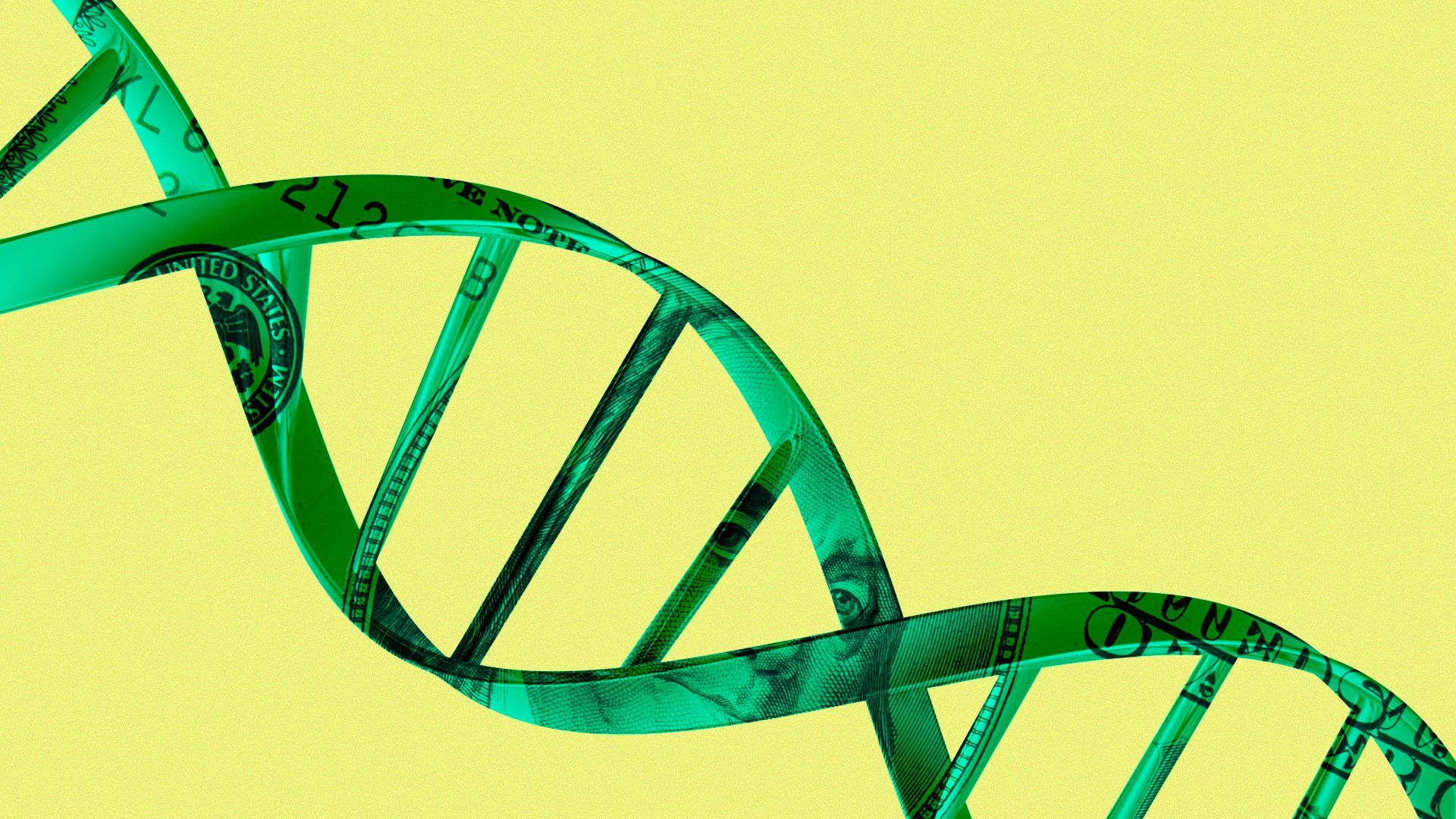
Negotiators from around the world are meeting in Montreal this week to hammer out how to divide the billions of dollars and other benefits derived from using genetic sequences to make new drugs, cosmetics and agricultural products.
Why it matters: Without a system for sharing the benefits, countries don't have to be compensated by companies and can restrict access to genetic data and create obstacles to scientific research.
- "It puts a whole lot of sand in the machine," says Pierre du Plessis, a technical adviser to an African group of negotiators.
- "It's in everyone's interest to put in place an agreed system for not unnecessarily restricting access to data."
The dilemma for countries that take a hard line protecting their genetic resources is that they could be cut off from royalties, technology transfers and other potential benefits.
- Opting in to a system would ensure some benefits, but governments still would have to decide whether their interests are protected.
Driving the news: The UN-sponsored talks this week aim to plug a gap in the 2014 Nagoya Protocol, which laid out rules for accessing genetic resources — samples from plants, animals and microbes.
- The pact didn't address genetic sequences uploaded to open databases that can be accessed for commercial purposes.
- "The Nagoya Protocol wasn't future-proofed, and benefit sharing isn't delivering," says Amber Hartman Scholz, who heads the Science Policy and Internationalization department at the Leibniz Institute.
Zoom in: Negotiators in Montreal are tasked with drafting a proposal outlining who has to pay for sequencing data, how much they have to pay and for what uses.
- The benefits could come in the form of royalty payments, scientific collaborations or assistance building local scientific infrastructure and capacity.
- A group of African countries has proposed a flat rate of 1% of commercial sales to be put into a fund to support biodiversity conservation, especially by Indigenous people and local communities.
- The value chain doesn't begin "with the use of a sequence, but with the protection of biodiversity and its stewards," the International Indigenous Forum on Biodiversity and the Indigenous Women's Biodiversity Network said in a statement.
On the other end of that value chain are industries that a UN-commissioned study estimates will generate $1.5 trillion in revenue this year from products derived from genetic data.
- The International Federation of Pharmaceutical Manufacturers and Associations this week in Montreal expressed concern that the talks won't take into account how pharma already reinvests revenue back into R&D and said the options on the table heading into the week's negotiations appear simple but "would not work in reality."
While global rules are being hashed out, some companies, countries and groups are developing their own systems for sharing benefits from genetic sequences, including data from people.
- Variant Bio, which is developing drugs by looking at populations with rare genetic variants, has a pledge that includes sharing 4% of its revenue.
- Basecamp Research, a UK-based company that collects genetic samples around the world to create a biodiversity database that its AI models use to design new proteins, announced a partnership with the government of Cameroon.
- The company will train local teams to collect and process flora, fauna and microbe samples for its database while also helping the country build its scientific capacity. Basecamp also pays royalties to countries whose sequence information helps design proteins.
"We're turning biodiversity into an asset class because we are now showing the world that it is possible if you do it right from the beginning," says Bupe Mwambingu, the company's biodiversity partnership manager.
- Both companies say communities should benefit regardless of whether their genetic data is ultimately commercialized.
"There are ethical ways to do this," says Keolu Fox, a human geneticist and assistant professor at the University of California, San Diego who advised Variant on its benefit-sharing and is a co-founder of the Native BioData Consortium.
2. What to know about the new mpox strain
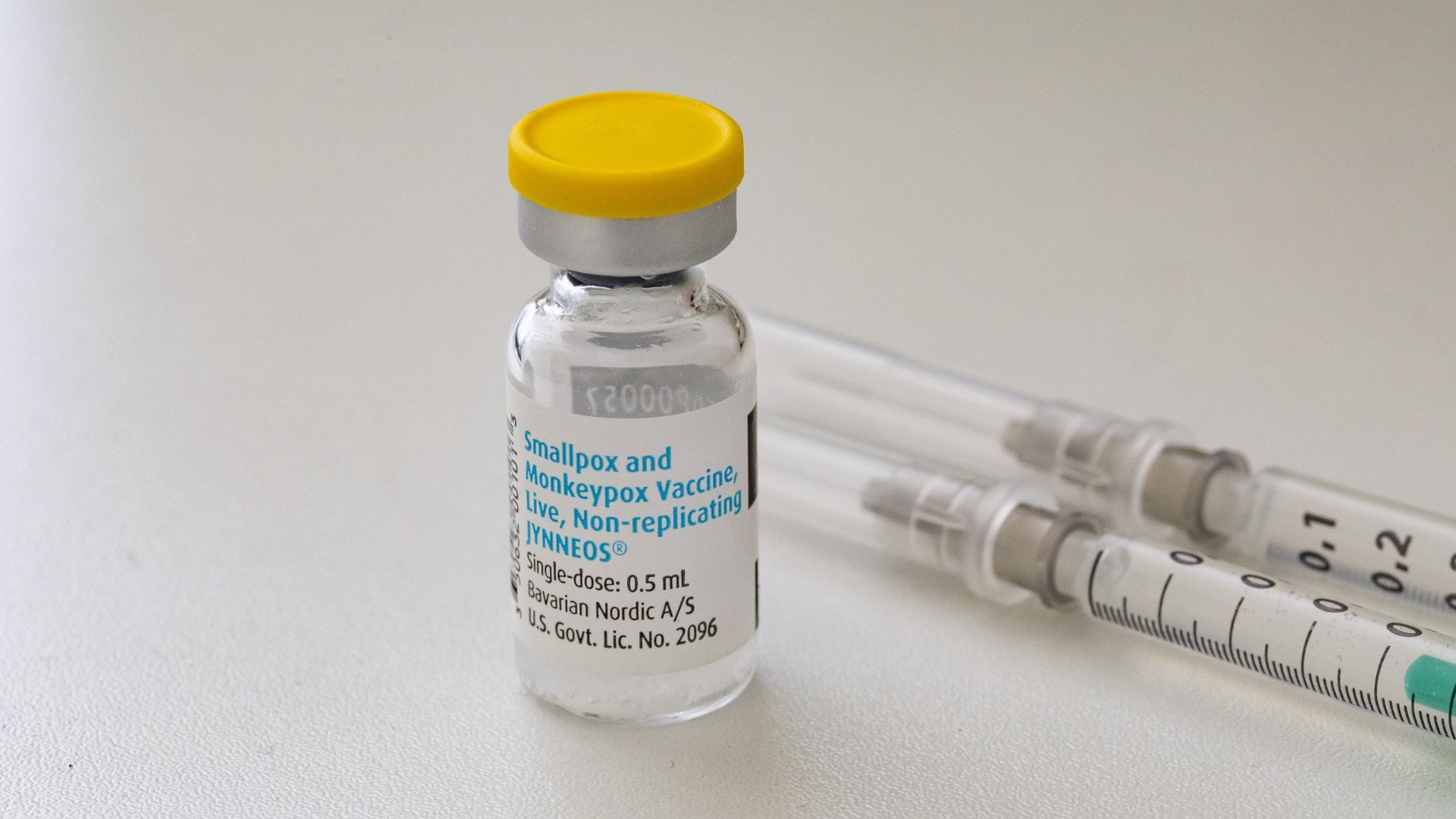
The World Health Organization has declared a global health emergency as a deadly new strain of mpox is spreading through parts of Africa, Axios' Ivana Saric writes.
The big picture: This is the second time in just over two years that the WHO has declared mpox — previously known as monkeypox — to be a global emergency.
The latest: Sweden's public health agency announced today that it had confirmed the first known case of the new mpox strain outside of Africa.
- The patient has received treatment in Stockholm after contracting the virus in a part of Africa where the new strain is currently circulating, the agency noted.
What to know...
What makes this mpox strain different?
There are two main strains of mpox, clade I and clade II, according to the CDC.
- The clade II strain is endemic to West Africa and fueled the mpox outbreak in 2022. However, cases from clade II are usually less severe and 99.9% of people who contract the strain survive, per the CDC.
- However, the new strain, clade I, is endemic to Central Africa and has proved more virulent and deadly than the clade II strain. Some previous outbreaks have killed up to 10% of those infected.
- Both strains have similar symptoms, including flu-like symptoms and a rash can initially resemble pimples or blisters.
Where are new mpox cases happening?
The vast majority of current cases are in the Democratic Republic of the Congo, where more than 14,000 cases — and 524 deaths — have been reported so far this year, WHO Director-General Tedros Adhanom Ghebreyesus said yesterday.
- However, outbreaks have been reported in 15 countries so far.
What does it mean for the U.S.?
The CDC has alerted doctors to be on the lookout for the new strain but has said that risk of it reaching the U.S. remains very low.
- "There are no known cases in the United States at this time," the Department of Health and Human Services said in a press release yesterday, noting that the U.S. is well prepared to detect and contain any potential future outbreaks.
- As of January 2023, roughly 1.2 million doses of the Jynneos vaccine had been administered in the U.S., per the CDC.
3. Global warming slowdown projected — with caveats

Cuts in greenhouse gas emissions may soon begin slowing the rate of global warming, which some researchers say has been speeding up in recent years, Axios' Andrew Freedman reports on a new study.
Why it matters: The research shows that a slowdown — and eventual leveling off — of the rate of emissions growth due to government policies could help arrest the rate at which the planet is warming.
- But scientists say it shouldn't trigger complacency.
What they're saying: "Although bad actors could misinterpret these results as yet another reason to continue to delay more climate action, in fact they emphasize even more strongly the efficacy of the actions taken to date and the urgency of more," Katharine Hayhoe, a climate researcher who is chief scientist at The Nature Conservancy, told Axios.
Zoom in: The research, published as a viewpoint in the journal Environmental Research Letters, makes a simple — yet perhaps underappreciated — point.
- While the pace and scale of climate action are currently unlikely to be successful at limiting global warming to the Paris Agreement targets, national policies are becoming significant enough to slow the rate of increase in global average temperatures and some of the worst associated impacts.
- In the analysis, two researchers from the Carnegie Institution for Science Department of Global Ecology at Stanford University found that the rate of warming is anticipated to be around 0.21°C (0.37°F) per decade in 2025.
- This would decline to 0.15°C (0.27°F) per decade around the year 2050.
Between the lines: The future warming rates would depend on whether countries meet their climate change commitments and whether more stringent emissions cuts are made.
4. Worthy of your time
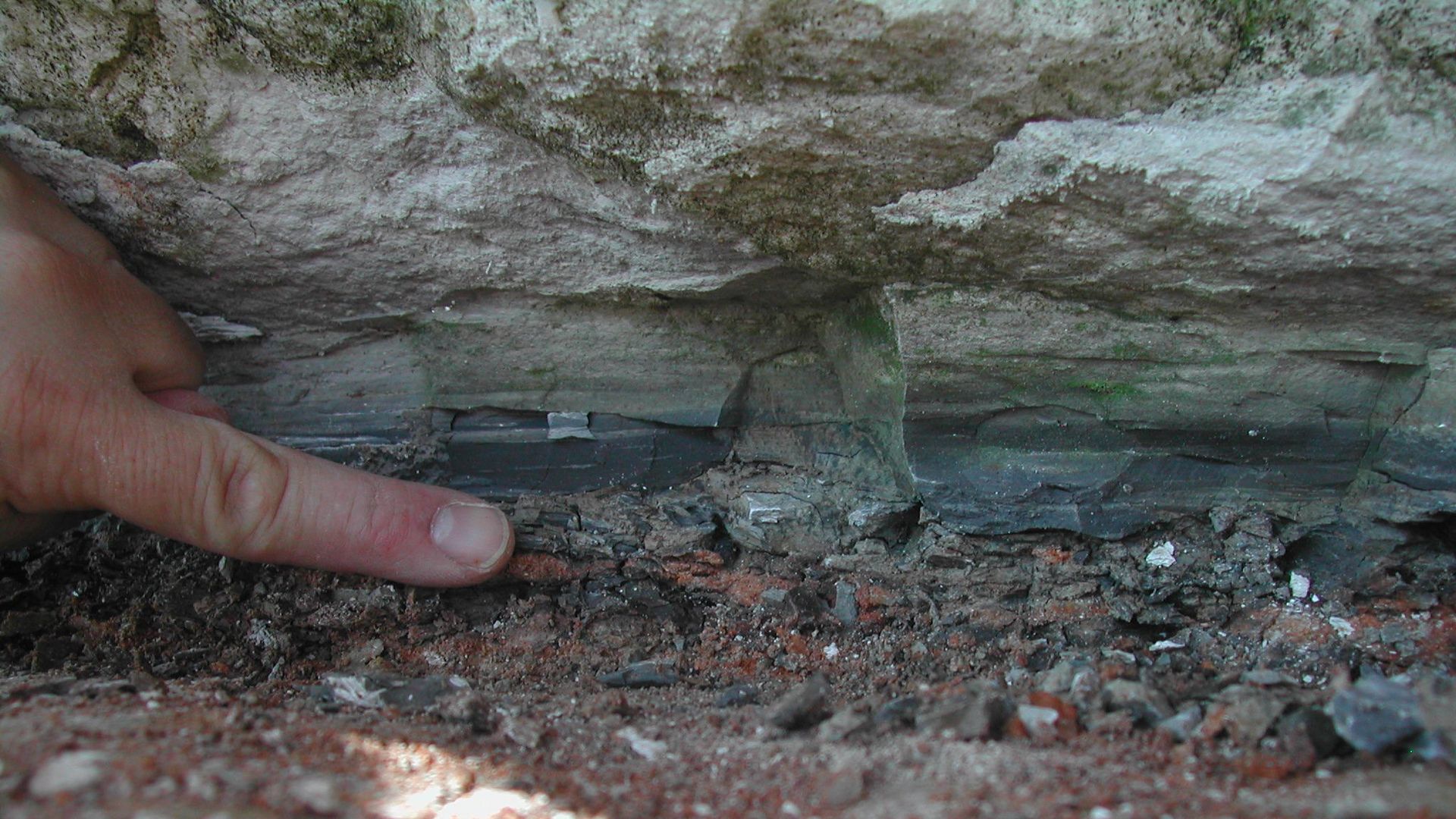
Unusual origin found for asteroid that killed the dinosaurs (Becky Ferreira — NYT)
More than 4 billion people may not have access to clean water (Claire Yuan — Science News)
Remapping science (Elizabeth Culotta, Shraddha Chakradhar and Rodrigo Pérez Ortega — Science)
5. Something wondrous
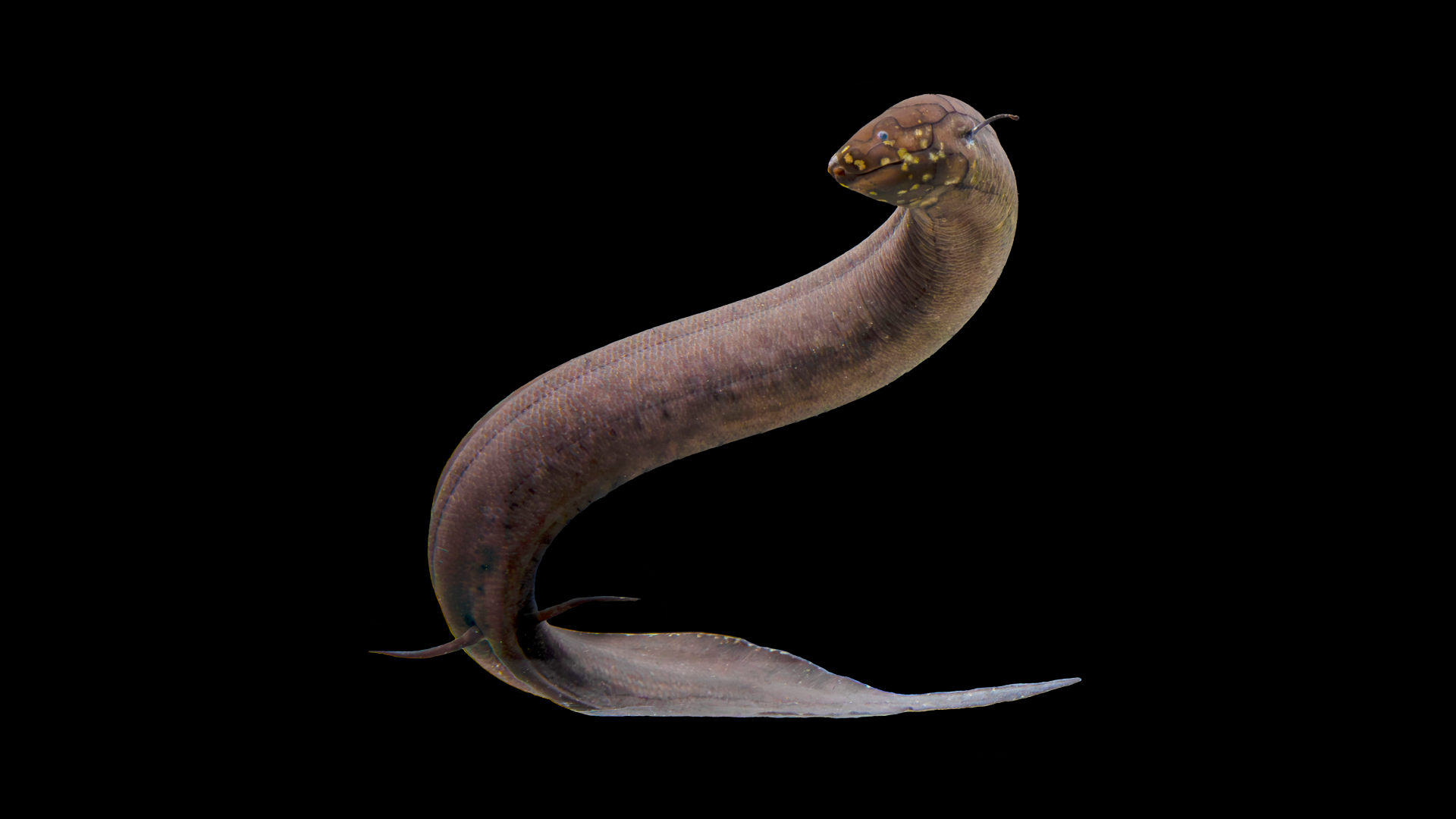
The South American lungfish has a genome 30 times the size of that of humans, making it the largest animal genome sequenced yet, scientists reported this week.
Why it matters: The lungfish's massive genome could hold clues about the evolution of vertebrates and maybe even longevity.
- Lungfish are thought to be the closest living relative to the common ancestor of all vertebrates that moved from water onto land about 375 million years ago.
What they found: The genome of the South American lungfish (Lepidosiren paradoxa) clocks in at 91 billion base pairs, researchers reported yesterday in the journal Nature.
- That's more than twice as large as the genome of the Australian lungfish and the African lungfish.
- The South American lungfish has 19 chromosomes — 18 are each larger than the human genome, which has about 3 billion base pairs.
Zoom in: By comparing the genomes of all three lungfish, the researchers found the size of the South American lungfish genome grew by 3 billion base pairs every 10 million years.
- The bulk of the genome is noncoding DNA that makes copies of itself that then get inserted back into another part of the genome, causing it to grow.
- During its evolution, the fish seems to have lost the genes that keep that copying in check, the team reports.
"It's quite remarkable," says Axel Meyer, an evolutionary biologist at Germany's University of Konstanz and co-author of the new paper.
- The genome's continued growth must require a lot of energy from the cells, he says.
The big picture: Lungfish from Australia have had limb-like fins for more than 100 million years, but the fins in the South American and African lungfish changed during that time. They lost their scales and the limb-like features, the researchers write.
- They found the evolution of those simpler fins was related to changes in a pathway that controls the development of fingers in mice.
The intrigue: Jumpy surplus DNA sequences can destabilize an organism's genetic material, but the researchers found the lungfish genome is stable.
- Lungfish live for over 100 years. Meyer says it is "pure speculation" but perhaps there is something about their lifestyle and metabolism that is tied to so many repeat patterns DNA — and maybe it could offer clues about their longevity.
Big thanks to senior editor Adriel Bettelheim and copy editor Jay Bennett.
Sign up for Axios Science