Axios Science

May 30, 2024

Thanks for reading Axios Science. This week's newsletter is 1,374 words, about a 5-minute read.
- Send your feedback and ideas to me at [email protected].
1 big thing: What turns coral on
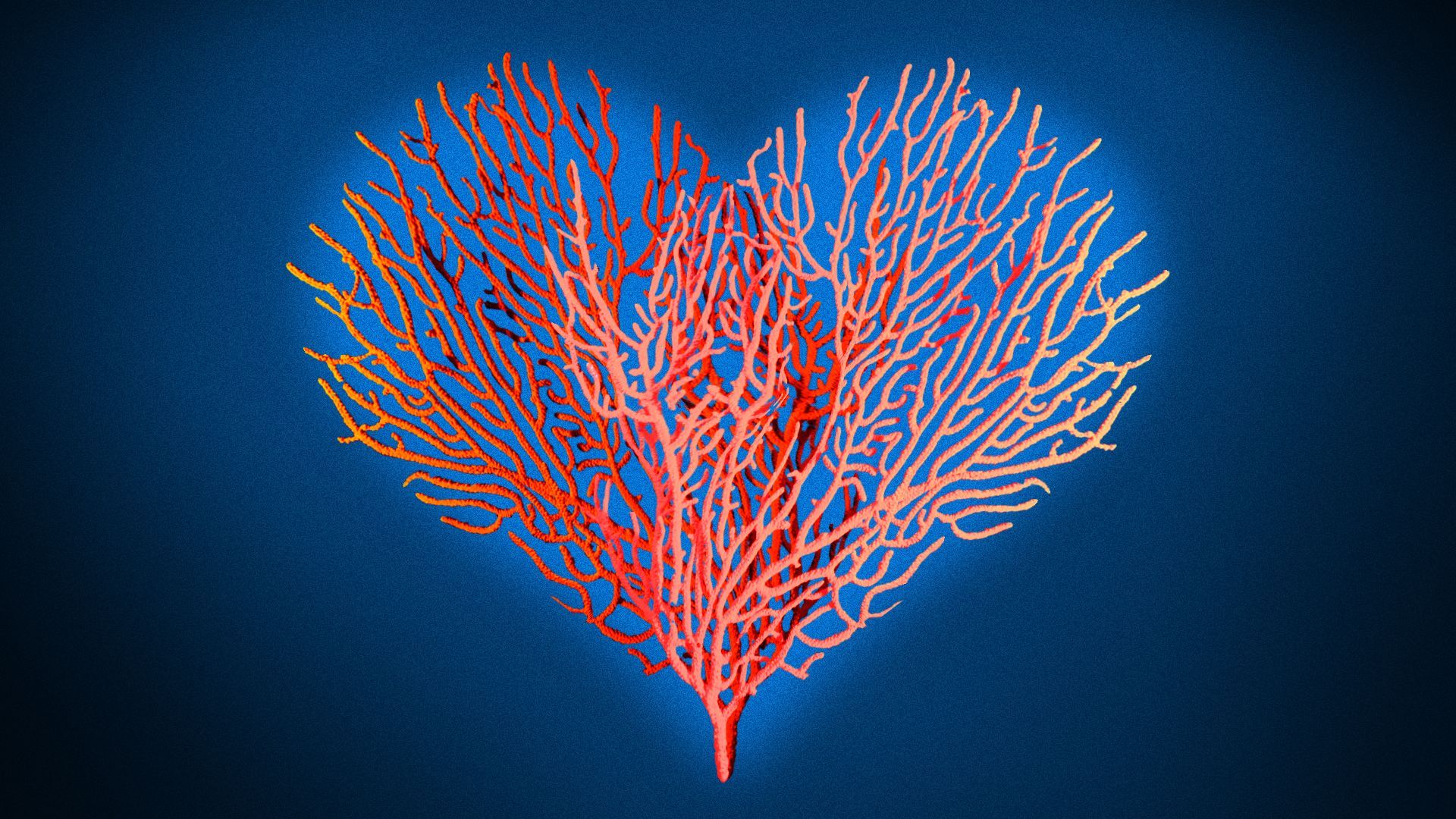
Wind, rainfall and ocean temperatures all influence the synchronized spawning of some coral in an elusive but critical process scientists are beginning to unravel.
Why it matters: Coral reefs are keystone species supporting ecosystems that underpin coastal economies around the world. But they are under pressure from warming oceans, marine pollution and other threats.
- A majority of the globe's coral reefs are in the midst of a global coral bleaching event — a consequence of global warming's effects on the ocean, plus an El Niño event in the Pacific Ocean.
The big picture: Understanding the environmental cues that drive coral reproduction could help to protect them and inform efforts to restore reefs.
- Knowing when coral spawning will occur allows researchers to monitor and collect the spawn, fertilize eggs and develop larvae that can ultimately be "returned to the reef through restoration efforts, such as coral seeding," Carly Randall, a research scientist at the Australian Institute of Marine Science, tells Axios in an email.
But coral spawning is difficult to study. Mass spawning events were only first observed and described by scientists four decades ago.
- "Let's be generous and say we have a decent idea of 100 coral species out of the thousands of them out there," says Rob Toonen, a professor and coral reef biologist at the University of Hawai'i at Mānoa.
- "So we actually don't know very much about how corals reproduce, the vast majority of them remain unknown."
How it works: Many coral generally spawn once each year, when every individual of different species releases (at least) millions of sperm and eggs into the sea in a synchronized sexual event.
- The season, the day and the hour of the gamete release are all highly regulated so that coral maximize their chances of fertilization, which, if successful, increases the genetic diversity of a reef.
- Spawning typically happens in summer as ocean water warms, which may be involved in the development of the gametes in the months before spawning.
- And it usually happens after the sun sets, with the hour depending on the species.
But predicting details about the day of spawning is trickier, in large part because of the logistics and cost of collecting data on a reef each night in summer months year after year.
- In many coral, it is precisely linked to the lunar cycle: A few days after a full moon, coral begins to spawn.
- But for others it is not as simple, says Shinichiro Maruyama, a professor at the University of Tokyo who studies coral symbiosis.
2. Part II: Scientists want to predict spawning events
In a study published this week, Maruyama and his colleagues looked at 15 years of coral spawning data collected at the Okinawa Churaumi Aquarium.
- They confirmed water temperature influences the annual summer spawning window for Acropora coral species.
- But they found other environmental factors — like rainfall and wind speed — also affect when peak spawning occurs within that timeframe, the researchers report this week in the journal Royal Society Open Science. When there was more rain, peak spawning happened earlier, for example.
- The findings suggest these cues allow the coral to "fine-tune" their spawning to avoid releasing sperm and eggs during a storm or other unfavorable conditions that might reduce their reproductive success, but that hasn't been fully determined through experiments, Maruyama says.
Between the lines: Using aquarium data is a unique approach with both benefits and limitations, he says.
- The aquarium allows for detailed and more controlled data collection and the team found spawning peaked around the same time for the aquarium reef, which uses seawater, and a nearby wild reef.
- But there are key differences in the amount of water in the aquarium versus in the wild reef and in the number of coral species.
- Maruyama says the next step is to try to develop a model to predict spawning events and to understand the causal relationship between the environmental cues and spawning.
What to watch: A big question is how the environmental cues that govern synchronized spawning may be disrupted in a changing climate, Randall says.
- One possibility: Ocean warming could lead to "asynchronous spawning behavior," Randall says. "Some early evidence suggests that could already be happening — but I think this is largely an open question that needs further study."
- Previous research also found bleaching has a long-term impact on the ability of coral that survive starvation events to reproduce in later years.
The bottom line: "We want to be able to look at when reproduction is impacted and the organisms can't replace themselves, then we can do something about it before they're gone," Toonen says.
3. Heat waves increase risk of early births: study

The rates of premature and early-term births slightly increase after heat waves, and the risk grows as extreme temperatures last longer, according to a new study of 25 years of birth data, Axios' Maya Goldman writes.
Why it matters: It's one way that extended heat waves, which have grown more common with climate change, may be harmful to infant health, the study in JAMA Network Open suggests.
- Premature birth is the most common cause of death for infants and can lead to long-lasting health challenges.
What they found: After four straight days of abnormally high temperatures, there's a 2% higher chance of babies being born prematurely (before 37 weeks). The chance is 1% higher for early-term births (37-38 weeks).
- The risk was slightly higher among Black and Hispanic mothers and those with less education.
- Researchers analyzed 53 million births during the spring and summer between 1993 and 2017 in the 50 most populous U.S. metropolitan areas.
- Researchers said their study is the largest yet of the association between extreme heat and perinatal health.
4. Worthy of your time
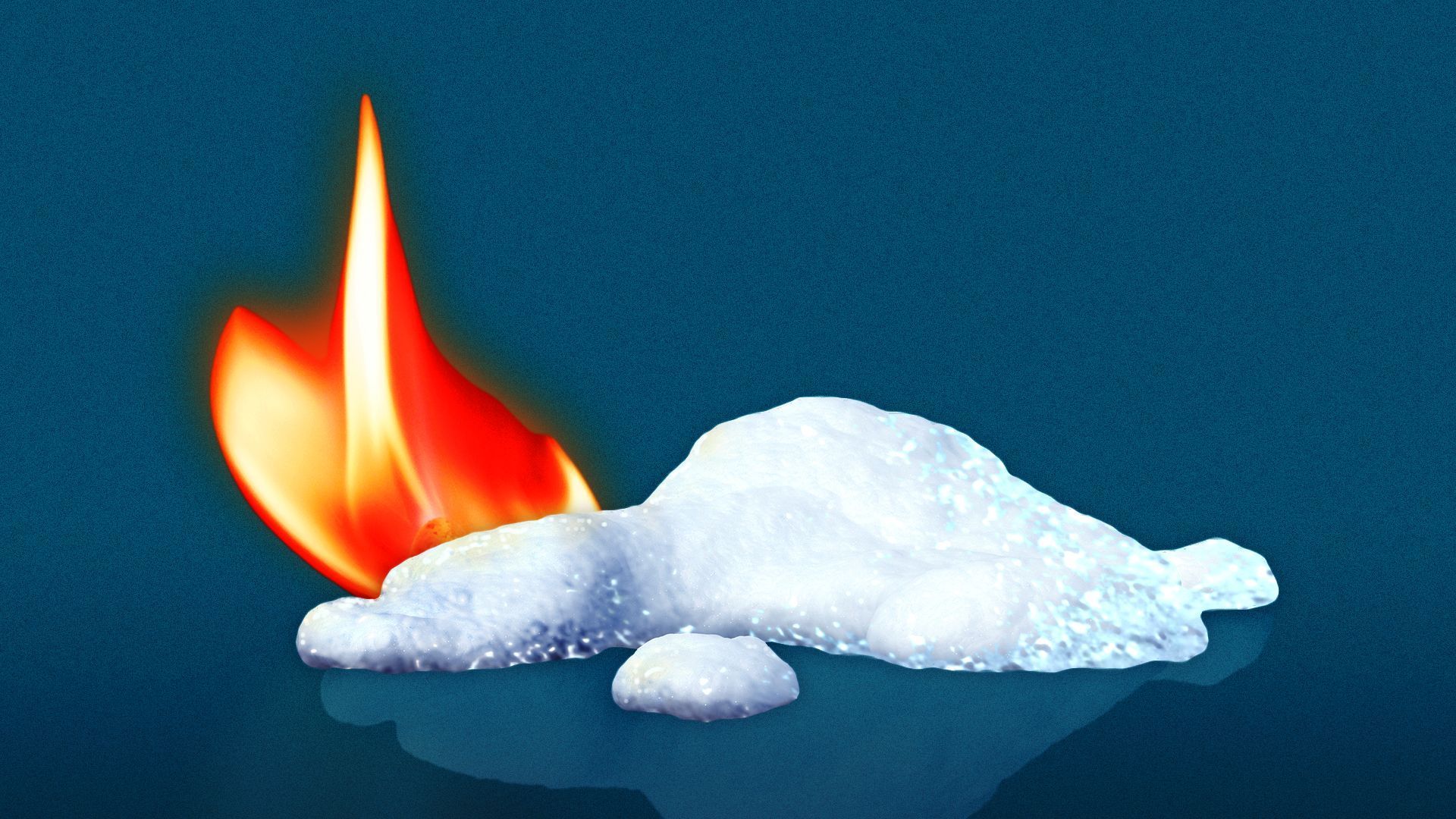
Venezuela becomes first nation in the Americas to lose all glaciers (Marina Franco — Axios)
A third U.S. farm worker infected with bird flu is the first to experience respiratory symptoms (Helen Branswell — STAT)
The messy quest to replace drugs with electricity (Sally Adee — MIT Tech Review)
5. Something wondrous
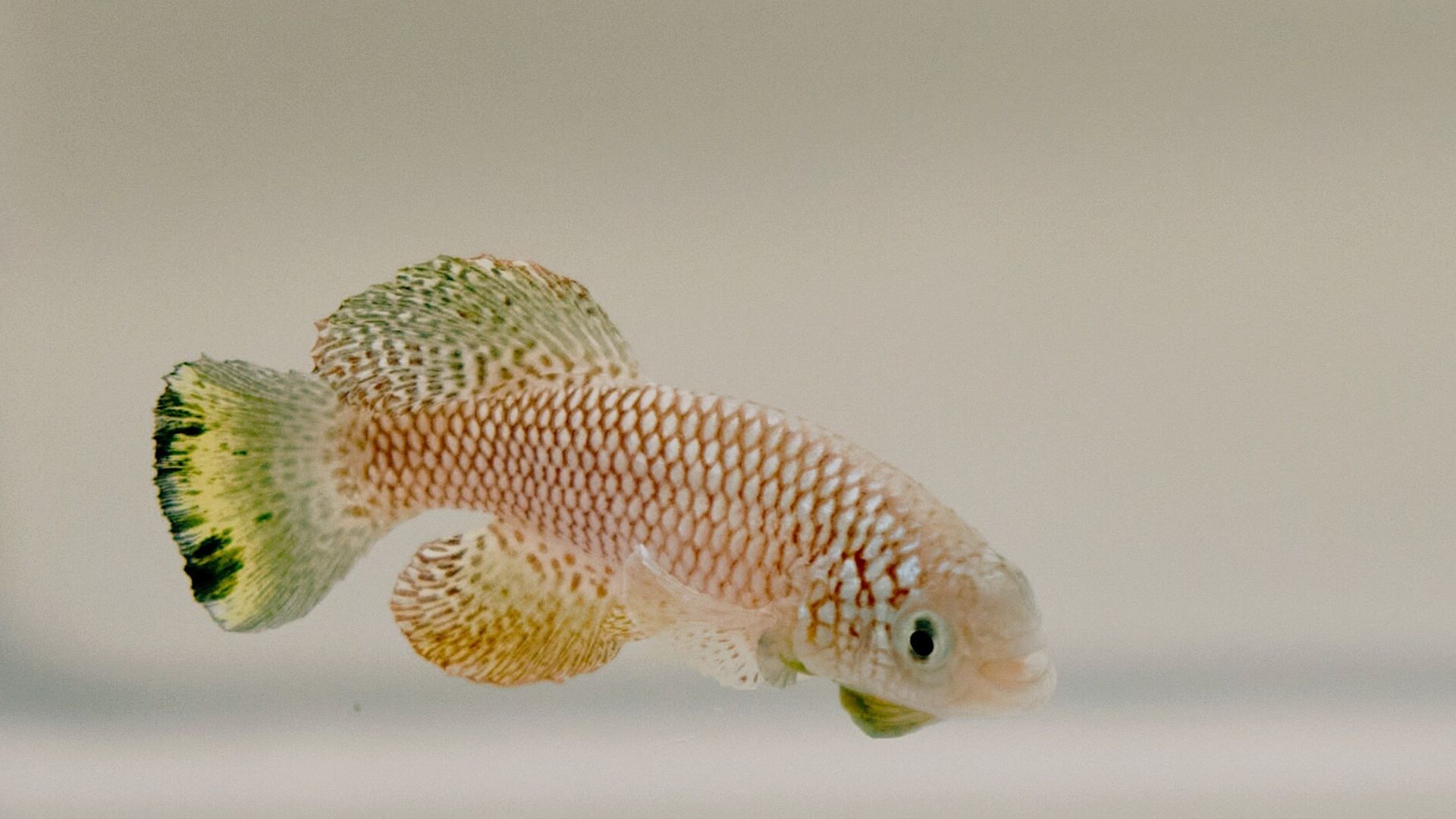
Ancient genes repurposed by African turquoise killifish allow their embryos to live in a suspended state of animation for about eight months and survive the dry season, new research suggests.
Why it matters: The findings point to how animals may adapt to new environments by rewiring genes and could offer a way "to promote long-term survival by activating suspended animation programs in other species," the scientists write.
The big picture: Some species of insects, crustaceans, snails, house mice and other animals undergo a period of suspended development called diapause, but details about how the ability evolved are unknown.
How it works: African turquoise killifish (Nothobranchius furzeri) live in ponds in Zimbabwe and Mozambique that dry up for eight months each year.
- During their six-month lives, the fish reproduce before the water dries up, leaving their embryos in the mud to hatch the following year.
- Their diapause is unique because it lasts a long time and it starts when the embryos are more developed compared to other species, the authors write.
- They have a developing heart and brain, which means the diapause "provides long-term protection to a complex organism."
What they found: The mechanism evolved in African turquoise killifish less than 18 million years ago when parts of more than 437-million-year-old genes were repurposed, according to a paper published this week in the journal Cell.
- The genes are duplicate copies called paralogs — known to be involved in the emergence of new genes and their specialization for new functions — found in all vertebrates.
- "The whole program is like day and night — there is life in the normal state and life in the diapause state, and the way this happened was by reshuffling or re-wiring the regulatory region of a whole set of genes," study co-author and molecular biologist Anne Brunet of Stanford University said in a press release.
The intrigue: The team also compared the expression of genes in embryos of the African turquoise killifish with other fish species, some that undergo diapause and others that don't, and with the house mouse.
- They found similar gene expression patterns in species with diapause and that they involved ancient genes as well, they report.
- That suggests the repurposing of very ancient duplicate genes is an evolutionary mechanism "repeatedly employed for the evolution of diapause states across distantly related species," they write.
Big thanks to Andrew Freedman for editing, Annelise Capossela on the Axios Visuals team and copy editor Carolyn DiPaolo.
Sign up for Axios Science