Axios San Francisco

April 17, 2026

🏚️ It's Friday. As San Francisco marks 120 years since the 1906 earthquake, we're taking a closer look at how it redefined our city.
☀️ Today's weather: Sunny, with highs around 70, lows near 50.
🎂 Happy birthday to our Axios San Francisco member Rosemary Cameron!
🎧 Sounds like: "Journey Through the Past" by Neil Young.
📰 Situational awareness: Our weekly news quiz will return next week!
Today's newsletter is 1,074 words — a 4-minute read.
1 big thing: 🔍 Learning from 1906
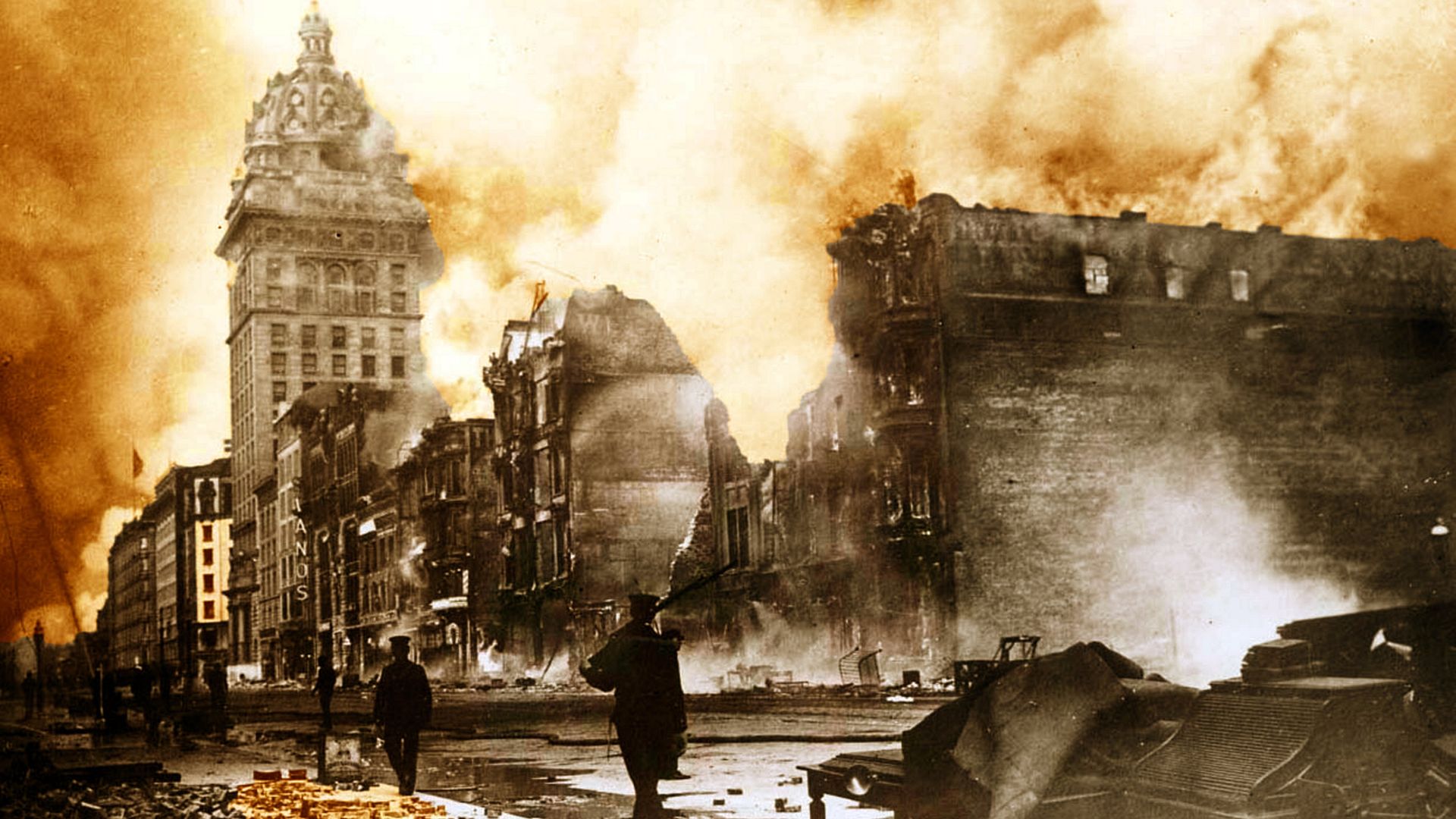
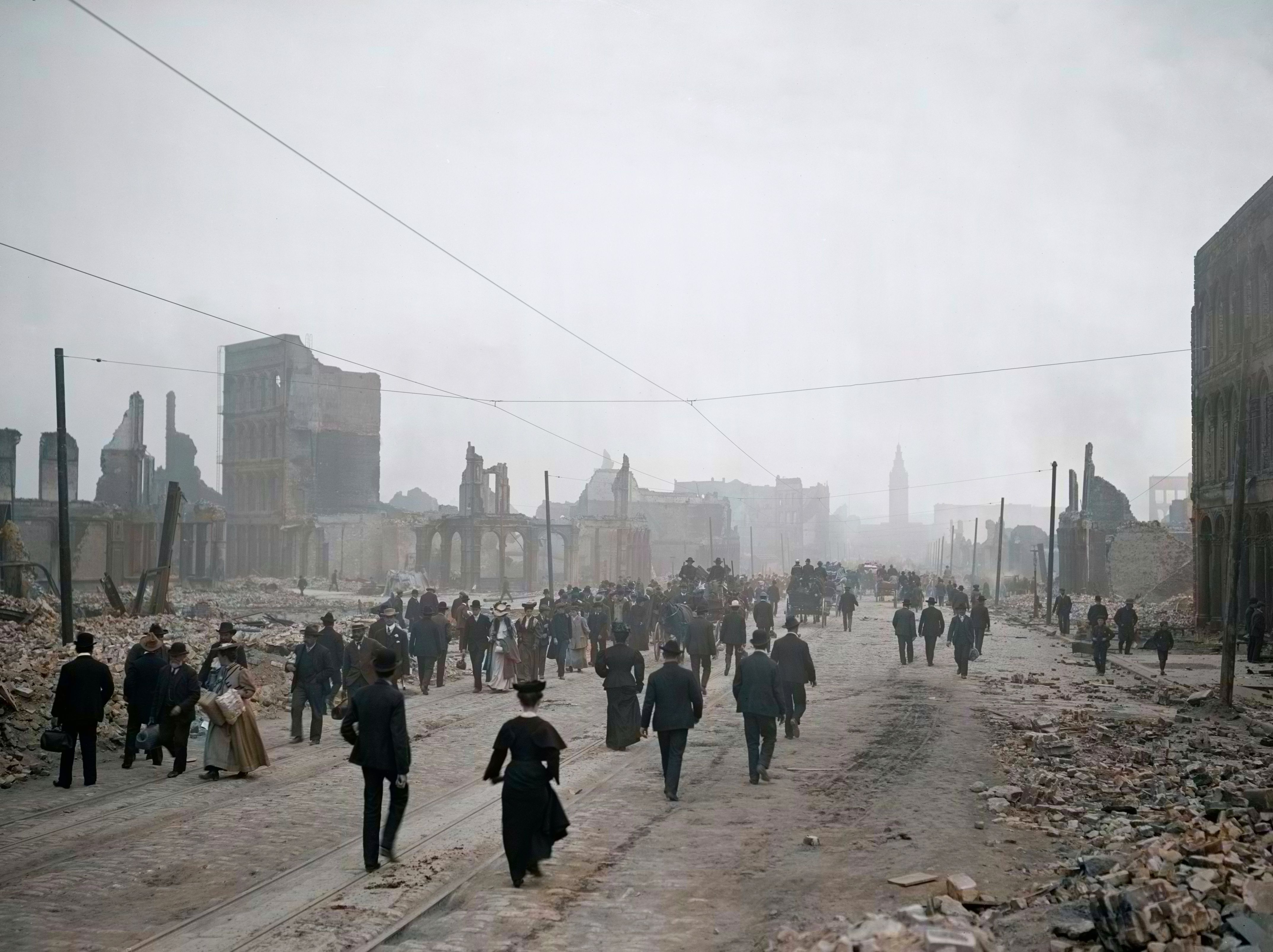
It's difficult to imagine San Francisco today engulfed in flame, ash and ruin — but 120 years ago, disaster forever reshaped the city.
The big picture: At 5:12 am on April 18, 1906, a 7.9 magnitude earthquake struck, becoming one of the worst natural disasters in U.S. history.
- An estimated 3,000 people died and 200,000 others were left homeless.
- More than a century later, the lessons of that day still shape how the city prepares for the next "Big One."
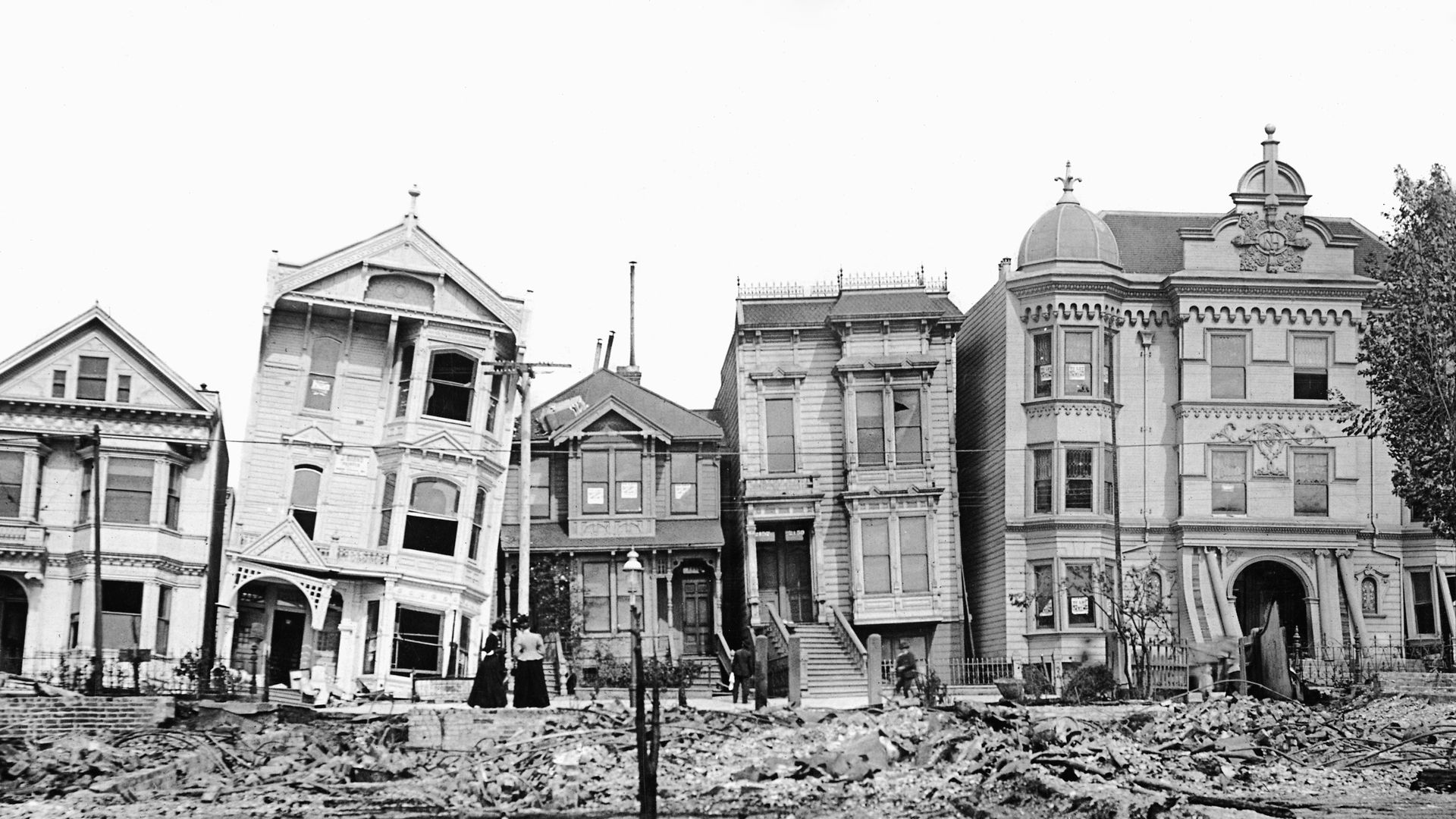
Catch up quick: The 1906 earthquake didn't just level buildings — it exposed widespread vulnerabilities and set the blueprint for how cities prepare for disasters today.
The breakdown of basic infrastructure turned a natural disaster into a citywide catastrophe.
- Within minutes, buildings crumbled, gas lines ruptured and water mains snapped. Dozens of blazes then merged into a firestorm that burned for three days and destroyed 80% of the city.
Between the lines: The quake also reshaped science.
- There was no consensus back then that earthquakes were caused by faults slipping since most don't leave visible surface breaks, Greg Beroza, a professor of Earth science at Stanford, told Axios.
- But the crack left along the San Andreas Fault helped confirm that earthquakes are driven by fault movement, he said.
The city today is far more prepared for such a quake.
- San Francisco has a specialized emergency firefighting water system with underground cisterns, fireboats to access the Bay's water and unique high pressure hydrants designed to fight fires after earthquakes, SFFD Lt. Mariano Elías said.
- "We are the only department in the United States who has that," he added.
- The city also developed the Neighborhood Emergency Response Team program after the 1989 Loma Prieta earthquake, which trains residents in first aid and search and rescue.
Modern buildings are also better designed to absorb and withstand shaking.
- San Francisco has made major progress retrofitting older buildings, including about 97% of its soft-story apartments and reinforcing non-ductile concrete buildings, said Heidi Tremayne, executive director of the Earthquake Engineering Research Institute.
- "We don't think all earthquakes have to be a disaster... It's just choosing to implement and investing in those changes," she added.
Read on below
2. ⚠️ Preparing for disaster
While San Francisco is more prepared for another major disaster these days, experts say the devastation of a future earthquake will also depend on how residents respond in the first hours after the tremors subside.
Threat level: A major earthquake could still knock out power, water, transportation and online communications all at once, said Mary Ellen Carroll, the city's executive director of emergency management.
- Heavy reliance on technology that may not function in a disaster could leave residents cut off from critical information and one another.
- And while emergency response has improved, Carroll said the public's level of preparedness — especially in a region that hasn't seen a major quake in decades — remains a critical weak point.
- "Earthquakes create multiple cascading failures across systems and it's the kind of event we haven't been tested by in a long time," she said. "Our emergency response structure, all of our first responders, we are ready. But I think that the general public has some work to do."
🚨 What's next: Residents should have a go-bag and supplies to get through 72 hours. People should also know how to shut off gas lines and remember to check on neighbors, since help may not come right away, per Elías.
- "As firefighters, we say it's not if, it's when," he added. "So it's important to know the history, how to prepare yourself and your family, and how to get some kind of plan in place."
3. The Wiggle: 🏀 Warriors battle for playoffs
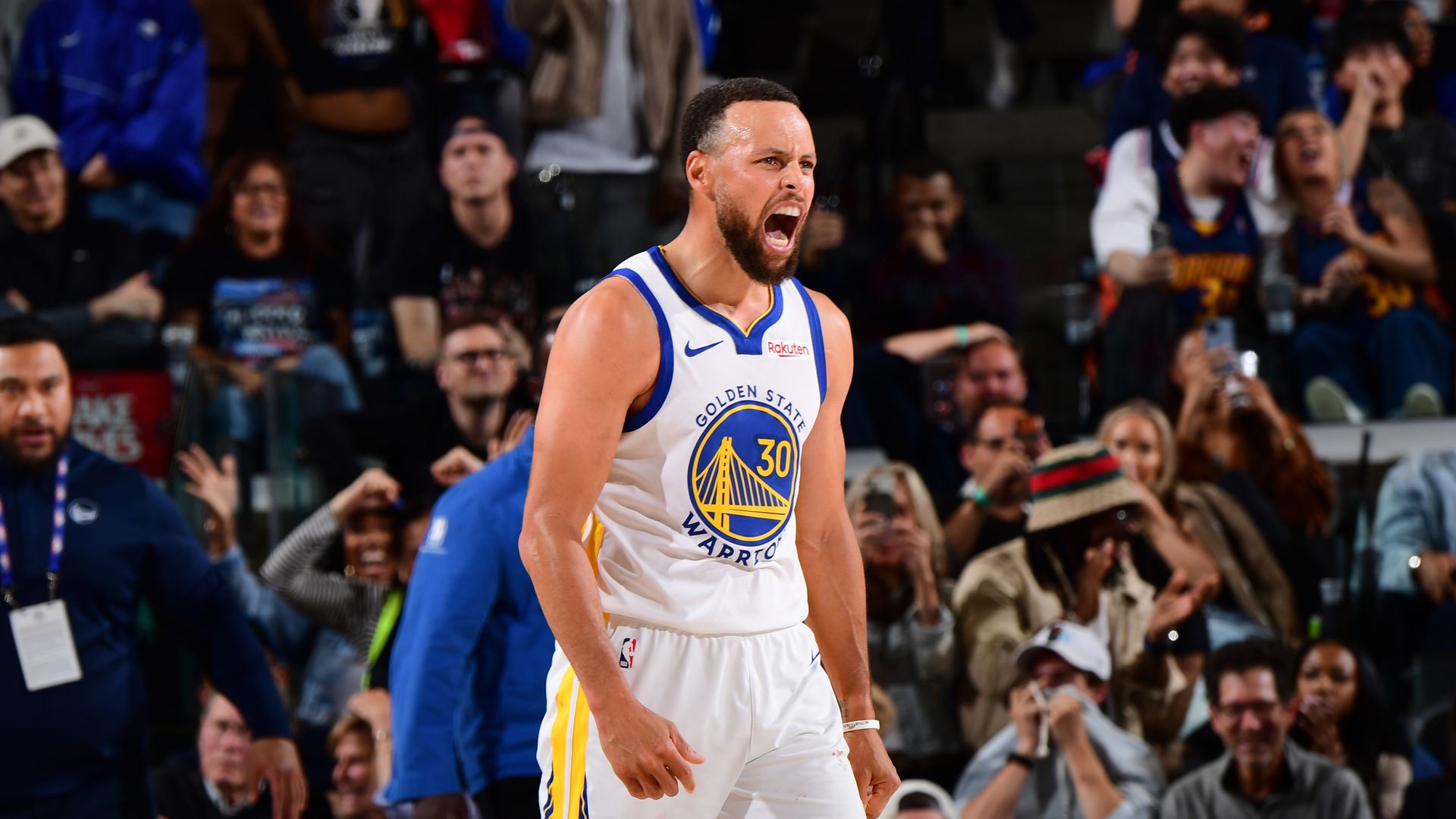
🏀 The Warriors will battle for their playoff lives tonight as they take on the Phoenix Suns.
- Winner gets the 8 seed and a first-round matchup with the dreaded Oklahoma City Thunder. (The Athletic)
Video surveillance of a fatal hit-and-run that occurred in SoMa this week appears to show the driver deliberately accelerating into the victim. (SFGATE)
- Prosecutors yesterday filed murder charges against the suspect. (SF Chronicle)
🍔 Maillards — the city's (and Nadia's!) favorite smashburger pop-up — will now serve regularly at Two Pitchers Brewing Co., 3821 Noriega St. (SF Chronicle)
🤖 Anthropic released Claude Opus 4.7 yesterday, the latest upgrade to its AI model. (Axios)
- OpenAI also launched new AI models yesterday aimed at helping life sciences researchers sort through data faster. (Axios)
4. 🕰️ Commemorating 120 years
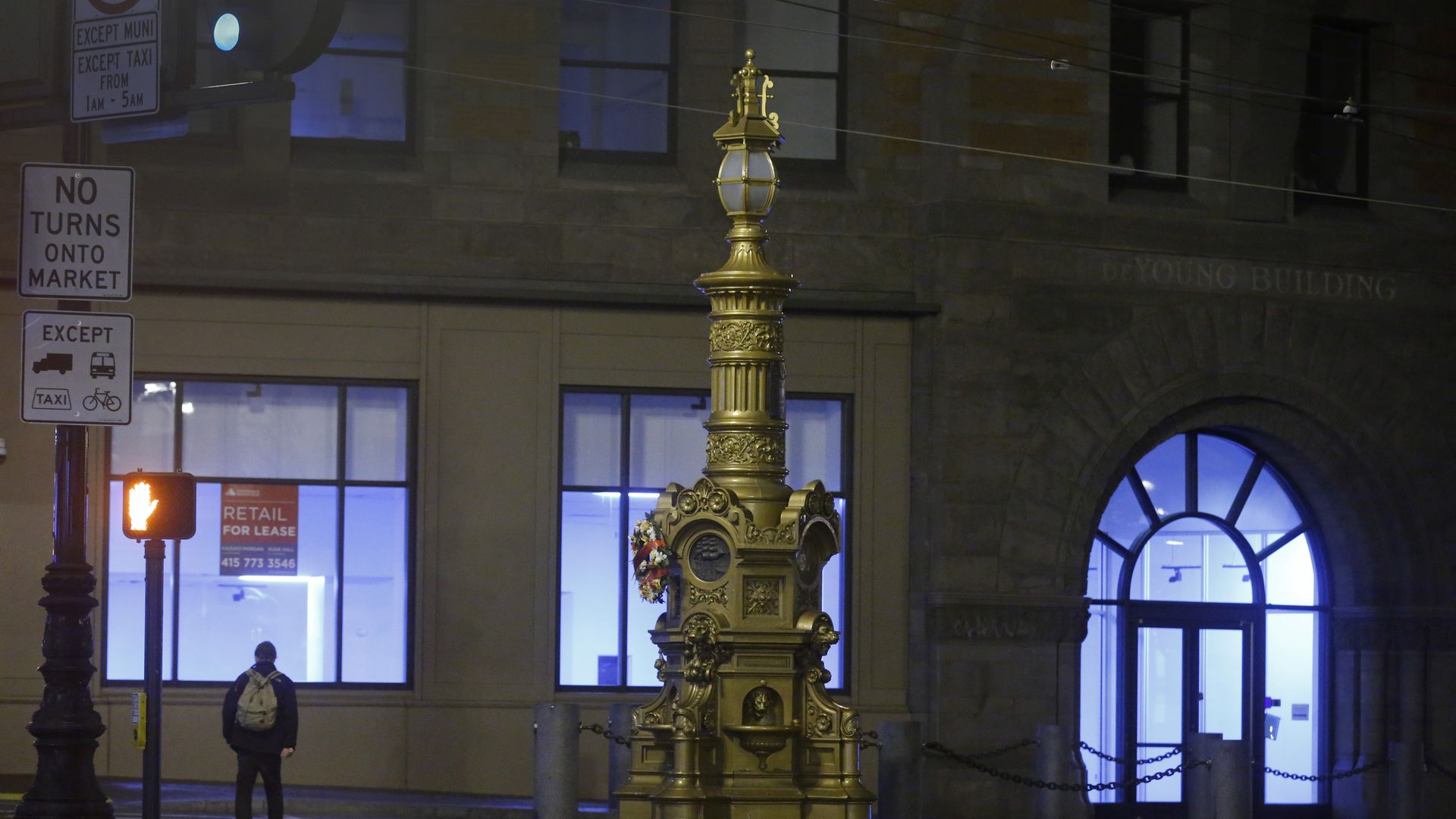
For the past century, San Francisco has hosted an annual pre-dawn commemoration of the 1906 earthquake at Lotta's Fountain, a historic gathering site where survivors once met in the disaster's aftermath.
- The event centers on a moment of silence at 5:12am — the exact time the earthquake struck — along with remarks, a singalong of the city's anthem and a siren ceremony honoring the lives lost.
If you're going, you can register for a free "Legacy Registry Ticket," which permanently records participants' names in the Guardians of the City Museum archives — offering a chance to be remembered as part of how we marked this milestone anniversary.
- For the first time since the 2006 centennial, a rare 1928 Kleiber Light Wagon 2 fire truck from the era will also be showcased.
If you go: 4:30am- 5:30am tomorrow at the intersection of Market Street, where Geary and Kearny Streets connect.
5. 1 fire hydrant to go:🚰 Our golden hero
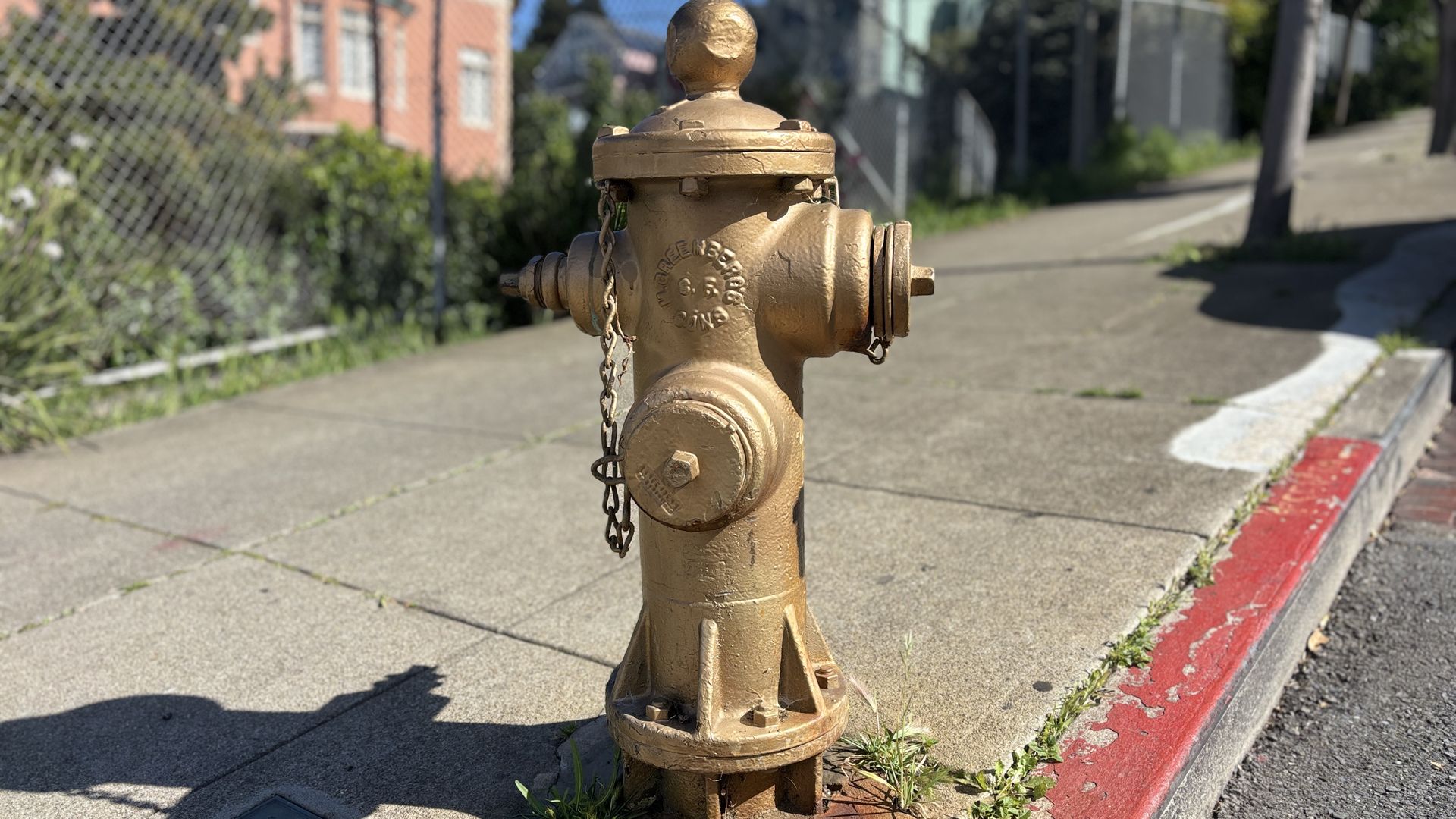
This small, yet incredibly important landmark on the corner of 20th and Church streets is no ordinary fire hydrant.
- In the chaos after the earthquake, much of the city burned for days due to the collapse of the municipal water system.
- Hundreds of miles of underground water mains were ruptured, leaving most of the city's hydrants dry.
But this lone functioning hydrant in the Mission became a lifeline that helped stop the flames.
- It's since become a symbol of resilience and is painted gold every year to honor the critical role it played.
Stop by: The city will host its annual painting of the "Little Giant" tomorrow at 5:45am.
🌄 Shawna is watching the sun rise in Jiufen, her favorite place on earth.
📖 Nadia is reading survivor accounts of the 1906 quake.
This newsletter was edited by Geoff Ziezulewicz.
Sign up for Axios San Francisco