Axios San Francisco

September 30, 2024

Rise and shine, it's Monday!
- Make sure to prepare yourself for the heat wave that's sweeping across the Bay Area this week.
Today's weather:☀️ Sunny. High in the low 80s, low in the 60s.
Today's newsletter is 845 words — a 3.5-minute read.
1 big thing: Uber's EV drivers need more spots to plug in

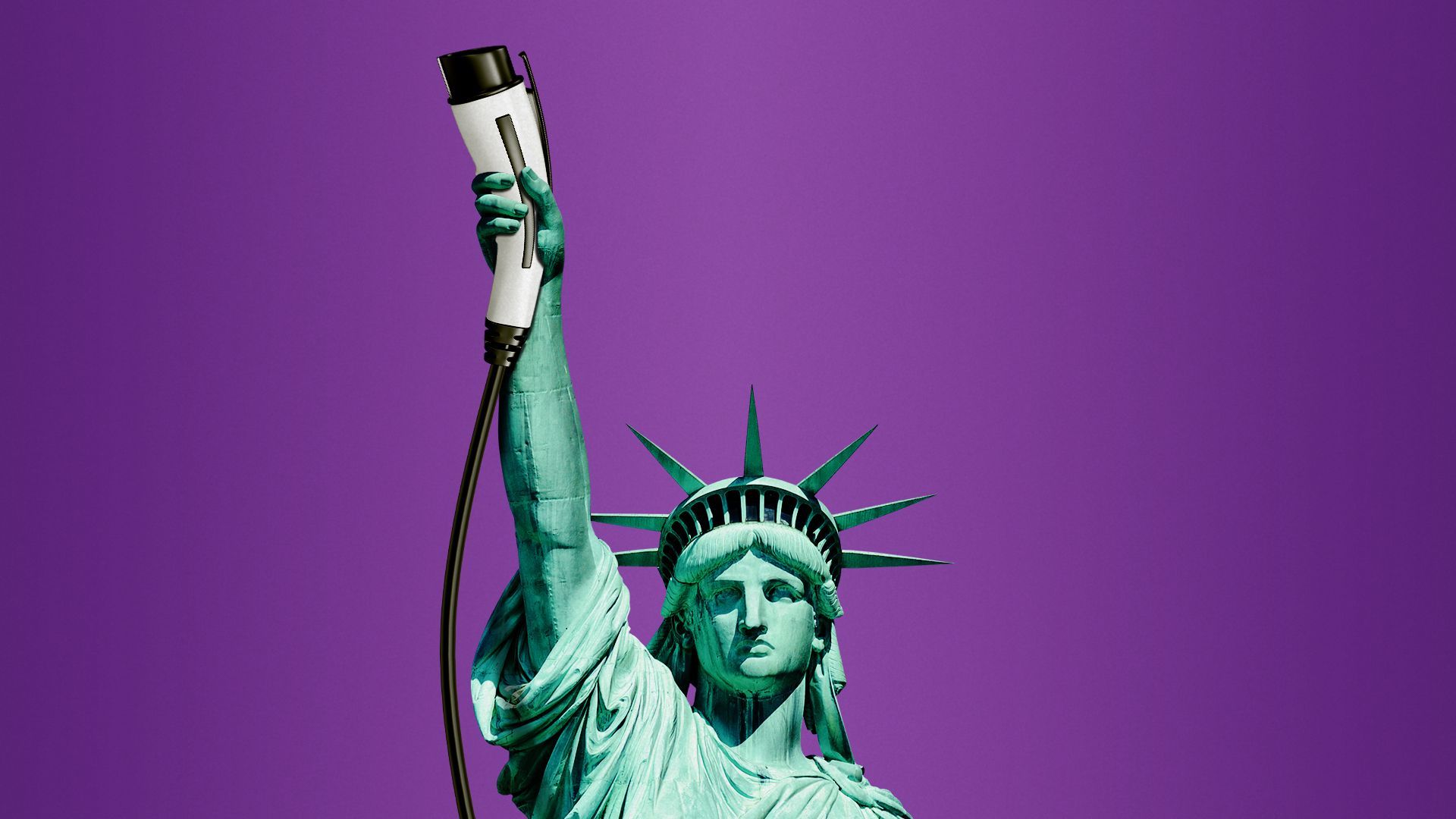
The push to electrify urban taxi and rideshare fleets has created a new issue: not enough charging infrastructure in cities like San Francisco.
Why it matters: While government funding is directed primarily to highway charging spots, dense urban centers stand to benefit the most from the shift to electric cars, trucks and buses — provided they have a place to charge.
The big picture: Rideshare drivers are going electric five times faster than the general public, according to Uber, whether due to government mandates or commercial incentives.
- An electric Uber or Lyft saves three times the carbon emissions of a personally owned EV because they rack up more miles, one study found.
Yes, but: Charging is an issue for urban rideshare drivers, many of whom live in multifamily housing and don't have access to charging at home.
- While many cities are rolling out curbside charging, it's relatively slow and best for overnight charging.
- In San Francisco — where about 25% of new cars sold are EVs — there are roughly 1,000 public EV chargers, but only 174 of them are fast-chargers. Mayor London Breed wants to double the number of fast-chargers by 2030.
Between the lines: Between land acquisition, permitting and utility upgrades, it can take several years for a fast-charging station to open.
- And the upfront capital costs are daunting: a single fast-charging stall can cost as much as $150,000.
- So there's a classic chicken-egg problem: Charging networks won't invest without enough EV customers and people won't buy EVs without reliable charging options.
Driving the news: With help from Uber and New York's electric utility, ConEdison, Revel is opening its first fast-charging hub in Manhattan — a project nearly two years in the making.
- ConEd helped pay for the project, which required a power upgrade, through its PowerReady incentives program.
- And Uber, which aims to be a zero-emissions platform in U.S cities by 2030, financially guaranteed a minimum level of utilization across Revel's network in exchange for 25% charging discounts for drivers.
What to watch: Revel plans to develop charging sites across the Bay Area.
Become a Newsroom Insider


Knowledge is power, and we believe in empowering our community through reliable, local journalism.
Join our membership program for just $50+ a year, and you can support our efforts to keep you in the know of what's happening around town.
- You'll get insider notes and other perks as a thanks.
Together, we can ensure our neighbors stay informed.
2. 🏢 It's raining glass
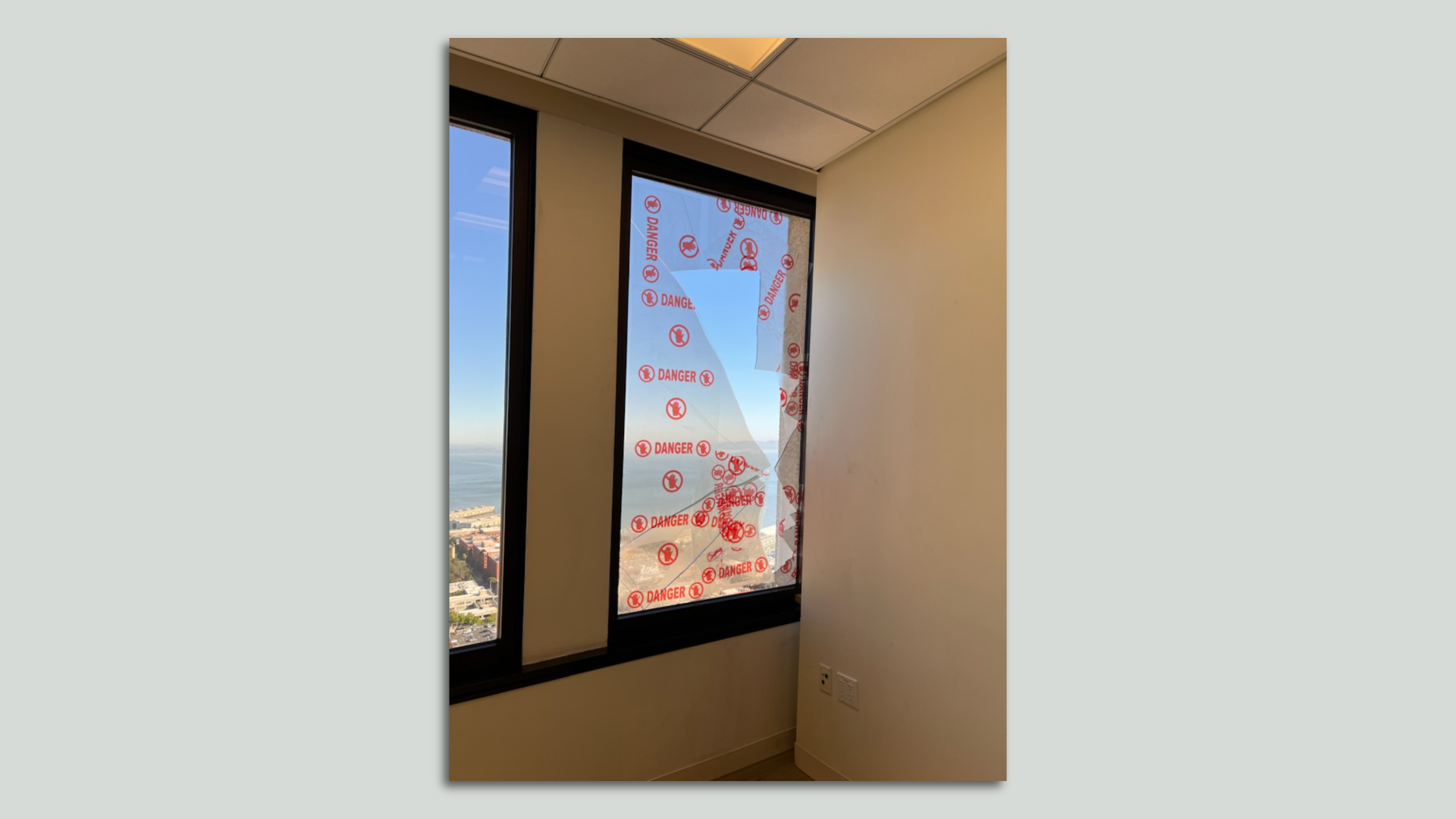
Broken glass fell from the Transamerica Pyramid last week after a window pane broke on the 35th floor of the newly reopened tower.
Why it matters: News reports say the shards narrowly missed a group of people near the skyscraper, which stands at 48 stories and 853 feet tall.
Driving the news: The pane of glass broke and fell into the street as they were being cleaned, according to the Department of Building Inspection spokesperson Patrick Hannan.
- A witness told the San Francisco Standard that over 20 pieces, which he described as the "size of business cards," hurtled toward the ground "like meteor strikes."
- A building inspector dispatched Friday morning later ordered the property owner to secure the opening and replace the glass as soon as possible.
What they're saying: A spokesperson for the Transamerica Pyramid told Axios via email that they are "thankful that nobody was injured and to the team on-site who responded quickly."
- The window has been boarded up and new glass will be installed next week, the spokesperson said.
Catch up quick: The Transamerica Pyramid reopened earlier this month after completing the first phase of its $400 million renovation — the single-largest investment in downtown since the beginning of the pandemic.
- The skyscraper isn't the only high-rise to suffer an incident with falling glass. A pane of glass also fell from the roof of the 30-story Salesforce East high-rise in early September.
3. 😢 An emotional farewell
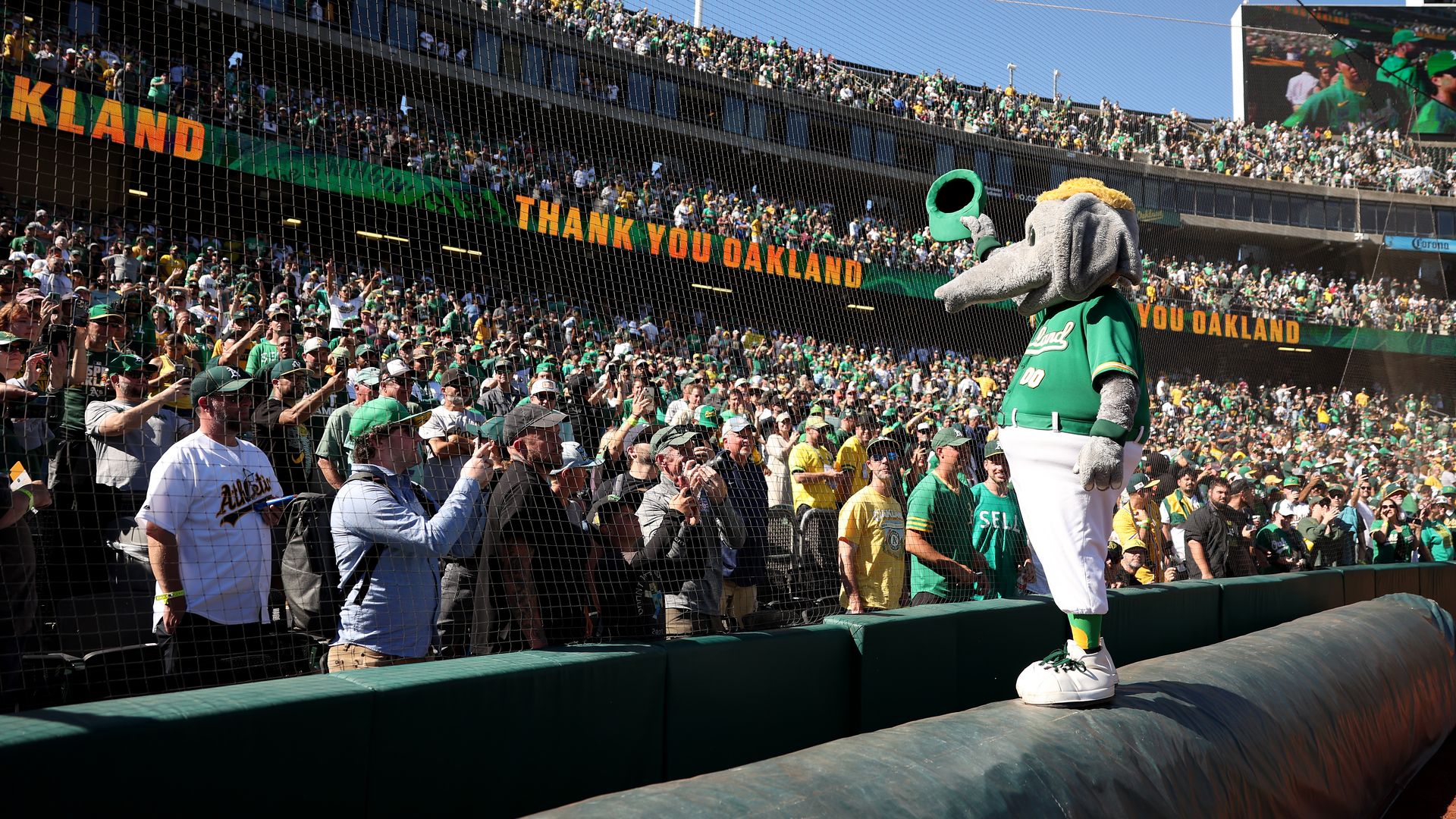
Rest easy, Oakland Athletics.
Why it matters: The A's final game at the Coliseum last week triggered a torrent of emotions. Everyone — from fans and players to sports writers and stadium workers — came together to make it an unforgettable curtain call.
Catch up quick: Owner John Fisher's desire to relocate the team to Las Vegas had led fans to launch a long-fought campaign to keep the A's home.
- That saga came to a decisive and bittersweet end last Thursday at the A's game against the Texas Rangers.
The vibe: Fans turned up at the Coliseum early in the day in full green and gold regalia. Chants of "Let's go, Oakland" soon roared throughout the stadium, as did some chants of "Sell the team" in a reference to Fisher.
- Former A's pitcher Barry Zito sang the national anthem while A's legends Dave Stewart and Rickey Henderson threw the ceremonial first pitch.
- A groundskeeper would later shovel up dirt from the infield for fans to take home, according to Bay Area sports writer Alex Espinoza.
What came next: The A's rallied to a resounding 3-2 victory, but it triggered more tears in the stadium, which was packed with almost 47,000 people.
- "There are no better fans than you guys ... Thank you for your lifelong support of the Oakland A's," A's manager Mark Kotsay, visibly emotional, said in an address to the crowd.
- He closed out by leading fans in what he called the "greatest cheer in baseball" — one final chant of "Let's go, Oakland."
🥺 Shawna misses seeing Megan's byline next to her own.
☀️ Claire is really feeling the heat with the weather right now. Time to head to the beach!
This newsletter was edited by Ross Terrell.
Sign up for Axios San Francisco
