Axios San Francisco

July 28, 2026

💼 Tuesday has arrived.
🌤️ Today's weather: Mostly sunny with highs near 70, lows around 60.
🎧 Sounds like: "Sober to Death" by Car Seat Headrest.
🏡 Help us keep your home news coverage strong by becoming a member.
Today's newsletter is 938 words — a 3.5-minute read.
1 big thing: Slowing it down around schools
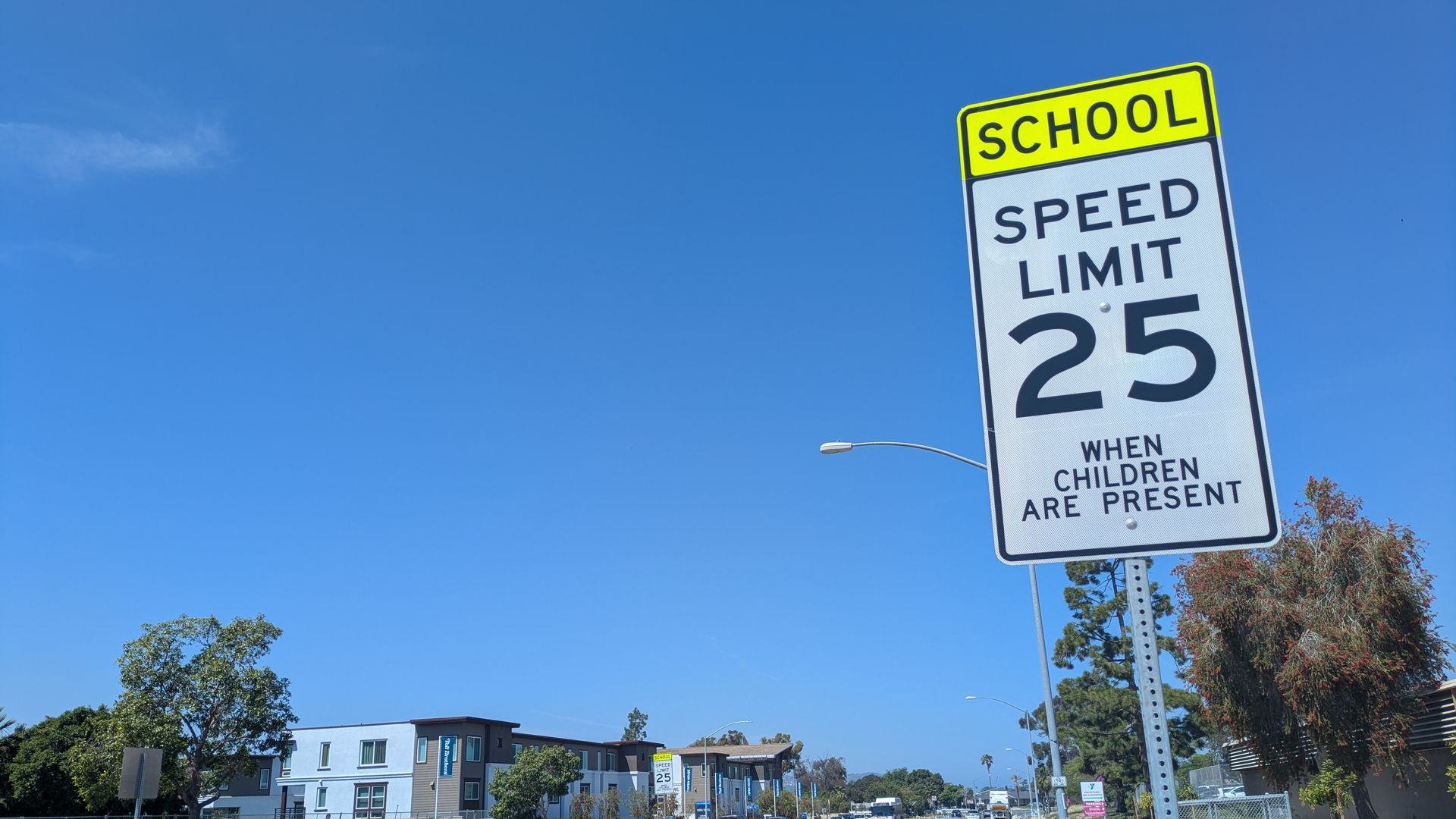
San Francisco will be rolling out lower speed limits around schools citywide ahead of the new school year, becoming one of the first California cities to take advantage of a new state law aimed at improving pedestrian safety.
Why it matters: Speed is one of the biggest factors in determining whether a traffic crash becomes fatal, especially for children walking or biking to school.
- City leaders say lower speed limits are a proven way to reduce severe injuries and deaths.
Driving the news: The San Francisco Municipal Transportation Agency last week announced a citywide initiative that will lower speed limits within 500 feet of every private and public school. It's expected to become a statewide standard by 2031.
- Streets with one lane in each direction will be posted at 15 mph.
- Wider, multilane streets will be posted at 20 mph.
- The first new signs will be installed near six schools at the end of summer break, with the rest of the rollout happening over the next two years.
- The schools are Dr. William L. Cobb Elementary School, Leonard R. Flynn Elementary School, St. Anthony-Immaculate Conception School, Jefferson Elementary School, Roosevelt Middle School and Ruth Asawa San Francisco School of the Arts, per SFMTA.
The big picture: The effort is enabled by a California law signed last year that gives cities more flexibility to lower school-zone speed limits from the longstanding 25 mph standard.
- Similar programs are launching across California, including San Diego.
Zoom in: The speed limit changes are one piece of a broader school safety push.
- SFMTA is also adding protected bike lanes, upgraded crosswalks and other traffic-calming improvements near schools, including around the new Mission Bay Elementary School.
- Officials also say the city's automated speed cameras — a program they plan to expand — have already reduced dangerous speeding as much as 90% in monitored locations.
What's next: Crews will begin installing new speed limit signs before the new semester begins next month, with the remaining school zones phased in citywide through 2028.
- Drivers in vehicles including autonomous ones must comply with the new posted limits once signs are in place.
2. 🦠 How to lower Cyclospora risk
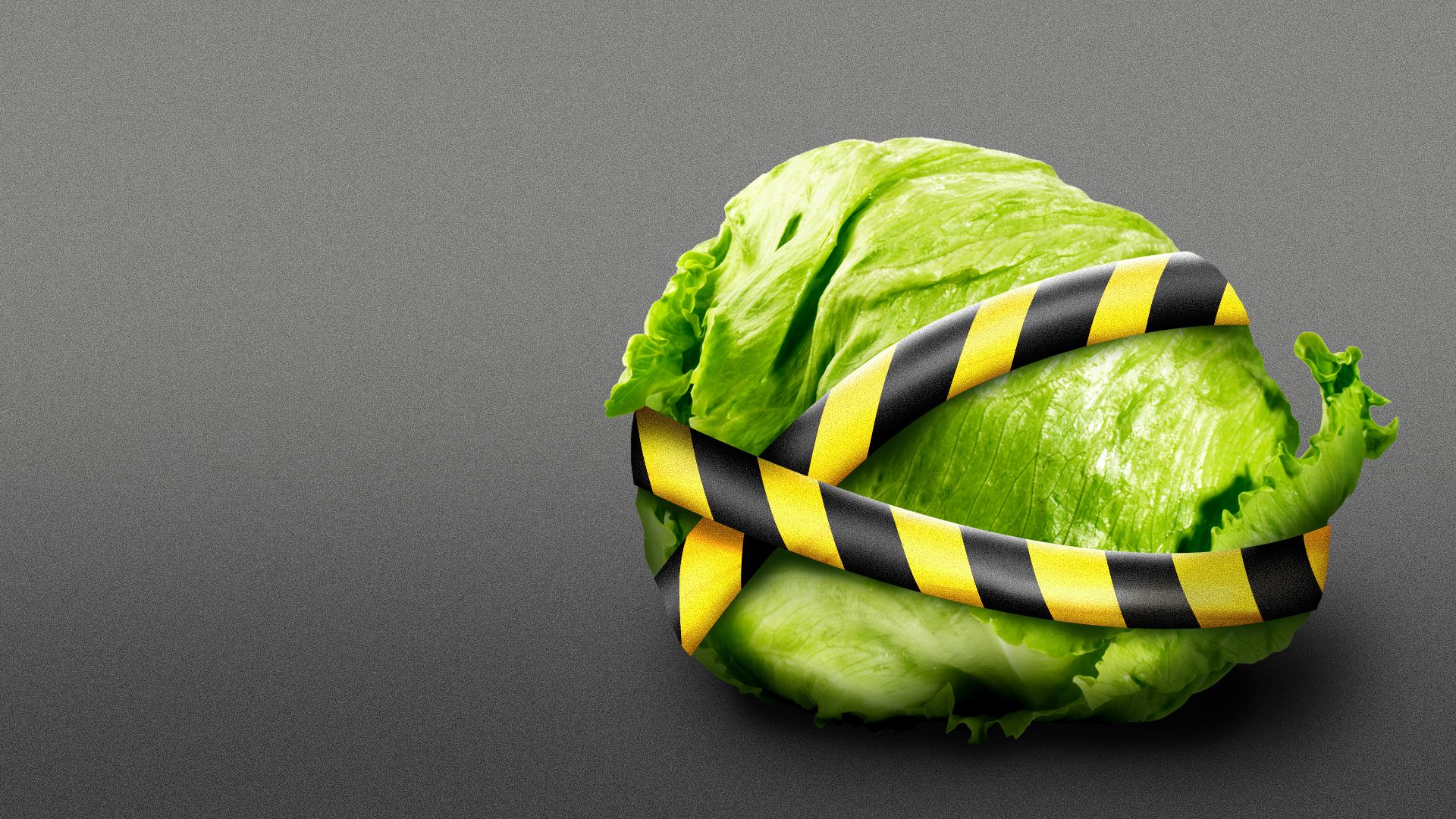
By now we've all heard the news that the Cyclospora outbreak is growing.
- While California has mostly avoided the worst of it, the rapidly spreading infection is raising questions about produce safety and whether washing fruits and vegetables is enough to prevent infection.
Why it matters: Cyclosporiasis can cause severe diarrhea, and experts say washing produce may reduce — but not eliminate — the risk of infection.
- Health officials say consumers should follow the some of the same basic food safety practices recommended to reduce the risk of Salmonella, E. coli and Listeria contamination — including avoiding bagged and precut produce for now and thoroughly washing fresh fruits and vegetables.
⚠️ Why the outbreak is spreading: The Cyclospora cayetanensis parasite is normally found in human waste and feces. It spreads when contaminated water is used to grow, clean or wash produce.
- The disease often reaches its peak during the summer months, with thousands of cases every year.
- Spread from human to human is unlikely, the CDC says. This is because the parasite's eggs — called oocysts — must live outside a person's body for one to two weeks to become infectious.
❌ What foods should you avoid: Health officials and investigators pointed to fresh produce as the main culprit, potentially including products from Taylor Farms, which are sold at Taco Bell.
- Avoid all bagged salads and produce until the main source is identified.
🥬 How to wash your veggies: Even if produce is labeled "prewashed" or "triple washed," rinse it again with warm water and soap for 20 seconds.
- You can also clean their vegetables and fruits with vinegar, baking soda or, in some cases, bleach to destroy the parasite.
3. The Wiggle: 🚓 SF's most ticketed cars
🅿️ The Chronicle has dug deep into voter records and data from SFMTA and the DMV to bring us a tally of the most-ticketed cars in SF over the past year.
- The most-ticketed motorist accrued more than 300 tickets that cost north of $30,000. (Chronicle)
🎭 Matthew Goudeau, San Francisco's new arts and culture leader shared his priorities for the city's creative sector, including more focus on art and less on bureaucracy. (Mission Local)
🇰🇷 South Korea President Lee Jae Myung was in SF this weekend and spotted on Pier 39, according to social media.
- He was in town for an AI summit, where a deal was announced between Nvidia and the South Korean SK Group to build data centers there. (KRON4)
4. Chart du jour: 🏋️ Among the fittest

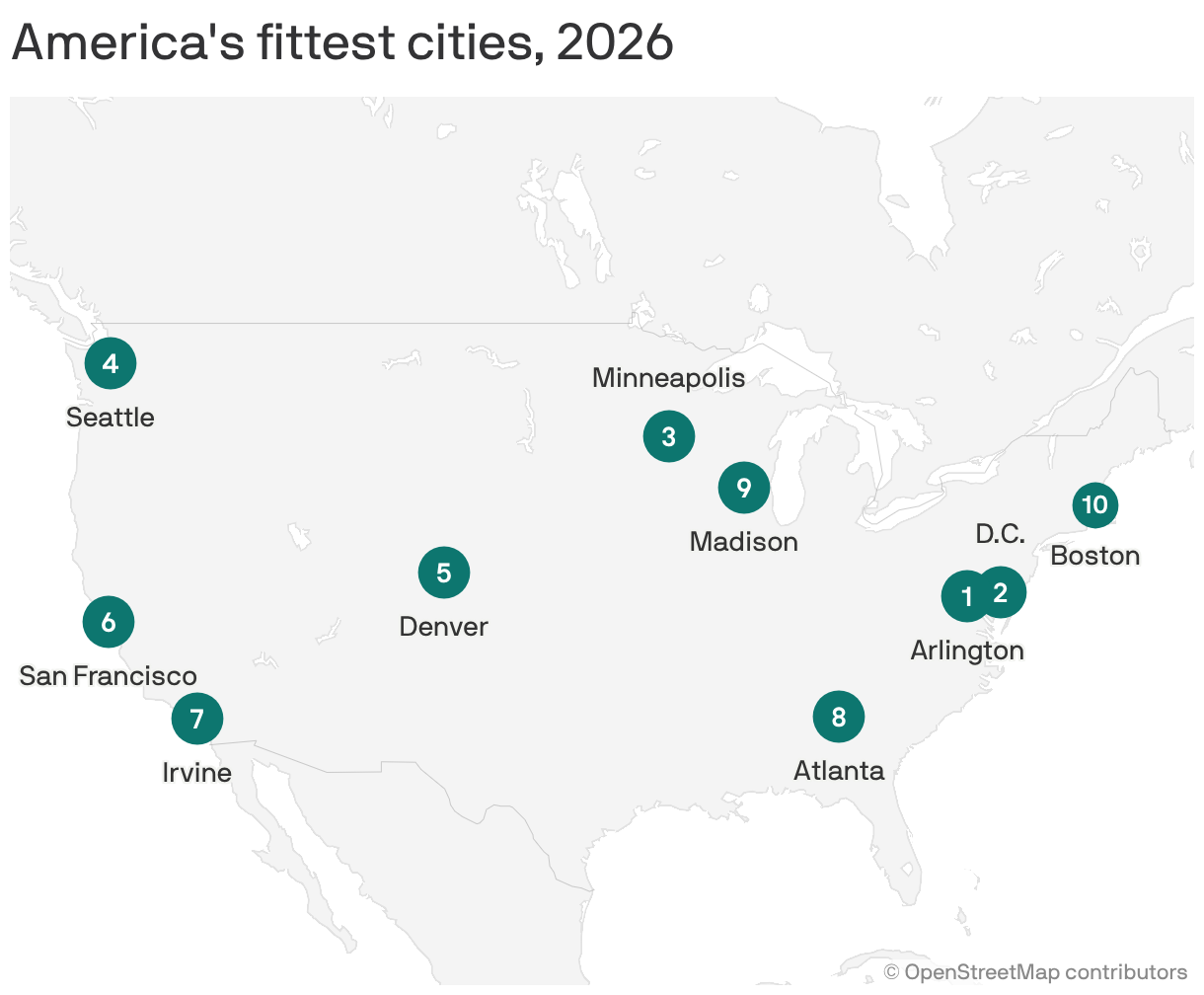
San Francisco ranks No. 6 on the 2026 American Fitness Index released this month.
The intrigue: We were No. 1 for how many residents (74%) met aerobic activity guidelines.
- And we were one of three cities where 100% of residents live within a 10-minute walk of a public park.
The annual list — by the American College of Sports Medicine and Elevance Health Foundation — ranks the 100 largest U.S. cities on factors including personal health behaviors, environmental conditions and community infrastructure.
- Zoom in: The top-ranked cities tend to have lower obesity and chronic disease rates, more walking and biking activity, and better parks and rec access.
Zoom out: The top three cities were Arlington, Va., Washington D.C. and Minneapolis.
- In the Bay Area, Oakland came in at No. 13 and San Jose at No. 15.
🍿Nadia just finished watching "Maximum Pleasure Guaranteed."
🗓️ Shawna is out.
This newsletter was edited by Geoff Ziezulewicz.
Sign up for Axios San Francisco