
Axios San Diego

March 24, 2026

Happy Tuesday to ya! It's National Cheesesteak Day, yum!
🌤️ Today's weather: Coast — Morning fog, then partly sunny. High near 70; Inland — Mostly sunny, high of 81
🌻 Help keep local journalism thriving by joining our membership today.
🎂 Happy birthday to our member Richard Elling!
Today's newsletter is 945 words — a 3.5-minute read.
1 big thing: Not so fast, lower speed limits
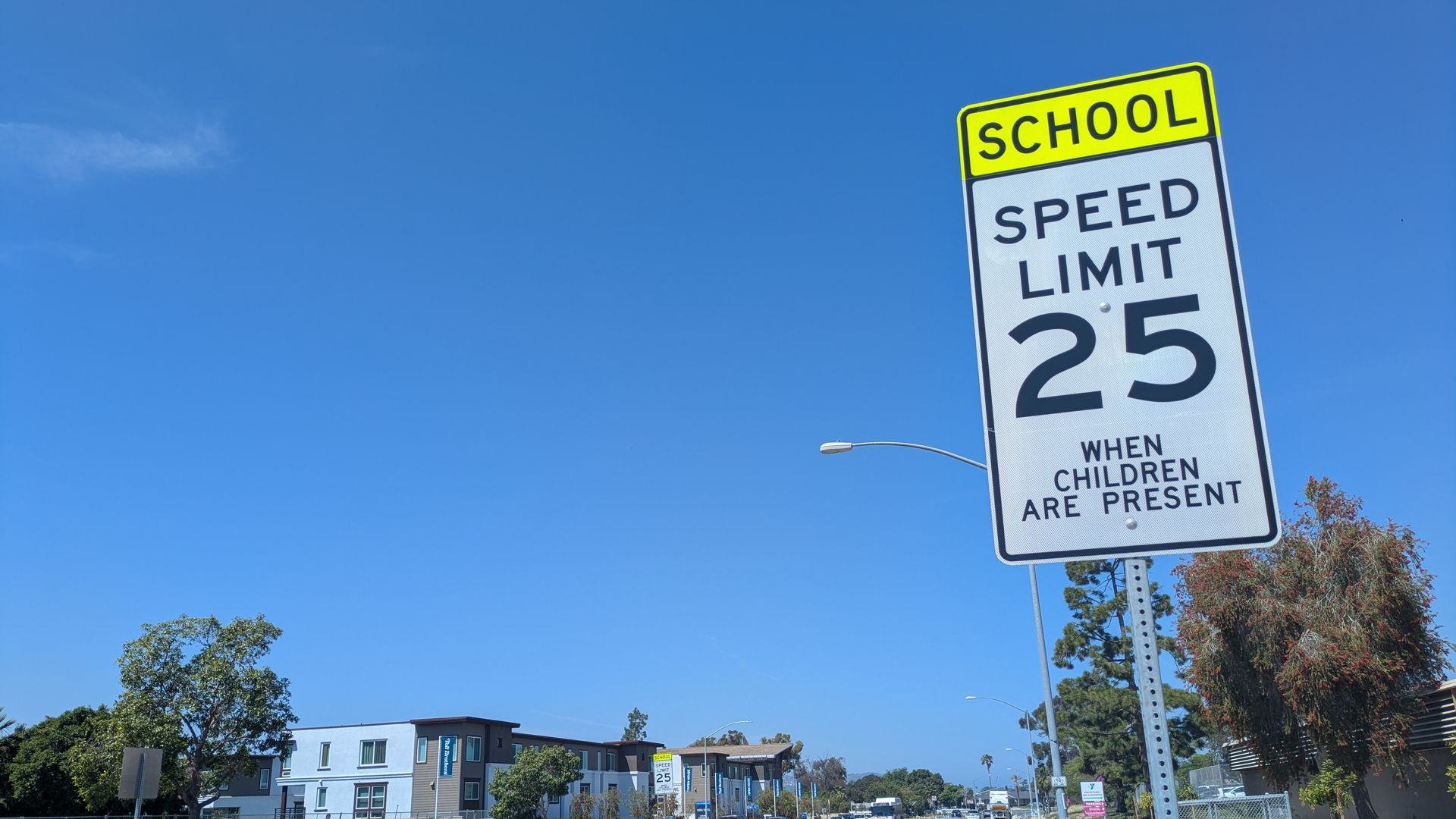
It may take at least a year for San Diego to lower speed limits on some streets following a City Council vote to improve traffic safety.
Why it matters: The council vote came after multiple children were killed by drivers, but the plan still needs millions in funding.
Driving the news: Those funds would come in July at the earliest in the mayor's next fiscal budget, and they may not make it into the budget at all.
- "It is premature to comment on specific funding requests," mayoral spokesperson Dave Rolland told Axios.
Catch up quick: On March 16, the council approved a plan to lower speed limits on 20% of roads, or about 680 miles.
- That came after new state laws allowed cities to cut speeds in business districts and school zones.
- Business districts can go down to 25 mph or 20 mph.
- School zones can go down to 15 mph, 20 mph within 500 feet, and 25 mph within 1,000 feet.
Yes, but: The new speed limit signs and the crews to install them will cost $2.4 million, according to a city staff report.
- The Transportation Department has asked for the money in the next budget.
- If that happens, the plan could be done in a year, the report said.
What they're saying: "The fact that the city is moving on this pretty quickly and the mayor has made this a priority for his department is a really good sign," Aria Grossman, a policy manager with advocacy group Circulate San Diego, told Axios.
The other side: Some speakers at the March 16 meeting disapproved of the changes, saying they could lead to more speeding tickets.
Context: Traffic safety gained new attention after 11-year-old Andrew Olsen was killed and two other children were injured at a San Carlos intersection in October.
- After Olsen died, the city added stop signs because of a special request from Councilmember Raul Campillo.
A year before the crash, the city had looked at 10 years of crash history and found 488 intersections "which may have an elevated risk of fatal crashes," per a city memo.
What we're watching: The mayor will publish his draft budget on April 15.
2. 🏫 Summer school signup opens
Free summer school enrollment is now open for all San Diego Unified students.
The big picture: This year, for the first time, every student up through sixth grade can get a month of full-day summer school, but they have to sign up.
Zoom in: Caregivers should have received an individual link yesterday to sign up their students by text, email or both.
- The program will run June 4-July 17, 8am-5pm.
- A credentialed teacher will give lessons in the morning, and then at noon kids will head to the PrimeTime after-school program.
- From July 6-17, kids will do full days of PrimeTime.
At least one elementary school in each cluster will offer the summer program. You can see the full list here.
State of play: SD Unified is also now asking parents to enroll new and returning students for next year online, a change from past years.
3. The Current: 🛫 Airports clogged up

✈️ Travelers are facing long TSA lines at the airport as the partial government shutdown continues, but no ICE agents have been deployed to SAN yet. (Union-Tribune)
🏘️ The county is building 60 tiny homes in Lemon Grove that will be transitional housing for unhoused individuals, with portable showers and a community kitchen. (NBC7)
💸 Senior year is getting more expensive for high schoolers as the total cost for things like prom, grad night, senior photos plus yearbooks can range from $700 to $1,400. (KPBS)
☕️ Kettle Ons' third cafe, opening in Oceanside next month as Kettle On Coast, will operate more like a restaurant than a coffee shop, with African and Mediterranean-inspired dishes. (San Diego Magazine)
4. Our first-time homebuyers are old
The city's typical first-time homebuyer is 35 — among the oldest for major U.S. metro areas, a recent Cotality analysis of mortgage applications shows.
State of play: That age is rising in pricey states like California — and falling in more affordable Midwestern and Southern markets, according to Cotality.
- "In areas like Hawaii, California and New York, people usually take longer to save for down payments and related costs, so they often buy homes later in life after building up more wealth than buyers in more affordable regions," Cotality principal economist Archana Pradhan tells Axios.
- The median age of first-time homebuyers in the U.S. has held relatively steady at 32, per Cotality, but a separate survey from the National Association of Realtors put that number at a record 40 years old.
Zoom in: High prices, near-6% mortgage rates, and a housing shortage are delaying homeownership, including here.
- Monthly home sales fell to their lowest level in at least 35 years in January because of affordability, economic concerns and low inventory, the Union-Tribune reported.
5. 🐸 1 frog to go
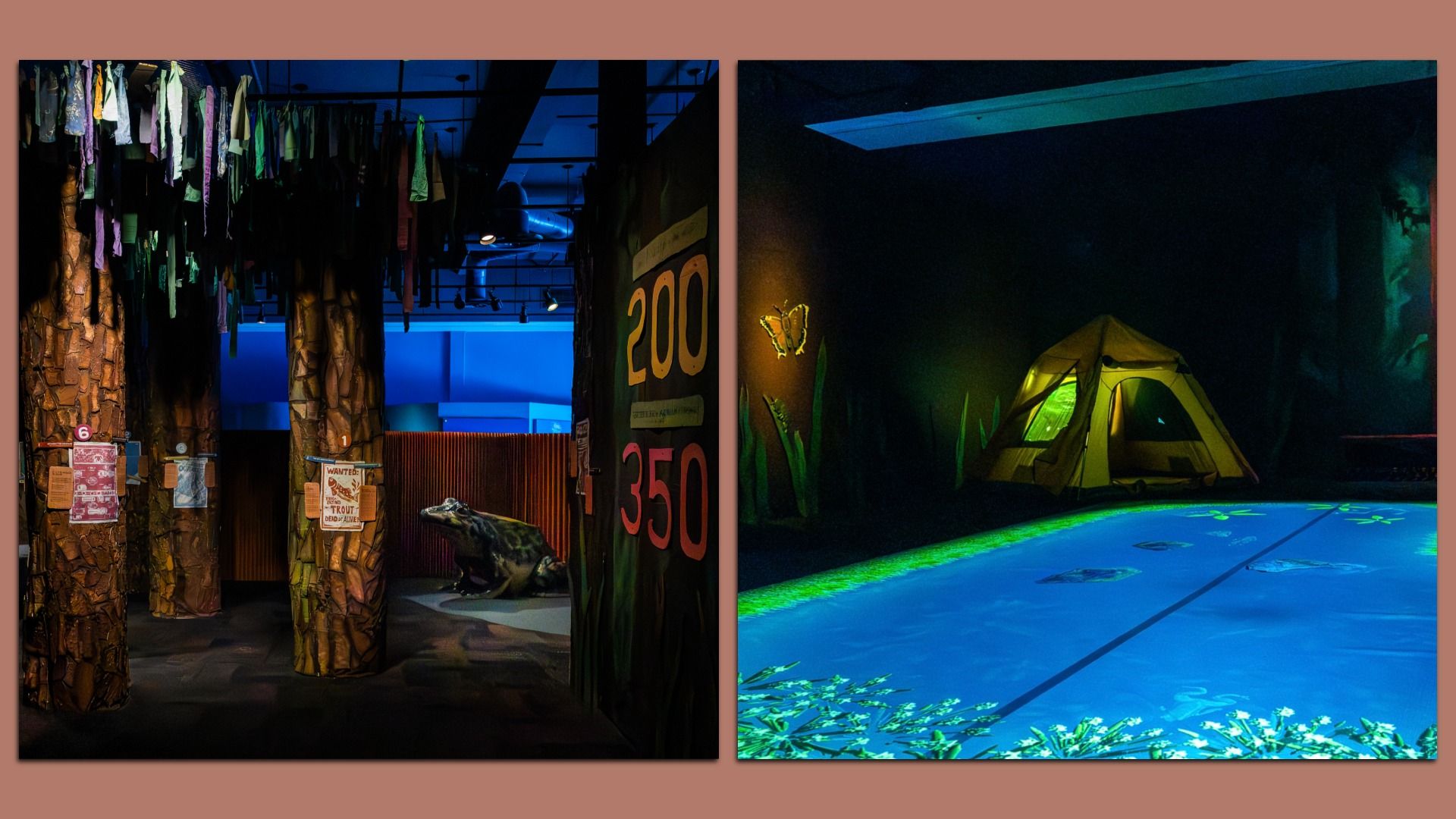
Birch Aquarium's newest exhibit lets you get up close to endangered frogs that live in California's mountains.
Zoom in: Imagine Wild: Mountain Yellow-legged Frog opened last week, where visitors can explore their habitat and learn about conservation efforts to save the species.
Fun fact: Birch Aquarium and the zoo have bred, raised and reintroduced hundreds of these frogs into the wild over the years.
🤤 Kate is celebrating with a cheesesteak at Gaglione Bros. tonight.
🩳 Claire finally caved and got her shorts out of the garage.
This newsletter was edited by Hadley Malcolm.
Sign up for Axios San Diego