Axios Portland

July 05, 2024


It's Friday! We're back, but then we'll be gone again for the weekend. What a weird week.
😓 Today's weather: Hotter than you think. High of 99, low of 66.
Situational awareness: An excessive heat warning remains in effect until Monday.
- Multnomah County has an interactive map of libraries, splash pads, pools and community centers to escape the sun. Check in on your neighbors.
Today's newsletter is 855 words — a 3-minute read.
1 big thing: Barred owls on the chopping block



To protect threatened northern spotted owls, the U.S. Fish and Wildlife Service is enacting a controversial plan to kill almost a half-million barred owls in the Pacific Northwest.
Why it matters: The strategy was developed to address the threat posed by the invasive barred owl to native northern owls and California spotted owls, according to the federal agency's Final Environmental Impact Statement released Wednesday.
Driving the news: A maximum of about 450,000 barred owls and barred owl hybrids in Washington, Oregon and California would be shot over three decades if the plan were fully implemented, the Associated Press reported.
- More than 15 years of study and review went into making the policy, Bridget Moran, Oregon Fish and Wildlife Office deputy state supervisor, told the Seattle Times.
Catch up quick: Barred owls are larger and more aggressive than northern spotted owls and have displaced the smaller species as they moved west, according to the impact statement.
- Competition from non-native invasive barred owls has been identified as a primary threat to the northern spotted owl — along with habitat loss.
By the numbers: An analysis found spotted owl populations declined by 2%–9% annually in areas with barred owl presence.
What they're saying: "Lethal removal of barred owls is the only population reduction method that has been proven to work in reducing barred owl populations, thereby improving spotted owl population response," the agency said in the final report.
How it works: Lethal removal would be accomplished by using recorded territorial calls to lure barred owls, then shooting the ones that approach, per the impact statement.
- Fish and Wildlife says the plan is designed to ensure a quick kill and minimize the potential for non-fatal injuries to barred owls and injury or death of non-target species.
The other side: In April, in response to a draft of the plan, a coalition of 75 advocacy groups spearheaded by Animal Wellness Action and Center for a Humane Economy wrote to U.S. Secretary of the Interior Deb Haaland saying that the owl-culling plan should be stopped, KOIN reported.
2. ☀️ Picking a "safe" sunscreen

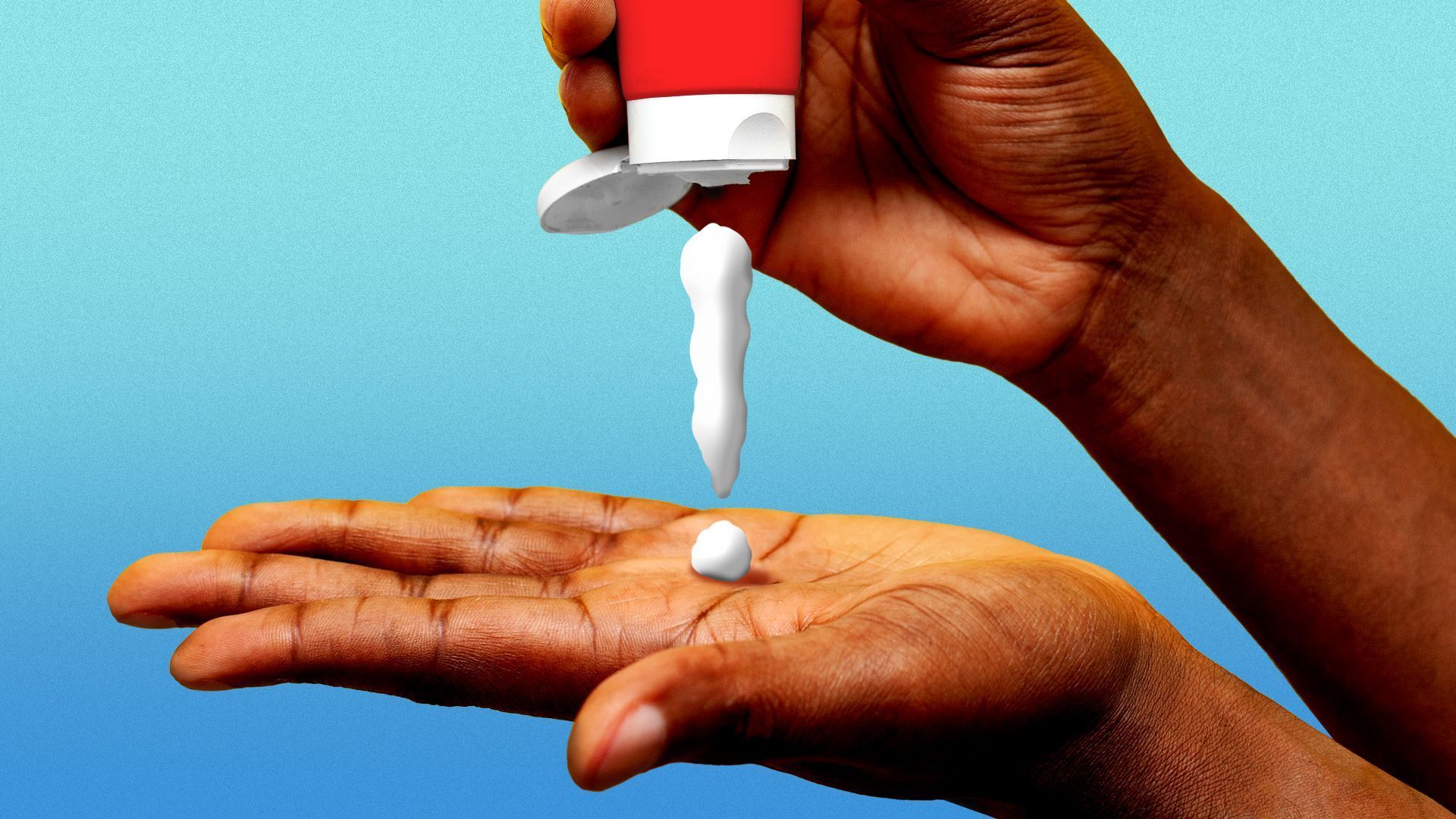
Sunscreen is recommended, but answering the question, "What ingredients are safe?" can lead you down an internet rabbit hole.
The big picture: "People on social media are saying, 'I don't need sunscreen,' which is not correct because there's very strong science that the sun is causing problems from skin cancer to sunburn to wrinkles," says Henry Lim, former president of the American Academy of Dermatology.
Zoom in: There were 1,081 new cases of melanoma reported in Oregon in 2021, according to the most recent data from the Centers for Disease Control and Prevention — a 24% decline from 2019, when new cases peaked over a two-decade period.
- Although melanoma accounts for only about 1% of skin cancers, it's responsible for the majority of skin cancer deaths.
Here's what you should ask before buying sunscreen:
What are the active ingredients?
- You might consider avoiding oxybenzone. It's the chemical sunscreen ingredient Lim says is most-discussed as potentially harmful, although there isn't conclusive data.
- The Environmental Working Group and others have raised concerns about it being an endocrine disruptor.
- Oxybenzone is also a possible allergen and can get absorbed into the body, according to JAMA. The National Oceanic and Atmospheric Administration warns that it can harm marine life.
Is mineral sunscreen an option?
- If you're pregnant, applying sunscreen to a baby or especially concerned about sunscreen absorption for any other reason, "then the safest option would be to use mineral sunscreen," Lim says.
- The active ingredients zinc oxide and titanium dioxide in mineral sunscreens don't penetrate the skin.
3. Rose City Rundown

🐀 Conservation groups plan to challenge the U.S. Fish and Wildlife Service's decision to deny federal protection for the red tree vole, which lives in treetops along Oregon's northern coast. (Oregon Capital Chronicle)
📉 Local employers Intel and Nike were in the S&P 500's top 10 biggest losers in the first half of 2024.
- Intel shares dropped 38% from Jan. 1 to June 30 mainly due to a $7 billion operating loss in Intel Foundry, its semiconductor manufacturing business, while Nike fell over 30% after it reported flat revenue. (Portland Business Journal 🔒)
🧑🚒 A Portland Street Response team ran to a fire station to alert firefighters to a SE Portland house fire while they were on hold with 911 on Tuesday. (KOIN)
4. 👵 1 stat to go: 10%

The Portland metro area's 65-plus population grew 10% between April 2020 and July 2023, according to a new census data analysis by The Oregonian.
📈 Why it matters: Portland's population is aging faster than the national average and isn't expected to hit its peak until 2050.
- Local organizations that provide social services for seniors are already overwhelmed by increasing demand.
😳 State of play: Oregon has one of the lowest birth rates in the country, meaning our population, economy and workforce are entirely reliant on in-migration for growth — although that doesn't look good either.
Stunning stat: People over 55 make up nearly 20% of Multnomah County's homeless population, per PSU estimates, a number experts anticipate will increase in the years to come due to lack of affordable housing.
👗 Meira is feeling inspired after watching the new Diane von Furstenberg documentary and wishes she had her outlook on the passing of time.
🍃 Joseph is bushwhacking in Veneta tomorrow, for one day only.
This newsletter was edited by Rachel La Corte and copy edited by Carolyn DiPaolo and Anjelica Tan.
Sign up for Axios Portland
