Axios Portland

October 01, 2026

π It's Thursday and officially spooky season. Dust off your cloaks.
π§οΈ Today's weather: Mostly sunny. High 77, low 56.
π Happy birthday to our member Sarah Wetjen!
Situational awareness: We're in Atlanta for an Axios Local retreat this week so we're bringing you some reporting from our colleagues across the newsroom.
Todayβs newsletter is 1,121 words β a 4-minute read.
1 big thing: π€ More houses on the market
Portland house hunters, circle Oct. 25β31 on your calendars.
Why it matters: That may be the best week of the year to buy a home, according to a new Realtor.com report.
By the numbers: Shoppers could find up to 32% more homes for sale than at the start of the year and face less competition than in spring and summer, per the real estate site.
- Plus, listing prices typically fall around 4% from their seasonal high β potentially saving buyers $14,000 on a median-priced home.
The big picture: "Home shoppers heading into fall will find an opportunity that has been hard to come by in recent years: more choices and less urgency," Realtor.com senior economist Hannah Jones said in a press release.
Yes, but: Mortgage rates near 7% and stubbornly high home prices continue to sideline many. For example, U.S. existing-home sales fell 2% in August, down 1.2% from a year ago, according to the National Association of Realtors.
- That tension is already playing out in Portland, where buyers have more negotiating power but not necessarily more buying power and are increasingly asking sellers for concessions.
The fine print: Realtor.com analyzed several years of seasonal housing data, including listing prices and inventory levels, to determine the best week to buy a home nationally and in the 50 largest U.S. metros.
- Mortgage rates weren't included.
The bottom line: Buyers may get a little more breathing room this fall β if they can clear the affordability hurdle.
2. Homebuilders add ICE to list of woes


In a new survey, homebuilders around the country say ramped-up Immigration and Customs Enforcement crackdowns are creating huge headaches for their businesses.
Why it matters: The labor strain comes on top of other challenges for the industry, including high mortgage rates and rising material costs.
What they're saying: "ICE is becoming a very large issue and causing labor shortages," says a Houston builder in a survey conducted earlier this month by John Burns Research and Consulting.
- A builder in Richmond, Virginia, says: "ICE has had significant impacts to vendors throughout Virginia/Maryland in the last 90 days. ... This has had a major impact on cycle times and the ability to start new houses."
- Jacksonville, Florida: "Current immigration enforcement efforts in our region are causing a strain on both the labor force, labor costs and cycle times."
Zoom in: The strains come after three straight months of record ICE arrests. In August, the agency said it arrested 50,925 people nationwide.
Zoom out: Immigration raids discourage legally authorized workers from reporting to job sites, Bill Owens, chairman of the National Association of Home Builders, recently said.
The other side: "ICE is not arresting people legally in the country," White House spokesperson Lauren Bis said, adding that "there is no shortage of American minds and hands to grow our labor force."
The big picture: Immigrants made up more than 26% of the construction workforce in 2024.
- That share rises to 57% among drywall workers and 53% among roofers, according to NAHB.
3. Rose City Rundown

βοΈ Councilors Mitch Green and Angelita Morillo are proposing a new policy that would exempt about 18,000 small businesses from the city's business tax and raise the CEO pay surtax on large public companies.
- They said the proposal could generate $72 million annually. (KGW)
β οΈ PBOT is adding speed cushions and concrete bike lane dividers along North Willamette Boulevard to slow drivers and protect cyclists, but some St. Johns residents said the changes are creating new hazards and complicating travel. (KATU)
π₯ Gov. Kotek said she would seek legislation on Day One of the next legislative session to make Oregon State Hospital a stand-alone agency after years of patient-safety and oversight problems. (The Oregonian)
𧬠Genentech broke ground on a $750 million Hillsboro factory expansion slated to open in 2031, a major manufacturing investment that state leaders are touting despite the state's recent weak job growth. (Willamette Week)
π₯ Village Pickle, a pickleball court and food cart pod in Multnomah Village, plans to open later this month with three indoor courts, a full-service bar, heated patio and six food carts. (Portland Business Journal)
4. π The wall colors poppin' off right now
Next year's home paint palette is getting greener and more adventurous.
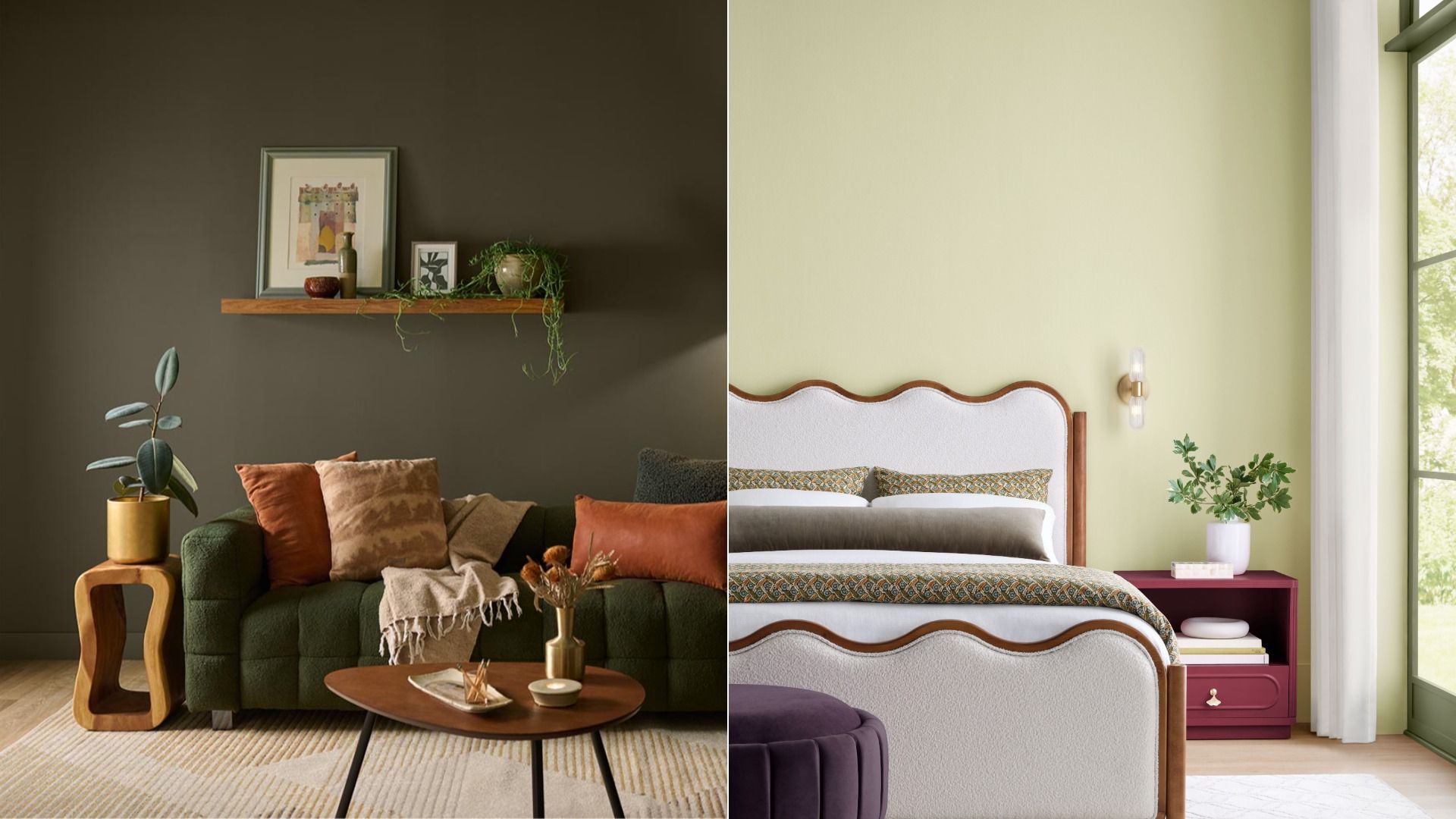
The big picture: Paint companies Behr, Valspar and Sherwin-Williams recently named their picks for the next big hues in home design.
- Behr chose Grounded, a "mossy olive," as its 2027 color of the year.
- Valsar went with Cottage Door, a comforting gray-blue.
- And Sherwin-Williams chose Celery, a pale green that looks just like, well, the vegetable.
What they're saying: ""Grounded reflects where we see home design heading: toward richer, earthier color with character and a sense of ease," Kayla Kratz, Behr's senior director of color and design strategy, tells Axios.
Meanwhile, celery is moving from the plate to the walls. Sherwin-Williams says the soothing shade taps into a growing appetite for wellness spaces.
- Its broader forecast includes bold jewel tones, sunbaked clays, deep blues and nature-inspired neutrals.
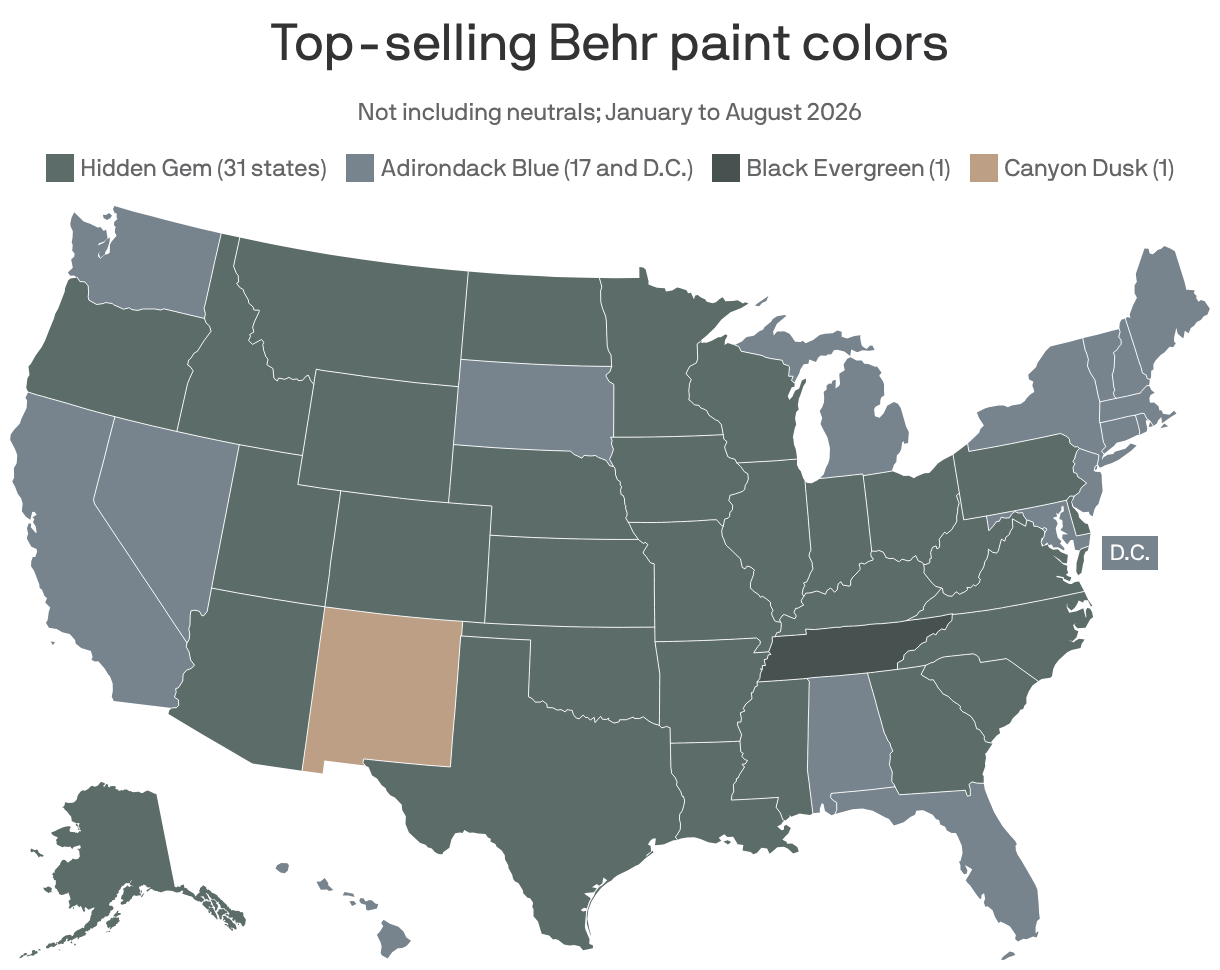
Between the lines: What people actually buy doesn't always match predicted trends. But Behr's 2026 selection β a "smoky jade" called Hidden Gem β was the top-selling non-neutral paint color in 31 states earlier this year, the company tells Axios.
5. πͺ΄ A few houseplant tips to go
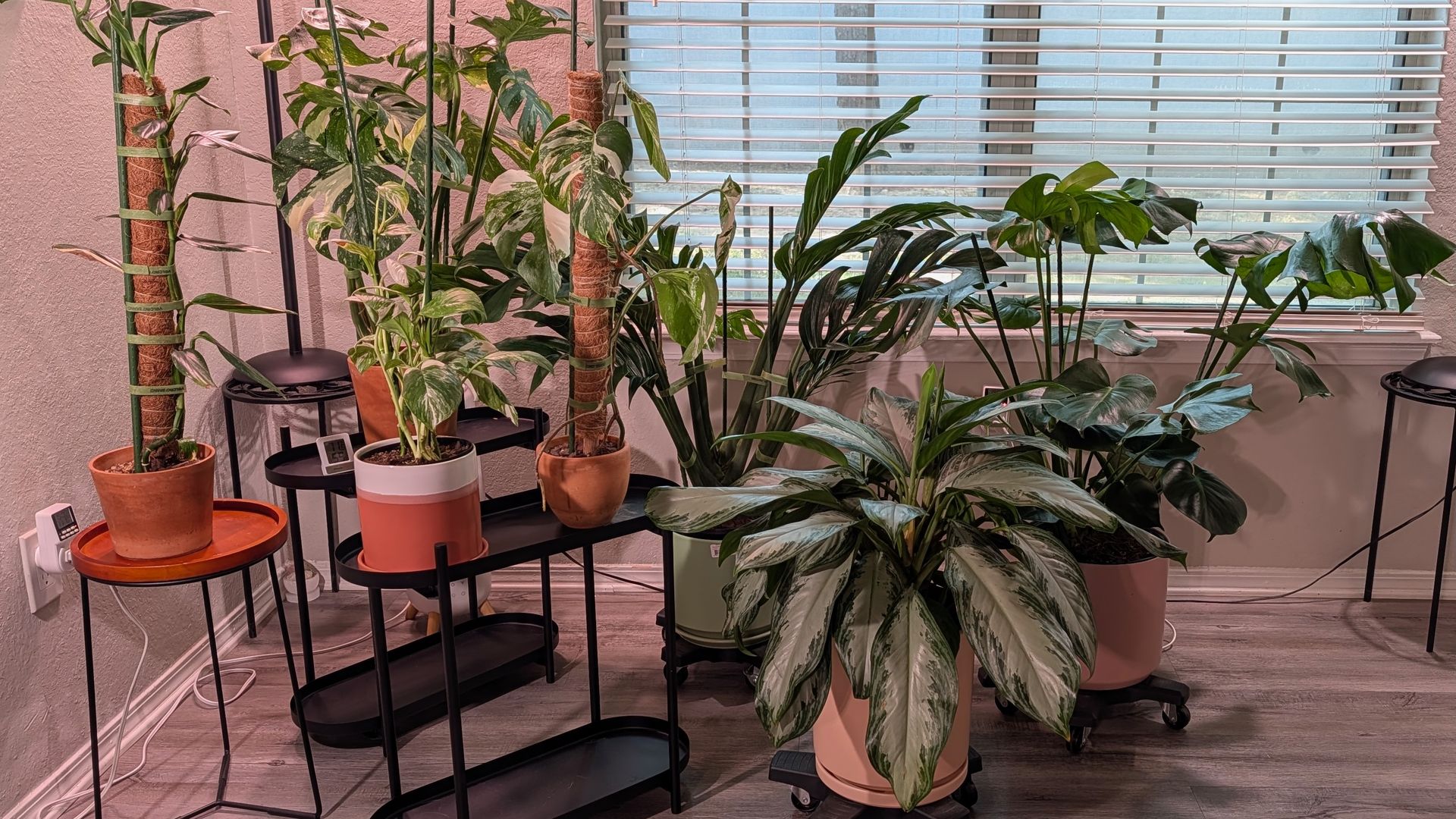
I've spent five years building my houseplant collection β or hoard, depending on the year.
- Since then, I've picked up a few tips and learned some hard truths about houseplants:
1. Isolate your new plants. It's a great way to not introduce pests to your existing collection.
2. Bottom watering rules. Bottom watering helps the roots really soak up water and dramatically cuts down on fungus gnats.
3. Buy grow lights. Remember learning about photosynthesis in school?
4. Don't buy that plant right now. Too many plants could increase your chances of getting pests.
5. Stick with plants that are best for your environment. Plants like ferns and calatheas require higher-than-normal humidity for them to thrive.
6. Some plants just die. Plants are living creatures and are also subject to sudden deaths.
7. Download a plant care app.
8. Toss that plant. If that plant is stressing you out or not bringing you joy, then get rid of it.
π¬ Meira is surprised the plants she bought during the pandemic are still thriving despite being largely neglected.
π¨ Kale is glad he had to paint his kitchen cabinets only twice to find the right color.
This newsletter was edited by Geoff Ziezulewicz.
Sign up for Axios Portland