Axios Nashville

April 08, 2026

🚕 Good morning! Robotaxis have hit the road in Nashville. Today we've got the latest local news from Waymo along with special coverage from Axios transportation correspondent Joann Muller, who breaks down this trend of the future.
🌤️ Today's weather: Mostly sunny, with a high of 76 and a low of 50.
Today's newsletter is 1,109 words — a 4-minute read.
1 big thing: Waymo launches autonomous car rides in Nashville

It's written on the first pages of countless sci-fi novels: driverless vehicles transporting people around a futuristic city.
- Well, welcome to the future Nashville, because autonomous taxis from Waymo began providing rides yesterday.
Why it matters: Nashville joined a growing list of cities where autonomous vehicles are operating.
Zoom in: Waymo describes itself as an autonomous driving technology company with the ambitious goal of being the world's most trusted driver.
- According to the company's stats, Waymo vehicles have been involved in fewer serious injury crashes and fewer crashes that require the airbag to be deployed compared to old-fashioned human drivers.
- Of note: Waymo says its "drivers" have been involved in 13-times fewer crashes leading to injuries to pedestrians.
Driving the news: Waymo rides can be requested through the company's app. The company also plans to offer Waymo rides through the Lyft rideshare app later this year.
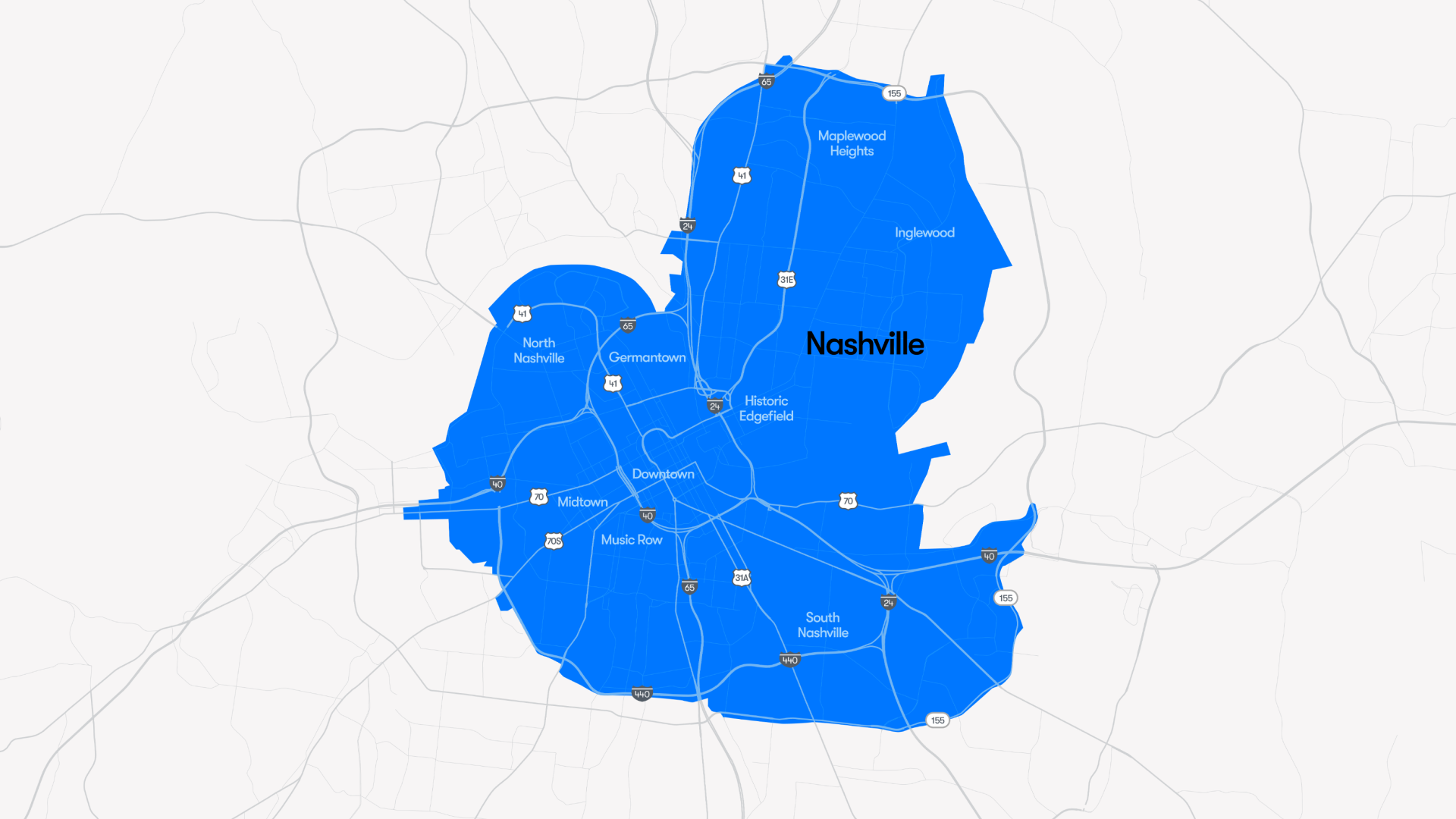
- Waymo provides rides in a 60-square-mile area roughly centered on the urban core.
- Before offering rides, the cars were on Nashville streets doing practice runs.
What he's saying: "As Nashville continues to grow, Waymo is proud to support that momentum by providing a safe, reliable, and magical way for locals and visitors to experience everything the city has to offer," Waymo co-CEO Tekedra Mawakana said in a press release.
What we're watching: Metro launched a new section of hubNashville for feedback on autonomous vehicles. Minor hiccups were reported during testing.
2. Waymo speeds across America
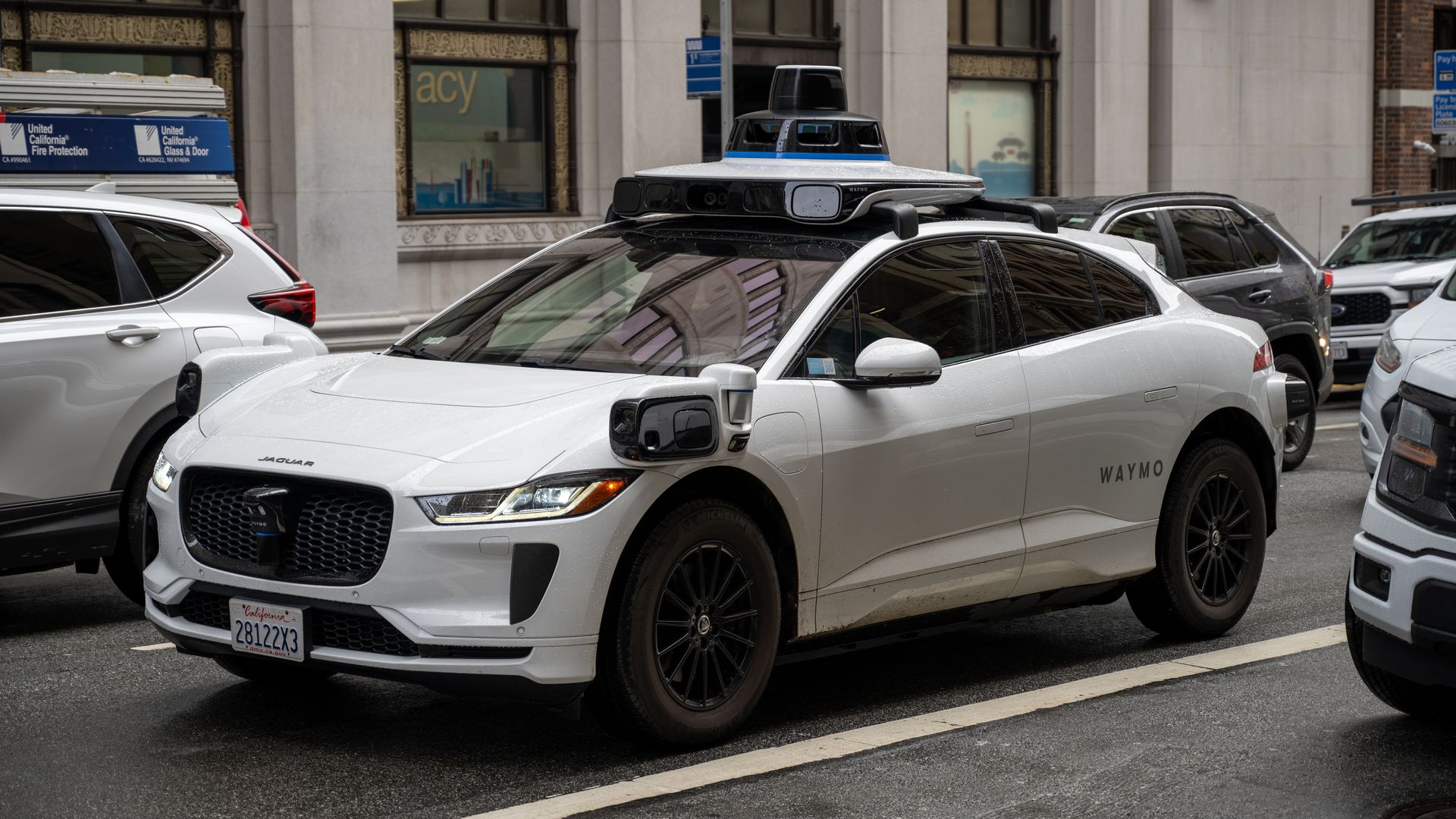
Armed with $16 billion in fresh capital from parent Alphabet and others, Waymo is quickly extending its lead over other players like Tesla and Amazon-owned Zoox, which are still mostly in testing mode.
The newest markets are Dallas, Houston, San Antonio and Orlando.
- The service will start slowly, with riders invited on a rolling basis until Waymo adds more cars to its fleet and scales up necessary operations like vehicle charging, service and maintenance.
- By later this year, it will be more widely available, Waymo says.
By the numbers: Waymo is laying the groundwork for service in at least 20 cities, and is on track to provide more than one million driverless rides per week by the end of the year.
What we're watching: Basic operational challenges — such as charging and maintenance — could constrain network growth.
3. Why Waymo could face roadblocks
Misreading local politics could foil Waymo's ambitious growth plans, erasing the giant lead it has over competitors.
State of play: While self-driving cars are permitted in about half the country, the laws would have to be changed in places like Washington, D.C., and New York, where a human operator is still required behind the wheel.
- In other states, the law is silent on driverless cars, which means it's open to interpretation — and debate.
- More worrisome for Waymo, potentially: City leaders in some places, including Boston and Seattle, are proposing new ordinances that would prohibit autonomous vehicles.
The intrigue: Waymo replaced its global head of public policy last year to deal with the mounting headwinds.
- Justin Kintz previously led the policy team at Uber during its early growth period, when the ride-hailing network was unwelcome just about everywhere.
- At Waymo, he will likely draw on that experience to try to push local legislation that is more favorable toward robotaxis.
What they're saying: "The biggest hurdle Waymo faces is not understanding local politics," says AV policy expert Grayson Brulte, founder and CEO of The Road to Autonomy, a strategic advisory firm.
- "They're going into markets where the policy is not ready yet," he said.
- It can take years to pass new legislation in many states, which could delay Waymo's plans.
4. Robot vs. human

A Waymo robotaxi incident outside a California elementary school in January suggests an AI brain would react faster than a human, but it's not that simple.
The big picture: This incident fits into a much larger debate about whether autonomous vehicles can match — or exceed — the safety of human drivers.
- People fear self-driving cars, yet nearly 40,000 people are killed each year in traffic accidents involving human drivers.
- The answer to that question is crucial to winning the public's trust as robotaxis spread quickly across America.
Catch up quick: The National Highway Traffic Safety Administration is investigating after a Waymo robotaxi struck a child who ran across the street from behind a double-parked SUV.
- Police said first responders evaluated the student, with her parent present, and did not report any injuries.
The intrigue: Waymo claims its driverless vehicle behaved as expected, slamming the brakes as soon as it detected the child, slowing from 17 mph to under 6 mph before making contact.
- A "fully attentive human driver" in the same situation would have hit the child at approximately 14 mph, according to Waymo's computer modeling.
- "This significant reduction in impact speed and severity is a demonstration of the material safety benefit of the Waymo Driver, " the company wrote in a Jan. 28 blog post.
Reality check: Reacting quickly isn't the only way to avoid crashes, safety experts tell Axios. Context, judgment and driving experience matter, too.
- Young drivers have quicker reflexes, for example — but old drivers have much better safety records, notes AV safety expert Philip Koopman, emeritus professor at Carnegie Mellon University.
- A careful, competent human driver would have avoided a panic stop in the first place by adjusting their driving behavior amid the chaos of school drop-off — or taking a different route altogether, he argued.
5. 🚘 What it's like to ride

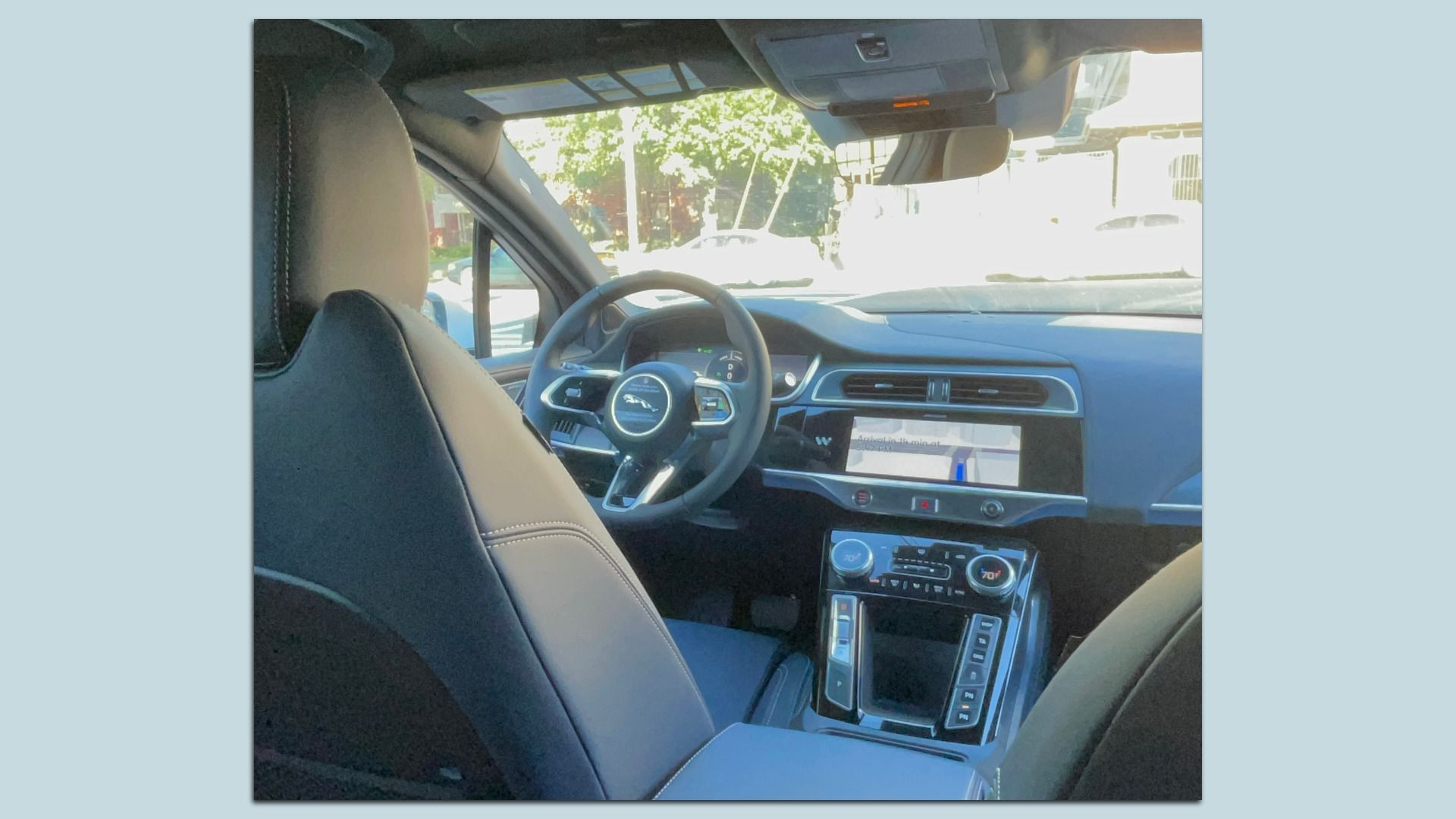
👋 Axios Nashville managing editor Mike Szvetitz here. Growing up, I dreamed about a future with flying cars. Back in October, I experienced the next best thing: a self-driving Waymo.
Why it matters: It was awesome.
How it worked: I ordered an Uber in Atlanta like normal, and it connected me with the closest "driver" in my area.
- When the Waymo pulled up, I got a notification on my phone asking for bluetooth access so I could unlock the doors.
- Then it played a message reminding me to buckle up and not touch the steering wheel or pedals.
- You can also pick the music and control the climate and other ride functions on a tablet.
Thanks for reading! If you enjoyed this dispatch, be sure to sign up for Joann's weekly Future of Mobility newsletter.
- Nate and Adam will return to regular programming tomorrow.
Sign up for Axios Nashville
