Axios Markets

October 21, 2024

👋 Hi, welcome back! Today we're looking at why people feel lonely at work — no, not because their coauthor is off in Japan.
- Plus, a new source of funding for climate tech companies, and we honor the passing of a pioneer on equal pay for women. All in 1,120 words, 4.5 minutes. Let's go!
🪧 Over the weekend Boeing reached a tentative deal with its union that could end a strike that's stretched on for more than a month — rank-and-file members are set to vote on it this week.
1 big thing: Why workers feel lonely no matter where they work
Here's a puzzle: Working from home appears to make people feel more alone, but forcing them back to the office full-time won't necessarily make them feel better, according to new research published in the Harvard Business Review.
Why it matters: Loneliness is a huge societal issue with often devastating health and cultural fallout, as the U.S. Surgeon General has warned — and in the workplace it can be particularly damaging.
- Lonely workers are less productive, rack up higher health care costs, and are more likely to quit their jobs, says Constance Noonan Hadley, a professor at Boston University's Questrom School of Business, who co-authored the study.
Zoom in: Lonely workers want to feel closer or more connected to colleagues. The researchers defined work loneliness as "the distressful experience of having a higher desire for social connection than what is subjectively experienced while working."
- They surveyed 1,000 full-time office workers, aged 22-50, working in "knowledge" fields like finance, software engineering and consulting.
- After taking an assessment (you can take it here), respondents were divided by levels of loneliness: high, medium and low. A smaller group was then asked more qualitative questions.
What they found: Surprisingly, the loneliest workers are getting a lot of face-to-face contact, but it doesn't seem to help: 47% of the most lonely respondents said they conducted nearly half of their prior month's work in person.
- There was no difference in loneliness between those in-office full-time and those working a hybrid schedule. While fully remote workers, on average, were slightly more lonely — other factors were more impactful.
State of play: What matters the most, per their research, is the number of social opportunities workers have. The second most important factor is people's level of extroversion (with introverts feeling more alone).
- People of color were also more likely to feel lonely — that tracks with other research showing Black and Hispanic workers feel more isolated in the workplace.
- On the other hand, employees who are also caregivers were less likely to report loneliness. (Perhaps for some parents the alone time at work is a blessing.)
Yes, but: Clearly, working on your own at home is a more lonely experience than being in an office.
- 25% of fully remote U.S. workers reported feeling lonely in a Gallup survey earlier this year. The number was 16% for folks who never worked from home.
The bottom line: It's too simplistic to say that remote work is the cause of worker loneliness or that sending workers back to the office five days a week will fix the problem, says Hadley.
- "We're over-indexing on remote work as the culprit," she says.
2. Three ways companies can combat loneliness

There's a lot that employers can do to make workers feel less alone, says Hadley, who also founded the Institute for Life at Work. Some of her tips:
1. Measure the problem: It's hard to fix an issue if you don't know how widespread it is. Employers can survey workers to get a feel (keep it anonymous).
2. Allow for work-life balance: Folks can't connect if they're overworked. In Hadley's study, several lonely workers said they were too busy for social interaction. "You cannot keep people working at 110% capacity and also ask them to take a moment to get to know their coworkers," she says.
3. Facilitate socializing: It doesn't have to be anything crazy or cringe. Lunches, chitchats and some happy hours are among the activities that get you the "most bang for your buck."
3. Green tech's camo moment


Startup companies in the climate technology space are increasingly turning to one source of funding they'd long avoided: the military.
Why it matters: Facing a slowdown in venture capital, they're less picky.
- Military spending on resources such as batteries, low-carbon fuels, on-site power, and electric vehicles has become a vital source of capital for this burgeoning industry.
Follow the money: A crop of climate startups are pursuing grants and contracts that can range from a few hundred thousand dollars to tens of millions.
The big picture: The Defense Department accelerated its contracting with Silicon Valley startups, including climate-focused firms, in 2022, after Russia invaded Ukraine.
- The use of off-the-shelf drones to hobble multi-million dollar tanks and aircraft was a wake-up call that the agency needed to look beyond its usual corporate partners, the Lockheeds and Raytheons, to the startups pursuing such tech.
- Climate startups working on more efficient fuels, silent electric vehicles, tough advanced materials, and resilient on-site power soon found themselves in demand.
Flashback: The military deals mark a reversal from the past when the sector's founders tended to avoid the Pentagon and its bureaucracy.
Zoom in: To tap into the flow of federal funds, climate tech companies have had to reframe their approach.
- Instead of talking about greening the economy or fighting climate change, the focus is on national security and energy resilience.
Case in point: Sage Geosystems has secured a U.S. Navy grant and Air Force contract this fall.
- The Houston-based geothermal energy developer tailored its Pentagon pitch by describing how on-site power generation and storage would reduce base reliance on vulnerable electric grids.
- "It's not about green energy goals. It's security of energy," CEO Cindy Taff said in an interview.
For more on the dealmaking in the climate industry, get Axios Pro Deals.
4. Remembering an equal pay champion
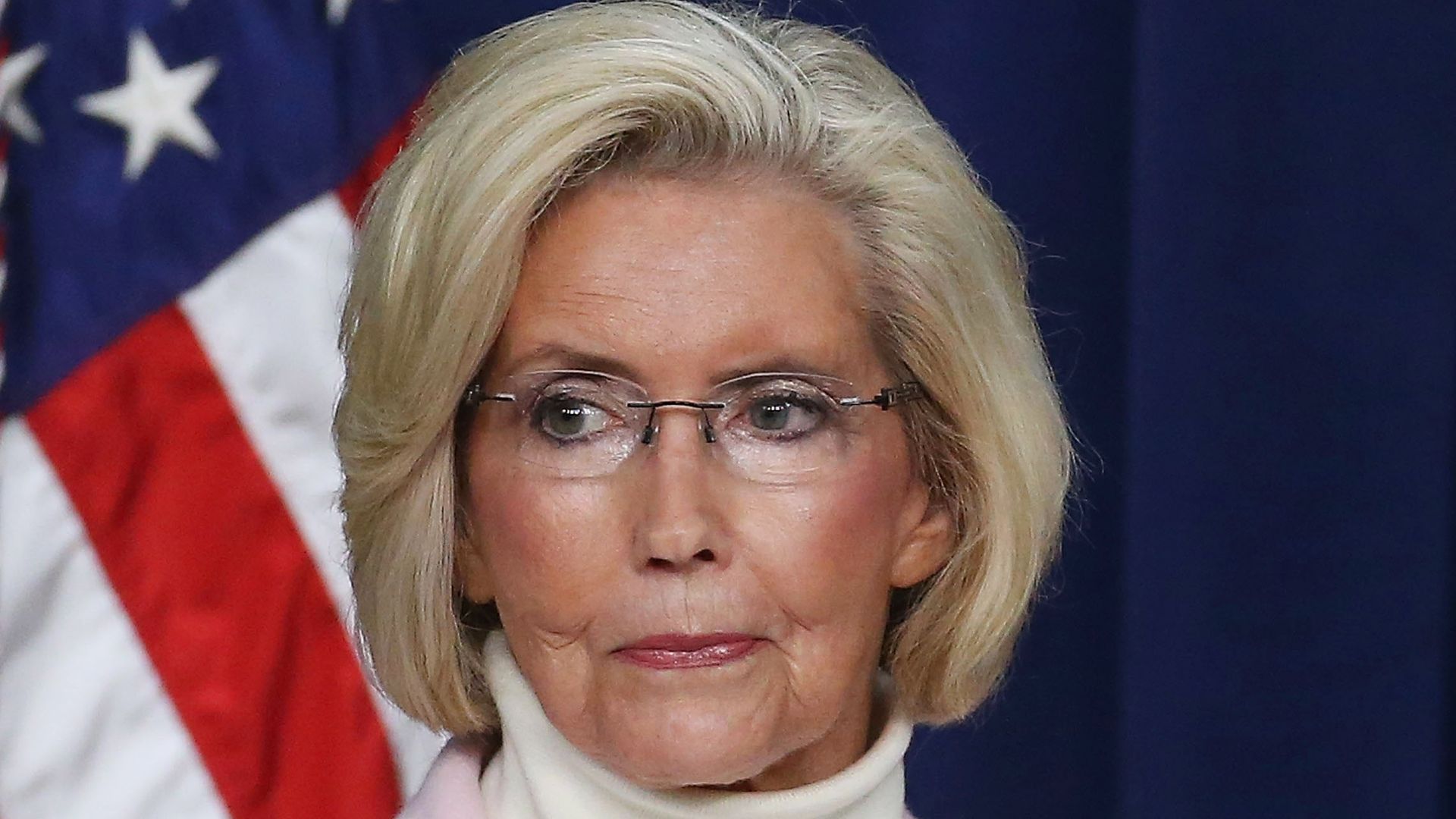
While we were out last week, we learned that Lilly Ledbetter died at age 86.
The big picture: She was a feminist pioneer whose pay discrimination lawsuit against Goodyear led to the 2009 passage of an equal pay law.
Catch up fast: After years working at a Goodyear factory in Alabama, Ledbetter learned — via an anonymous note — that her male coworkers were paid a lot more. She filed a pay discrimination lawsuit that made its way to the Supreme Court, where she lost a 5-4 decision on a technicality.
- The court ruled that the statute of limitations had run out on her claims because she didn't file suit until years after the pay discrimination started. But Ledbetter hadn't known about the pay disparity for all that time, and so wouldn't have been able to sue.
- She kept pushing for justice. Her case ultimately led to the 2009 passage of the Lilly Ledbetter Fair Pay Act, which got rid of that limitation.
The bottom line: Ledbetter became an outspoken advocate for equal pay for women. But she was never able to recover the money she'd lost out on, she told me in a 2017 interview.
- "This goes on for the rest of your life," she said. "In my case, my retirement, my 401(k), and my Social Security is based on those low wages that I earned."
- President Barack Obama signing the law named after her was "an even richer reward," she told the New York Times.
While we were out: Late last week, CVS Health announced the sudden exit of CEO Karen Lynch, who is being replaced by David Joyner. Now women lead only 12% of Fortune 50 firms, down 2 percentage points. (Can you name the others?)
Thanks to Kate Marino for editing and Mickey Meece for copy editing.
Sign up for Axios Markets