Axios Markets

September 12, 2024

🌅 Good morning! We're feeling very cheerful today. Axios Macro's Courtenay Brown is back with some good news. Also, scroll down for your answers to yesterday's Tall Energy question. Today's newsletter is 756 words, 3 minutes.
1 big thing: Why you should feel good about the American economy

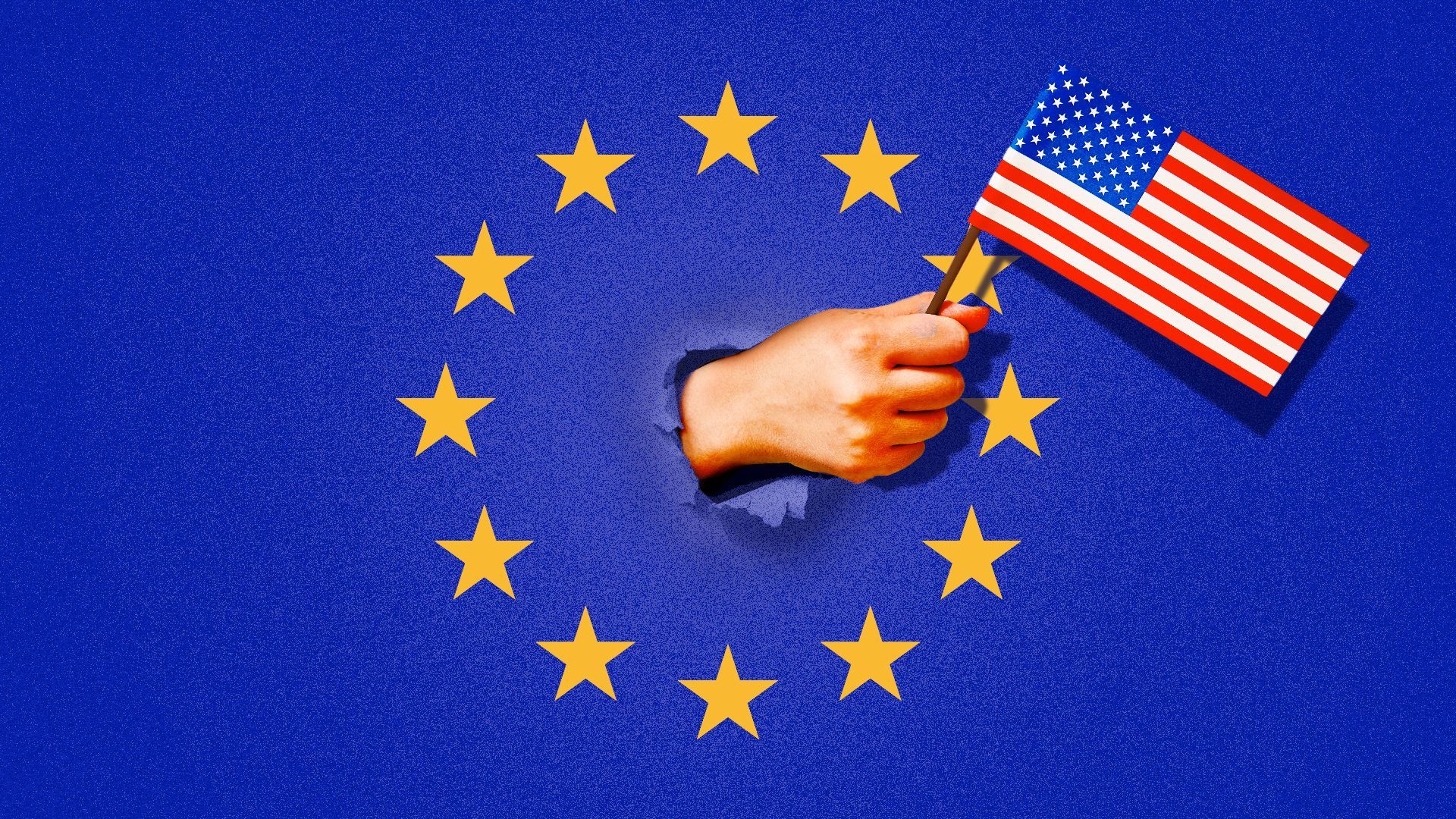
A list of Europe's economic shortcomings is a reminder of the strength that underpins the U.S. economy.
Why it matters: The man credited with saving Europe from one crisis now says it faces another. Countries are falling behind; he says the union must become more like America to catch up.
What they're saying: "For the first time since the Cold War, we must genuinely fear for our self-preservation," Mario Draghi, a respected technocrat who served as Europe's top central banker as well as Italy's prime minister, told reporters this week.
Where it stands: The European Commission tapped Draghi to diagnose Europe's economic problems. One year later, he returned with over 300 pages of findings and proposals designed to help the EU compete with the U.S. and other global peers.
- An American reading the report might notice that Draghi uses the U.S. economy as the main example of what European nations should emulate as they seek to jumpstart growth.
Innovation
Roughly a third of startups founded in Europe since 2008 that went on to be unicorns — those valued at $1 billion or more — left the bloc, with the majority coming to the U.S.
- The report says the U.S. is home to 22 of the 50 companies with the world's biggest research and development budgets. Europe has 12.
- Draghi calls out Europe's "weak innovation" in AI. Over 70% of AI models built since 2017 are from the U.S., while 15% stem from China.
Dynamism
All six of the most valuable companies in the U.S. — all of which are worth more than $1 trillion — have been created in the last 50 years.
- By contrast, no European company valued at more than $100 billion has been started in that period.
Trade
America has tilted toward protectionism and embraced tariffs. That has scrambled longstanding global trade dynamics — and Europe has not adjusted.
- "China relies on the EU to absorb its industrial overcapacity," says Draghi, while the U.S. is disentangling itself from reliance on China.
- "If the EU does not act, we risk being vulnerable to coercion," Draghi says. At one point, he recommended tariffs and trade measures when warranted to "level the playing field" in some sectors.
- Relatedly, Draghi praises legislation like the Inflation Reduction Act. Similar measures in Europe are too "fragmented" across the European Union's 27 countries to pack a similar punch, he writes.
The bottom line: The U.S. faces plenty of economic challenges. Compared to its allies across the Atlantic Ocean, however, things look pretty good.
2. The demographic advantage


One of America's key competitive advantages lies in its demographics.
Why it matters: The U.S. labor force is expected to keep growing for the rest of the century, in stark contrast to Europe, where it's already shrinking (even after accounting for immigration).
- "The EU is entering the first period in its recent history in which growth will not be supported by rising populations," Draghi says.
- As a result, any economic growth will have to come as a result of increased productivity.
The bottom line: Europe's workers had 95% of the productivity of their American counterparts in 1995. Today, however, that number has fallen to less than 80%.
- That's one reason Draghi's report was commissioned in the first place — and a reason not to be too down on America.
3. 1 fun thing: Tall Energy
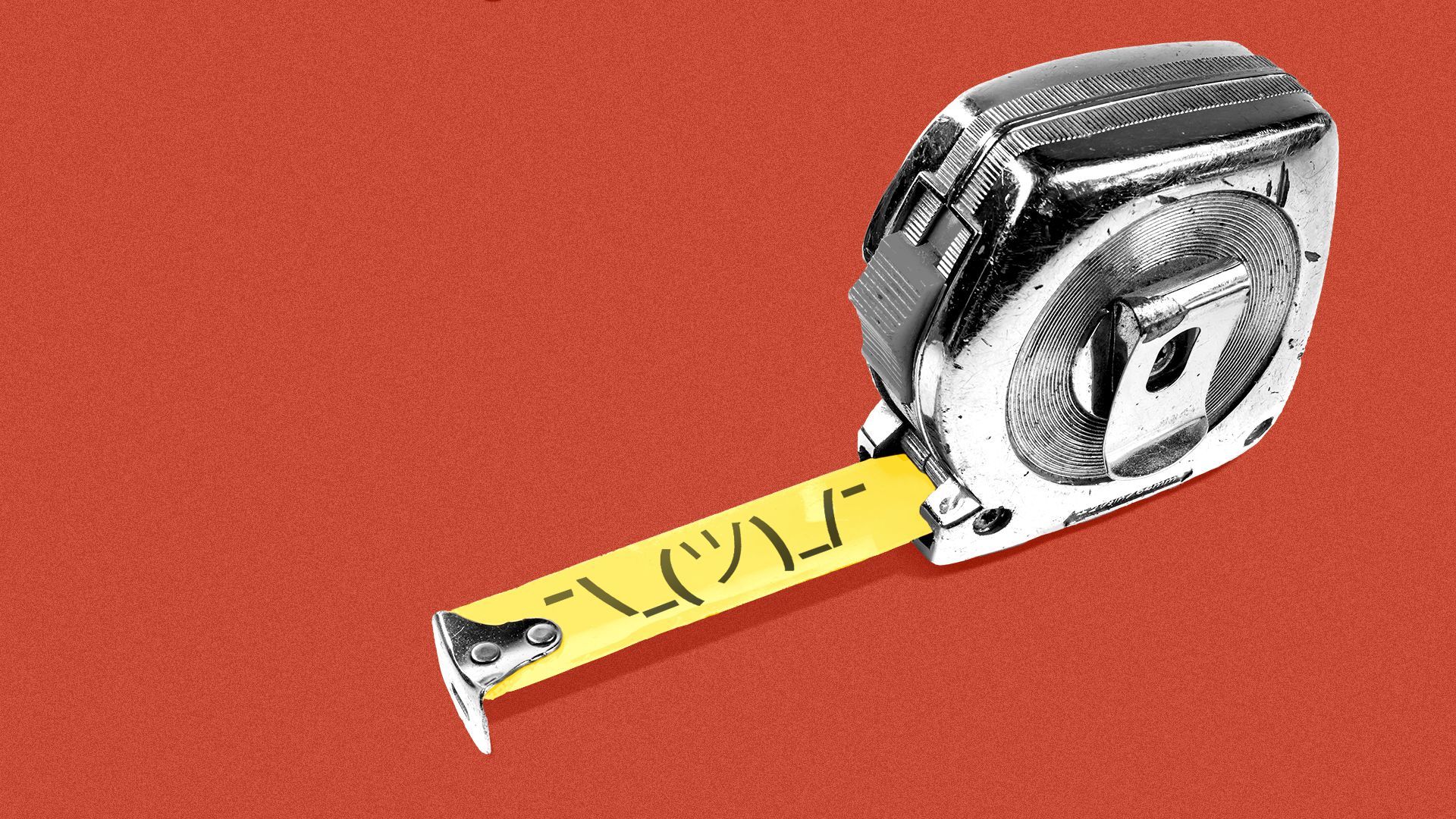
Markets readers believe in Tall Energy, the confidence that comes from being above average in height, as a psychologist explained the New York Times.
- In yesterday's email, we asked for your comments on the phenomenon.
The twist: Short people can also have Tall Energy. The Times points to Kamala Harris, someone who is objectively short but might seem taller.
What you're saying: "Part of it is about how you carry yourself," wrote Jade Faugno-Maria, who is 5' 3".
- "Energy comes from inside, not what you have to show from the outside," wrote Tom Stacey, 5' 7".
- One reader, identifying himself as "a short guy," noted that rich guys Mike Bloomberg and Steve Schwarzman "built their wealth in a world where 6-foot tall white men are the norm and they are very much the exception... have to assume that's their tall energy hard at work."
- 🤨 No one identifying as tall responded to our query.
The big picture: Remote workers know all about this. After many Zoom meetings, you finally meet someone in person and are shocked that they're taller or shorter than you had pictured.
The bottom line: Even at Markets where we love our charts, we admit that sometimes vibes outweigh the data.
Thanks to Kate Marino for editing and Mickey Meece for copy editing. Tell your friends, family and colleagues to subscribe — it's free and exudes Tall Energy!
Sign up for Axios Markets