Axios Markets

November 14, 2025

🔮 What's the Fed to do? That is the key question plaguing markets and pressuring the hot tech stocks investors count on for big gains. (Scroll to the end for a reminder why down days can still be bullish.)
- Today: Wall Street is flying blind amid the 2026 outlook season.
- Plus: Investors have already priced in possible stimulus checks.
Let's get into it. All in 1,020 words in 4 minutes.
1 big thing: Wall Street is flying blind into 2026
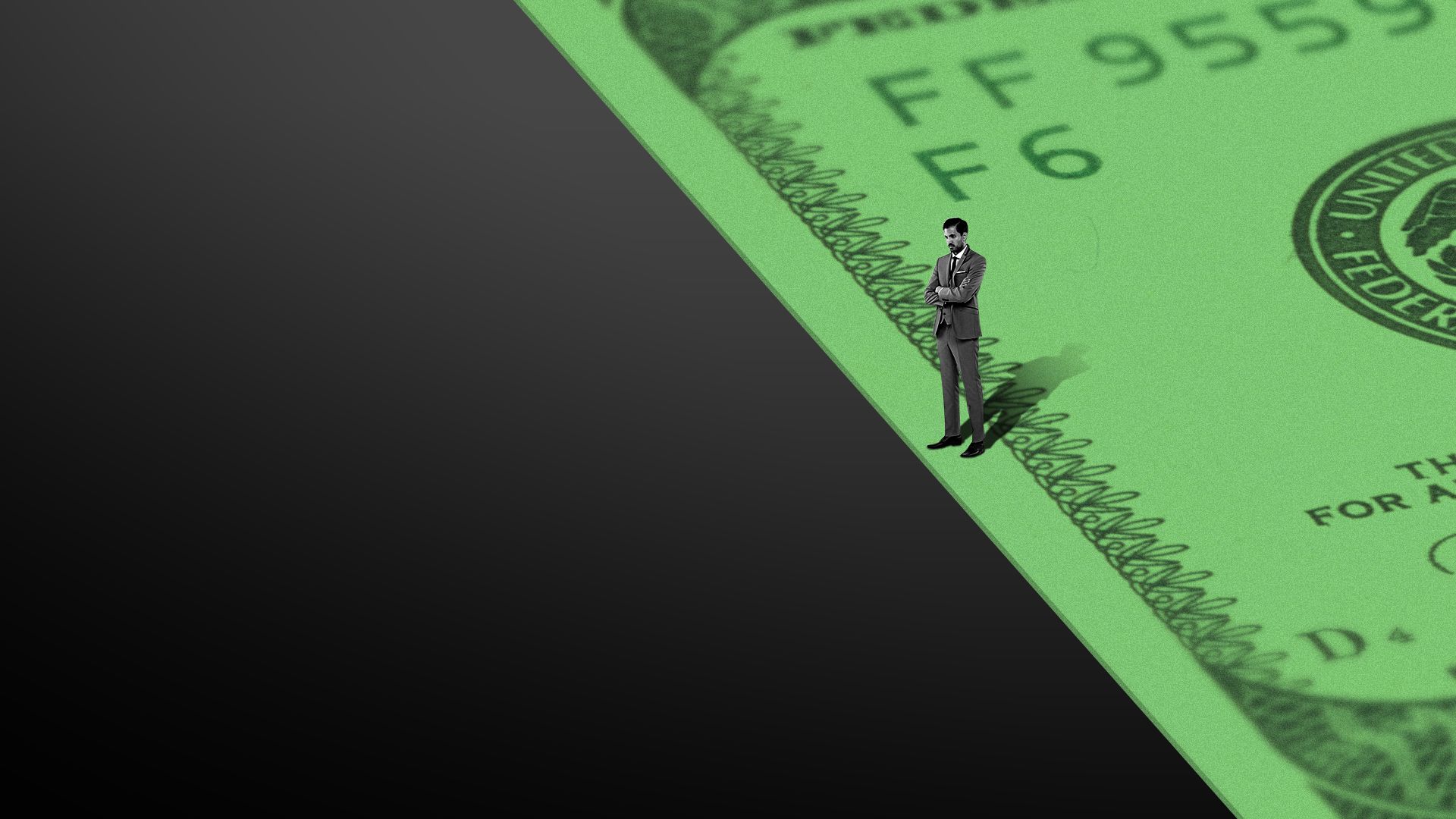
On Wall Street, outlook season has arrived, when strategists make calls on how the market will perform in 2026.
Why it matters: Those calls are now coming due after a six-week government shutdown without jobs reports or inflation data.
- Lacking clarity on the economy, it will be harder to form a high-conviction view on where the market is heading next year.
What they're saying: "I feel like we're all going to write our outlooks, and then there is going to be a version two that we publish in February," Kevin Gordon, head of macro research and strategy at Charles Schwab, tells Axios.
- Outlooks could shift "in a pretty major way once we figure out how everything actually looks," he adds.
Zoom in: The labor market was on shaky ground even before the shutdown.
- Employment data could change more quickly than inflation data in this environment, says Josh Hirt, senior economist with Vanguard.
- He thinks labor data "could really surprise the outlook" for 2026, especially if there was a lot of weakening in the last two months amid the shutdown.
Zoom out: It could also affect forward-looking macro data, like the GDPNow forecast, says Michael Metcalfe, head of macro strategy at State Street.
- "I think doing the quarterly GDP forecast right now is incredibly difficult," he says. "Your GDP is going to be incredibly choppy."
Reality check: There is "no major discontinuity" between the private and public data, Gordon of Schwab contends.
- For example, inflation data from the private firm PriceStats has been over 80% in line with official BLS inflation numbers over the past five years.
- Federal Reserve chair Jerome Powell recently name-checked Price Stats as one of the many private sources of information used by the central bank.
- State Street just acquired the firm.
State of play: It is not as if there was much certainty when the public data was flowing either.
- We were already in an environment where "assessing where true ground level is was a bit more challenging," Hirt says, as continued policy changes regarding tariffs, immigration and more have led to elevated uncertainty.
- The policy uncertainty index tracked by the St. Louis Fed spiked in the shutdown, though it has come down as the government now reopens.
The bottom line: Wall Street has to come up with an investment thesis on how 2026 is going to turn out without ever really knowing how 2025 went.
2. Trump policy bump now priced into markets
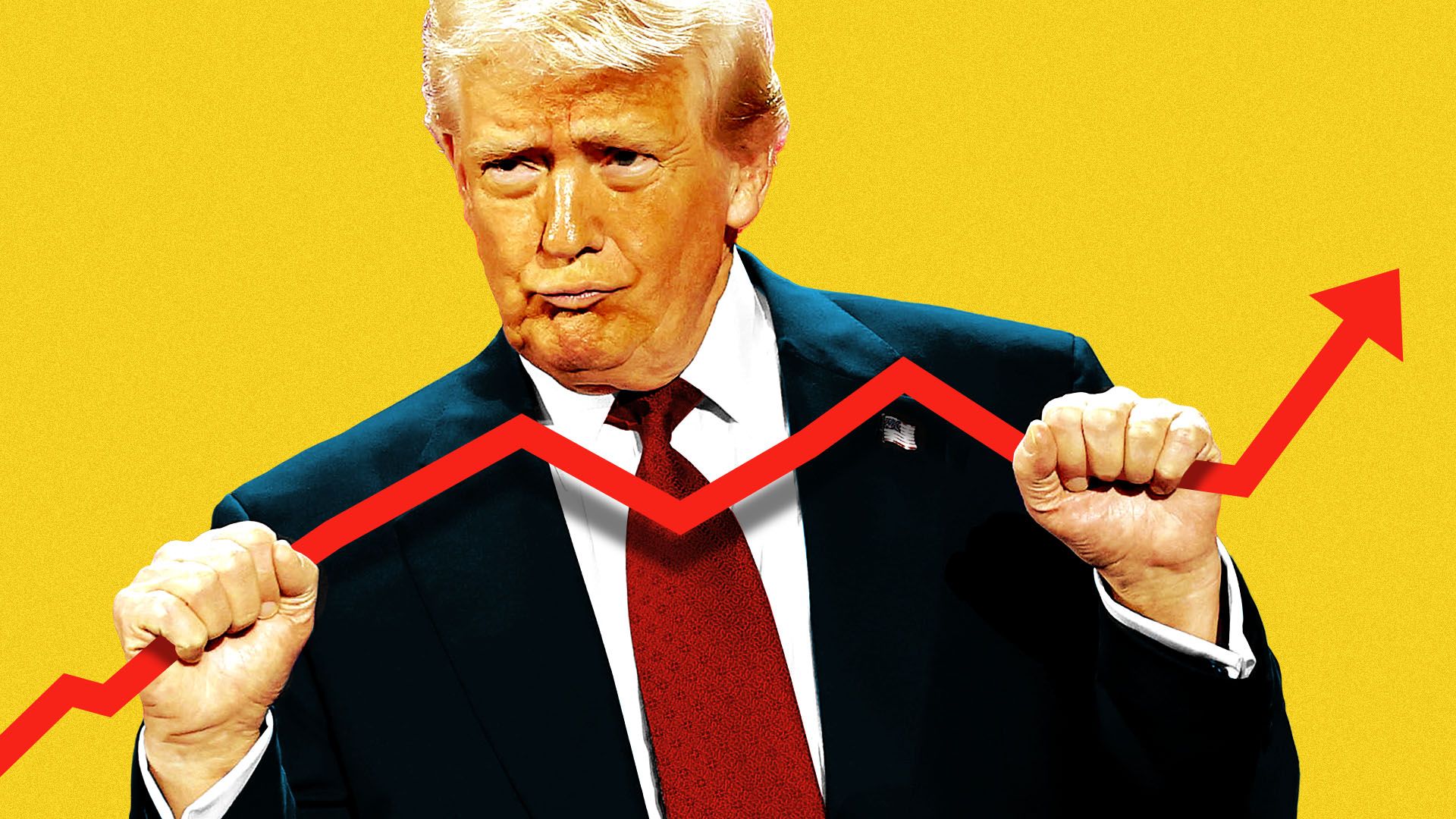
Wall Street has now priced in some of the net effects of White House policies that have yet to take shape, from lower taxes to potential stimulus checks.
Why it matters: That leaves less potential upside for stocks when those policies actually materialize.
Driving the news: President Trump touted $2,000 stimulus checks paid for via tariff revenue over the weekend, though the details are far from certain.
- High-income consumers can largely expect lower taxes in 2026 as a result of the One Big Beautiful Bill, while middle- and lower-income households are likely to see more modest relief.
- The law also allows business to expense their research and development costs, which could also be stimulative as it leads to increased spending.
What they're saying: The effects of upcoming policy are likely already priced in "based on markets being forward looking and thinking about expectations for the future," Gordon of Schwab says.
- Strategists across Wall Street have been touting the impact of the One Big Beautiful Bill on stocks since it passed this summer. That could leave little room for upside when reality catches up to those expectations.
Reality check: The market runs on expectations, but it also runs on earnings, and if consumers can spend more after a windfall from policy stimulus, then earnings should grow.
- "I've got this bet on the consumer" due to the One Big Beautiful Bill, "which is going to allow for higher deductions and therefore bigger tax refunds for much of the middle-income people who do a lot of the consuming," says Jim Caron, chief investment officer at Morgan Stanley.
Zoom in: That suggests that perhaps the market has not fully priced in the reality of $2,000 stimulus checks.
- "I would be very surprised if it is in base cases yet, because we simply just don't know" what will happen with these checks, Metcalfe of State Street says.
- If the potential stimulus checks are indeed doled out, and they lead to more inflation, "this is not my forecast, but never say never, you cannot rule out rate hikes," Gordon of Schwab says.
- If market participants thought the stimulus checks were more certain, there would likely be a negative reaction, because much stronger stimulus could mean the Federal Reserve has to hesitate more, Metcalfe says.
The bottom line: When the future is already priced in the market, the risks are higher if it fails to come true.
3. The bullish signal that hides on down days


Mega-cap tech stocks were under pressure this week amid a rotation into unloved corners of the market.
- That shift can be seen in the percentage of stocks trading above their 200-day-moving average, which has now risen to nearly 60% for the first time since Oct. 28, Gordon of Schwab tells Axios.
Even as the S&P 500 sold off yesterday, driven by tech losses, the number of stocks driving the index higher increased.
- That is a bullish signal indicating a broadening of gains across several companies rather than a concentration into a few, which is more risky.
- If the trend reverses, it could be a concerning signal for 2026, Gordon says.
👀 Got tips? Email me at [email protected]. I would love to hear from you about anything that may be of interest for our investor audience.
Thanks to Jeffrey Cane for editing and to Anjelica Tan for copy editing. See you Monday!
Sign up for Axios Markets