U.S. added 911,000 fewer jobs than first estimated in 2024-2025, BLS says


Add Axios as your preferred source to
see more of our stories on Google.
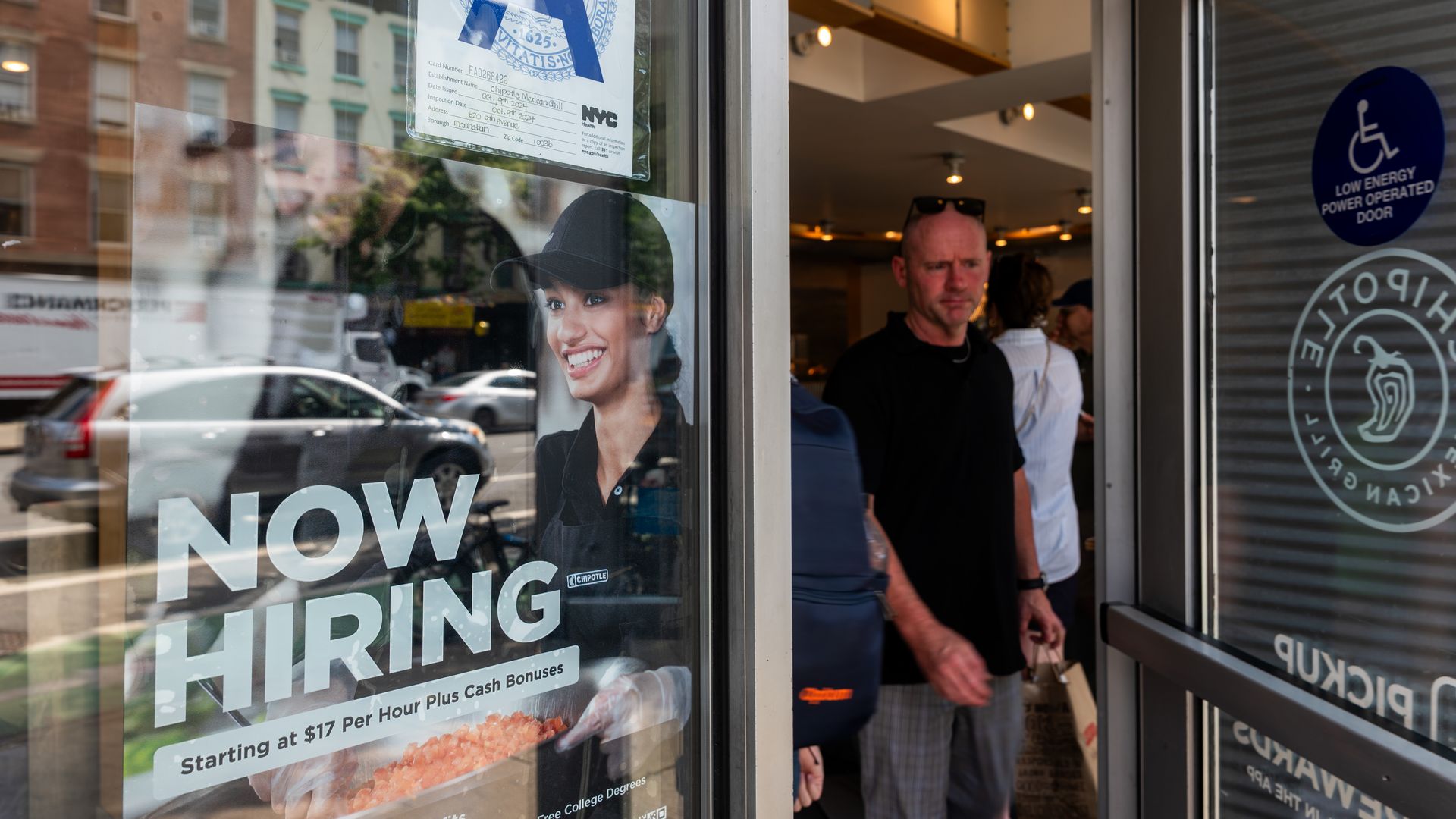
Photo: Spencer Platt/Getty Images
The U.S. economy added 911,000 fewer jobs in the year ending in March than estimated, the Bureau of Labor Statistics said on Tuesday.
Why it matters: The labor market had less momentum than previously known over the past year, even as the current hiring slowdown raises concerns about the economy's health.
The big picture: The data, which is preliminary, suggests that President Trump came into office with a labor market that was weaker than initially thought. It continued to weaken after his inauguration.
How it works: The BLS compiles monthly jobs reports based on surveys from households and businesses.
- The agency updates that data on a lag with more complete information from unemployment insurance tax records.
- This report — the Quarterly Census of Employment and Wages — can show drastic revisions of previously released data.
- The revisions released on Tuesday were worse than the downward adjustment of 700,000 anticipated.
What to watch: There are fresh signs that the labor market slowdown continued in recent months.
- The August jobs report showed just 22,000 jobs added last month, while revised figures for June indicated the economy shed jobs for the first time since 2020.
The intrigue: The BLS has been under attack from the Trump administration. Trump fired the agency head last month after revisions showed disappointing jobs growth.
- Trump has seized on data from previous QCEW reports, suggesting — without evidence — the figures were politicized.
- Top Trump economic officials, including Treasury Secretary Scott Bessent, have been warning that today's report would show notably slower jobs growth.
- "We're going to get the revisions for last year next week," Bessent said on NBC News "Meet the Press" on Sunday. "I'm not sure what these people who collect the data have been doing."
This is a developing story.
