Axios Macro

June 12, 2026

The World Bank is out with gloomy new forecasts for the world economy — particularly lower-income countries — which is being buffeted by higher energy prices and the limits of the AI boom. More below.
- Plus, an uptick in consumer sentiment in early June. 😎
Today's newsletter, edited by Jeffrey Cane and copy edited by Katie Lewis, is 687 words, a 2.5-minute read.
1 big thing: Emerging countries' lost decade
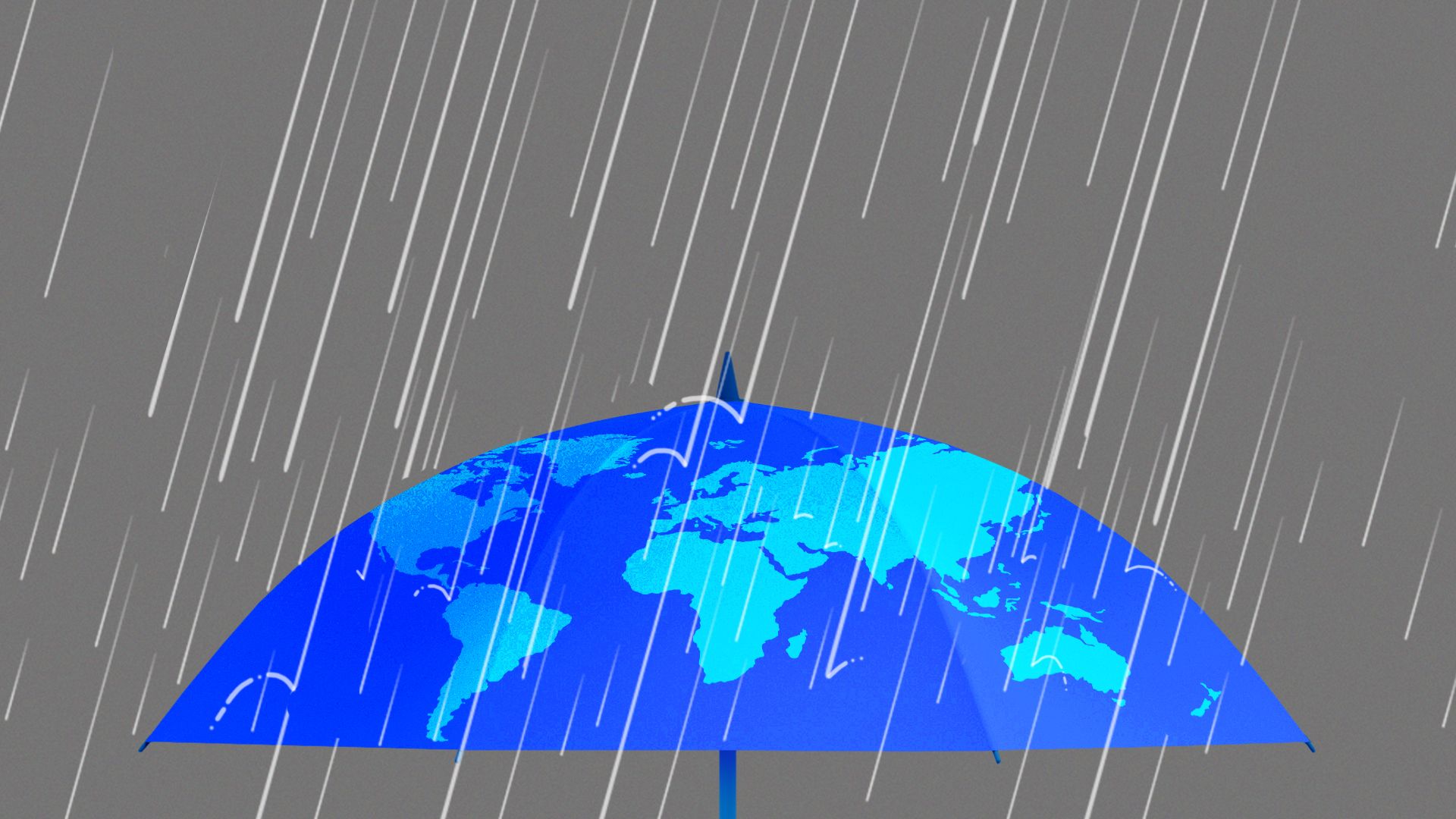
A decade of shocks has left much of the developing world weakened just as AI begins reshaping the global economy, World Bank economists conclude in a new report.
Why it matters: A series of shocks — the COVID-19 pandemic, the Ukraine war and now the Iran war — have buffeted the world's poorest countries particularly hard. These countries risk being poorly positioned to benefit from an AI-driven productivity and spending super-cycle.
- The globe's poorest countries will enter this period burdened by debt, weak investment and years of stalled development, with little capacity to build the infrastructure and skills needed to share in those gains.
- In the more immediate term, the World Bank marked down its forecast for global growth to 2.5% this year, from 2.9% in 2025, and said growth could slow to 1.3% if the Iran war's ripple effects are prolonged enough to disrupt financial markets.
What they're saying: "The first half of the 2020s are now behind us, and it is possible that this decade might already be lost. But the 2030s are not," World Bank chief economist Indermit Gill wrote in the group's global outlook.
- "The economic forces now gathering ... are powerful enough to unlock transformative progress in the next decade," Gill added.
- But "the AI revolution could widen rather than narrow the gap between rich and poor countries" if developing economies lack the conditions needed to benefit from the technology, Gill warned.
Zoom in: Many developing economies lack the computing infrastructure, technical expertise and local-language data needed to fully benefit from AI, the bank's economists wrote.
- "Developing economies account for less than one-quarter of global data-center capacity," the report says. "The world's 24 poorest economies account for less than one-tenth of 1 percent."
The big picture: The bank's forecast is that growth in emerging market and developing economies will slow to 3.6% this year, with per capita income growth the slowest since the pandemic.
- The group's longer-term forecast is that AI — along with clean energy investment and deeper regional trade ties — can eventually reverse that trajectory, lifting productivity and setting the stage for the most prosperous decade since the 1970s.
The bottom line: The World Bank argues that repeated shocks have already cost much of the developing world a decade of progress.
- Its sunny forecasts about the 2030s play out if the countries weakened by the crises of the 2020s can still prepare for the technologies and investments that look set to define the next growth era.
2. A break in consumer gloom


The economic mood across American households improved for the first time in five months as lower gasoline prices offered some relief.
Why it matters: Fuel prices remain one of the fastest ways geopolitical shocks reach American households, making energy costs a key driver of the Trump administration's economic standing.
Driving the news: The University of Michigan's consumer sentiment index climbed four points in June, to 48.9 — the first increase since January.
- The improvement was broad-based, but especially pronounced among lower-income households that spend a larger share of their budgets on gasoline, survey director Joanne Hsu said in a release.
Reality check: The rebound barely dents this year's souring of consumers' mood. Sentiment remains near levels typically associated with severe economic stress.
- Interviews were conducted between May 19 and June 8, before President Trump claimed the U.S. and Iran were "very close" to a deal.
What they're saying: "Views of the economy are still relatively dour," Hsu said.
- Consumers "feel burdened by the recent escalation in inflation and worry that higher inflation could remain stubborn going forward, particularly in the short run."
- Year-ahead inflation expectations eased to 4.6% from 4.8%, but remain well above pre-war levels.
The intrigue: Americans rate inflation, not unemployment, as the bigger threat from the Iran war's economic fallout, the University of Michigan said.
Sign up for Axios Macro