Axios Macro
February 26, 2024

How should the Fed think about the potentially wasteful side effects of ZIRP — or zero interest rate policies, known among tech folks as zero interest rate phenomena — when setting policy in the future? We dig in below.
- Plus, the latest upgrade to 2024 economic growth. 📈
Today's newsletter, edited by Kate Marino and copy edited by Katie Lewis, is 784 words, a 3-minute read.
1 big thing: The hard questions raised by the ZIRP era
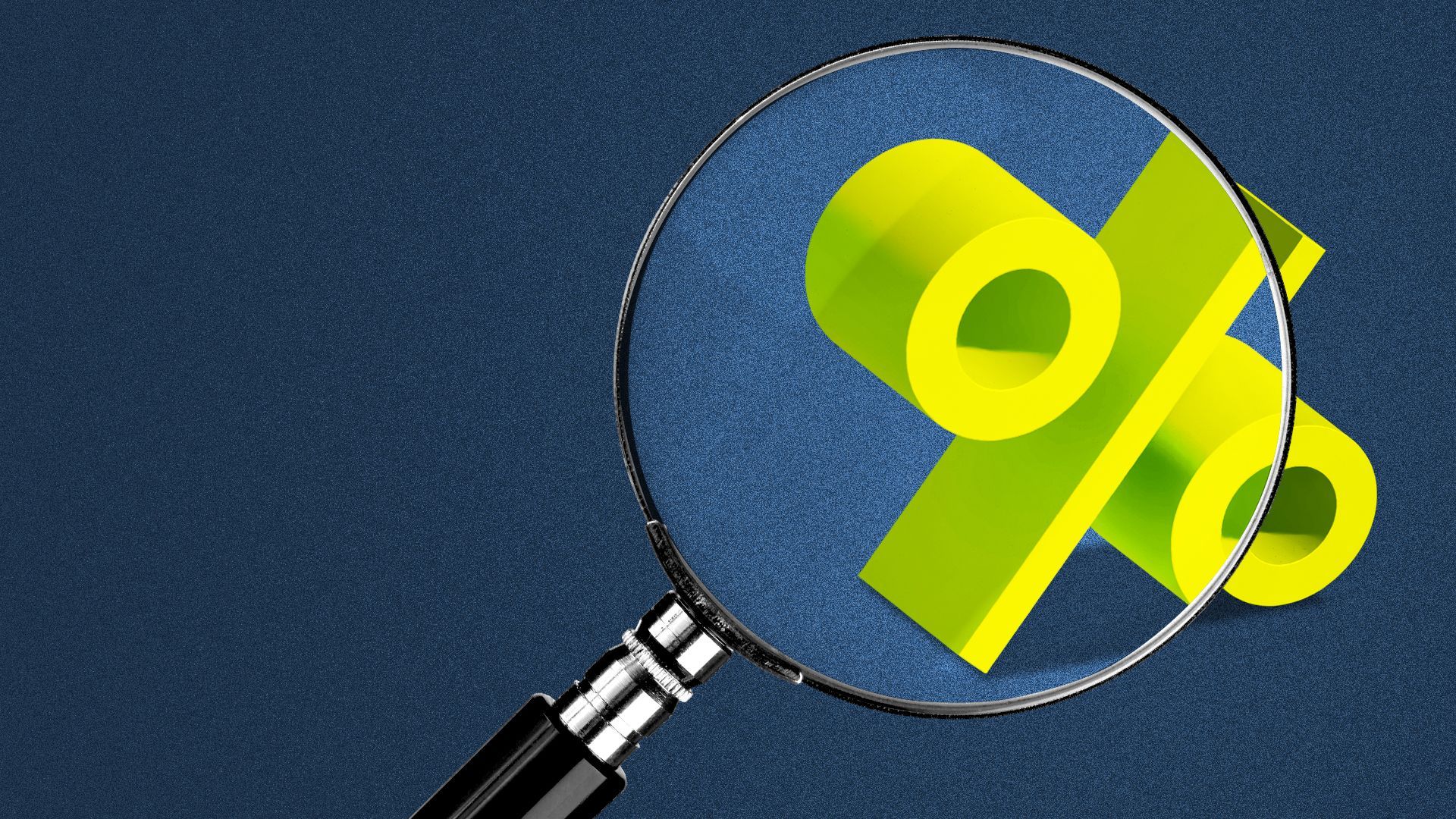
Illustration: Brendan Lynch/Axios
In Silicon Valley, the era of the zero interest rate phenomenon is over. Major companies are ending an era of profligacy that many tech executives and investors attribute to the cheap money period from roughly 2008 to 2021.
Why it matters: If the narrative out of the tech sector is true, it creates hard questions for the proper conduct of economic policy. If stimulating the economy using low interest rates just creates a lot of wasteful spending and malinvestment, it should raise serious questions about central banks' main policy tool.
- The economics are a little more complicated than that. Still, it does fit with a broader concern that the Federal Reserve's role as the only game in town working to stabilize the economy isn't ideal, given the limits of its policy tools.
State of play: In the last year, even some of the biggest, most profitable, brand-name tech companies — including Google, Meta and Microsoft — have announced layoffs.
- Some firms are reportedly pulling back on generous perks, like laundry service and on-site day care.
- Entire business models that seemed to make sense when the Fed's target interest rate was near zero — losing money for years in hopes of capturing a massive profit opportunity in the distant future — fall apart when that target rate exceeds 5%.
Flashback: The world economy fell into a deep recession in 2008 and clawed out of it only glacially. The Fed kept its short-term interest rate near zero and pumped trillions of dollars into the financial system for years trying to stimulate investment and hiring, with glacial results.
- When the economy collapsed amid the 2020 pandemic, the Fed repeated the playbook before abruptly raising rates starting in 2022.
Yes, but: While that looks like a discretionary choice the Fed made, a different way of thinking of it is that the world had changed, pushing the cost of capital down worldwide. The Fed, in this narrative, was simply adapting its policy rates to align with forces beyond its control.
- Neither fiscal authorities nor the private sector were inclined to borrow, and there was a worldwide glut of capital looking for someplace to go. That is what pushed equilibrium interest rates down, and the Fed was simply adjusting its policies to reflect that reality.
What they're saying: "I think the bigger effect was there was a fundamental shift in what the neutral interest rate was, a fundamental shift in the discount rate used in asset valuations and business decisions," John Williams, president of the New Y0rk Fed, told Axios last week.
- "And businesses of all types adjusted to that in different ways — like, "Is this the new normal, and what are the ramifications of this?"
- So "whether it's excessive risk-taking or other factors that may have caused businesses or others to make decisions that didn't prove to be appropriate — the backdrop to me is that there were big changes to fundamentals of the economy," Williams said. "And monetary policy is just a part of that story."
The bottom line: It probably is true that the era of zero interest rates fueled some bad business decisions in Silicon Valley and beyond. But it's less clear whether different strategies by the Fed would have prevented it.
2. Hotter growth expectations
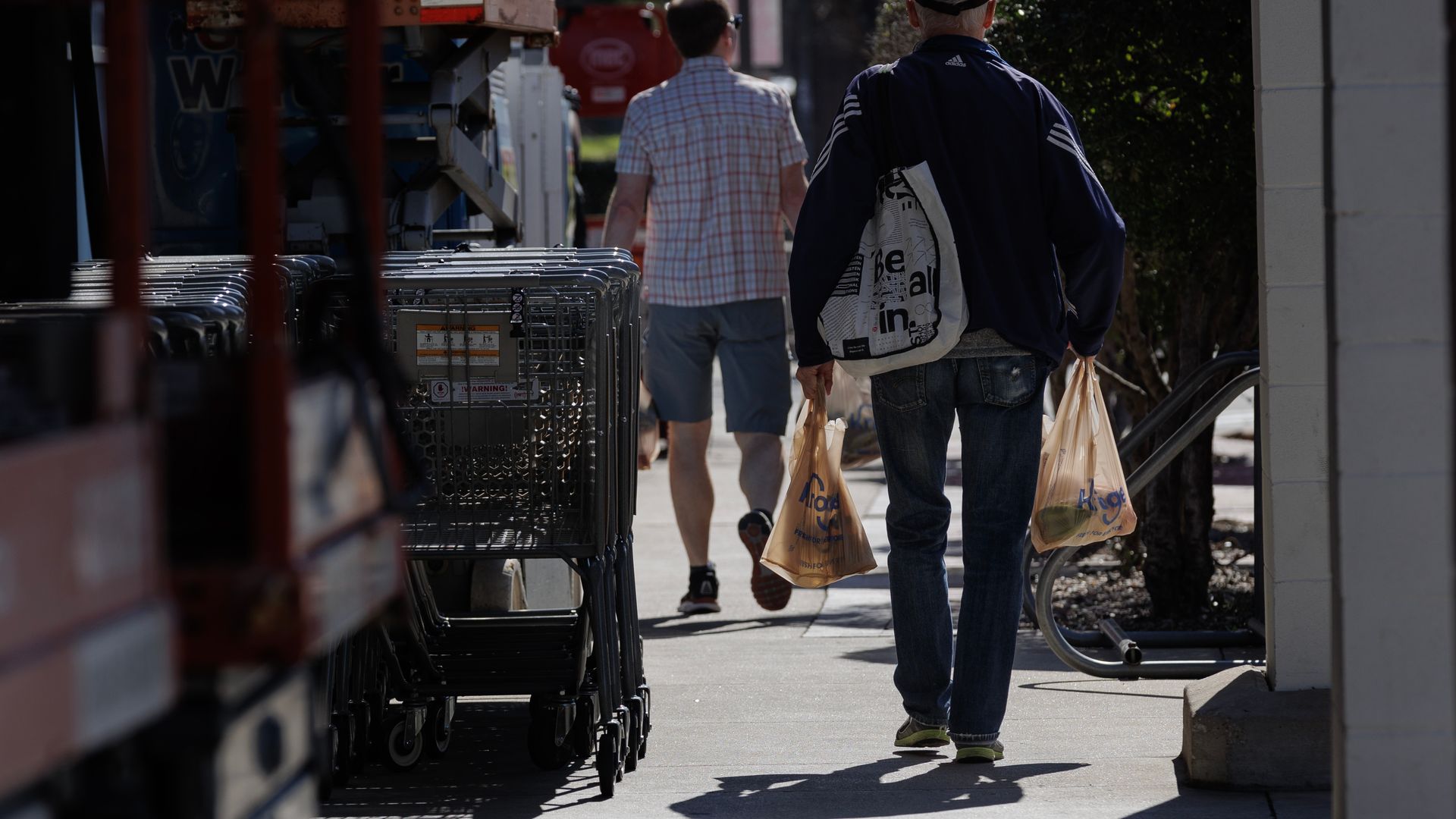
Photo: Shelby Tauber/Bloomberg via Getty Images
The National Association for Business Economics expects America's economy will grow faster in 2024 than initially thought — the latest in a string of stronger forecasts.
- The group, which has conducted regular surveys of professional forecasters since 1965, says its median forecast for 2024 GDP is now 2.2%, compared to the 1.3% expected in December.
- That includes much stronger growth for the current quarter, which NABE estimates will come in at an annualized 2% — not the 0.7% previously forecast.
Why it matters: A flourishing job market and expectations the Fed will lower borrowing costs at some point this year are among the factors underpinning more optimistic economic forecasts across Wall Street.
- Earlier this month, for instance, Deutsche Bank nixed its call for a mild recession in 2024. It penciled in roughly 2% growth this year, a sharp upgrade from its previous forecast of just 0.3% growth.
- Last week, the Conference Board also ditched its expectation of a recession.
Flashback: Last year, many economic forecasters were too pessimistic about an economy that ultimately boomed.
- Now, many economists — including those at NABE — don't expect gangbuster growth but one that is steady, healthy and a long way from a recession.
What they're saying: "The stronger February growth forecasts for 2024 result from upward revisions to key sectors of the economy," including consumer spending, corporate investment and homebuilding, Ellen Zentner, chief economist at Morgan Stanley and NABE president, said in a release.
Sign up for Axios Macro
Stay ahead of the curve on the most important economic developments with reporting and analysis on how business, policy, and markets collide.