Axios Login

March 23, 2018

Reminder: Codebook, Axios' twice-weekly cybersecurity newsletter, launches Tuesday. You can make sure your system is up-to-date by clicking here.
Facebook and its watchers take a breath
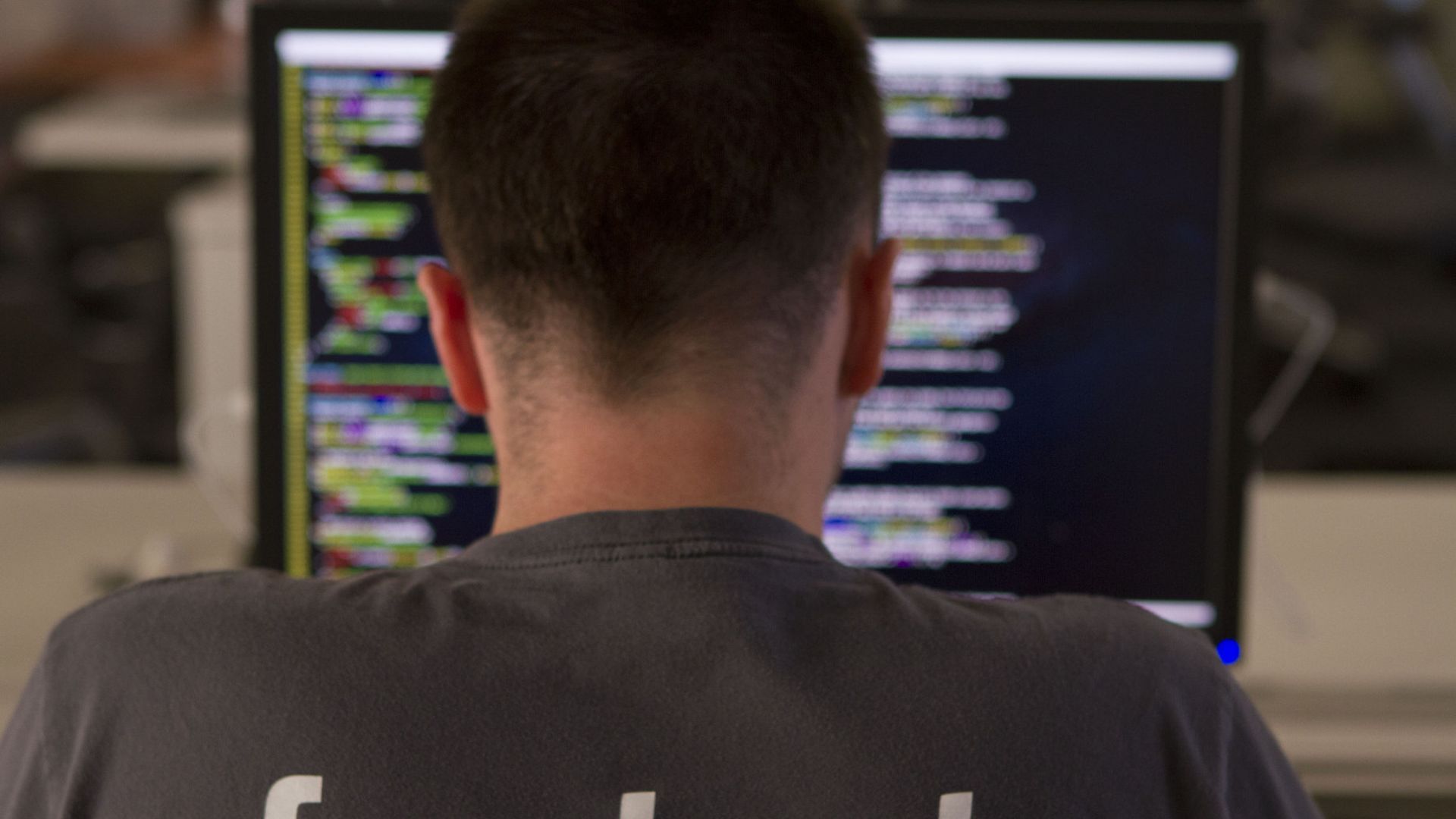
A newly hired Facebook worker at his desk. Photo: Facebook
Mozilla and Commerzbank said Thursday they were pausing their Facebook advertising and a few more politicians called on Mark Zuckerberg to appear before Congress, but all-in-all, it was the first day of relative calm since the Cambridge Analytica scandal broke last Friday.
So where do things stand? Facebook certainly hasn't put its issues behind it — just this morning, Sen. Richard Blumenthal threatened Zuckerberg with a subpoena if necessary — but the flurry of Zuckerberg interviews (and a CNBC interview Thursday with Sheryl Sandberg) seems to have stopped most of the bleeding, as several outlets put it.
My thought bubble: The X factor, in my opinion, is less about what steps Facebook takes next, and more on how long Facebook's customers (aka politicians' constituents) stay focused on this issue. Historically, Americans have an incredibly short attention span for privacy issues. Does anyone remember Locationgate? Heck, most people have forgotten about Equifax, which spilled their most valuable personal information.
Other reads: So much is being written by so many, that I've chosen a few worthy pieces.
- 11 other times Zuckerberg found himself on the defensive (Fast Company).
- Plenty of people don't really associate Instagram with Facebook, which may be a good thing (Farhad Manjoo/NYT).
- Speaking at a FT Future of News conference in NY, Facebook head of news Campbell Brown acknowledged it was "not probably our wisest move" to threaten to sue The Guardian for reporting on the Cambridge Analytica issue.
Dig deeper: I spoke more on Facebook yesterday on NPR's "Here and Now" as well as on Cheddar.
AT&T-Time Warner trial kicks off

Illustration: Sarah Grillo/Axios
With some oxygen now available for other tech stories, attention shifted briefly to the AT&T-Time Warner trial, which began with opening arguments on Thursday.
As David McCabe and Sara Fischer report, AT&T came out swinging, arguing the Justice Department is using a flawed economic model that doesn't consider the current marketplace and the binding contracts Time Warner has with AT&T’s video competitors.
We learned some of the witness names:
- The Justice Department confirmed it will call, among others: Sling TV Group President Warren Schlichting, UC-Berkeley economist Carl Shapiro and Cox Communications exec Suzanne Fenwick, who testified on Thursday.
- AT&T confirmed its witness list will include: CEO Randall Stephenson, Time Warner CEO Jeff Bewkes, and its economic expert.
- More witnesses are expected on both sides.
What we didn’t hear: Anything about President Trump’s dislike for CNN and his stated opposition to the deal. Leon previously ruled that AT&T couldn’t access documents key to arguing political interference on the Justice Department.
David and Sara have more here.
Craigslist pulls personal ads due to bill
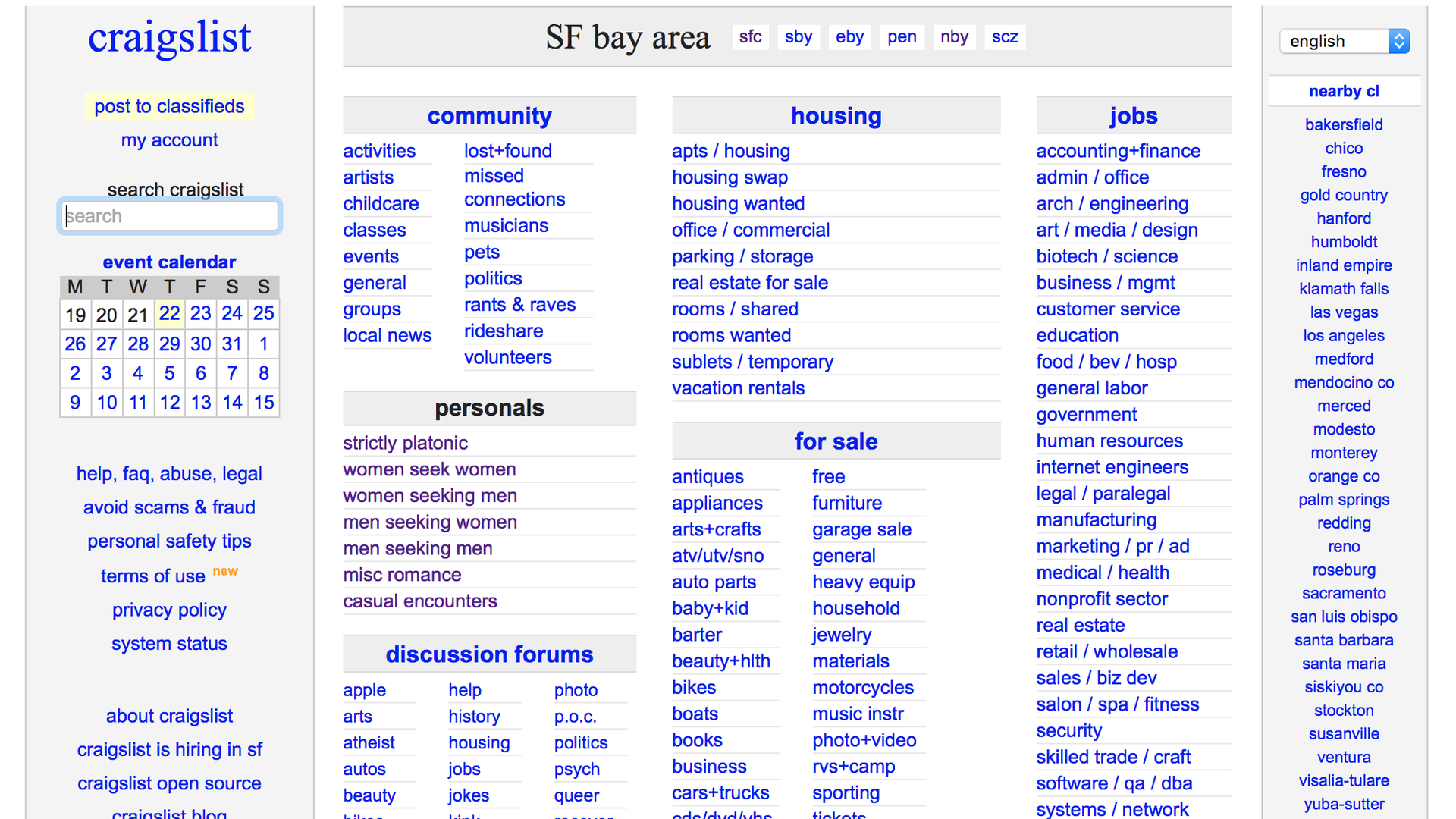
Screenshot: Craigslist SF Bay Area
Online classified ad site Craigslist said it's pulling its entire personal ad section after Congress passed a new sex-trafficking bill that puts more liability on websites.
Why it matters: Smaller tech companies and advocates for sex workers had feared a chilling effect if the bill becomes law. And, Craigslist said it couldn't afford the risk of continuing to host personal ads:
"Any tool or service can be misused. We can't take such risk without jeopardizing all our other services, so we are regretfully taking craigslist personals offline. Hopefully we can bring them back someday."
Big Tech had fought against the bill — but then folded, David reported.
The other side: Supporters of the bill say it was narrowly tailored to deliver justice for victims shut out of the civil court system, not hinder good actors on the internet.
Q&A: Chamillionaire on investing in startups
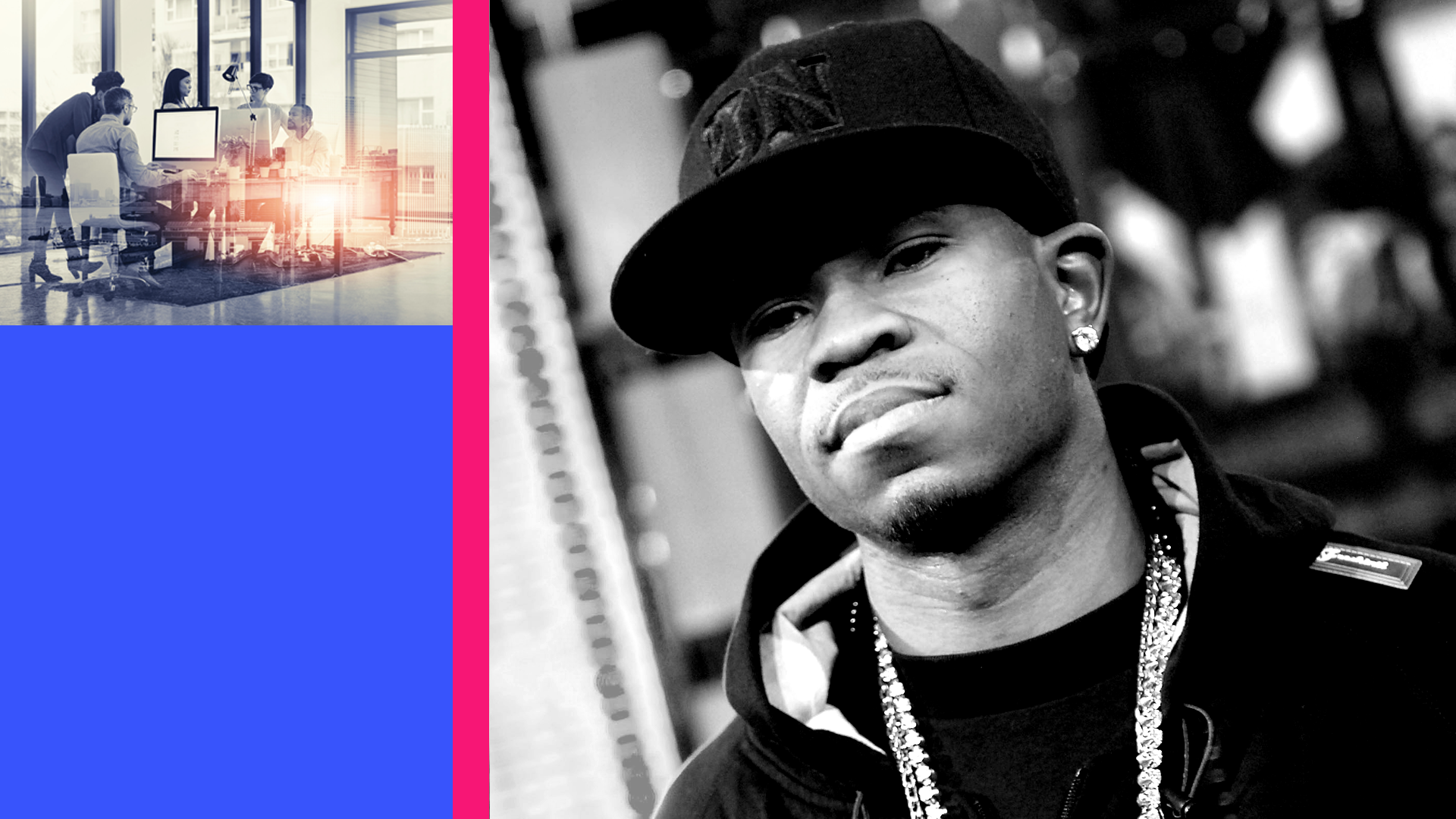
Photo illustration: Axios Visuals
In the last several years, a growing number of celebrities have begun investing in tech startups. But few have humbled and immersed themselves into the industry like Chamillionaire, who rose to fame in the early 2000s as a rapper, but can now be spotted at investor parties and Y Combinator "demo days."
Next act: A self-described entrepreneur at heart, Chamillionaire recently debuted his mobile video chat app Convoz while he continues to invest in startups.
Quick facts:
- While still working as a musician, he began advising companies like SayNow, which lets celebrities directly interact with fans and was sold to Google in 2011.
- He leads a syndicate of investors made up of influencers, celebrities, and athletes.
- His exits so far include Maker Studios (to Disney for a reported $675 million) and Cruise (to General Motors for close to $1 billion).
- His startup Convoz now has a total of seven employees, and has raised an undisclosed amount of seed funding from Greycroft Ventures, Upfront Ventures, 500 Startups, Precursor VC, Okapi Ventures, XG Ventures, and a roster of angels including Justin Kan and Snoop Dogg.
- He's not made any investments in cryptocurrencies but says he believes in the potential of blockchain tech.
Field report: Game Developer Conference

Scene from the game Fortnite. Screenshot: Epic Games Fortnite
I had a brief chance to peruse the show floor at the Game Developers Conference this week, just before Zuckerberg released his blog post on Wednesday.
While it's not my main focus, I wanted to see where the energy was. Here are a couple quick thoughts:
One big thing: Popular shooter game Fortnite was the talk of the show.
"It's changing the perception of gaming because it has attracted so many new users, and it is clear that a cartoony and approachable game is attracting an audience that has never played a shooter game before" longtime game industry analyst Michael Pachter told Axios.
And it's a huge money maker, with add-on items, like skins, selling for $15 to $20. "That game is monetizing at a phenomenal rate, and it doesn't feel like a fad," Pachter said.
More observations:
- For all the talk on how the entertainment industry has pulled back from virtual reality, it's clearly still a big focus of game industry. There was particular energy around the new standalone mobile models, including Oculus Go and HTC's Vive Focus which is now expanding beyond China.
- Who was recruiting: The big surprise attendee was Uber's self-driving car unit. I asked a booth worker and they noted that they use a game engine for simulating road conditions, hence the need for game developers.
- (Also there on the show floor was 5-hour Energy, which saw an opportunity to market its product to a core audience.)
Take Note
On Tap
- Dropbox will start trading today after pricing shares at $21, above its already raised target price.
- The Transform Tech conference, which focuses on transgender workplace issues within the tech industry, takes place in San Francisco. (I'm moderating one of the sessions.)
Trading Places
- Former ModCloth CEO Matt Kaness has left Walmart, less than a year after the retail giant acquired his company, Recode reports.
ICYMI
- Trump tweeted this morning that he may veto the $1.3 trillion spending bill due to DACA and border wall.
- The city of Atlanta is cautioning residents trying to access city services online after the city's computers were hit with a ransomware attack, per Fast Company.
- MacRumors reports that Apple says it will fix a bug that allowed Siri to read notifications from the lock screen that would otherwise be hidden until a user logged into their phone, via passcode or biometrics.
- Chinese ride-hailing giant Didi Chuxing will build electric vehicles via a joint venture with CHJ Automotive, a local automotive startup that also announced RMB3 billion (US$473 million) in new funding.
After you Login
Me think this best snowman ever. Omnomnomn.