Axios Latino
December 19, 2023

👋🏽 Welcome to our final newsletter of 2023! We'll be back on Jan. 2. We sure will miss you!
🚨Situational awareness: Texas Republican Gov. Greg Abbott yesterday signed into law a bill that gives local police authority over federal immigration enforcement.
📚 And now, welcome to our biannual literary edition!
👀 En español 👀
This newsletter, edited by Astrid Galván, is 1,717 words, a 6.5-minute read.
1 big thing: Latina authors take over romance

Photo illustration: Aïda Amer/Axios. Photos: Visual Concepts Photography and Sean Hoyt
The world of romance novels is seeing a boom in the number of authors with a Latino heritage, with many writing stories that reflect their unique experiences, experts tell Marina.
Why it matters: Long one of the bestselling fiction genres, romance has had rising sales in the past few years, according to the latest data from tracking company NPD BookScan.
- For years, most of those works were about non-Hispanic white, affluent and straight protagonists.
- That's been changing as the publishing industry has given greater space to diverse authors and has been marketing their works more.
What they're saying: "These days, it's exciting to get to read experiences that emphasize that I, other Latinas and women of color deserve a happily ever after … that people of all sexualities and backgrounds deserve to be cherished and loved," says Mia Sosa, a Brazilian American and Puerto Rican author.
- Sosa refers to part of her own life in novels such as "The Worst Best Man" and "The Wedding Crasher."
- Readers have responded by making Sosa and similar authors' works bestsellers.
- "That's part of why I write, to give readers something different than what I had reading romance when growing up," Sosa tells Axios Latino.
Between the lines: Experts have linked the rise in romance sales to growing online communities such as BookTok and Bookstagram, where users recommend and praise works. It's also attributed to an uptick in reading habits since the pandemic — with romance offering somewhat of an escape.
- "You know you'll likely get an ending that satisfies and puts a smile on your face," says author Jo Segura. Her debut novel "Raiders of the Lost Heart," whose protagonist is a Mexican American anthropologist, was published Dec. 5.
- Although in the past some have dismissed the romance genre as frivolous, Latina authors say these books can inspire and be eye-opening about healthy relationships.
- "The best parts of romance are, I think, the hope and the sense that two people can help each other become better than before," Sosa says.
- Having more voices telling stories about that mutual propping up is beneficial for all readers, she adds.
2. Leading Latin America's next literary boom
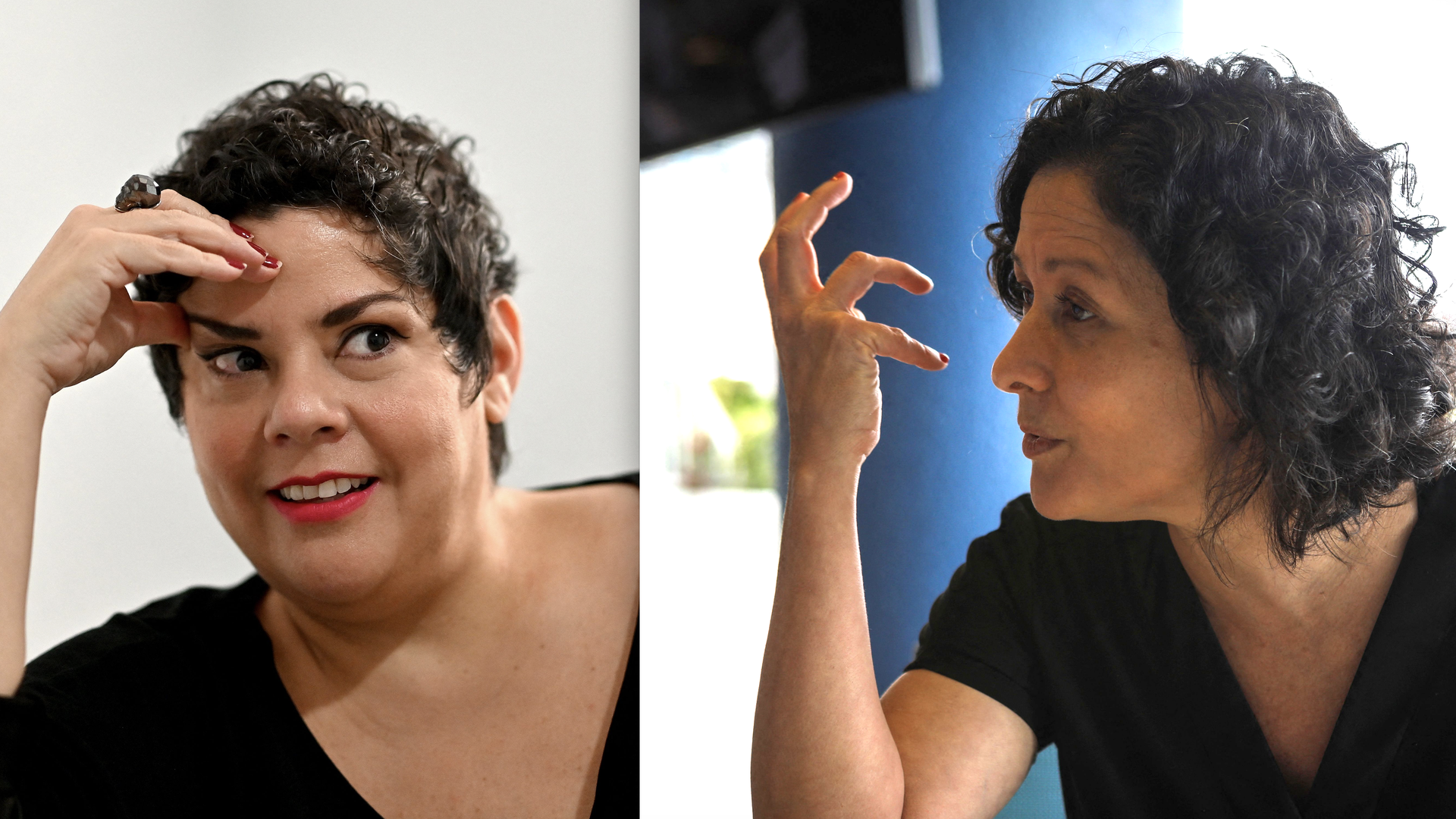
María Fernanda Ampuero of Ecuador (left) and Pilar Quintana of Colombia. Photos: Gabriel Bouys/AFP via Getty Images, Eva Marie Uzcategui/AFP via Getty Images
Some women writers in Latin America are shifting away from the magic realism that defined the 20th Century literary boom and instead focusing on the raw realities of sexism, violence and displacement, Russell writes.
The big picture: Colombian writer Pilar Quintana, Ecuadorian writer and journalist María Fernanda Ampuero and Mexican author Cristina Rivera Garza are among the writers leading the next generation.
"Abyss" by Quintana focuses on Claudia, an impressionable 8-year-old girl who navigates a world in which her quiet father and namesake mother are in a loveless marriage.
- The novel, a finalist this year for a National Book Award in the U.S., centers on the limited options for Colombian women in the early 1980s.
"Human Sacrifice" by Ampuero is a collection of short stories about women battling machismo, racism, violence and social isolation.
- In one story, an undocumented woman in the U.S. is held hostage by a violent man who responds to an ad she placed to tell his story.
"Liliana's Invincible Summer: A Sister's Search for Justice," a nonfiction book by Rivera Garza, follows her quest to seek justice for her sister's murder three decades later.
- Rivera Garza took her inspiration from the feminist movements tackling gender-based violence to try to resolve a painful memory but also uncover a society that ignores it.
- The book was also a finalist for a 2023 National Book Award.
Context: Magic realism depicts the real world as having an undercurrent of magic or fantasy.
- In this form of literature, for example, a very old man with enormous wings or talking trees all have political purposes.
- The new works by Ampuero, Quintana and Rivera Garza ditch that concept. They come as Latin America grows more secular and as men no longer dominate the region's contemporary literary canon.
Between the lines: Literary critics still haven't agreed on what to call the new women-led literary movement.
- Some say the writers are part of the McOndo Movement, a play on Macondo, the setting for Gabriel García Márquez' "One Hundred Years Of Solitude."
3. The real roots of white supremacy
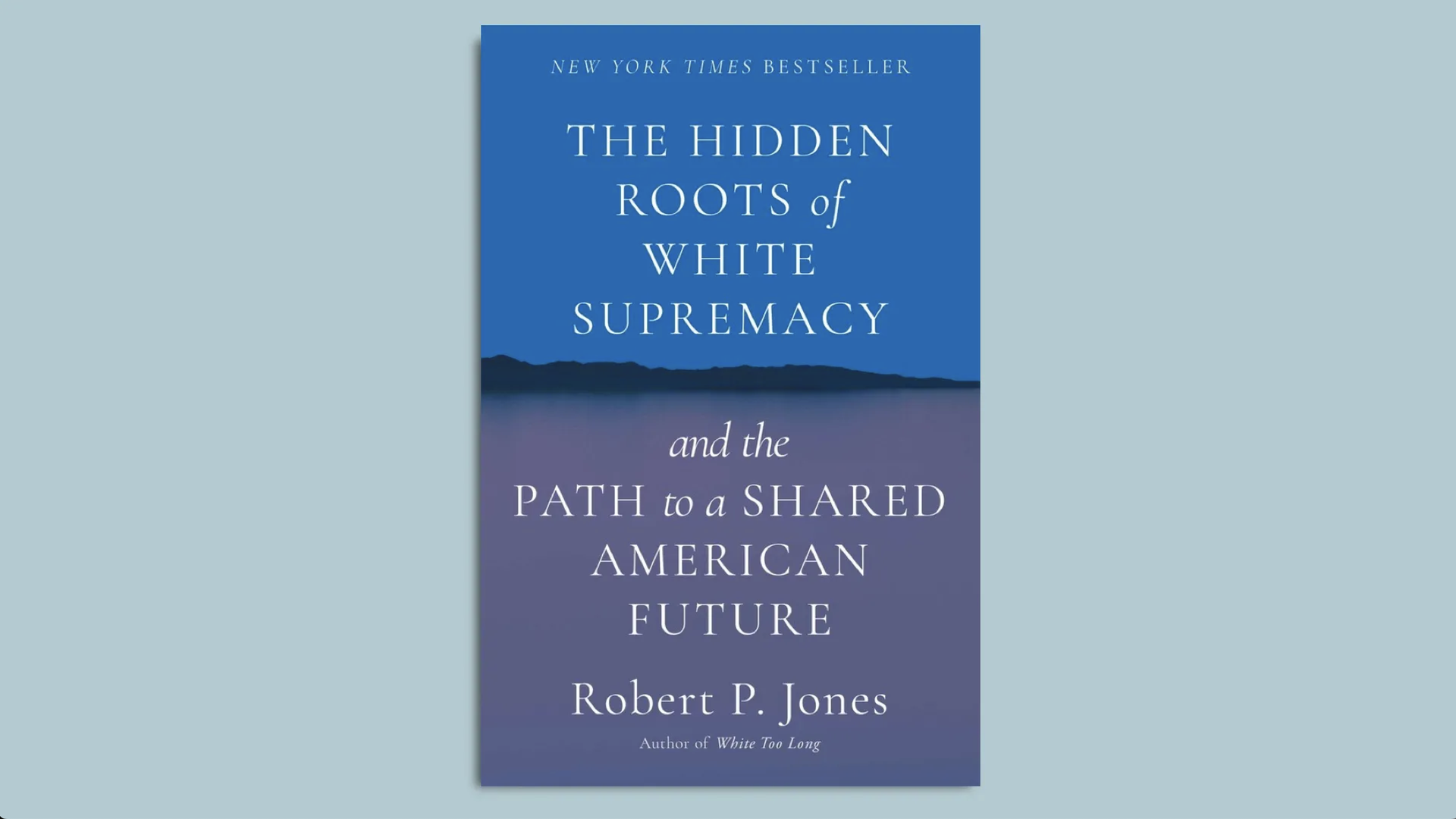
Photo: Courtesy of Simon & Schuster
To examine the origins of white supremacy in the United States, one may not need to look only to 1619 or 1776, but to 1493 — the year Pope Alexander VI issued the "Doctrine of Discovery," author Robert P. Jones writes in a new book.
The big picture: Jones tells Russell that any search for the nation's origin story needs to consider this largely overlooked doctrine because it shaped the racial order of the U.S.
Flashback: The "Doctrine of Discovery" was issued on May 4, 1493, and stated that any land not inhabited by Christians was available to be "discovered," claimed, and exploited by Christian rulers.
- The Catholic faith and Christian religions could be exalted and spread everywhere, and nations could be overthrown and brought into Christianity, the decree stated.
- It became the basis of all European claims in the Americas and the foundation for U.S. westward expansion, which would be cited in federal court cases against Indigenous people in the 19th century.
Details: Jones, president and founder of the Public Religion Research Institute, dives into the impact of that doctrine in his new book, "The Hidden Roots of White Supremacy."
- The book attempts to show how the U.S. story began with the doctrine and how that legacy led to violence against Black Americans centuries later.
What he's saying: "Just the basic idea that the U.S. — well, all of the Americas — were conceptualized as this promised land for European Christians ... it explains so much."
- Jones said he was influenced by Indigenous scholars who have been pointing this out for years.
Of note: The Vatican earlier this year repudiated the doctrine, saying the concepts "fail to recognize the inherent human rights of indigenous peoples."
4. A poet's bilingual dream
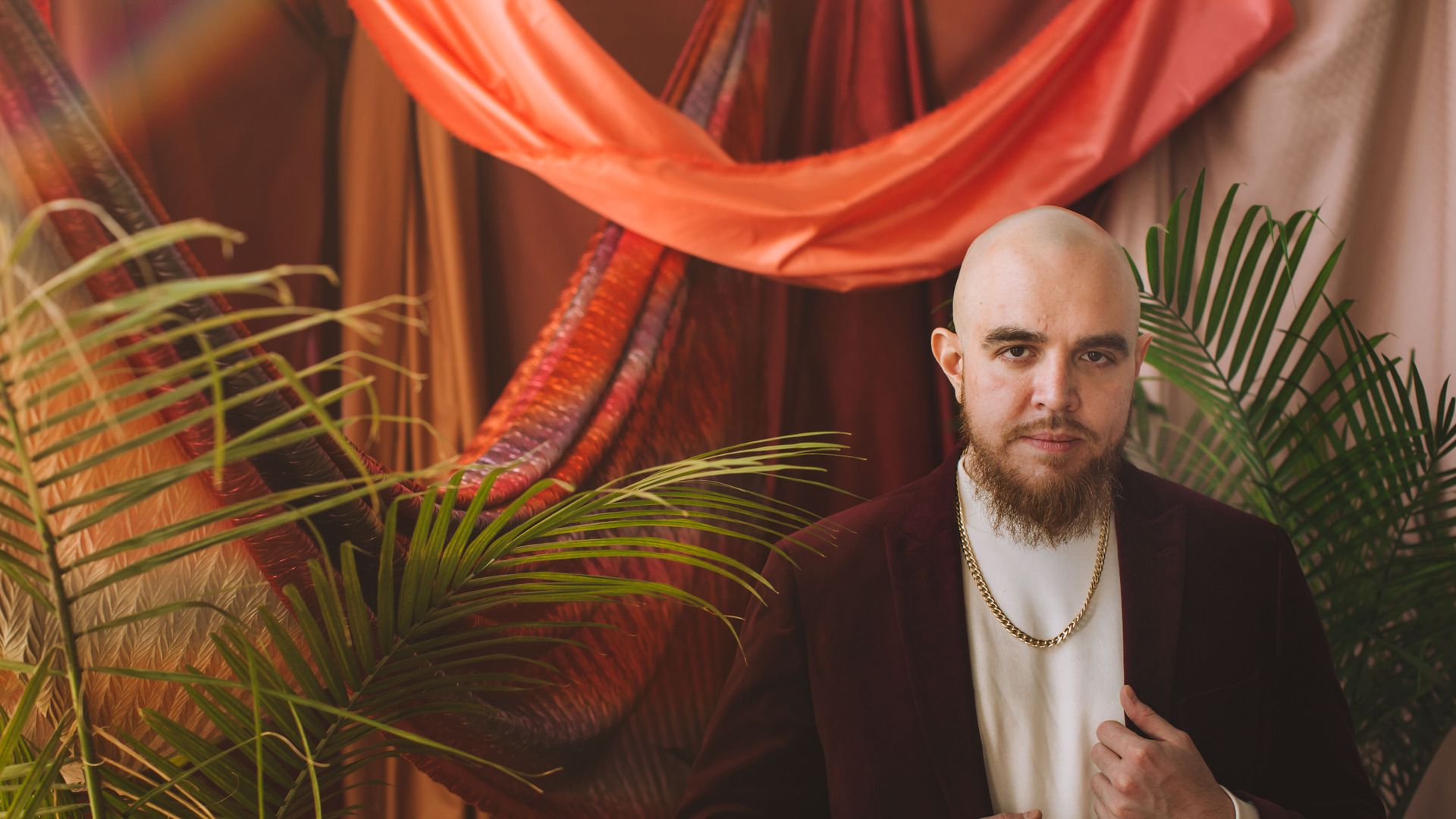
José Olivarez. Photo: Mercedes Zapata
Poet José Olivarez tells Marina he wants poetry to be accessible, which is why his latest work was published in both English and Spanish in the same copy.
Details: Olivarez' second book of poetry, "Promises of Gold/Promesas de oro," came out in February. The English poems make up the first half of the collection, and the Spanish versions, translated by fellow poet David Ruano González, make up the second.
- It's rare for adult literary work to be available in two languages in one copy, but Olivarez says it was a no-brainer to seek out a publisher that would agree to that.
- "I wanted a book that could be read together for families like mine … so that they might be able to share the poems and maybe have some good experiences that way," he tells Axios Latino.
Olivarez' poems are vivid, playful, and brimming with emotion, whether it's grief over losing a grandparent, sharing how the word ojalá "can be almost a holy place for its sense of possibility," or despairing at not having health insurance.
- The collection includes an "Ode to Tortillas;" a piece about workers at a factory, called "Poem Where No One Is Deported;" and another with musings about who people are outside of their roles as parents.
- In a series of poems he calls "Mexican Heaven," he also riffs on the way immigration could play a role in Latinos' afterlives, imagining his uncle saying "they died & still had to migrate haha."
5. La Llorona's generational trauma
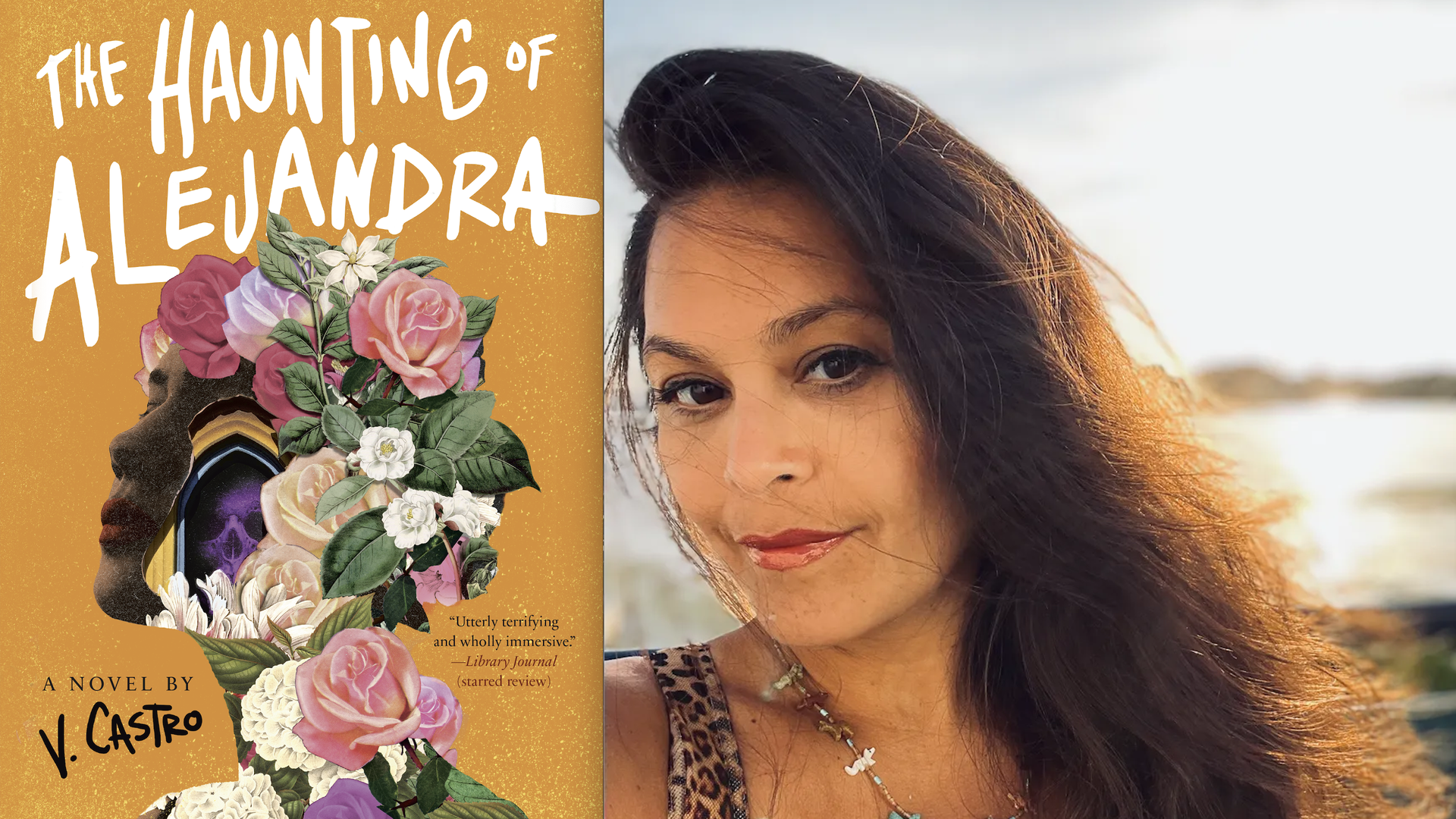
Violet Castro and her latest work, "The Haunting of Alejandra." Photo: Courtesy of Penguin Random House
La Llorona freaked us out as kids (and adults). But in Violet Castro's latest horror novel, the Mexican folk story is actually a symbol of other things that haunt us, Russell writes.
Details: "The Haunting of Alejandra" follows a woman who is struggling with life as a wife and mother.
- It's not until La Llorona appears that Alejandra has to take a dark journey to uncover the generational trauma experienced by her mother, grandmother and the women before them.
- To get rid of the spirit, Alejandra has to confront the pain.
Background: Castro, a Mexican American writer from San Antonio, Texas, who now lives in London, bends genres and tackles science fiction and horror to critique society.
- Like her 2022 novel "Aliens: Vasquez," a reimagining of the fictional Latina member of the U.S. Colonial Marine Corps in the 1986 hit sci-fi movie sequel "Aliens," Castro likes to flip around a popular tales.
- Castro tells Axios she uses Mexican American history or oral histories to draw readers in with stories they've likely never connected to popular cultural images.
The big picture: In Castro's latest work, Alejandra's journey involves uncovering secrets and trying to defeat La Llorona, a necessary spirit.
- Castro makes readers question what La Llorona's real message was.
5. What we're reading
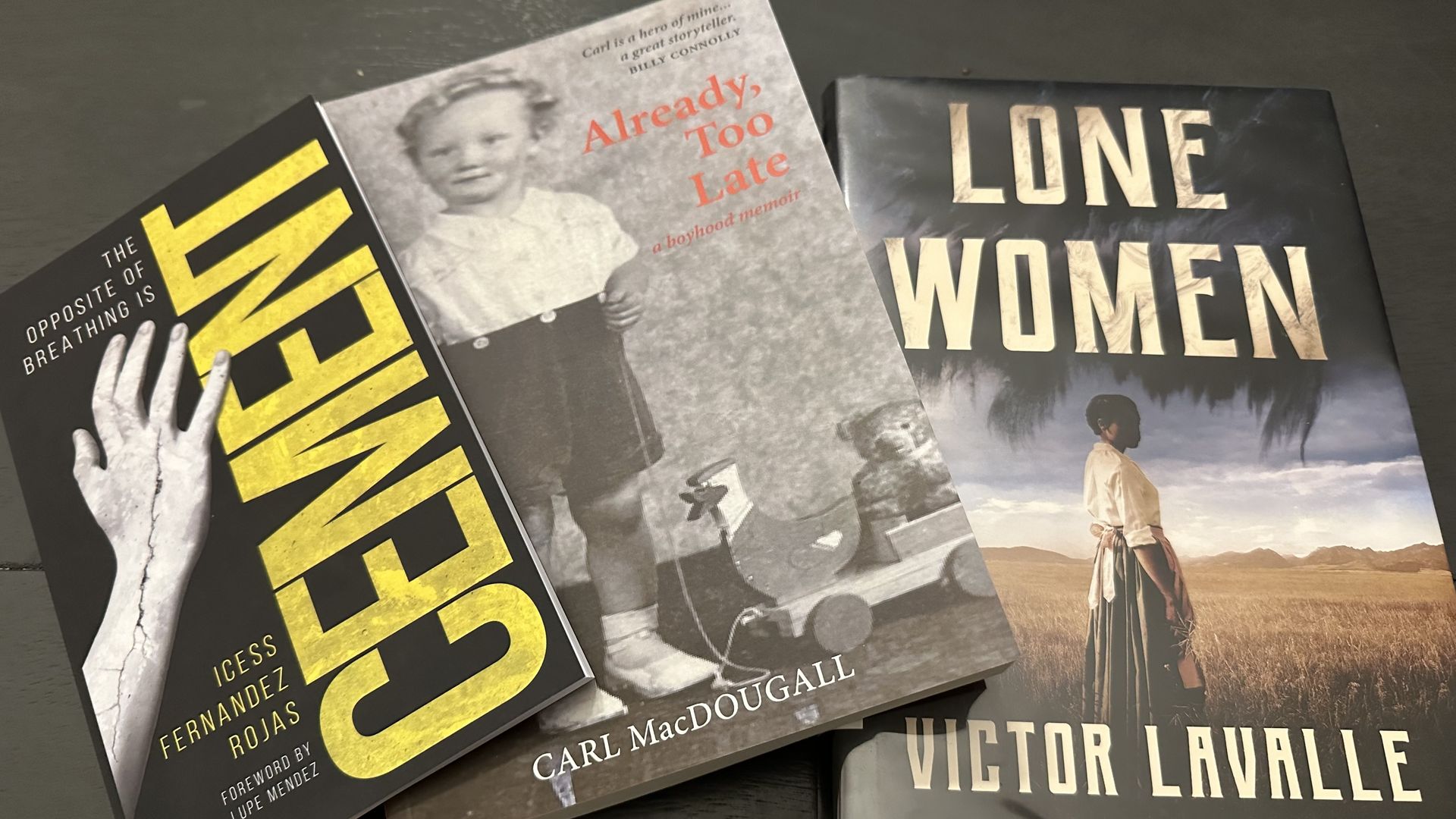
Photo: Russell Contreras/Axios
Russell: I am excited to jump into "The Opposite of Breathing is Cement: Poetry & Prose" by Afro-Cuban/Guatemalan American writer Icess Fernandez Rojas, a former mentee of mine.
- I'm also pumped to read "Already, Too Late: A boyhood memoir," by the late Scottish writer, Carl MacDougall.
- I also plan on diving into "Lone Women" by Victor Lavalle, a fellow graduate of Columbia's School of the Arts MFA Creative Writing Program. It's a Western with a Black woman as the main character.
Marina: I'm finishing up "Atomic Anna" by Rachel Barenbaum and just finished a re-read of Claudia Piñeiro's "Catedrales" (the English translation is forthcoming!)
- I'm excited to dig into "Femina: A New History of the Middle Ages Through the Women Written Out of It," by historian Janina Ramirez.
- And I'll start Julia Alvarez' upcoming book, "The Cemetery of Untold Stories," during the holiday break.
Editor's note: The first item in this newsletter has been corrected to note that Mia Sosa is a Brazilian American and Puerto Rican author (not just Brazilian American).
💜 Russell is remembering his grandma Ruth, who died on Christmas Eve, 41 years ago. Her last gift to him was a suit that wasn't opened until two months later.
🐓 Marina, a fan of Aardman Animations, is excited to watch the new "Chicken Run" movie this week.
❄️ Astrid is experimenting with this cool holiday cocktail.
Many thanks to Carlos Cunha, Laurin Whitney-Gottbrath and Axios Visuals for their help! See ya next year!
Sign up for Axios Latino
Keep tabs on the stories that most affect the U.S. Latino community on both sides of the border, a collaboration with Noticias Telemundo.