Axios Hill Leaders

April 21, 2025
We're back! Today's newsletter is 674 words, a 2.5-minute read.
- 🤐 The Senate's silent caucus
- ✈️ CODEL watch: Pope Francis funeral
1 big thing: 🤐 The Senate's silent caucus
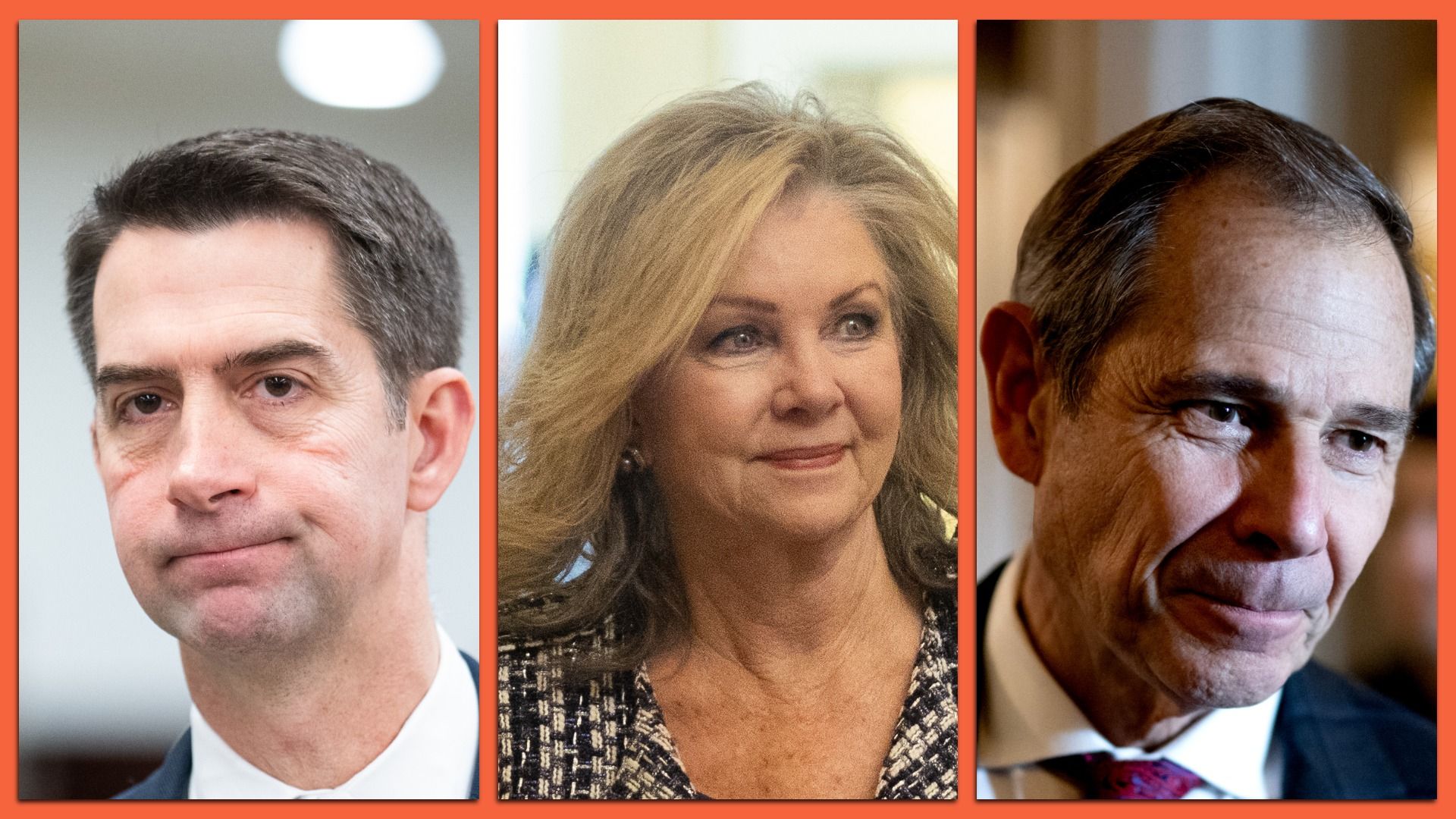
Sen. Tom Cotton (R-Ark.), who leads his party's messaging arm, has some simple advice for fellow GOP senators: Don't talk with reporters when you're walking to votes.
Why it matters: Cotton is one of a handful of senators who refuse to answer questions from congressional reporters in the Capitol hallways covering whatever is the biggest story of the day.
- Call it curtness. Or call it message discipline. But it allows Cotton and taciturn colleagues to respond to questions on their own terms.
- And it spares them from having to react to every utterance from President Trump.
- These senators will give occasional interviews to the press or join Sunday shows, but they are less likely to show their cards on days when the president makes controversial news or the Senate makes moves.
The Senate's "silent caucus" also includes:
- Sen. Tim Scott (R-S.C.), now chair of the NRSC, most often refers reporters to his staff or explains he does not answer hallway questions.
- Sen. Marsha Blackburn (R-Tenn.) will usually quickly tell reporters she doesn't do hallway interviews.
- Sen. Mitch McConnell (R-Ky.) while leader refused to answer spontaneous questions in hallways. He indicated to Politico last year that his approach may change in his post-leader era, but so far has largely maintained his silent stare when approached with a question.
- Sen. Bill Hagerty (R-Tenn.) usually refers reporters to his office when they pose a question.
- Sen. John Curtis (R-Utah) is new to the Senate but has already informed journalists he will not be taking regular questions when walking to and from votes.
- Sen. Cindy Hyde-Smith (R-Miss.) will also inform reporters she does not do hallway interviews when approached.
Between the lines: A Curtis spokesperson challenged the "silent" characterization, saying the senator supports the media's role but that they're wary of "bad faith" hallway conversations.
- "He wants to have honest, thoughtful, nuanced conversations and most of the time that's impossible to do in a 15 second sound bite," a spokesperson told us.
The other side: There are plenty of Democrats who are not considered media friendly, and many senators use tactics to avoid reporters from time to time (such as pretending to take a phone call to shun conversations).
- But most will give some kind of response to questions in the halls.
Zoom out: The decline of local reporters working from D.C. already means some constituents may hear less reporting on how their lawmakers are voting and reacting to major news, Axios Media Trends author Sara Fischer notes.
— Stef Kight
2. ✈️ CODEL watch: Pope Francis funeral
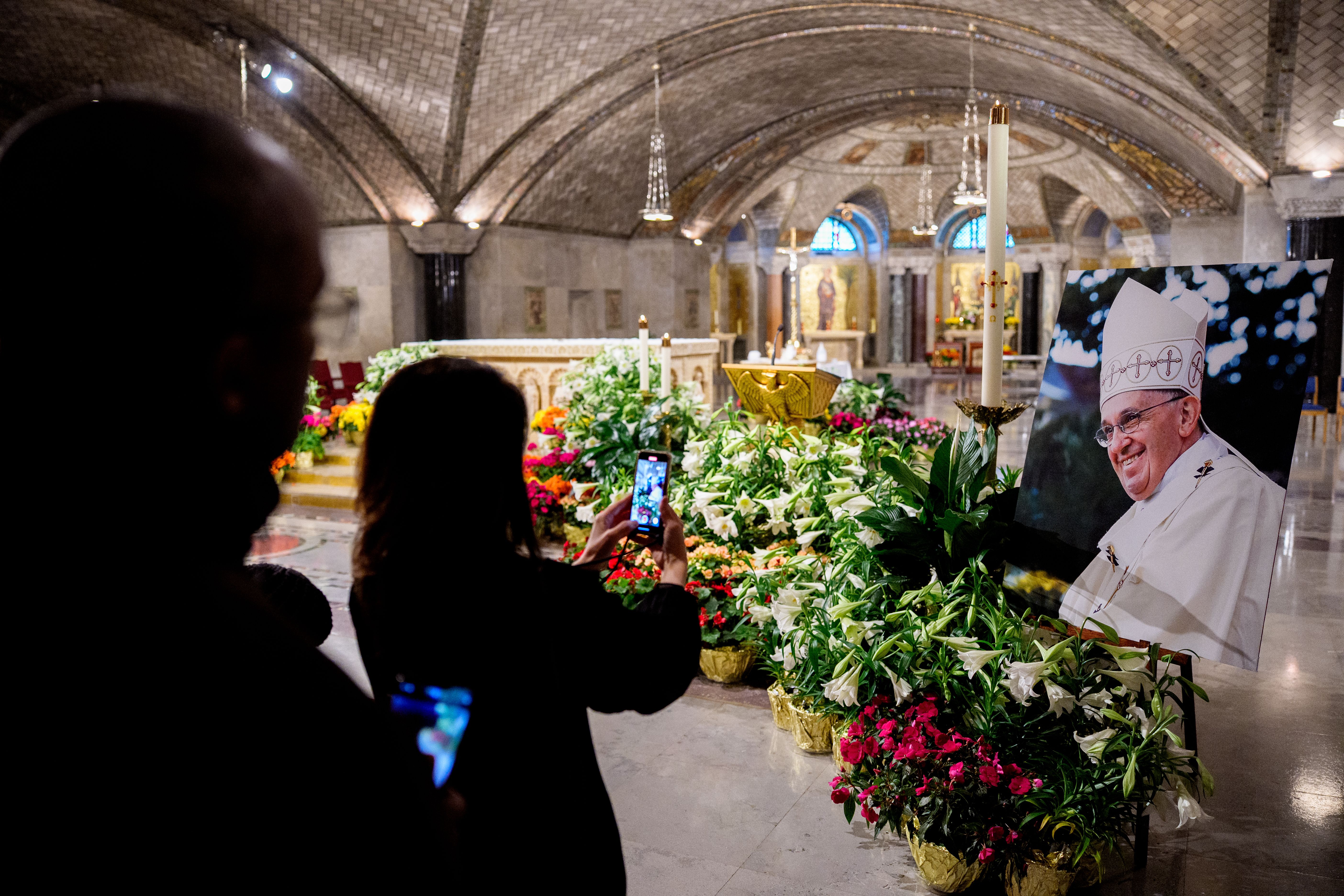
Look for a strong congressional presence at next week's funeral for Pope Francis.
- Senate Minority Whip Dick Durbin (D-Ill.) is interested in attending, his office told us.
- A date for the funeral hasn't been announced. President Trump will attend, the White House said today.
- In the House, Catholic members in both parties told us they are interested in attending but are waiting to hear what the dates are and whether they are invited.
Zoom in: Durbin is one of seven current members of Congress who attended a CODEL to Pope John Paul II's funeral in 2005.
- The other six: Sen. Susan Collins (R-Maine), then-Minority Leader Nancy Pelosi (D-Calif.), then-Minority Whip Steny Hoyer (D-Md.), Reps. Rosa DeLauro (D-Conn.), Chris Smith (D-N.J.) and Marcy Kaptur (D-Ohio).
Between the lines: There are roughly 150 Catholics serving in Congress, according to a Pew Research count in January.
- Back in 2005, Senate Majority Leader Bill Frist (R-Tenn.) and Speaker Dennis Hastert (R-Ill.) led the CODEL, which was split mostly evenly between the parties, Roll Call reported.
- "The Democratic leader and the Republican leader got together and discussed this," Durbin spokesman Joe Shoemaker told Roll Call at the time.
- "Reid talked to individual members and made the decision on who should be invited. Obviously, these are all Catholics."
— Justin Green, Stephen Neukam and Andrew Solender
This newsletter was edited by Justin Green and copy edited by Arthur MacMillan.
Sign up for Axios Hill Leaders