Axios Generate

November 21, 2024

🎁 We're opening today's newsletter with an exclusive for you, then roam around, all in just 1,203 words, 4.5 minutes.
🎸 Exactly 35 years ago, Janet Jackson was No. 1 on Billboard's album chart with "Rhythm Nation 1814," which provides today's absolute banger of an intro tune...
1 big thing: Exclusive — AI helps uncover clean energy metals in Australia
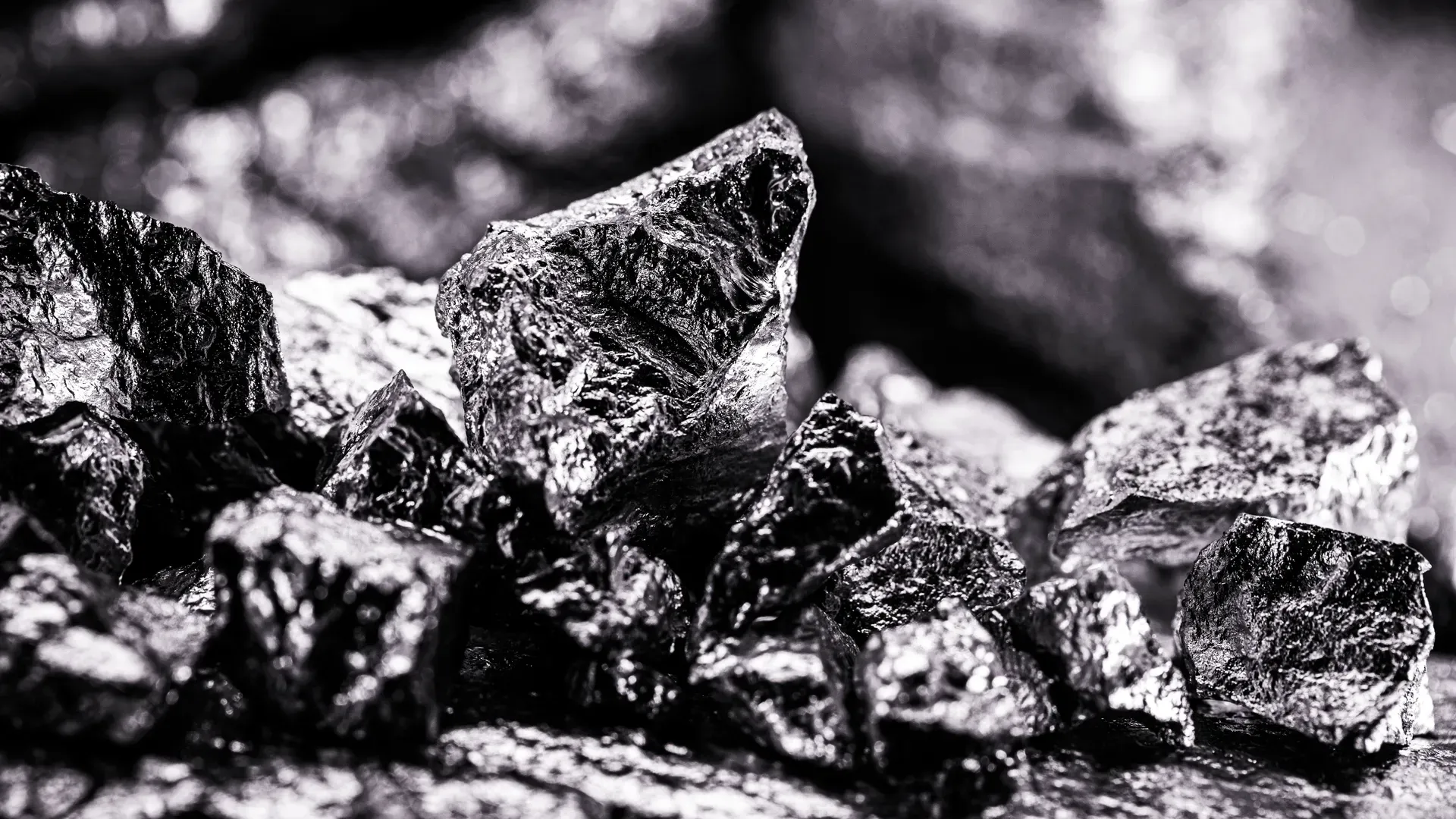
A company using artificial intelligence-driven methods announced a significantly expanded find of a large deposit of palladium, platinum and nickel in southeastern Australia, the company's founder first told Axios today.
Why it matters: Palladium and other related metals are vital to the transition to cleaner energy technologies, with uses in catalytic converters, hydrogen fuel cells and solar panels.
Zoom in: The find could make it the largest such discovery in Australia to date, Earth AI's CEO and founder Roman Teslyuk told Axios.
- Earth AI, founded in 2017, uses AI technology drawing from geophysical and other data to predict where valuable deposits of certain minerals may be found.
- This is an expansion of the company's second find and its third attempt to locate valuable metal and mineral deposits, including in largely unexplored areas, Teslyuk said.
- Earth AI owns its drilling technology, which allows it to have a lower environmental footprint, reduced costs and cut time when drilling exploratory holes to verify mineral deposits.
He said the company was able to spend under $300,000 to make the find, from making the predictions of where valuable metals might be discovered to conducting the exploratory drilling.
- This makes the AI-driven approach far cheaper than more conventional mining companies that tend to explore sites close to already operational mines.
- "We can afford to fail several times before we succeed, and it doesn't really affect our costs as much," he said.
Yes, but: The discovery itself doesn't mean the deposit will be profitably mined.
- Market conditions, the cost of accessing minerals and then getting them to the global market play roles in such a decision.
The intrigue: The find in southwestern New South Wales, near Wombat, at a site known as the Fontenoy Project, was made in conjunction with Legacy Minerals, which is a base-metal projects exploration company.
- At about 2 kilometers by 2 kilometers, or 1.2 miles by 1.2 miles, Earth AI says this expansion could make it one of the largest platinum group elements prospects globally.
- Russia and South Africa are the two largest producers of palladium. But Russian exports may be subject to sanctions tied to its invasion of Ukraine, while South Africa's palladium mines are increasingly expensive, Teslyuk said.
Zoom out: The U.S. and other countries are going to great lengths to secure a greater supply of valuable metals and minerals needed to power the clean energy economy, from EV batteries to wind turbines and solar panels.
- A recent International Energy Agency analysis found that while supplies of critical minerals have so far outpaced demand, meeting the Paris Agreement's climate targets would require a steep increase in production.
2. 🗞️ COP29 update: The text no one likes
The latest from UN climate talks in Azerbaijan is pretty on the nose for these summits: big talk of future action blended with struggles to make tangible progress in the now.
State of play: Negotiations on the main business at hand in Baku — a new climate finance deal — are far from resolution.
- New draft text lacks targets for how much wealthy industrial countries should provide developing nations to cut emissions and adapt to unavoidable harms.
- It recognizes that trillions of dollars in sum are needed, but lacks a yearly goal for 2025-2035. Developing nations want around $1.3T annually.
💬 What they're saying: "The elephant in the room is the lack of specific numbers in the text," said Mohamed Adow, head of the Kenya-based think tank Power Shift Africa.
- "This is the 'finance COP'. We came here to talk about money. The way you measure money is with numbers," he said in a statement.
- But he said there are positive signals in the text on grant-based financing and avoiding debt.
Yes, but: Negotiating texts at this stage often leaves all parties unhappy but may smoke out specific commitments for the next draft.
📢 Driving the news: Today the European Union, Canada, Mexico and several others said their upcoming emissions pledges through 2035 will be very aggressive.
- The non-binding Paris Agreement pledges will be "consistent with a linear or steeper trajectory" of emissions cuts toward net zero by mid-century.
- They will cover "all greenhouse gases, sectors, and categories," the countries said in a statement. Some climate groups called it an important step.
🔍 What we're watching: Brass tacks on the finance goal as talks enter crunch time.
- And whether and how the final text refers to the landmark "transitioning away from fossil fuels" phrasing from the Dubai talks last year.
3. 💵 How the IRA could outlast Trump


This chart ☝️ helps explain the bull case for the 2022 climate law surviving more or less intact despite Donald Trump's opposition.
Why it matters: It's the latest data to show private and public dollars for climate-friendly tech is flowing to red and blue areas alike.
- This could bolster GOP lawmakers' resistance to gutting the law.
- It's a big force behind the investment surge thanks to subsidies for manufacturing, energy projects, and equipment purchases.
Driving the news: Rhodium Group and MIT analysts this morning unveiled updated data on major categories of clean energy investments.
- Q3 2024 investment, mostly private dollars, in the three broad categories they track reached a new high of $71 billion.
What we're watching: The number of GOP lawmakers who oppose using IRA rollbacks to help pay for other tax cut extensions in next year's tax debate.
4. 👟 Catch up quick on policy: hydrogen cash and states' climate policy
💵 The Energy Department announced "award commitments" of up to $2.2 billion for hydrogen "hubs" in the Midwest and Gulf Coast under the 2021 bipartisan infrastructure law.
- Why it matters: The hubs program is among the biggest federal efforts to bolster the nascent — and uncertain — market for hydrogen made with low-carbon methods.
- Catch up quick: It follows awards to three other hubs last year under the multibillion-dollar cost-share program. Reuters has more.
- What we're watching: Other Biden administration moves to allot money before the change in power.
🧑⚖️ Via the Associated Press, "Virginia can't withdraw from a multistate initiative designed to reduce greenhouse gas emissions unless the Legislature agrees to it, a judge has ruled, dealing a blow to Gov. Glenn Youngkin's efforts to exit the compact."
5. 🔋One tech thing: Honda's solid-state progress
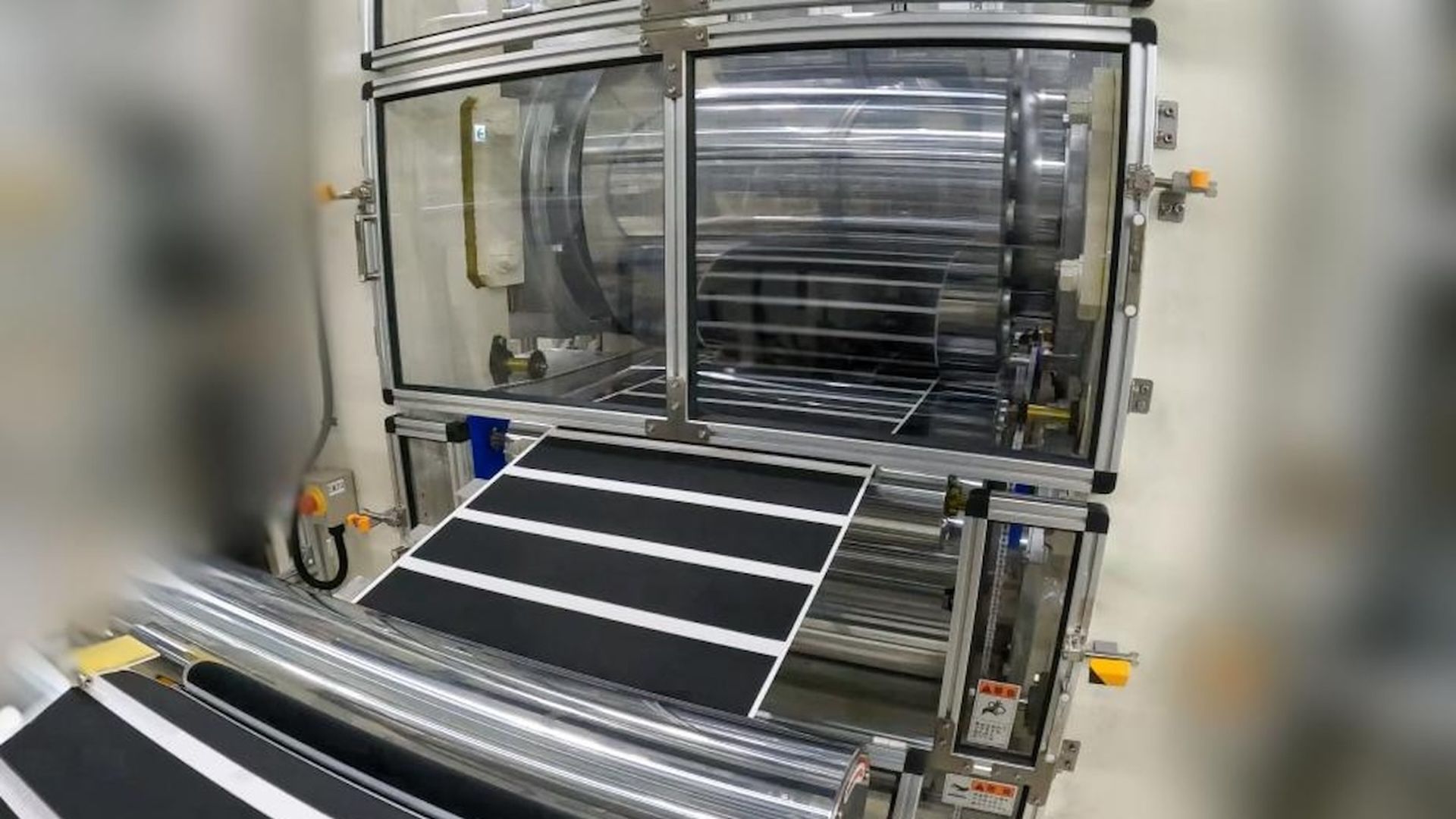
Honda just took the wraps off its demonstration production line in Sakura City, Japan, for solid-state batteries.
Why it matters: Solid-state tech holds the promise of longer range, faster charging and higher safety than lithium-ion units with liquid electrolytes.
- A suite of automakers and battery firms are moving toward commercial production in coming years.
The big picture: Honda's roughly $277 million demo starts up in January, the company said.
- It will verify steps like weighing and mixing of materials, "roll pressing" of electrodes and assembling battery modules. Car and Driver has more.
What we're watching: The auto giant sees mass production in the second half of this decade for units used in cars, motorcycles and more.
6. 🛢️Quote of the day: oil politics edition
"It is not the big trade associations or the large energy multinationals that have the most influence with the Trump administration, rather it's the smaller companies, the independents in the middle of the country, the wildcatters."— David Banks, an energy adviser in Trump 1.0, speaking to the Financial Times
Why it matters: Independents often have different, if overlapping, priorities from oil majors.
- One example: giant companies are keen to preserve IRA tax breaks for hydrogen and CCS.
📨 Did a friend, colleague or even a frenemy send you this newsletter? Welcome, please sign up.
🙏 Thanks to Chris Speckhard and Chuck McCutcheon for edits to today's edition, along with the brilliant Axios Visuals team.