Axios Generate

April 22, 2025

🌎 Happy Earth Day! We've got a newsy 1,091 words, 4 minutes.
🚨 Situational awareness: "The EPA will start a reduction in force among its remaining environmental justice staff on July 31," Bloomberg Law reports, citing an internal memo.
📻 This week in 2006, Amel Larrieux released the album "Morning" (h/t Albumism), which provides today's intro tune...
1 big thing: Another case for worry — but not panic — over AI's climate toll

Breaking: an International Monetary Fund study of the AI-climate-energy nexus finds reason for worry, but hardly panic.
Why it matters: Gaming out artificial intelligence's energy needs and the emissions in tow is a big challenge for policymakers, tech companies and power providers.
What they found: Under current energy policies, the IMF projects a cumulative 1.7 gigatons of additional CO2 emissions linked to AI's needs from 2025-2030.
- That's "similar to Italy's energy-related GHG emissions over a five-year period." A more renewables-heavy scenario they modeled shows a 1.3GT bump.
- For perspective, the International Energy Agency estimates total energy-related emissions at 37.8 GT last year.
Catch up quick: I'm declaring a trend! A recent IEA report found that fears about AI speeding up climate change "appear overstated."
Reality check: That said, global emissions are still rising and climate harms are worsening.
- Steep cuts are needed to avoid blowing way past the Paris Agreement goal of limiting the rise in global temps to 2.0°C.
- So major new emissions sources are cause for concern.
The intrigue: The IMF tries to compare the impact of emissions against global GDP gains from AI.
- It sees the "social cost" of 1.3GT-1.7GT of extra emissions at $50.7 billion to $66.3 billion.
- "The social cost of these extra emissions is minor compared with the expected economic gains from AI, yet it still adds to the worrying buildup of worldwide emissions," the study states.
- But it's using a social cost of carbon of $39 per ton. It's the median in a literature review cited but is far lower than many economists and scientists would say reflects real-world climate damages.
The big picture: "AI-driven global electricity consumption" could hit 1,500 TWh by 2030, the IMF authors find, citing OPEC and IEA data and their own calculations.
- That's comparable to India's total demand, notes the analysis that's a special section in IMF's wider new economic outlook.
What we're watching: Whether AI's emissions-cutting applications ultimately outweigh CO2 from data centers' energy needs.
2. 💵 VCs sticking with climate — for now


Climate-focused startups saw their valuations and deal sizes rise through Q1, despite punishing policy changes and painful market turmoil, per a Silicon Valley Bank study that Axios Pro Deals was first to cover.
Why it matters: The unlikely rebound, driven by soaring power demand, suggests that the venture pullback from climate may have found a floor.
The big picture: Skyrocketing electricity consumption by data centers, surging demand for resilient on-site power systems, and continued corporate decarbonization efforts are fueling investment.
- Venture funding for U.S. climate startups in Q1 climbed 4% from the previous quarter, the third straight quarterly increase for such investment, the report finds.
Reality check: In the first quarter, 1 in 3 deals was an extension round, as many startups accepted lower valuations or other compromises to stay alive amid a broad chill in venture investment.
- The number of deals, meanwhile, fell 18% to 959, the lowest tally since Q4 2020.
Unlock the whole story, and for a steady diet of scoops and smart analysis, talk to our sales team about Axios Pro Deals.
3. 🗞️ Three takeaways from Trump's EPA boss

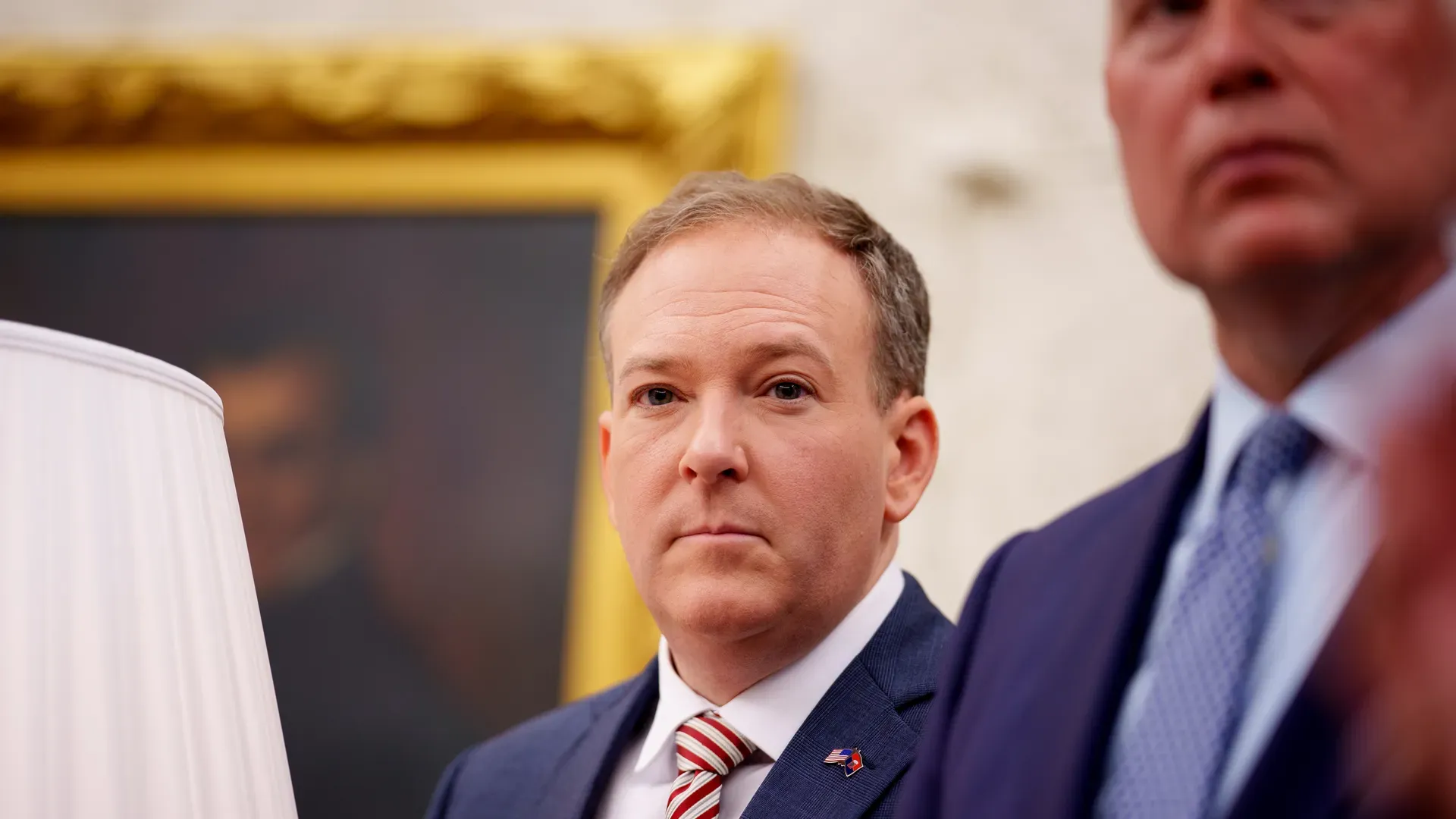
Here are the highlights from EPA Administrator Lee Zeldin's wide-ranging press conference yesterday...
⏰ EPA will go through a full rulemaking and comment process as it tries to revise the "endangerment finding" underpinning federal climate regulations, he said.
- Why it matters: It's an early indication of how the process could play out for one of the Trump EPA's most important — and controversial — actions. A full rulemaking could take years.
- Driving the news: "There isn't a set timeline here," Zeldin said during a news conference at EPA headquarters.
- Catch up quick: The 2009 finding on emissions' threats to human health and welfare is the legal underpinning for federal greenhouse gas controls. Go deeper on Zeldin's remarks yesterday.
💵 Zeldin defended his efforts to claw back IRA grant money, cut staff and reorganize the agency.
- The big picture: He argued EPA's environmental justice money, which he's sought to curtail, was not being spent "to remediate an environmental issue."
✂️ He also said he supports the mission of DOGE but that "we don't have any non-EPA employees here inside of the building."
- State of play: "We have a few people who have been working on a mission connected to DOGE, but they work for EPA. The decisions that are made are made by me."
4. 🧁 Bonus policy notes: Congestion pricing, solar, K Street, Interior
⚔️ Transportation Secretary Sean Duffy is threatening to withhold funding and approvals for New York City projects unless Gov. Kathy Hochul complies with his demand to end the congestion pricing program.
- Why it matters: His new letter escalates the battle over the nation's first large-scale congestion pricing effort — a program that climate groups call a way to curb transit emissions.
- The other side: "I repeat: congestion pricing is legal — and it's working. Traffic is down, business is up and the cameras are staying on," Hochul, a Democrat, said in response to the letter.
- What's next: Duffy set a May 21 deadline and says that absent compliance, the Federal Highway Administration on May 28 will cease construction approvals and environmental sign-offs for Manhattan projects. It "may" impose additional penalties like withholding finance.
☀️ The Commerce Department has finalized steep import duties on solar cells from Cambodia, Malaysia, Thailand and Vietnam.
- Why it matters: The case stems from domestic manufacturers alleging Chinese firms have dodged trade penalties by routing operations through other nations.
- What's next: The penalties will take effect if the U.S. International Trade Commission makes a separate injury determination in coming weeks. Bloomberg has more.
💼 Drew Maloney, head of the American Investment Council, is leaving to serve as the next president and CEO of Edison Electric Institute.
- Why it matters: EEI, the trade group for investor-owned electric companies, is bracing for a transformative time amid rising demand and huge policy shifts under Trump 2.0.
- Catch up quick: Maloney, a top Treasury official in President Trump's first term, will succeed the current interim president and CEO Pat Vincent-Collawn, who stepped in for Dan Brouillette. Go deeper.
✂️ Via the Washington Post, "Interior Secretary Doug Burgum has given a former oil executive and aide to Elon Musk broad latitude to cut costs and consolidate work within his vast department."
5. 😮 Stunning stat: data centers edition
Let's end this edition where it began. Here's a wild factoid from that IMF analysis of AI and data centers I wrote about up top, using figures from Cushman & Wakefield:
- "In northern Virginia, which features the largest concentration of data centers in the world, the square footage of server-filled warehouses is now roughly equivalent to the floor space of eight Empire State Buildings."
📧 Did a friend, colleague or an AI chatbot send you this newsletter? Welcome, please sign up.
🙏 Thanks to Chris Speckhard and Chuck McCutcheon for edits to today's edition, along with the brilliant Axios Visuals team.
Sign up for Axios Generate