Axios Generate

May 27, 2025

😳 A lot has happened since our last edition. But we'll look forward and back right after some breaking extreme weather analysis.
- It's all just 1,242 words, 4.5 minutes.
🎸 Happy birthday to Siouxsie Sioux of the post-punk pioneers Siouxsie and the Banshees, who have today's intro tune...
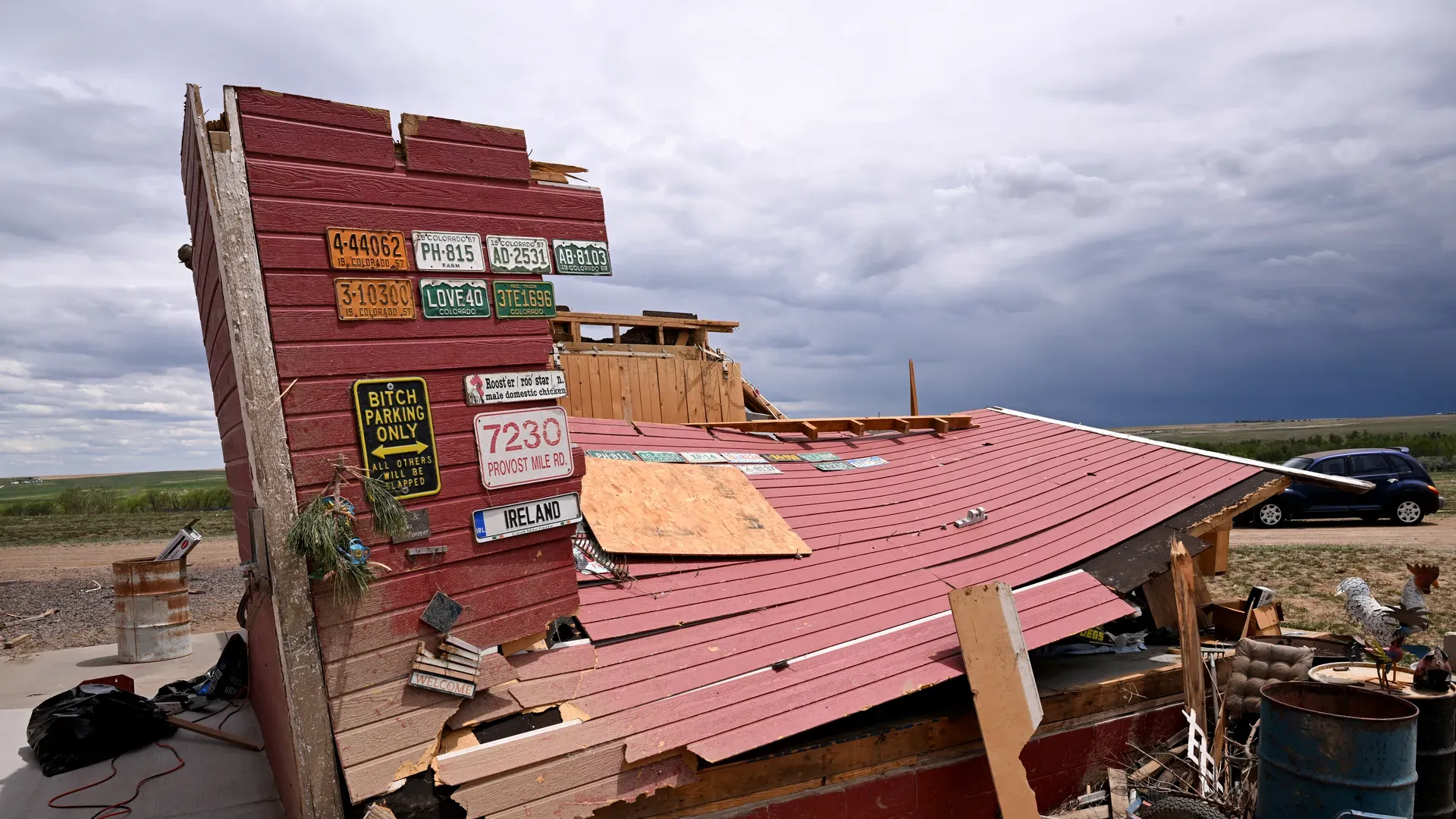
1 big thing: The U.S. faces outsized, storm-driven insurance losses

U.S. insured losses from severe thunderstorms and tornadoes this year are running well above historic averages, and the gap's only getting worse, insurance brokers Aon say.
Why it matters: The Trump administration is gutting FEMA and telling states to solve their own crises, just as the climate-influenced impact of disasters is getting worse.
By the numbers: From the start of the year through the end of April, severe thunderstorms caused $11 billion in insured losses, Aon said in a report last week.
- But then May's devastating tornadoes hit — and Aon say that loss figure "could double by the end of the month."
What they're saying: "The shift to a much more seasonally active pattern with near-continuous rounds of severe thunderstorms across the U.S. in early May is likely to push insured weather losses well above the 10-year average," Dan Hartung, global head of event response at Aon, said in a statement.
Between the lines: Since 2015, the U.S. has averaged insured losses of $33 billion a year from "severe convective storms," up 90% from the prior decade.
The intrigue: Aon said more than 80% of the increase in losses was due to growing insurance exposures, as opposed to weather changes.
- Of the 10 costliest tornado outbreaks in U.S. history by insured loss, per the Insurance Information Institute, five hit since 2023 and seven since 2019.
The bottom line: Local communities face mounting losses at a time when help is disappearing.
2. ➡️ The next stage of DOE's coal support
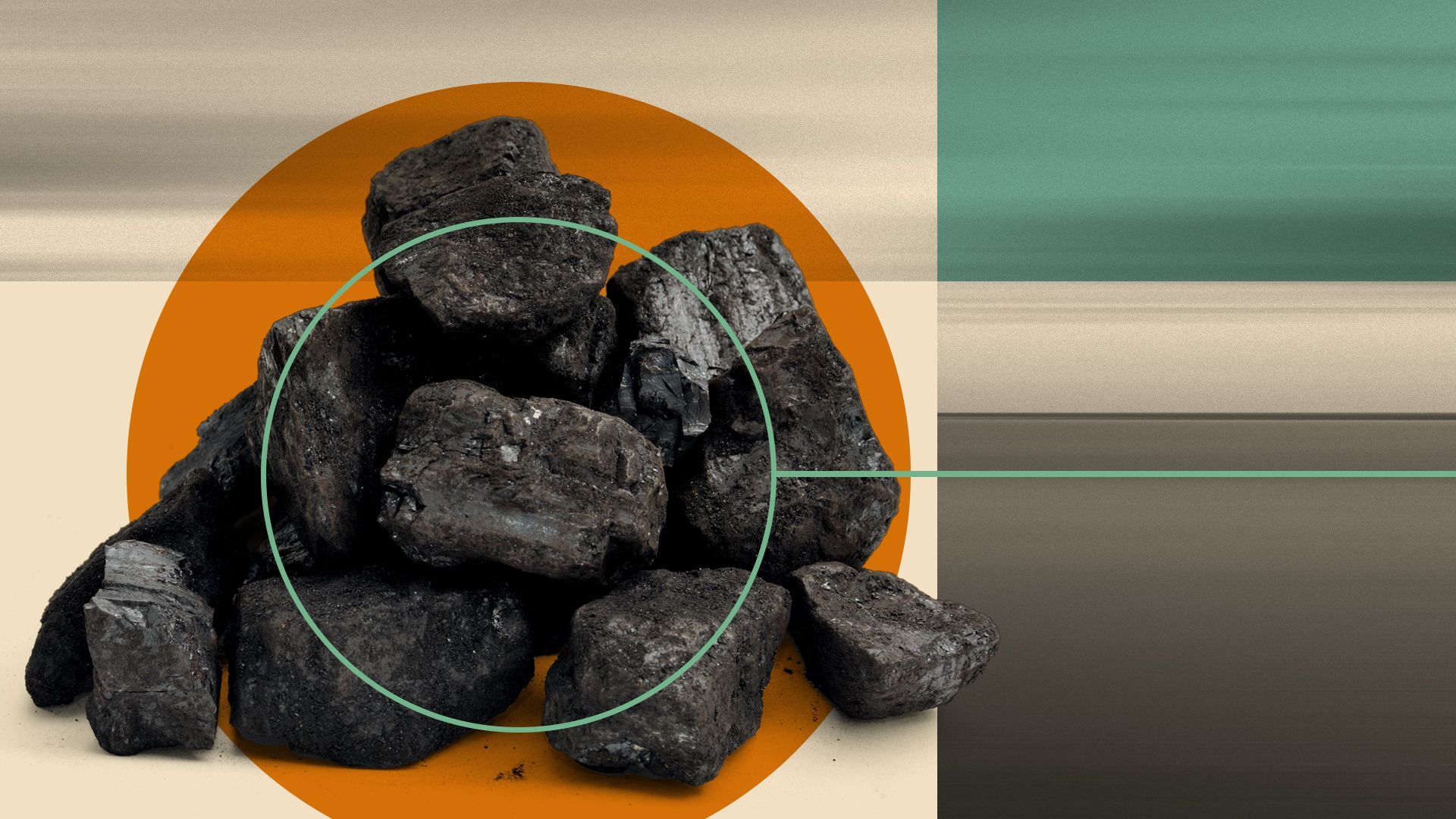
The Energy Department's order to keep a Michigan coal plant running this summer is short in duration but could signal bigger battles to come.
State of play: Secretary Chris Wright on Friday demanded that Midwest grid operators and utility Consumers Energy keep the J.H. Campbell plant online until at least Aug. 21.
- It had been slated to retire May 31. Wright's order using emergency authorities cites "insufficiency of dispatchable capacity and anticipated demand during the summer months."
- Wright's separate statement says it ensures regional residents "do not lose critical power generation capability as summer begins" and demand gets high.
The other side: Michigan's top utility regulator called it unnecessary given the state's "robust" planning and excess production, and said it will raise costs.
- "There is no existing energy emergency in either Michigan or MISO," said Dan Scripps, chair of the Michigan Public Service Commission.
- Public Citizen's Tyson Slocum said he's unaware of these Federal Power Act emergency authorities — specifically Section 202(c) — being used to extend the life of a soon-to-retire plant.
"Neither MISO nor Consumers [Energy] initiated the request. This is Trump abusing emergency authorities to play politics," Slocum, head of the advocacy group's energy program, said via email.
What we're watching: Other Trump 2.0 moves to slow coal's ongoing decline in the U.S. power mix.
- Wright, in a statement, called the order part of broader policies to ensure reliable and affordable power.
Go deeper: Power markets expert Travis Kavulla dives into the complex backstory of the Michigan plant's planned retirement.
3. ⚛️ The market is taking Trump's nuclear orders seriously


Nuclear energy stocks bounced on the news of President Trump's executive orders aimed at speeding up project development.
Why it matters: The updraft for small modular reactor and fuels companies suggest investors see Friday's orders moving the needle.
- Large, incumbent power companies in the nuclear space including Constellation Energy and Vistra Corp. also saw gains.
Catch up quick: The orders look to accelerate construction of advanced reactors at federal sites while telling the Nuclear Regulatory Commission it has 18 months to decide on new reactor licenses.
The big picture: The White House's emphasis on the Energy and Defense departments — while ordering a "total and complete reform of NRC culture" — marks a dramatic shift in U.S. nuclear policy.
Yes, but: The orders raise questions about just how quickly licensing decisions can occur at the understaffed commission that Congress has already directed to take the lead in approving advanced reactors.

4. 🛑 EPA might avoid any power plant CO2 limits — report
EPA has written a plan to "eliminate all limits on greenhouse gases from coal and gas-fired power plants," the NYT reports, citing internal documents sent to the White House for review.
Why it matters: While EPA is already scuttling Biden-era power plant rules, the report adds new info about Trump 2.0's regulatory posture on the second-largest U.S. CO2 source.
Yes, but: EPA did not confirm the NYT story.
- In a statement to Axios, it said the Biden EPA's 2024 rule collides with a 2022 Supreme Court decision that limited regulators' running room on climate absent new legislation.
- "In reconsidering the Biden-Harris rule that ran afoul of Supreme Court case law, we are seeking to ensure that the agency follows the rule of law while providing all Americans with access to reliable and affordable energy," EPA head Lee Zeldin said.
Catch up quick: An internal draft said U.S. power plants don't add significantly to climate change because they're a small and declining share of global emissions, the NYT reports.
- But Environmental Defense Fund attorney Vickie Patton, in their story, notes that fossil-fueled power plants "emit pollution levels that exceed the vast majority of countries in the world."
- The brewing policy is part of a wider initiative to tear out Biden's climate policies root and branch.
What we're watching: What emerges from EPA. Records show EPA sent a draft proposal to the White House for review on May 2.
5. 🛢️ Catch up quick on oil and gas
🥊 Exxon and Chevron began formal arbitration this week over a massive oilfield off Guyana that's critical to Chevron's blockbuster — but stalled — acquisition of Hess Corp.
- Why it matters: "What it highlights is how valuable big, low-cost oil fields really are in a world where it's getting harder and harder to find them," Dan Pickering of Pickering Energy Partners tells the WSJ in a must-read feature.
- State of play: Exxon, which is Hess' partner in the bloc, is asserting a contractual right of first refusal for the stake. Chevron contests the claim. They began hearings in London yesterday before an International Chamber of Commerce tribunal, per multiple reports.
👍Venture Global said it will quickly start on-site construction of the big CP2 LNG terminal in Louisiana. It follows a FERC order on Friday that Venture calls the final needed step.
- Why it matters: The project has been at the heart of legal and advocacy battles over LNG and its climate effects.
- What we're watching: "With all federal approvals now in hand we look forward to immediately launching on-site construction on this project that will deliver reliable low-cost LNG to the world, starting in 2027," Venture CEO Mike Sabel said in a statement.
6. 🧮 Number of the day: -8
That's the week-over-week decline in U.S. operating oil rigs, energy services firm Baker Hughes reported Friday.
Why it matters: Their closely watched tally is the latest sign of producers' caution amid price declines and tariff questions.
- The oil rig count is down by 32 compared to a year ago.
- With shale players pulling back, analysts see U.S. overall output growth stalling and even heading for a 2026 decline due to modest prices and demand growth.
What they're saying: "After a volatile few months for crude prices, US shale E&Ps have largely de-risked '25 activity plans to hold flat US production," Jefferies analysts said in a note yesterday.
What we're watching: OPEC+ members will set July output levels late this week, which could bring another large injection of barrels.
- ING analysts predict a third straight 411,000 barrel-per-day increase.
- "This should keep the market well supplied over the second half of this year," they said in a note.
📧 Did a friend, colleague or an AI chatbot send you this newsletter? Welcome, please sign up.
🙏 Thanks to Chris Speckhard and Chuck McCutcheon for edits to today's edition, along with the brilliant Axios Visuals team.
Sign up for Axios Generate