Axios Gaming

March 21, 2022

Megan here with Axios Gaming. Stephen and I are both at the Game Developers Conference in San Francisco, so expect updates from the floor as the show continues.
Today's edition: 1,125 words, 4 minutes.
1 big thing: GDC returns
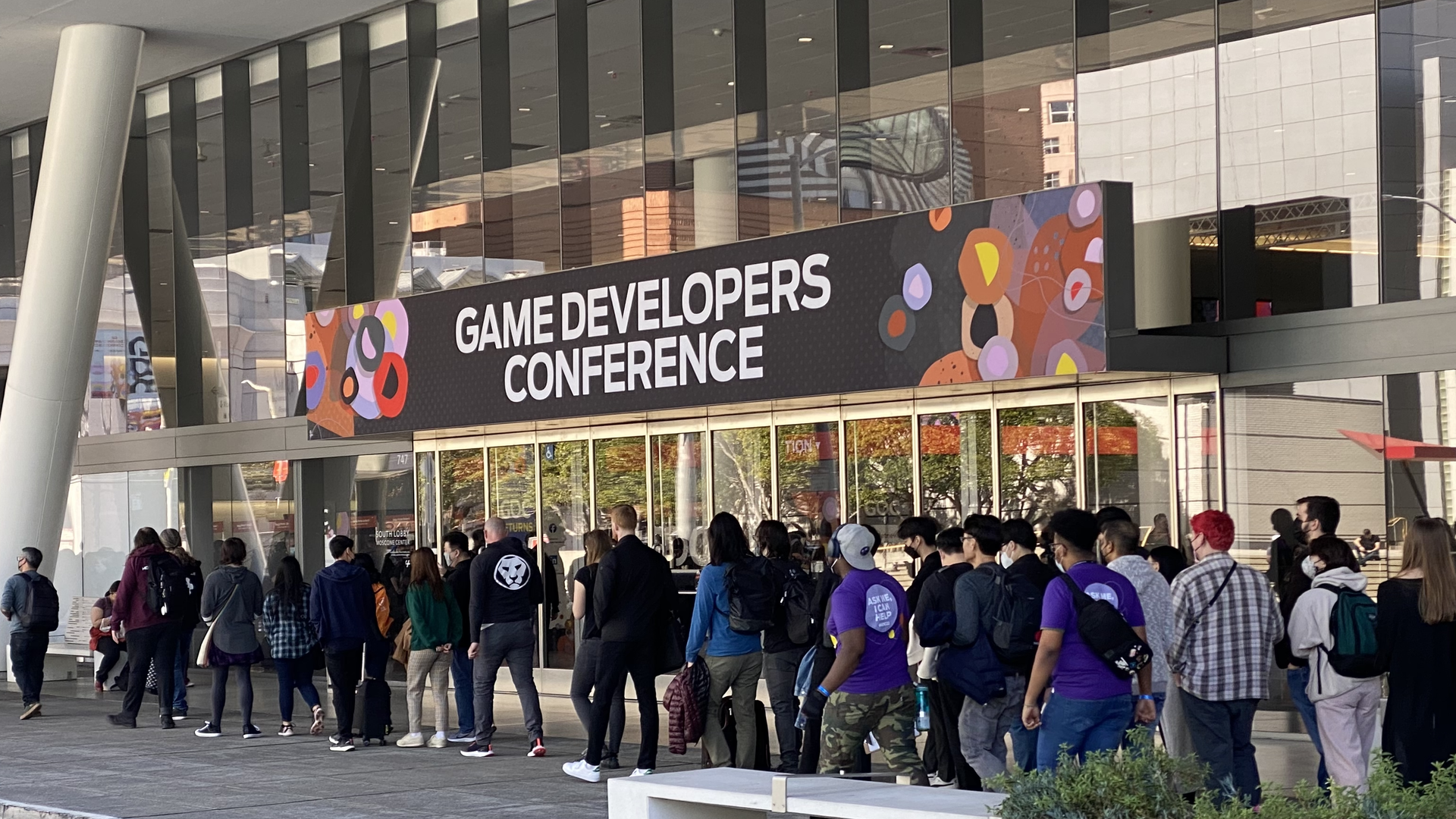
Photo: Axios
The annual Game Developers Conference returns as an in-person event this week, following two years of cancellations and virtual sessions due to COVID-19.
Why it matters: GDC will mark the biggest in-person gaming event held in North America since the start of the pandemic.
- It was the first major gaming event organizers canceled in 2020, a portent for the rest of a typically conference-packed year.
- First held in 1988, GDC brings together a wide variety of developers, engineers, artists, designers and businesses for lectures, awards events, panels and networking opportunities.
Speaking with Axios, GDC general manager Katie Stern said that organizers felt it was important for the games industry "to really come together for the first time in two some-odd years."
- This year's GDC will be a "bit of a smaller event, although a lot more intimate," she added, but the majority of attendees will be present in person.
- "We're really only seeing about 10% of our registration base opting for the virtual show."
- Virtual attendees will still get to participate in the show with interactive elements, Stern said, including networking rooms directly after presentations.
This year's event is adhering to state and local COVID-19 guidelines. Attendees must be vaccinated; a recent negative COVID-19 test result, which some institutions across the U.S. take, will not be accepted as an alternative.
- "The city of San Francisco is saying that we're the largest event they will have had since the pandemic," Stern said.
- On-site testing is also available.
On the main stage, GDC is featuring a talk called The Developer's Renaissance, centered on a conversation about the changing workplace and future of game development. It will feature three speakers:
- Eidos-Montréal head of studio David Anfossi.
- Davina Mackey, director and president of PlayStation Studios QA and Black@PlayStation.
- Mike Wilson, a founding partner at Devolver Digital and co-founder of new games-health company DeepWell.
What's next: "I think moving forward, GDC will always have some element of online component," Stern said.
- The game industry is worldwide, she continued, but not everyone has the means to travel to the on-site conference in San Francisco.
- "This has really opened up our ability to reach developers where they are and in a way that is accessible to them."
2. You ask, we answer
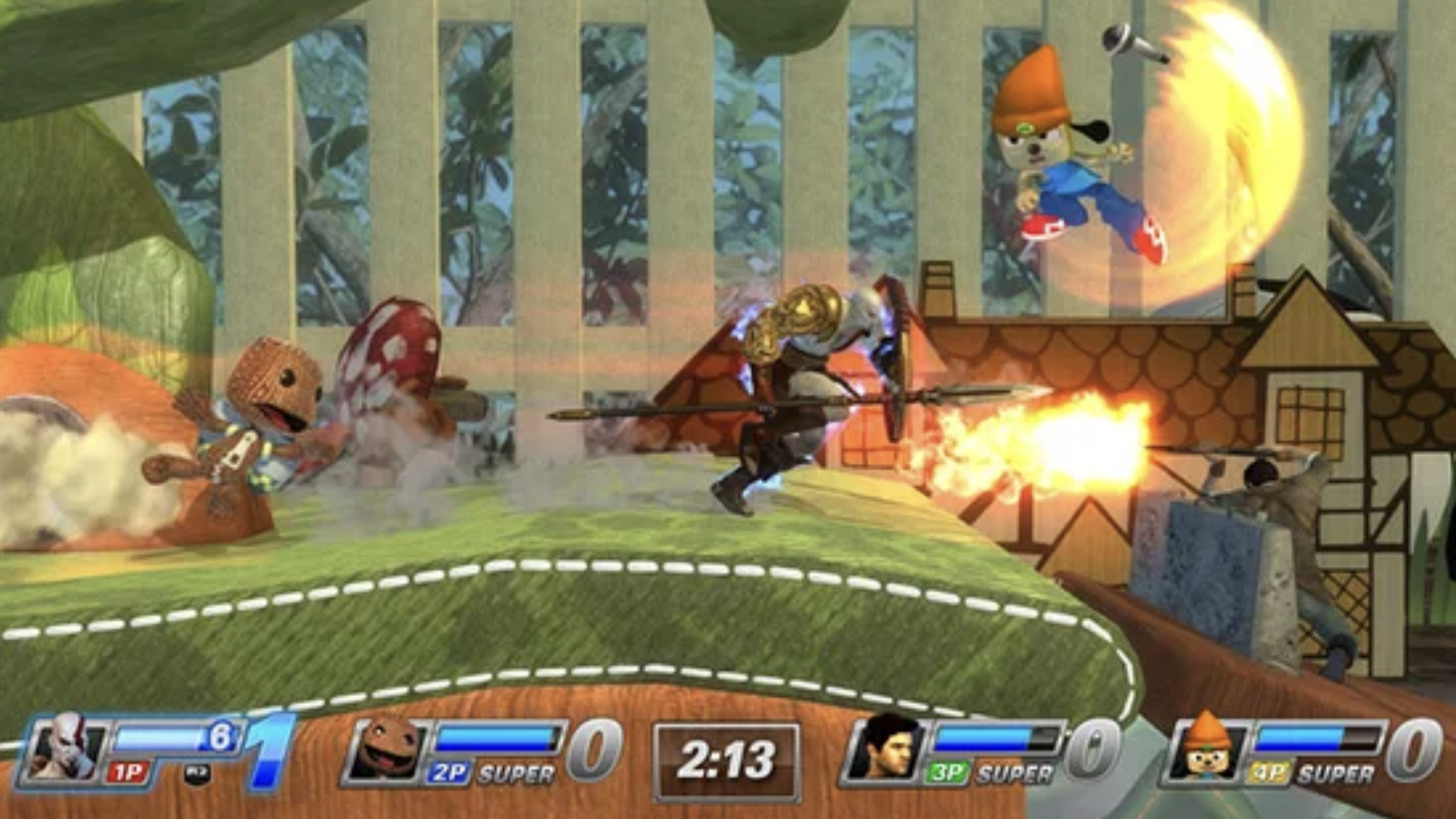
Kratos vs. Sack Boy vs. Nathan Drake vs. Parappa the Rapper from PlayStation All-Stars. Screenshot: Sony Interactive Entertainment
It’s weekly Q&A time. Our stack of questions is running low, so please reply to this newsletter with your burning inquiries.
Q: Thoughts on an interconnected PlayStation Cinematic Universe? Would this make sense for Sony given its game IP is distinct rather than interconnected?
A (from Stephen): It doesn’t seem like it’d work for the reason you cite. Sony gaming franchises don’t take place in the same world.
- Uncharted’s Nathan Drake doesn’t hang out with God of War’s Kratos. The Last of Us and Ghost of Tsushima don’t overlap, either. (Though many PlayStation all-stars did beat each other up in a fighting game a decade ago.)
- Sony’s best play for interconnectedness is probably just to identify its other planned PlayStation TV/movie productions as coming from the same platform.
- I’m skeptical that more is possible, given that even seemingly surefire shared movie universes, like DC Comics’, have struggled to replicate Marvel’s success.
- That said, the movie "Uncharted" has been a huge hit (grossing more than $300 million worldwide). Signs of future PlayStation-branded success? Or just a sign that Sony Pictures needs Tom Holland to star in everything?
3. Need to know
📺 More video game TV adaptations: fighting series Tekken is coming to Netflix as an anime this year; French stealth game Plague Tale: Innocence, which focuses on kids escaping an inquisition, will be produced as a series in its native country.
☹️ Nintendo's Wii and DSiWare online shops are offline, according to multiple reports. New purchases haven't been allowed for years, but access to the shops enabled people who had purchased games to re-download them. Nintendo hasn't clarified the nature of the outage.
🔨 Fortnite's newest season has launched with its signature ability to build structures during its 100-player shootouts turned off. It's a plot development that fans don't think will be permanent.
💰Sony announced another acquisition today, saying in a blog post that Montreal-based studio Haven, founded by prominent game creator Jade Raymond, would join PlayStation Studios.
🤺CD Projekt RED confirmed today that it is working on a new Witcher title. The studio's last full release was 2020's Cyberpunk 2077, which faced widespread criticism for its performance and content.
🔮 Qualcomm today unveiled the Snapdragon Metaverse Fund, investing up to $100 million in companies focused on building virtual and augmented reality apps, as well as those working on key underlying technologies.
🇺🇦 Ukraine updates:
- Humble's Ukraine charity bundle of games has raised more than $10 million over the weekend.
- Epic has raised $36 million so far for humanitarian relief for the war's victims. The company had pledged to donate all proceeds generated by Fortnite between March 20 and April 3 to various organizations supporting people affected by Russia's invasion.
- Xbox said it will join Epic in this effort, and donate "net proceeds for Fortnite" from March 20 to April 3.
4. A new virtual Tokyo
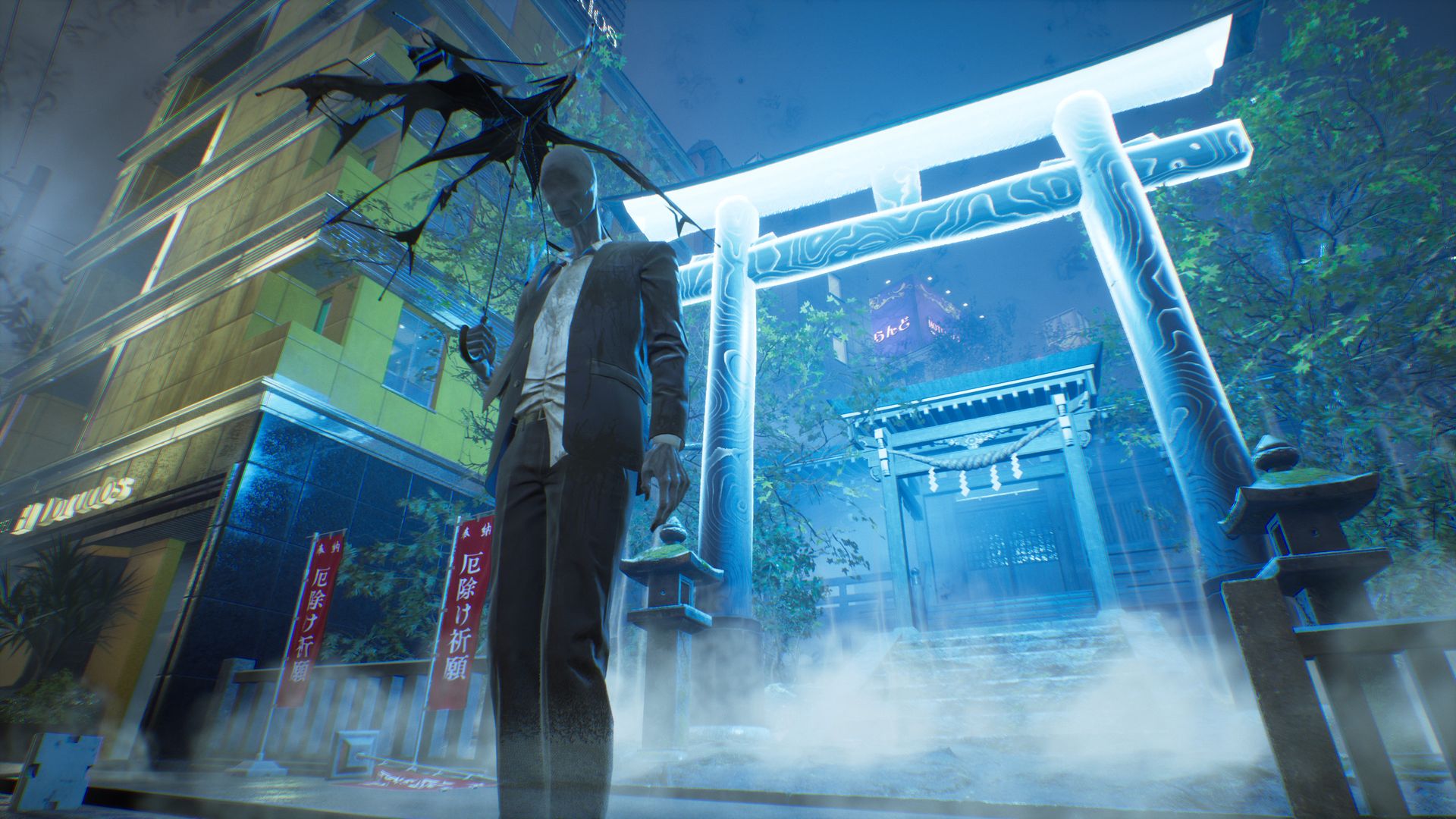
Screenshot: Tango Gameworks/Bethesda
Friday’s big PlayStation 5 and PC release Ghostwire: Tokyo is unexpectedly eerie, given that its depiction of a desolate Tokyo was largely produced while Tokyo itself was impacted by the pandemic.
- The game puts the player in the aftermath of a mysterious disaster that leaves the city’s streets and alleys filled with paranormal spirits, many based on Japanese urban legends.
- Game director Kenji Kimura tells Axios through a translator that he had a chance to walk through part of the city when many people were homebound because of COVID-19.
- “I did get the sense that maybe there are these paranormal things, these entities that could exist instead of the people that were usually there. It kind of helped solidify this belief that it would make a good theme for the game.”
The game’s Tokyo is a condensed version of the real thing, concentrating many of its real sights into the Shibuya district.
- Producer Masato Kimura says his team, who largely worked remotely, included obvious touristy sites like Tokyo Tower and Shibuya crossing with less flashy local architectural signatures like government-owned apartment complexes, drinking alleys and underground shopping malls.
- He hopes there’s a time, post-pandemic, when foreign players can visit the real city. “Come to Japan to see how we paid homage or respect to the different parts of the city.”
Stephen's take: I've explored the game's Tokyo for about four hours. It's superb, magical and haunting.
- I'm struck by how many of my own memories it has resurfaced, both of my visits to Tokyo more than a decade ago and my time walking through desolate neighborhoods in late 2020 during some of the more disturbing days of the pandemic.
- Plus I got the ability to read dogs' minds.
🎁 Like the newsletter? Refer Axios Gaming to your friends to spread the word, and get free stuff in the process. Follow the link here to begin.
🐦 Find us on Twitter: @megan_nicolett / @stephentotilo.
Overheard on day 1 of GDC:
Dev 1 to Dev 2: I haven’t seen you in two years. You probably heard we got bought.
Dev 2 to dev 1, after some chit chat: Did you hear we got bought?