Axios Future of Mobility
September 16, 2026

👋 Hi there! What a medley of transportation news for you today!
- 🤖 Autonomous vehicles, EV charging and drone delivery — plus, a firsthand account of what it's like to ride in Tesla's new Cybercab.
1,921 words, a 7-minute read.
1 big thing: Wayve is starting to crest
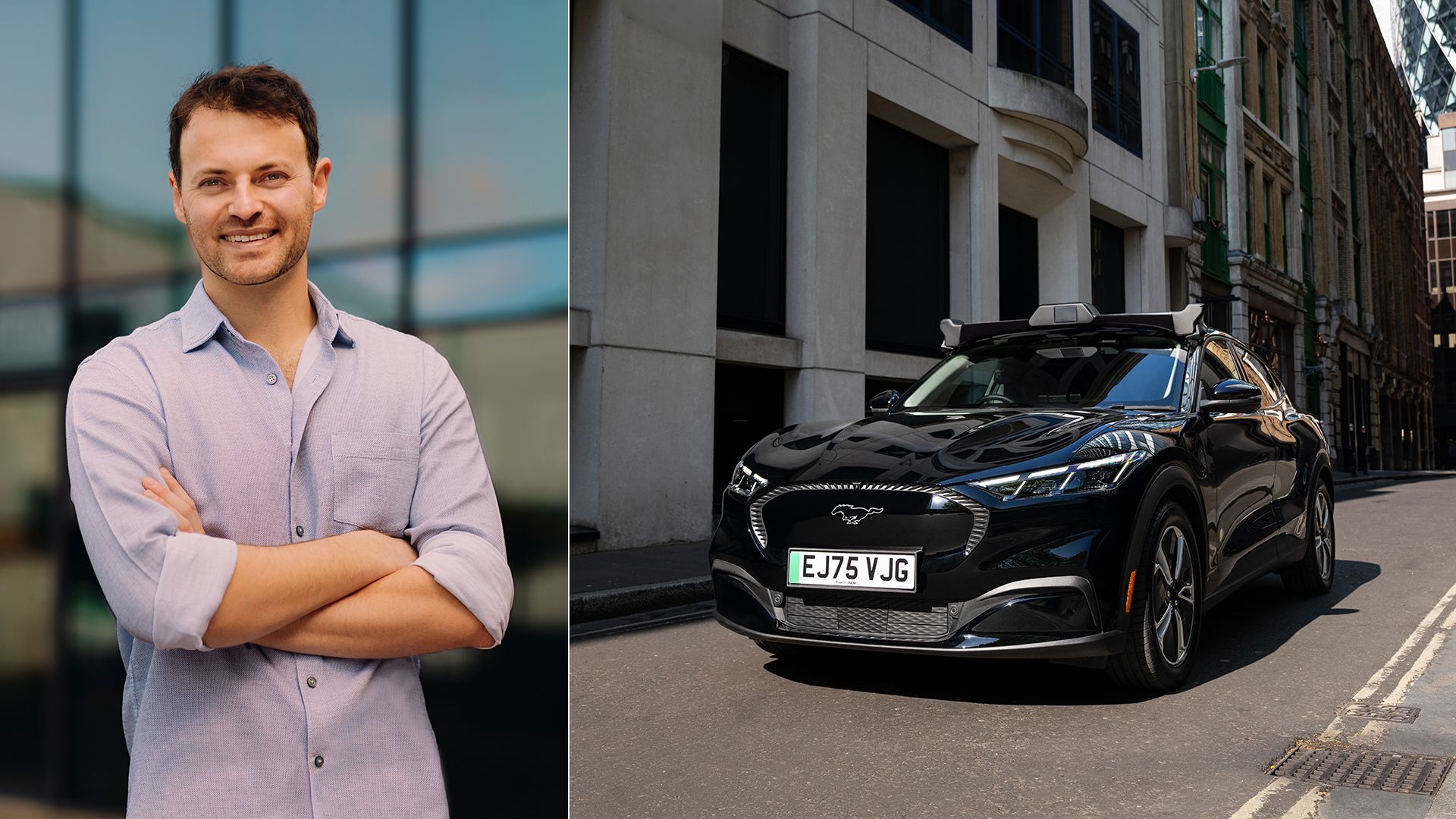
Wayve spent nearly a decade developing a radically different approach to self-driving cars that others ridiculed but then eventually copied. Now comes the harder part: turning it into a business.
Why it matters: As the British startup moves from R&D to commercialization, it's pursuing an equally unconventional business model — licensing its autonomous-driving AI to automakers and fleet operators rather than building cars or running its own robotaxi network.
Driving the news: The transition is starting to become visible.
- Wayve recently launched its first public robotaxi service with Uber in London — albeit a tiny fleet with safety drivers behind the wheel — and plans to launch next in Tokyo.
- It has also signed technology deals with Nissan and Stellantis covering both personally owned vehicles and robotaxis.
- And Wayve is expected to name Waymo's former chief financial officer, Elisa de Martel, as CFO to lead its next stage of growth, Axios has learned. More executive hires are coming soon, the company says.
The big picture: Wayve cofounder and CEO Alex Kendall, an engineer and AI researcher, sees three distinct approaches to autonomous driving emerging.
- "You've got Waymo building their own fleets, Tesla building their own cars, and Wayve looking to provide the intelligence to everyone else that wants to operate fleets and vehicles," Kendall tells Axios.
- "We want ... to be the intelligence layer that powers all vehicles anywhere," Kendall says.
From the start, Wayve did things differently. It made an early bet on end-to-end AI, an approach in which models learn how to drive and can generalize to unfamiliar roads, rather than relying on high-definition maps and extensive hand-coding.
- Tesla would eventually pivot to the system. And newer entrants, including Waabi, Motional and others, have as well.
Wayve's technology, however, occupies a middle ground with its competitors.
- Unlike Tesla, Wayve doesn't rely exclusively on cameras. Its AI is designed to use cameras, radar and lidar — the sensor redundancy favored by Waymo, which has been critical of tech that relies purely on end-to-end systems.
- Kendall calls that the "best of both worlds": generalizable AI without HD maps, paired with multiple sensors for safety.
Follow the money: Wayve's licensing model potentially gives it access to a vast chunk of the auto industry.
- Tesla makes roughly 1% of the world's cars, Kendall notes. Wayve wants to provide autonomous-driving software for automakers making the other 99%.
Reality check: That's an aspiration, not a market share forecast.
- Wayve faces plenty of other competitors, including Nuro, May Mobility and Mobileye, which are also pursuing a licensing model.
- But unlike Waymo and Tesla, Wayve doesn't need to persuade consumers to use a Wayve robotaxi or buy a Wayve car.
Another big bet Wayve is making is its belief that today's driver-assistance systems can evolve progressively toward full autonomy.
- "We are seeing direct growth from L2 to L3 to L4," Kendall said, referring to the industry's various levels of autonomy.
- That's a philosophical split with Waymo, which argues that driver assistance and fully autonomous driving are fundamentally different problems.
Between the lines: That makes Wayve's consumer-car business an important part of its robotaxi strategy.
- Kendall calls it a "superpower," providing Wayve with automaker relationships, vehicle integration, driving data and revenue — all of which can accelerate its push toward driverless cars.
The bottom line: Wayve is well behind Waymo, the robotaxi leader.
- But if Wayve can prove its AI can move easily from one vehicle, city and level of autonomy to another, its late start in robotaxis could matter less than its ability to scale.
2. Charging New York
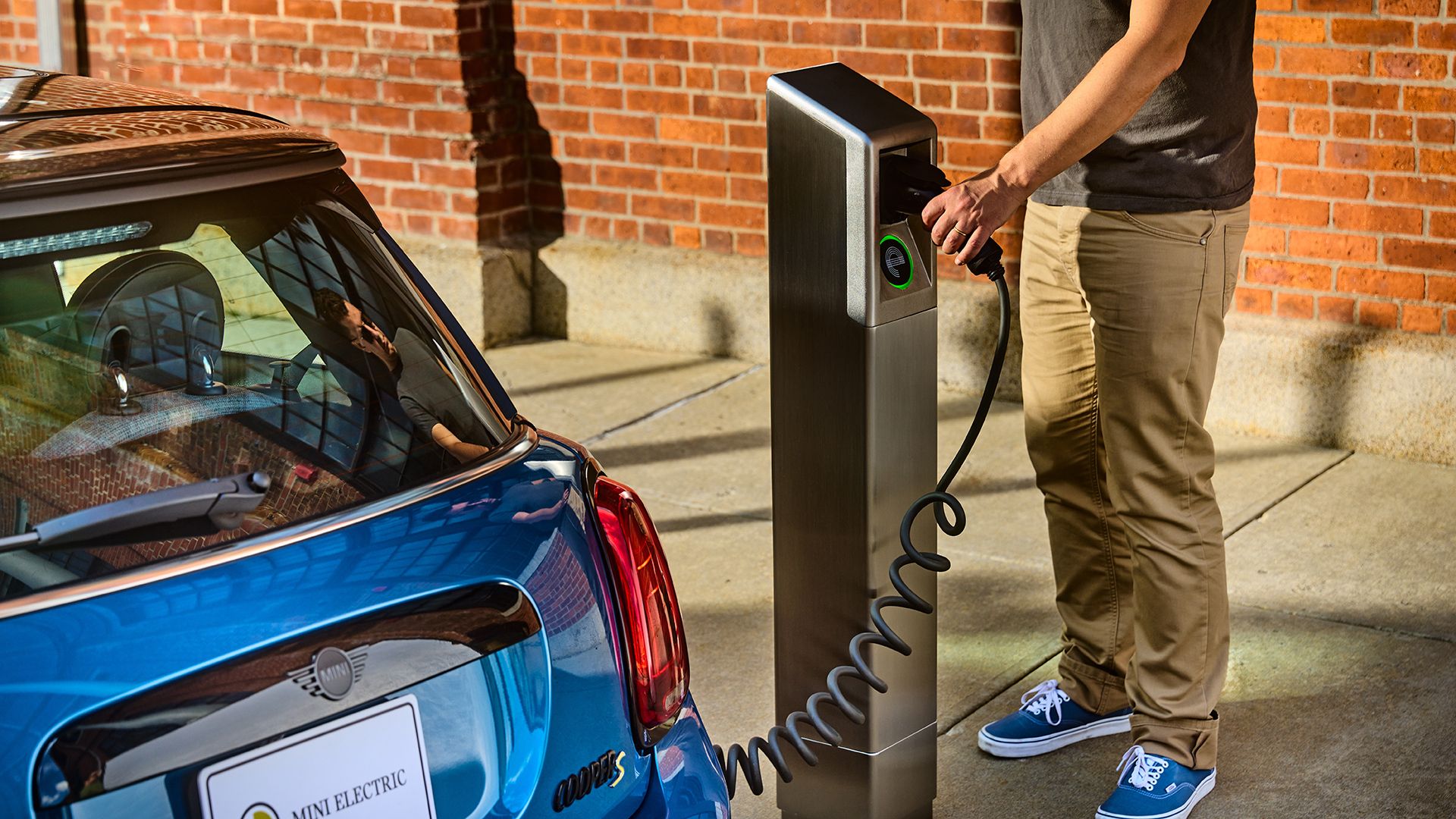
New York City is installing hundreds of curbside electric vehicle chargers in an effort to address one of the thorniest problems for urban EV drivers — where to charge overnight.
Why it matters: Cities could be among the biggest beneficiaries of quiet, emission-free vehicles, yet EV adoption is especially difficult in densely populated areas, where millions of people park on the street and can't plug in overnight.
Driving the news: A Brooklyn-based startup called It's electric has been selected to build New York's permanent curbside charging network, installing 700 Level 2 chargers across all five boroughs over the next three years.
- It's electric, with engineering partner Maverick EV, will replace 88 existing pilot chargers and then add 600 new ones, focusing on neighborhoods with large concentrations of rideshare drivers and limited off-street parking.
- The chargers will be manufactured in Queens.
State of play: More than 80,000 rideshare drivers live in New York, and the city has been pushing Uber, Lyft and other TLC companies to electrify their fleets by 2030.
- It's part of a broader push toward an 80% reduction in greenhouse gas emissions by 2050.
- The city's initial curbside charging pilot proved to be immensely popular with EV owners, with utilization rates well over 70%.
What they're saying: "The whole point of curbside charging is that we are taking the gold standard of charging, which is charging at home, and we're replicating that on the street," It's electric co-founder Tiya Gordon tells Axios.
Zoom in: It's electric has specific strategies to tackle the unique challenges in urban charging rollouts.
- In other markets, it has aimed to eliminate typical construction bottlenecks like utility hookups and permitting delays by instead tapping into the surplus power of nearby buildings.
- The chargers meter and pay for their own electricity use, and the company also shares revenue with building owners.
- Gordon noted that New York will start differently, using existing utility connections at first, and then a mix of utility and building power, with an emphasis on speed of development.
How it works: The company's sleekly designed charging posts have no screens, touchpads, or credit card interfaces — and importantly, no charger cables.
- When drivers sign up with It's electric, they're automatically sent a detachable cable they can keep in their car and plug in at any of the company's chargers.
Yes, but: At least initially, New York's curbside chargers will have fixed cables — but Gordon says the company can easily switch to detachable cables in the future at the city's request.
Reality check: Even 700 chargers won't come close to meeting New York's potential demand.
- The city's longer-term plan calls for 10,000 curbside chargers.
- "We have a lot of catching up to do," Gordon says.
- London, with roughly the same population, already has nearly 30,000 curbside chargers, she notes.
The big picture: It's electric has installed about 50 chargers so far in Boston, Philadelphia, San Francisco, Detroit and Washington, D.C.
- The New York contract represents a giant growth leap for the startup, which also raised a new bridge round of seed funding led by Halogen Ventures, bringing its total funding to $15 million.
3. Your drone is ready. Is your food?
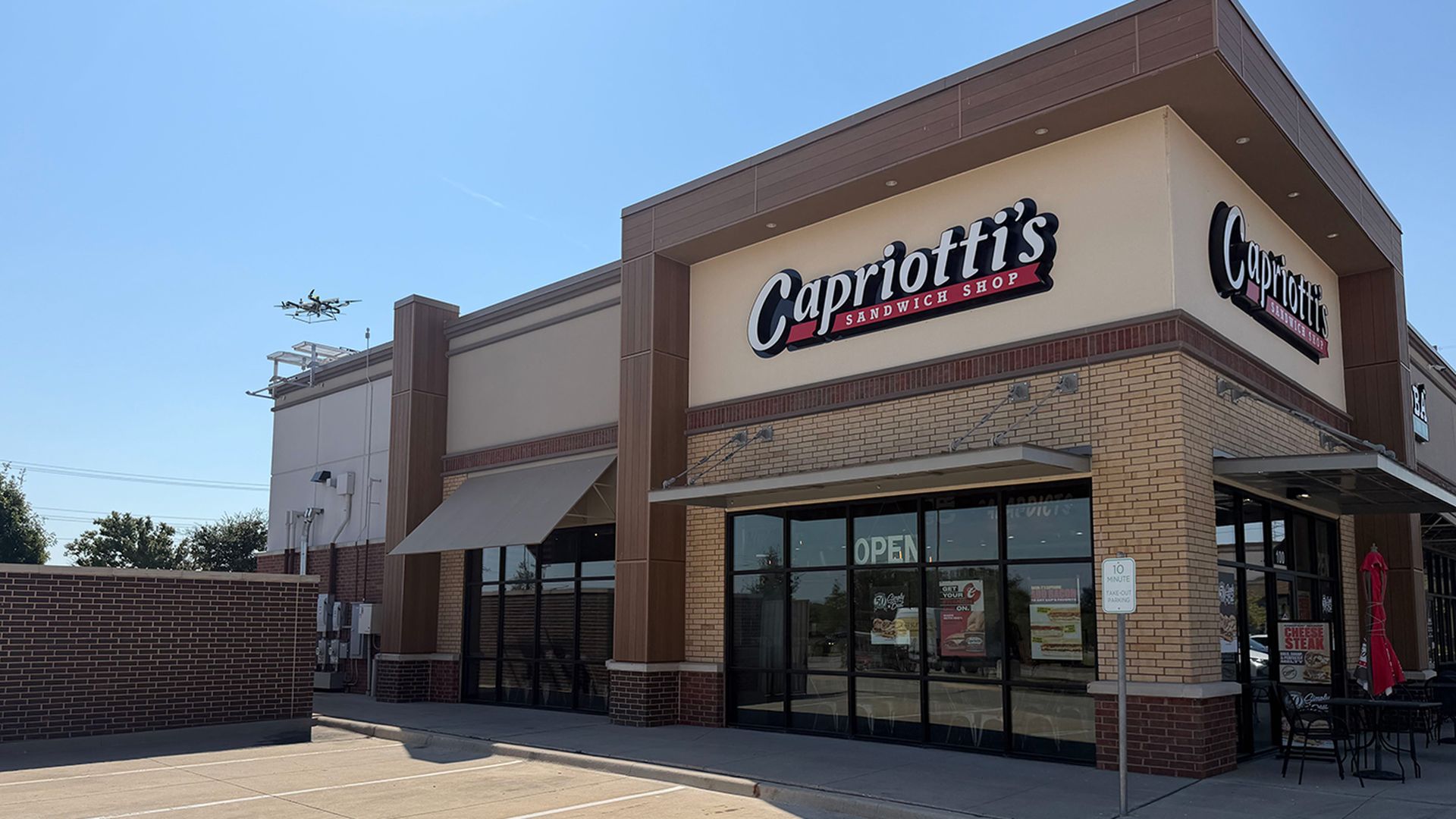
Flytrex is rethinking the infrastructure behind drone delivery, turning restaurant rooftops into miniature launchpads where drones can wait for their next order.
Why it matters: The shift could help solve one of drone delivery's biggest business challenges: keeping aircraft moving efficiently — without adding people, real estate and extra flights to get orders from restaurants to drones.
Driving the news: Israel-based Flytrex is rolling out rooftop docking stations at restaurants across Dallas-Fort Worth, paired with AI software that predicts where orders are likely to originate so the drone arrives before the food does.
- Flytrex says the system cuts its delivery costs by 60% and delivery times in half — primarily because it no longer needs human runners to bring orders to a centralized drone hub.
- Flytrex is installing more than 100 docking sites at various restaurants, the company says.
How it works: Flytrex's models analyze historical demand, time of day, location and other factors to decide where to send idle drones.
- A drone lands on a restaurant's rooftop dock, shuts off its motors and waits.
- When an order is ready, the drone lowers a hook to a loading position, where a restaurant worker attaches the package. The drone then takes off directly for the customer's home.
- "We know in the morning a specific bagel place is going to get a lot of orders" so Flytrex will have six or seven drones docked on the roof, ready to go, explained cofounder and CEO Amit Regev.
- By lunchtime, the drones might reposition to popular burger restaurants and later in the evening to pizza shops.
The big picture: The system tackles a surprisingly mundane obstacle to autonomous delivery: getting food from the kitchen to the aircraft.
- Drone operations often dispatch aircraft from a centralized hub and can require workers to shuttle orders to a drone pickup point. (An exception is Walmart, where employees walk the packages to a drone hub in the parking lot at each store.)
- Flytrex's approach eliminates both the pickup flight and dedicated runners while potentially increasing the number of deliveries each drone can make.
- "The truly challenging part has never been the flight," Regev said. "It's the last few hundred feet between the kitchen and the aircraft."
What's next: Flytrex, which has partnerships with Uber Eats and DoorDash, says the lightweight docking system could eventually be installed at thousands of restaurants and shopping centers.
4. Drive-thru
💵 May Mobility is going public in a SPAC deal that implies a pro forma value of $1.4 billion. The deal is a test of public-market appetite for autonomous vehicle companies. (Axios)
🚕 A proposal in Minneapolis would require that robotaxis have a paid human "safety monitor" in the driver's seat, which Waymo calls "a de facto ban on autonomous vehicles." It's the latest twist in an ongoing policy battle over AVs in Minnesota. (Axios)
⚠️ U.S. safety officials are pressing Tesla to explain whether its new Cybercab can be driven with traditional controls and, if so, whether that is why the company believes its custom-built robotaxi is compliant with federal safety standards. (The Wall Street Journal)
🇯🇵 Waymo is headed to Tokyo. It's working with two Japanese partners to launch Japan's first fully autonomous commercial taxi service in 2027. Separately, Waymo opened its ride-hailing service to the public in Las Vegas, its 15th U.S. city. (Reuters)
5. 🚖 What we're driving
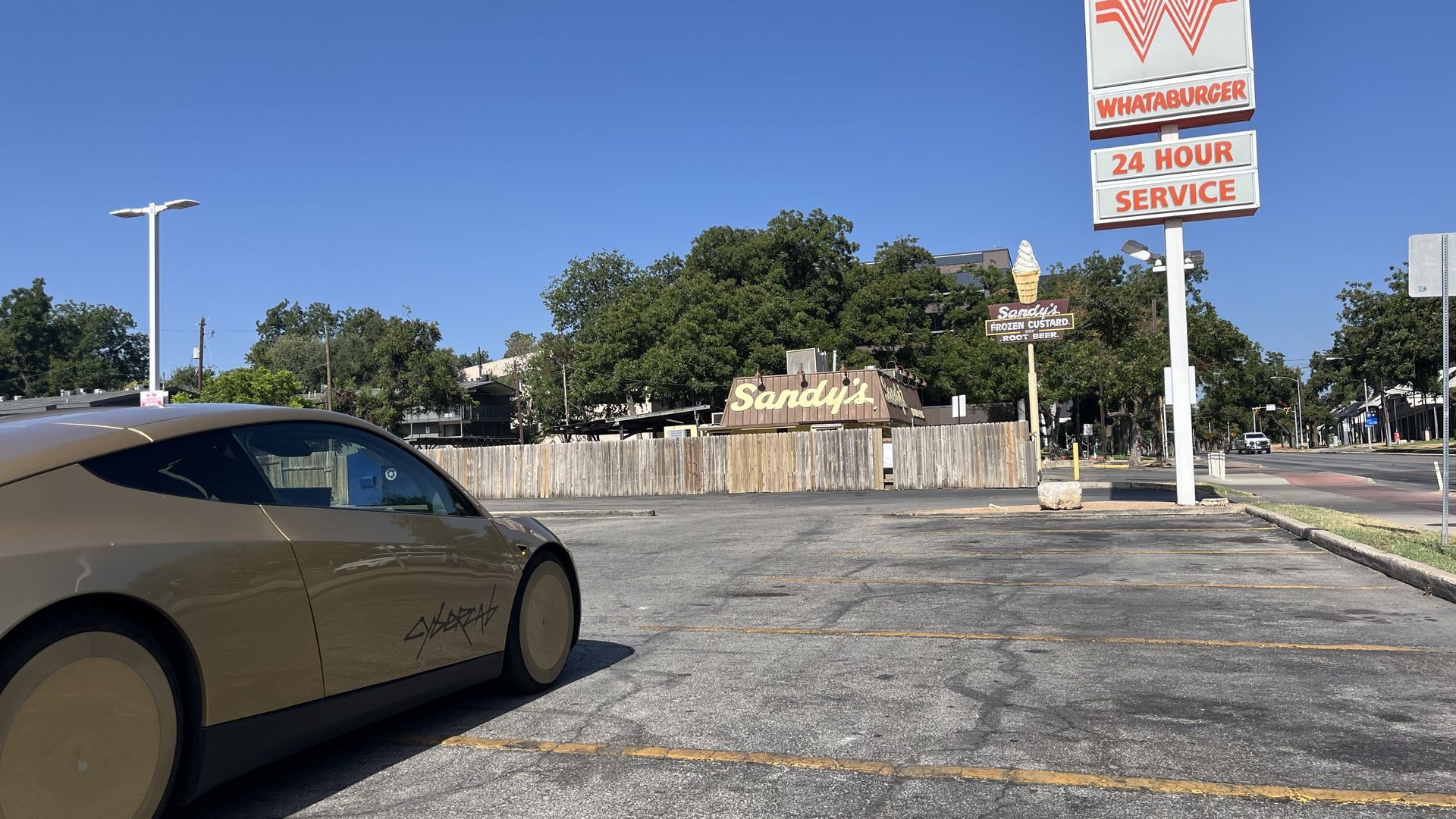
So jealous: My Axios colleague Asher Price got to try out Tesla's new Cybercab in Austin and filed this dispatch from Texas:
Asher's takeaways: A two-door, two-seat gold Cybercab model or a four-door self-driving Model Y Tesla both cost about the same on Tesla's Robotaxi app — $12 each way for the roughly 4-mile trip.
- The Cybercab felt sleek and spartan. I'm nearly 6-foot-3 and the car was plenty big for me. The trunk had enough space to hold at least a couple of hefty suitcases and backpacks.
- The pickups for my round trip were quick — I had to wait five minutes or less each way — and the ride itself was easy.
- On the ride back, the driverless Model Y I selected was even what I'd call courteous — leaving space ahead of it at a stoplight, so cars headed the opposite way could turn across traffic and into a parking lot.
Yes, but: The Cybercab dropped me off at an adjacent restaurant, and made the same mistake when it was time to pick me up again.
- A Cybercab rider posted recently that a roughly 6-mile trip took 70 minutes after the driverless taxi took a "massive south detour through East Austin."
Read more about Asher's experience on Axios Austin.
Thanks to editors Pete Gannon and Bill Kole. If you're a fan of this newsletter, please ask your friends to sign up, too.
Sign up for Axios Future of Mobility