Axios Future of Mobility

July 02, 2025

1 big thing: The next wave of EV adoption
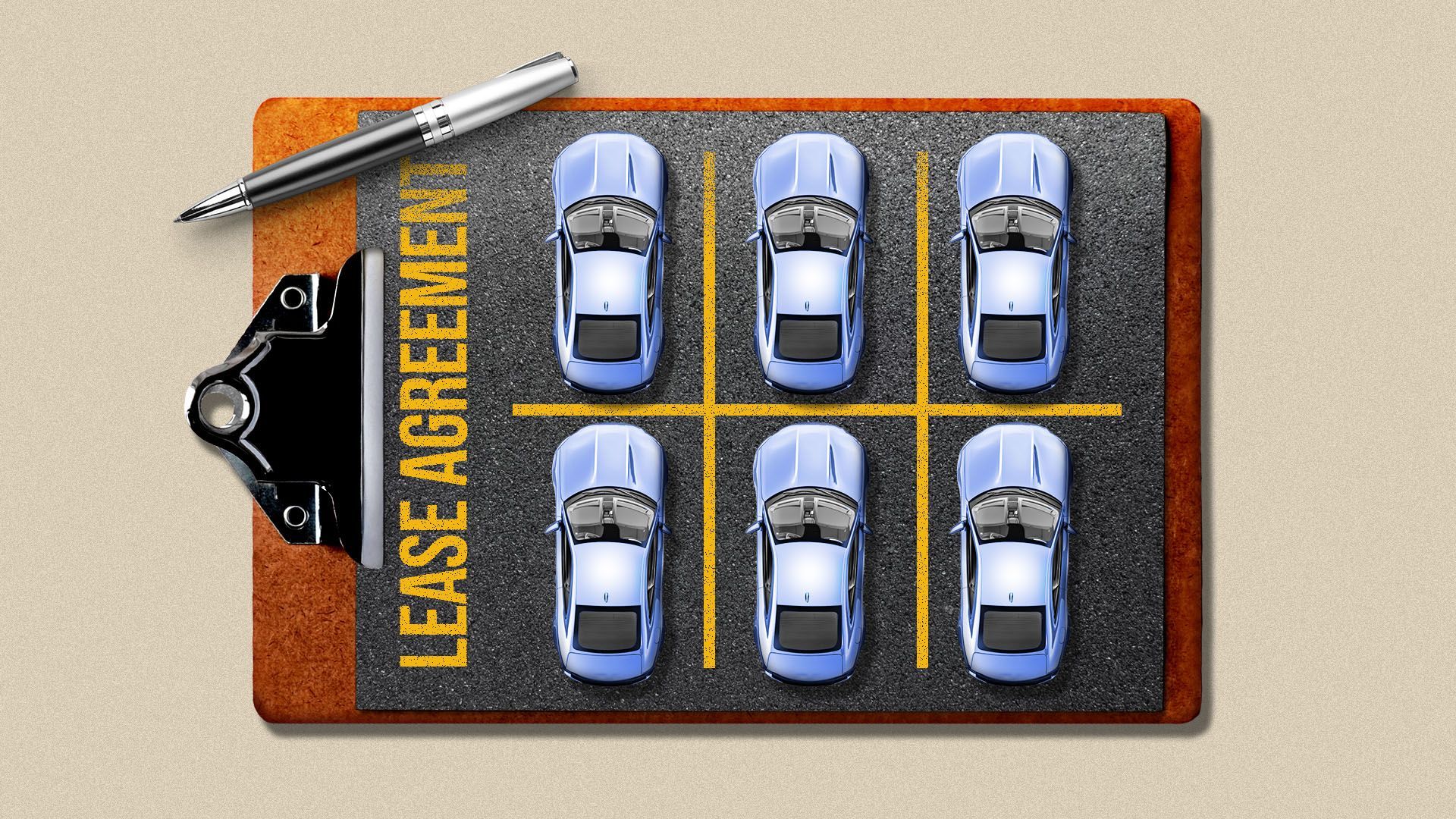
A tax loophole that encouraged consumers to lease, rather than buy, electric vehicles in recent years means a flood of used EVs will be hitting the market soon.
Why it matters: The expected wave of lease trade-ins will help fuel the next phase of EV adoption by giving price-conscious buyers more affordable choices.
The big picture: There aren't many crystal balls in the auto industry, but lease returns are rather easy to predict.
- Since vehicles are typically leased for two or three years, companies already know when those cars will be turned back for resale.
- It's much harder to predict when customers will trade in cars that they purchased outright or financed.
By the numbers: Nearly 1 million EVs were leased from the beginning of 2022 through the first quarter of 2025, according to Experian data analyzed by Cox Automotive.
- EV lease rates jumped from around 15% in 2022 to 67% by March 2025. Tesla, in particular, saw a spike in lease rates, per Cox. The industry's usual lease rate is about 25%.
- The surge had everything to do with a wrinkle in how the 2022 Inflation Reduction Act was written.
Flashback: The IRA provided a variety of clean energy incentives, including consumer tax credits of up to $7,500 for EV purchases.
- Few vehicles qualified, however, because of strict sourcing rules designed to exclude cars made with batteries or components from China.
- A separate tax credit for businesses buying EVs for commercial fleets didn't have those same restrictions.
- The industry soon found a workaround: Leasing is considered a commercial sale because the vehicle owner is the bank or finance company, not the driver who "rents" the car for two or three years.
- That became known as the "leasing loophole" under the IRA — the bank received the tax credit from Uncle Sam, but typically passed it on to the consumer to lower their monthly lease payment.
- As a result, leasing soared in popularity.


Fast-forward: Now, the first wave of those vehicles is arriving back at dealerships.
- Roughly 123,000 leased EVs (and plug-in hybrids) will return to the secondhand market this year, according to Recurrent Auto, a data firm that tracks the EV market.
- In 2026, the number will more than double to 329,000 EVs. By 2027, 650,000 leased EVs will be turned in.
- That's more than 1 million used EVs hitting the market in the next three years.
Where it stands: Used EV sales — supported by a $4,000 federal tax credit — are projected to surpass 100,000 units in the second quarter, marking a new milestone, per Cox.
Yes, but: That used-EV tax credit, like those for new EVs and the leasing loophole for commercial vehicles, is likely going away soon.
- President Trump and congressional Republicans have vowed to unwind President Biden's EV-friendly policies.
The bottom line: EV sales momentum could slow as a result of changing policy, but maturing leases mean there will be plenty of secondhand EVs for sale over the next few years.
2. Drive-thru

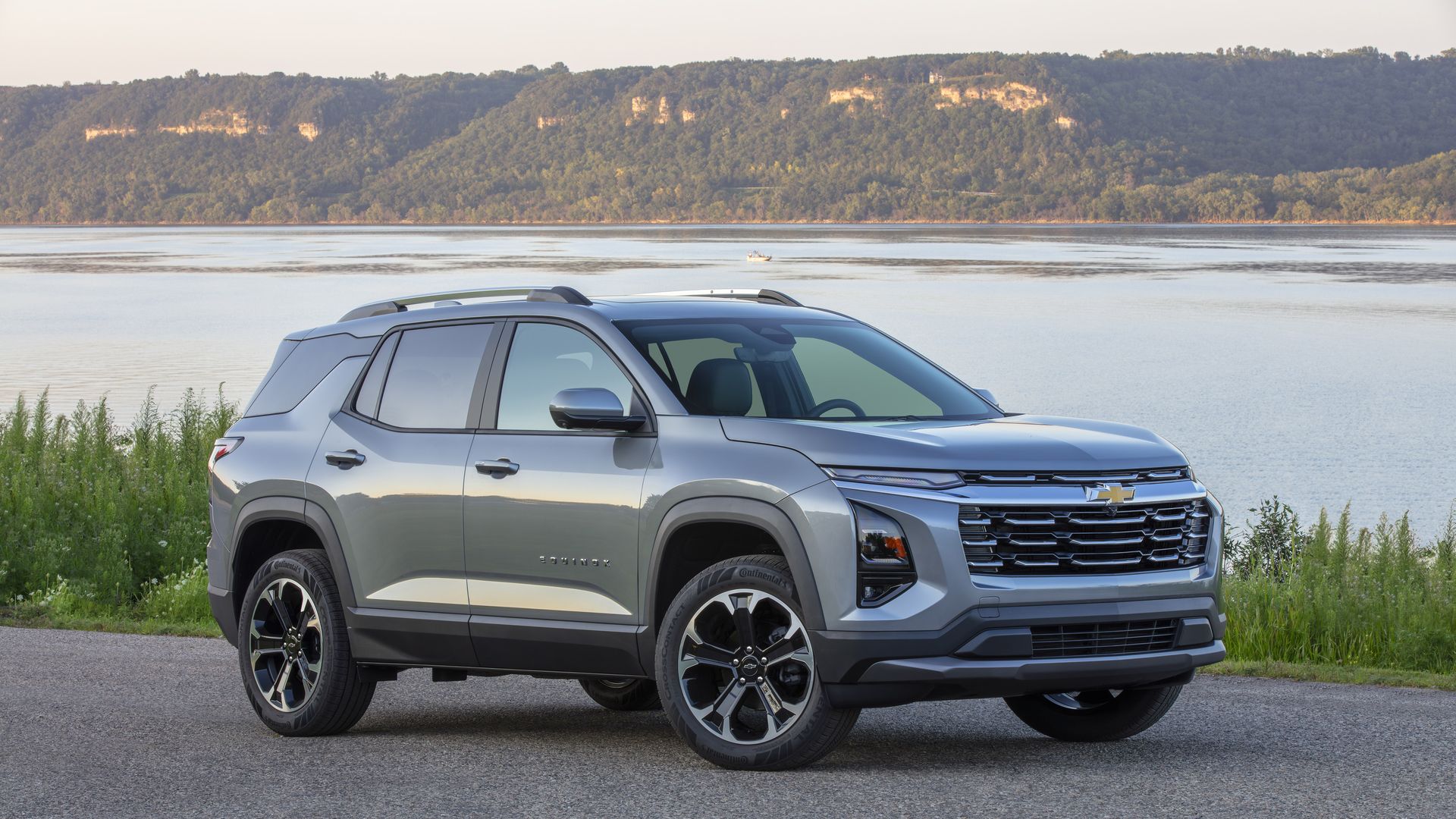
3. What I'm driving: 2025 Chevrolet Equinox
Axios Future of Mobility