Axios Future of Mobility

October 15, 2025

💥 Have you ever wondered who's to blame if a self-driving car gets in an accident? Insurance companies are trying to figure that out, too.
- 🎃 Plus, I discovered a fun alternative to jack-o'-lanterns.
A personal note: Starting today, I'm taking a short leave, but I'll be back before you know it.
- You'll be in good hands, though: My friend and colleague Nathan Bomey has kindly agreed to take the wheel of this newsletter while I'm out.
Let's roll... 1,060 words, a 4-minute read.
1 big thing: Assigning blame when robots drive
As cars begin to drive themselves, the onus of liability gets murkier, which is creating new headaches for the insurance industry.
Why it matters: More than half of all new cars in the U.S. will offer hands-free driving by 2028, according to Telemetry's 2025 Assisted and Automated Driving Forecast.
- For insurers, that means rethinking risk assessments based on whether humans or robots are driving, and writing policies that separate driver liability from that of the vehicle itself.
The big picture: Crash avoidance systems like automatic emergency braking, lane-departure warning and blind-spot detection have proven safety benefits, according to the Insurance Institute for Highway Safety.
- That could, in theory, mean fewer insurance claims.
- But drivers sometimes turn them off, or use technology incorrectly, and so crashes still occur.
- When they do, these advanced vehicles typically cost more to repair because of all the expensive sensors, cameras and chips that enable those technologies.
By the numbers: The average vehicle repair cost exceeds $4,700, up more than 96% since 2009, writes Kyle Krumlauf, director of industry analytics at CCC Intelligent Solutions.
- Higher repair costs are also due to the rise of electric vehicles, which are heavier and cause more damage in crashes. Plus, EV replacement parts can be expensive.
Between the lines: Insurers need to understand the risks associated with these modern vehicles in order to set rates on their policies.
- But that's where it gets tricky.
- "The whole heart of insurance is being able to evaluate risk and figure out what they're insuring," says Brett Odom, policy vice president for auto and alternative vehicles for the National Association of Mutual Insurance Companies.
How it works: Current underwriting practices rely on driver behavior, accident history and traffic offenses.
- These insurance models are rooted in actuarial studies that link prior behavior to the likelihood of future accidents.
- That data is then used to help formulate risk and, ultimately, to set insurance rates.
The intrigue: As driving control shifts to AI systems, insurers must also analyze vehicle behavior.
- But software systems change frequently via over-the-air updates.
- Even more challenging are scenarios where drivers and vehicles pass control back and forth.
- While today's hands-free highway-driving technology requires drivers to pay attention, future systems will let them take their eyes off the road under certain conditions.
- If the driver isn't required to be in the loop, liability will likely shift to the vehicle manufacturer or software provider — representing a fundamental change in the structure of auto insurance policies.
What to watch: One of the biggest hurdles to insuring automated vehicles, however, is getting access to vehicle data, according to a report by S&P Global Mobility.
- Without regulatory mandates or industry-wide standards, carmakers retain control over vehicle logs and system data.
- That makes it hard for insurers to investigate claims and set prices.
- "If you're the owner of the vehicle, you should have the ability to decide who has access to that data," Odom said.
Where it stands: For insurance companies, it's still early to predict what impact driverless cars will have on the insurance industry, notes Progressive.
- For now, vehicles with automated systems are still subject to the same state minimum car insurance requirements as other vehicles.
2. ⚡️ Charge more = buy more
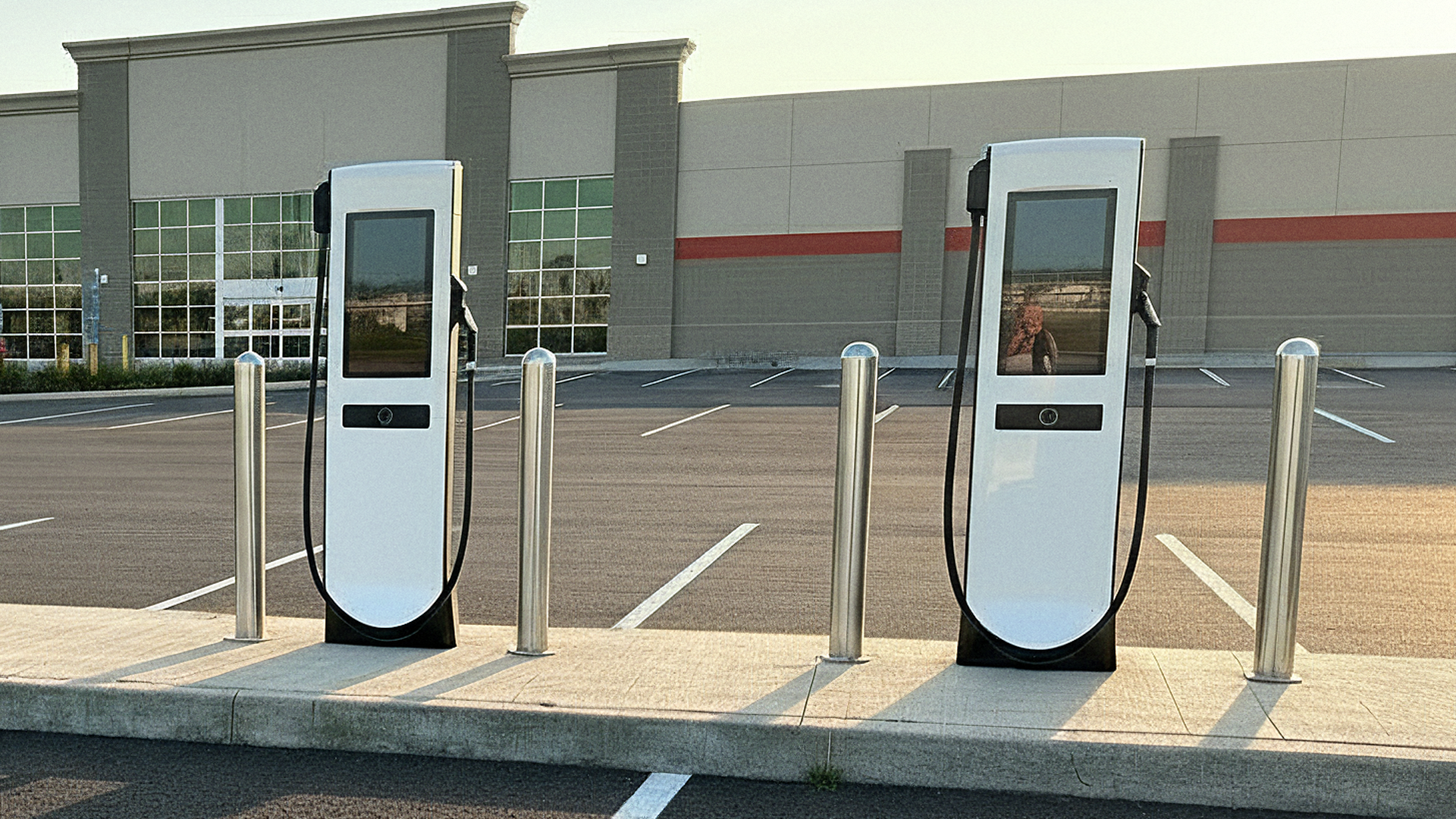
Plugging in your electric car could soon earn you points toward coffee, meals and other purchases, as retailers and restaurants look for ways to expand customer loyalty.
Why it matters: Reliability is now table stakes for EV charging. The next phase is to try to make charging an extension of the in-store experience to engage customers and generate new revenue.
Driving the news: Electric Era, a provider of battery-backed fast chargers for retailers including Love's Travel Stops, Costco Wholesale and Giant Eagle, is rolling out more-advanced technology this week at the National Association of Convenience Stores (NACS) show in Chicago.
- The purpose-built chargers let retailers configure the touchscreen to deliver loyalty program signups, membership validation or marketing ads.
- An AI-powered feature, HaloAI, acts like a digital station attendant (in multiple languages) to provide tips, resolve issues, and offer personalized promotions and product recommendations.
- Eventually, it will enable direct commerce from the kiosk or vehicle.
What they're saying: Many EV owners stay in their cars while they are charging, says Electric Era founder and CEO Quincy Lee.
- As a retailer, "you want to get that driver out of the car and into the store to make more money. Get them in there and spending $30 on Slushies and snacks and goods and services, " he tells Axios.
The big picture: Retailers like Walmart and Canada's On the Run convenience store chain are already rolling out branded charging networks rather than hosting other networks in their parking lots.
3. Drive-thru
💰 GM plans to take a $1.6 billion charge against third-quarter earnings because of the pullback in its electric vehicle plans. (CNBC)
🔥 Ford is cutting production of at least five models, including popular SUVs, due to an aluminum shortage caused by a fire at a Novelis plant earlier this month, the Wall Street Journal reported.
- What to watch: The automaker might be forced to use imported aluminum, which is tariffed at 50%, to keep producing its highly profitable F-series trucks.
🚕 Waymo is heading across the pond. London will be its second international city alongside Tokyo, another left-hand-drive market. Fully autonomous rides are expected to begin in 2026. (AP)
4. One fall thing: car squash
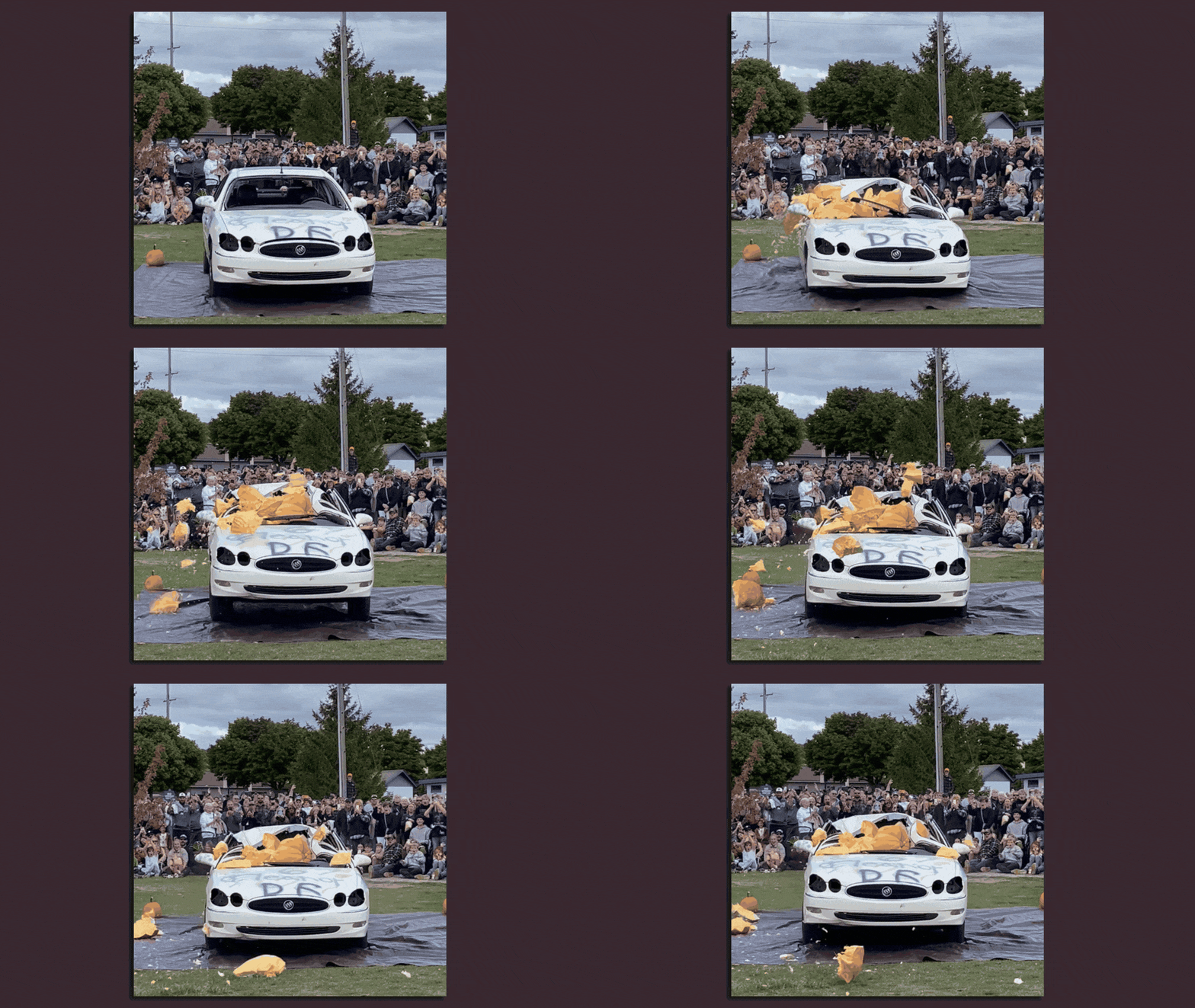
🎃 Who knew dropping a 538-pound pumpkin on a Buick could be so funny?
- The annual pumpkin drop is a Fall Festival tradition in bucolic Frankfort, Michigan.
- Kids can guess the weight of the giant pumpkin to win a new bike. Then it's lifted by a crane and dropped on a car.
It's hard to upstage the natural beauty of northern Michigan this time of year, but I think this might have been the highlight of my long holiday weekend.
- I can't stop watching!
Thanks to Ben Berkowitz and Amy Stern for editing. See you soon!
Sign up for Axios Future of Mobility