Axios Future of Health Care

October 26, 2026


Back to the grind, gang. Signs are that, as of now, Health Secretary Robert F. Kennedy Jr. will be sticking around after the midterms.
Today's newsletter is 1,216 words, a 4.5-minute read.
1 big thing: "Zero" signs that Kennedy is leaving
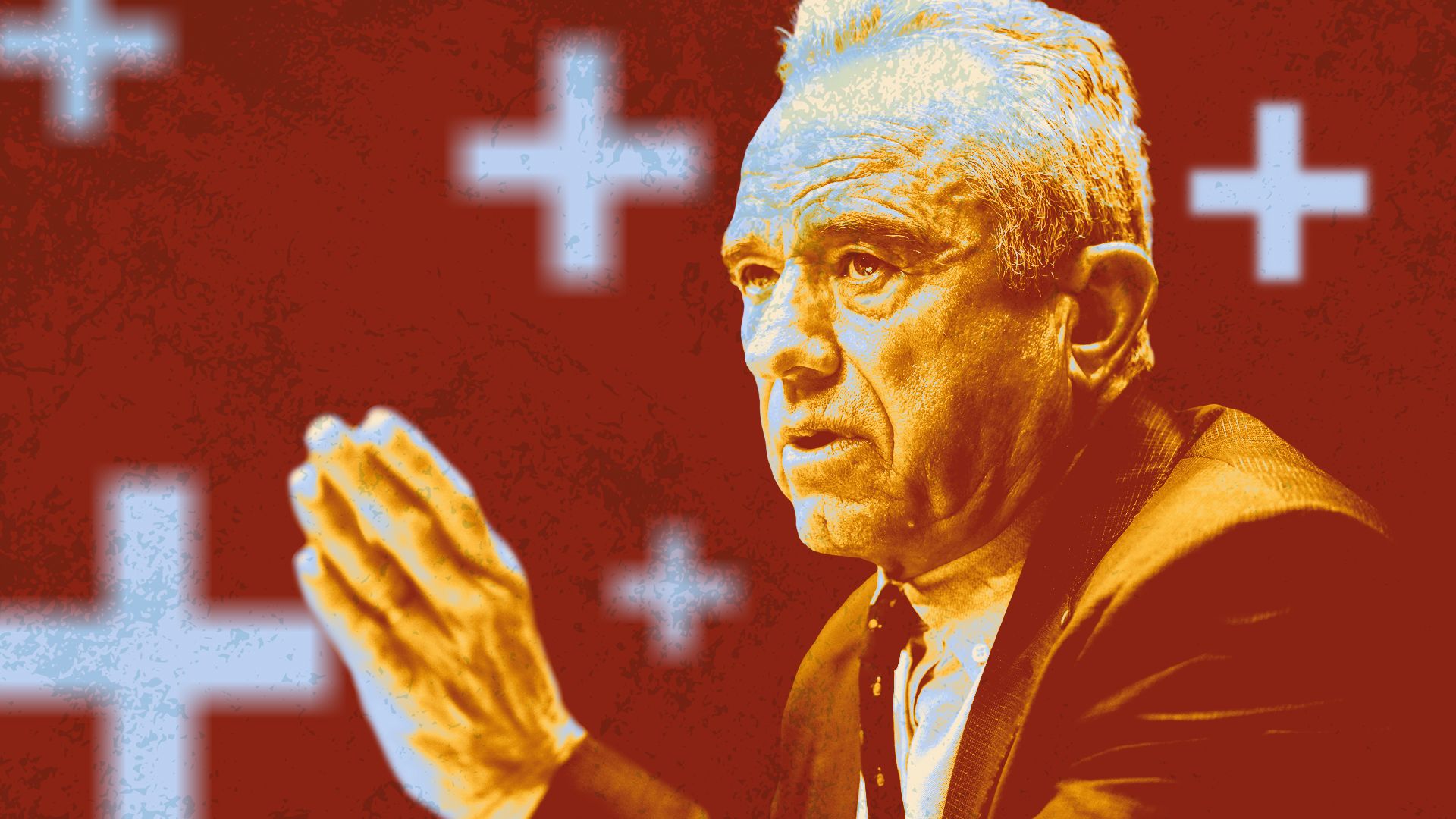
When it comes to Health Secretary Robert F. Kennedy Jr.'s future, two things are clear: He hasn't finished what he set out to do, and President Trump has his back.
Why it matters: It was a popular assumption a few months ago that Kennedy would be out after the November elections. Now, the question is why he would leave.
- Though he'd surely be a target if Democrats take control in Congress, Kennedy still could wield considerable power upending vaccine policy and redefining the government's role in the health care system.
The big picture: There's always some turnover halfway through an administration, and a blue wave in the midterms could trigger a brutal GOP blame game.
- Even so, there's little sign that Kennedy will be held responsible in an election dominated by economic and global concerns, or be part of any coming exodus.
What they're saying: "President Trump and Secretary Kennedy have delivered historic ['Make America Healthy Again'] wins that are reshaping how Americans take control of their health," HHS spokesperson Emily Hilliard said.
- "Secretary Kennedy will remain at the helm of HHS to continue putting prevention at the center of health care, turn MAHA priorities into lasting policy and end the childhood chronic disease epidemic."
- If Kennedy wants to leave, he hasn't shown his hand: An administration official close to Kennedy said there's been "zero" indication that Kennedy plans to depart.
Where it stands: Kennedy's name isn't popping up in stories about which administration officials could take the fall for a terrible election cycle. And polarizing policy decisions about childhood vaccines or the causes of autism aren't factoring in the most competitive races.
- The White House imposed a moratorium on heated vaccine rhetoric earlier this year due to concerns that it could cost the GOP at the polls. That lasted until Trump expressed dissatisfaction that Kennedy hadn't done more to probe the alleged connection between vaccines and autism, a sign of his personal investment in the subject.
- But with the president by his side, Kennedy announced an overhaul of the childhood vaccine schedule from the Oval Office in August, and has recently launched a new initiative to study vaccine injuries.
Yes, but: Though Kennedy now appears to be unleashed, his MAHA movement is fragmenting, with some prominent members complaining that Kennedy's tenure has been underwhelming and the movement itself has sold out to corporate interests.
- Top MAHA advocate Calley Means resigned from his position within HHS on Thursday, with the Wall Street Journal reporting that he was frustrated by the lack of progress on food issues.
- "Changing the culture of health isn't a two-year ordeal — and it would be surprising to me if [Kennedy] departed with so many opportunities within his MAHA agenda still on the table and not fully baked," said former Trump HHS official David Mansdoerfer, who was just with Kennedy on Tuesday.
Reality check: Much of Kennedy's agenda remains incomplete, with key initiatives frozen by courts.
- Vaccines still use the same ingredients, manufacturers remain shielded from liability for vaccine injuries and mRNA COVID vaccines remain on the market.
- Means' exit followed deferred announcements of two of Kennedy's food priorities, one defining ultraprocessed foods and another addressing the quality of school meals, per WSJ.
- And while HHS has initiated new studies on vaccine safety — which medical experts fear will conform to vaccine skeptics' beliefs — there's no new evidence to back claims that vaccines can cause autism.
Between the lines: After decades spent railing against the prioritization of corporate interests over Americans' health, Kennedy is arguably in a dream position, presiding over a giant federal bureaucracy with the president's blessing.
- Kennedy feels emboldened to be more aggressive on vaccines and the MAHA agenda, said a source close to HHS who has spent time with Kennedy in recent months and has heard him express those sentiments.
- He feels like he can do more on making food healthier, drugs safer and Americans understand the science behind vaccines, the source added. The source does not expect Kennedy to leave his position.
- "Secretary Kennedy has done an exceptional job working to Make America Healthy Again, and President Trump greatly appreciates his dedication to this movement," said White House spokesperson Allison Schuster, adding that the administration has "secured extensive [MAHA] victories."
Yes, he's likely facing long hours squaring off with angry Democrats in oversight hearings, should they retake one or both houses of Congress. And yes, there's always the possibility he could revive his presidential ambitions.
- But his current job may be as good as it gets.
- "What's he going to do? Go back to being a trial lawyer or just an advocate? Where's he going to get a bigger platform?" said the source close to HHS.
The bottom line: Kennedy's tenure is dependent on staying in Trump's good graces, and Trump is notoriously fickle.
- What's true today could change tomorrow — especially if Republicans lose both chambers of Congress in a landslide.
- But for now, the evidence is leaning toward the continuation of a Kennedy agenda and more controversy ahead.
2. AI orders more lab tests, driving up costs
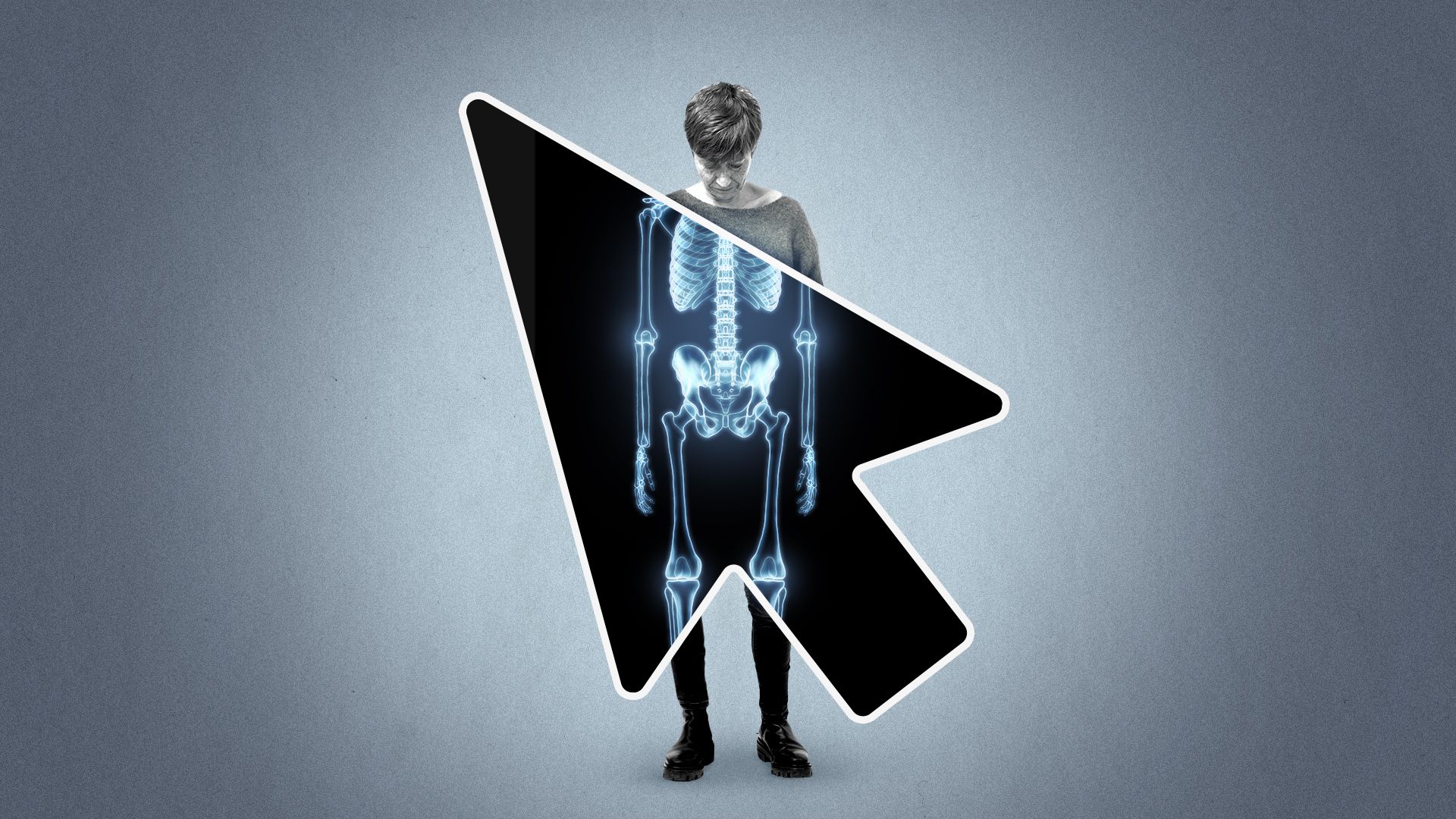
AI systems suggested medical tests and treatment plans that were more than three times as expensive as what physicians recommended in a head-to-head comparison covering 200 emergency and outpatient cases, according to new findings in NEJM AI.
Why it matters: The results are a further sign that AI can make health care more expensive, despite the many ways it can meaningfully improve patients' lives.
- Health systems are increasingly using large language models to help make clinical decisions without systematic reviews of the cost of the treatments or laboratory tests they recommend, the researchers wrote.
What they found: The team evaluated 24 AI systems using 200 anonymized notes from cases to determine the per-visit total cost of recommended care.
- The AI systems recommended more diagnostic lab tests and specialist referrals, along with more new drugs.
- 20 general-purpose AI systems in the test suggested care costing a mean of $314 per visit, compared with $97 for the treating physicians.
- Four specialized medical systems were also more costly and remained so even when prompted to be cost-conscious, researchers said.
Between the lines: "Defensive testing" to protect clinicians against being sued has been estimated to cost as much as $200 billion annually.
- The researchers suggest that large language models trained not to miss diagnoses may be using this strategy, and that making AI recommendations more legally bulletproof leads to more expensive recommendations.
- AI systems added tests in 45% to 79% of the cases where physicians ordered none.
- Clearly unnecessary suggestions included a chest X-ray, arterial blood gas analysis and a full lab panel for a stable patient with chronic obstructive pulmonary disease.
The researchers said it was especially concerning that evolving AI models haven't curbed the tendency to overspend.
- They said the answer may lie in better prompts from clinicians that explicitly ask AI to prioritize most likely and can't-miss diagnoses, and to only recommend items whose results would change how the case is managed.
Thanks for reading Axios Future of Health Care, and to editor Kate Marino and copy editor Matt Piper. Please ask your friends and colleagues to sign up.
Sign up for Axios Future of Health Care