Axios Future of Health Care
September 15, 2026


Welcome to Tuesday. Biosimilars have the potential to significantly lower U.S. drug spending. But the industry's in a slump.
Today's newsletter is 797 words, a 3-minute read.
1 big thing: Biosimilars stuck in a rut
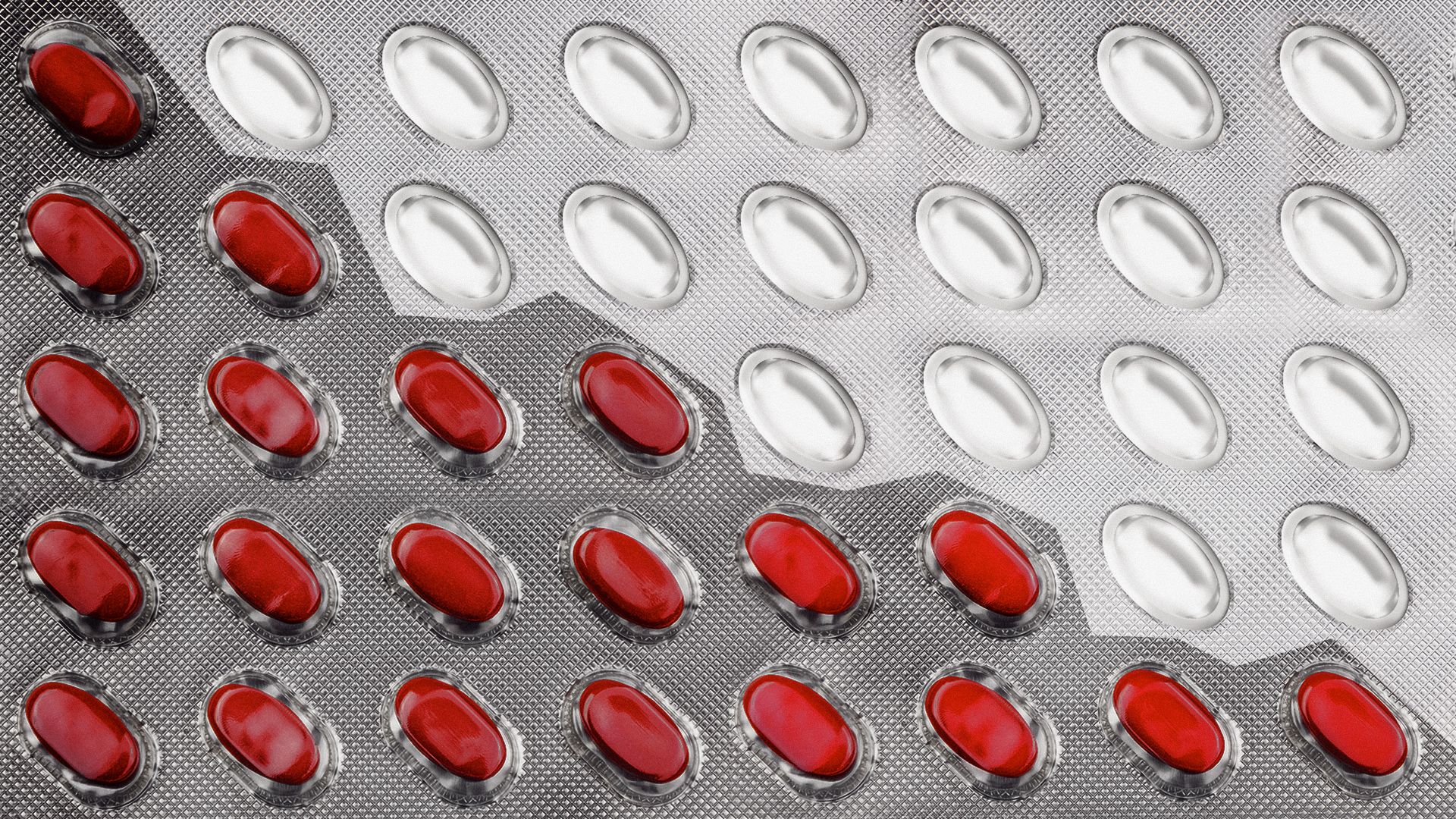
A slew of brand-name biological drugs are due to lose patent protection in the next decade. But lower-cost versions are only in the pipeline for 1 out of 10, according to industry estimates.
Why it matters: That void in biosimilars could result in billions of dollars in unrealized savings for patients and the health system.
- And it could put more pressure on Congress and the Trump administration to come up with fixes as anxiety over rising health costs intensifies.
State of play: The drug class has been widely touted for its potential to lower patient costs.
- The products are alternatives to complex, protein-based drugs that have contributed to a significant percentage of drug spending growth in the last decade.
- But the rate at which biosimilars were dispensed when available fell more than 40% between 2024 and 2025, the Association for Accessible Medicines, a trade group, said in a report last week.
- The report said no copycat products are in development for brand-name biologics whose patents expire in the 2030s. That's largely because development is limited to products with high sales potential that can hit the market sooner.
Between the lines: There's plenty of finger-pointing over why biosimilar development is in a slump.
- Insurers and pharmacy benefit managers may favor higher-priced brand-name biologics, in part because the rebates they get from drugmakers are calculated based on a percentage of the list price.
- PBMs counter that they're steering people to adopt biosimilars. They also blame brand-name drugmakers for gaming the patent system to delay biosimilars from reaching the market.
- Brand-name drug manufacturers say PBMs that are linked to affiliated insurers and pharmacies are deciding which products are covered and which ones are excluded.
What everyone seems to agree on is the status quo isn't sustainable.
- "If these challenges persist, fewer biosimilars will enter the market, limiting competition, reducing patient access and preventing the health care system from realizing billions in potential savings," drug distributor Cardinal Health concluded in its 2026 biosimilars report.
The FDA this spring eased some requirements around studies that biosimilar manufacturers conduct to compare the treatments with brand-name products.
- But FDA approval alone doesn't ensure that the drugs reach patients.
- The IQVIA Institute found that more than a third of generics approved by the FDA between 2013 and the first quarter of 2024 never launched.
- The report also found that it can often take more than four years for many approved generics to reach the market.
What's next: A pair of biosimilars bills in Congress could be in play after the elections.
- One would track with this spring's FDA changes and make an approved biosimilar substitutable for a brand-name biologic without additional studies.
- The second would reduce the clinical testing requirements for licensing biosimilars.
- John Murphy, CEO of the Association for Accessible Medicines, said changes to the patent system could possibly be considered to generate savings for a bigger legislative package.
Meanwhile, biosimilar developers are eyeing the end of patent protection for several lucrative biologics, including Merck's blockbuster cancer drug Keytruda in 2028.
- Merck has filed hundreds of additional patents that could extend Keytruda's market dominance beyond that point, the International Consortium of Investigative Journalists reported earlier this year.
2. When switching to a biosimilar isn't the end
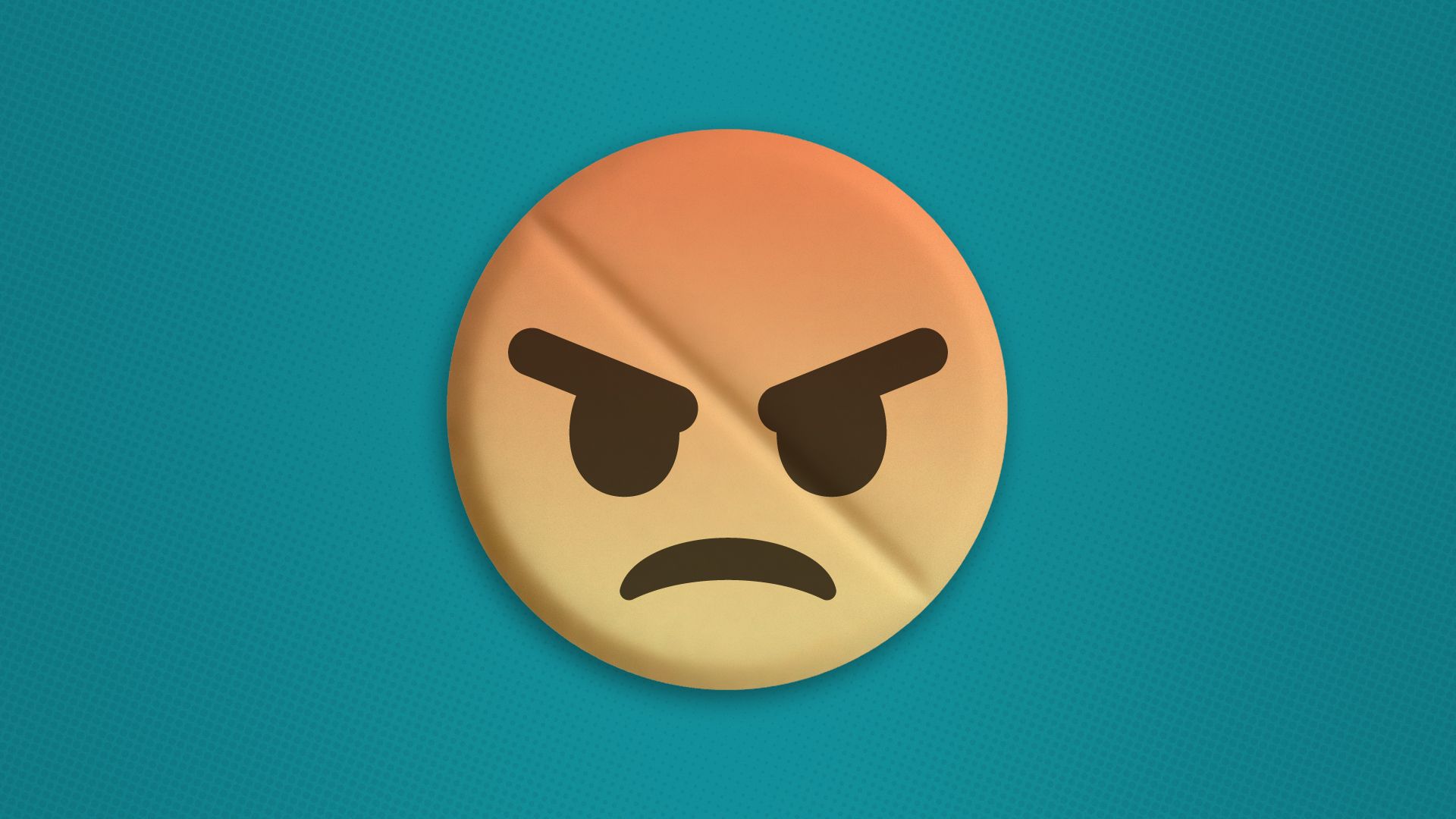
One other issue hanging over biosimilars is the "switchback" trend, in which certain patients who transition from a biologic to a lower-cost version quickly return to the brand-name drug because they've decided it works better.
Why it matters: Switching due to adverse expectations can disrupt a patient's continuity of care and erase some of the projected cost savings.
Case in point: Biosimilar versions of AbbVie's widely used Humira for autoimmune diseases became available in 2023, promising more affordability and access. Adoption picked up as more formularies stocked the products.
- But a recent Truveta Research study found more than 1 in 7 patients who opted for the biosimilar ultimately switched back to the brand-name product — and more than one-third did so within 30 days of receiving the first copycat drug.
- Patients over 65 and those living in rural areas had higher chances of an early switchback.
The big picture: Truveta said the findings underscore the importance of monitoring biosimilar use after the drugs are dispensed and identifying where more patient education, clinician guidance or support accessing the drugs may help promote sustained biosimilar use.
- It also is further evidence of the "nocebo effect" — where negative expectations can influence outcomes.
- Outcomes also will vary by specialty, with experts identifying oncology as the most mature market.
Thanks for reading Axios Future of Health Care, and to editor David Nather and copy editor Matt Piper. Please ask your friends and colleagues to sign up.
Sign up for Axios Future of Health Care