Axios Future of Health Care
October 07, 2026


Halfway there, gang. A new labor market analysis raises questions about how health care spending cuts could affect future job growth.
Today's newsletter is 867 words, a 3.5-minute read.
1 big thing: High health spending fuels job growth
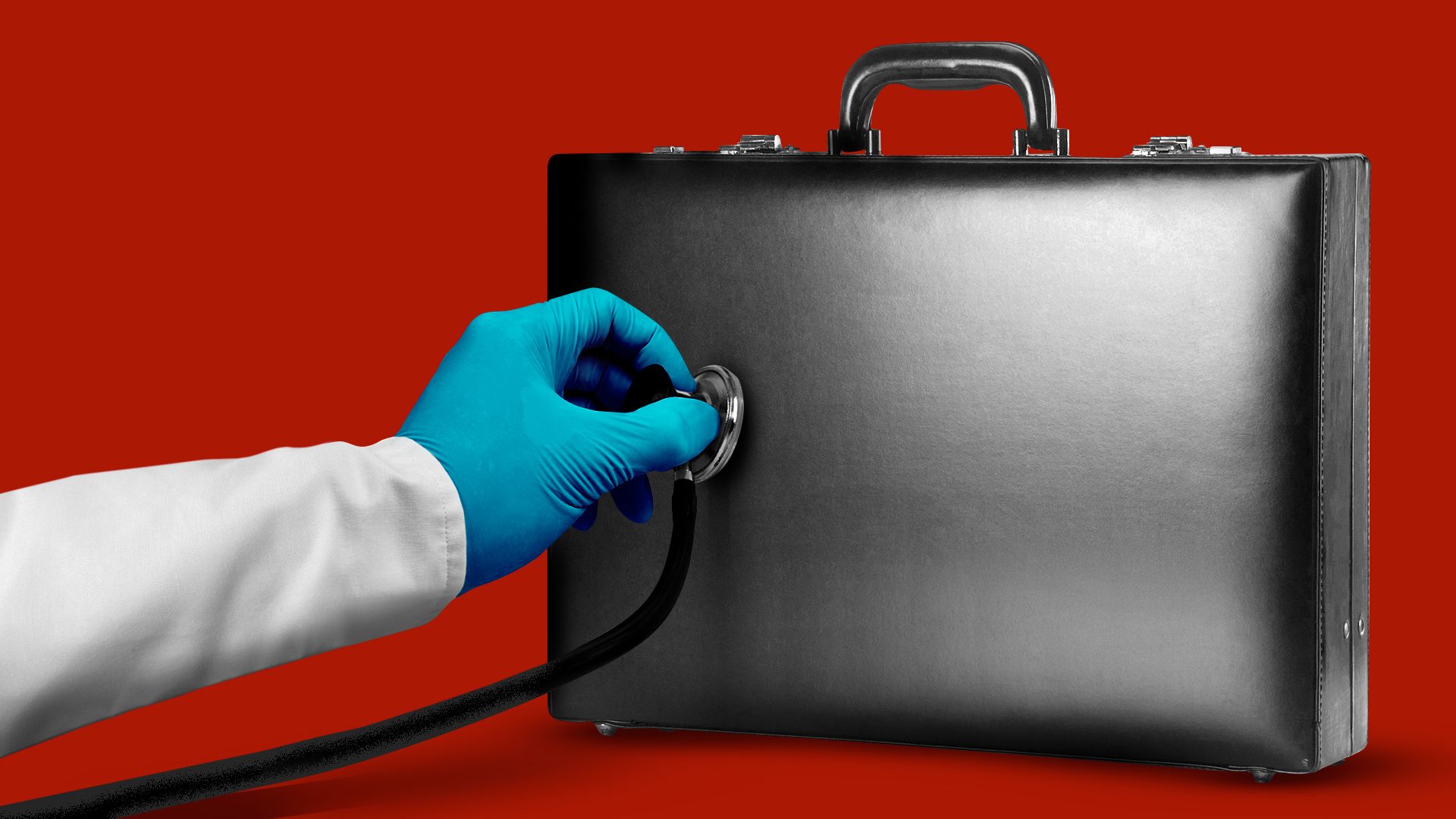
The health care sector has added three times as many jobs as the rest of the economy over the past year, with growth outpacing all other economic sectors, according to a new KFF analysis.
Why it matters: The big question is whether policymakers' efforts to reduce costs could reduce demand for jobs in the sector propping up the rest of the economy.
What they found: Since September of last year, the health care sector has added 372,000 jobs — a 2% increase — while the rest of the economy added a net 124,000, a 0.1% increase.
- Factors driving health care labor growth include the aging population and more people with chronic conditions, "relatively high pay" for many jobs and the fact that many positions are hands-on and "less susceptible to outsourcing or automation," the authors write.
Between the lines: Health care also tends to be more insulated from broader economic swings, given that people still get sick or need care during a recession.
- Demographics over the next decade will likely create even more demand.
- The Bureau of Labor Statistics projects that health care and social assistance will add more jobs than any other sector between 2025 and 2035 — more than 2.2 million.
Yes, but: The impact of AI and major policy changes could change the trend line, KFF notes.
- A rise in the uninsured population from Medicaid and Affordable Care Act policy changes could reduce demand for some services and increase hospitals' rates of uncompensated care.
- That will likely affect hospital revenues, which could impact employment.
What we're watching: More major policy changes could be on the way if lawmakers translate rising patient angst over health care costs into measures that significantly slow projected spending growth.
- It's unclear what fewer dollars going into the system would mean for jobs, but there would likely be some change.
- "The short answer is yes, serious cost control would probably affect health care employment and/or compensation for at least some health sector employees," said KFF senior vice president Cynthia Cox, an author of the analysis.
- "One person's health care cost is another person's salary," she added.
By the numbers: The most growth over the past decade has been in outpatient care, home health services and physicians' offices, reflecting an ongoing shift in where patients receive care, according to a second KFF brief on health sector employment trends.
- Employment in outpatient settings alone has increased by 40% over the past decade.
- Health care employment outpacing the rest of the economy is nothing new — since 1990, it's grown over three times as much as all other non-health, nonfarm employment sectors.
The bottom line: The same health care spending that has become a top cost-of-living issue for voters is keeping millions of Americans employed, often at very comfortable salaries.
- The more realistic cost containment efforts become, the more we can all expect to hear about the jobs impact.
2. Taking aim at a border-hopping virus
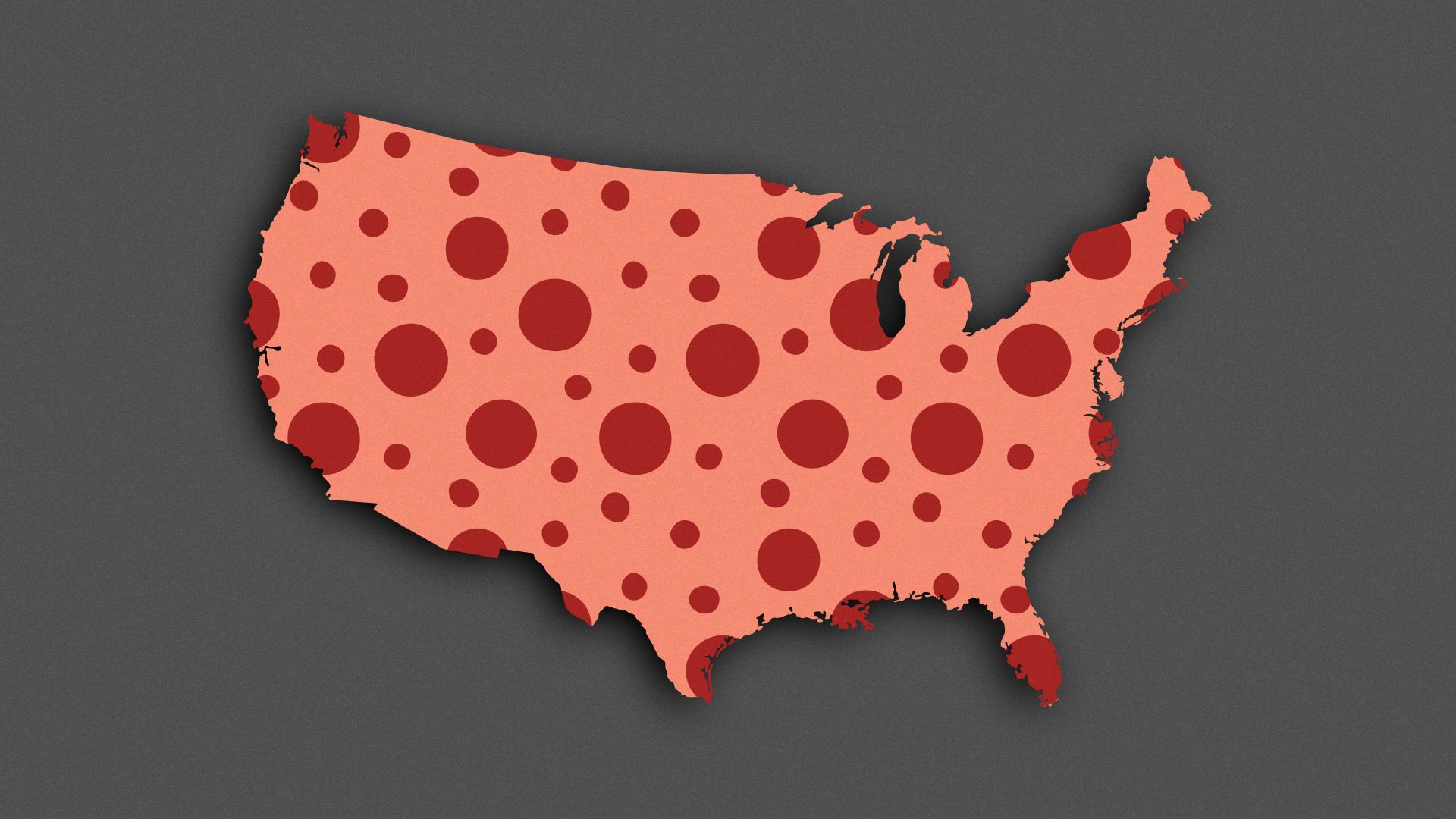
Measles outbreaks don't stop at borders, and New York's declaration of a public health emergency this week may be a sign of how some states intend to plot public health strategies as the virus becomes endemic.
The big picture: New York Democratic Gov. Kathy Hochul on Monday declared an emergency in response to a marked increase in cases in the state since mid-July, and as the case count for Pennsylvania's fast-growing outbreak exceeded 1,000.
- Public health experts believe the actual number of cases could be many times greater, because residents in outlying communities with low vaccine coverage often don't travel far for help or visit doctors to confirm a diagnosis.
Zoom in: Pennsylvania's outbreak began in April and is now the nation's largest in three decades, with a growing number of cases in rural counties bordering New York.
- Hochul's order allows paramedics, EMS workers, midwives and pharmacists to administer the MMR vaccine and gives nurses the authority to order testing.
- Public health experts say such steps, along with pop-up vaccination clinics, can help reach women of childbearing age, who could transmit an infection to an infant in the womb.
- Vaccination still requires a patient's or legal guardian's consent.
The intrigue: Only about a third of the cases in Pennsylvania are in kids under 18 — a difference from recent outbreaks in South Carolina and Texas. Most of the cases in Pennsylvania are in people aged 18-49.
- Many people born before 1957, when vaccines didn't exist, were likely infected with measles, mumps and rubella when they were children and are presumed to be protected against these diseases.
Paul Offit, director of the Vaccine Education Center at the Children's Hospital of Philadelphia, told Axios the outbreaks show measles has established a foothold in the country and will be around for some time.
- The situation along Pennsylvania's border could intensify with children back in school and more vaccine exemptions. CDC surveillance also is diminished, he said.
- "Herd immunity matters. What you're surrounded with matters," Offit said.
Thanks for reading Axios Future of Health Care, and to editor Kate Marino and copy editor Matt Piper. Please ask your friends and colleagues to sign up.
Sign up for Axios Future of Health Care