Axios Future of Health Care

November 23, 2026


Welcome back. One of the less-discussed ways AI is transforming health care is by changing how juries could decide who's at fault in malpractice suits.
🗞️ The Axios Show: Legendary journalist Bob Woodward speaks with Axios' Mike Allen about how the Iran war and corruption allegations will hurt President Trump's legacy. Trump is "much worse" than Richard Nixon, he says. Watch the clip.
Today's newsletter is 925 words, a 3½-minute read.
1 big thing: Docs' legal risk for overruling AI
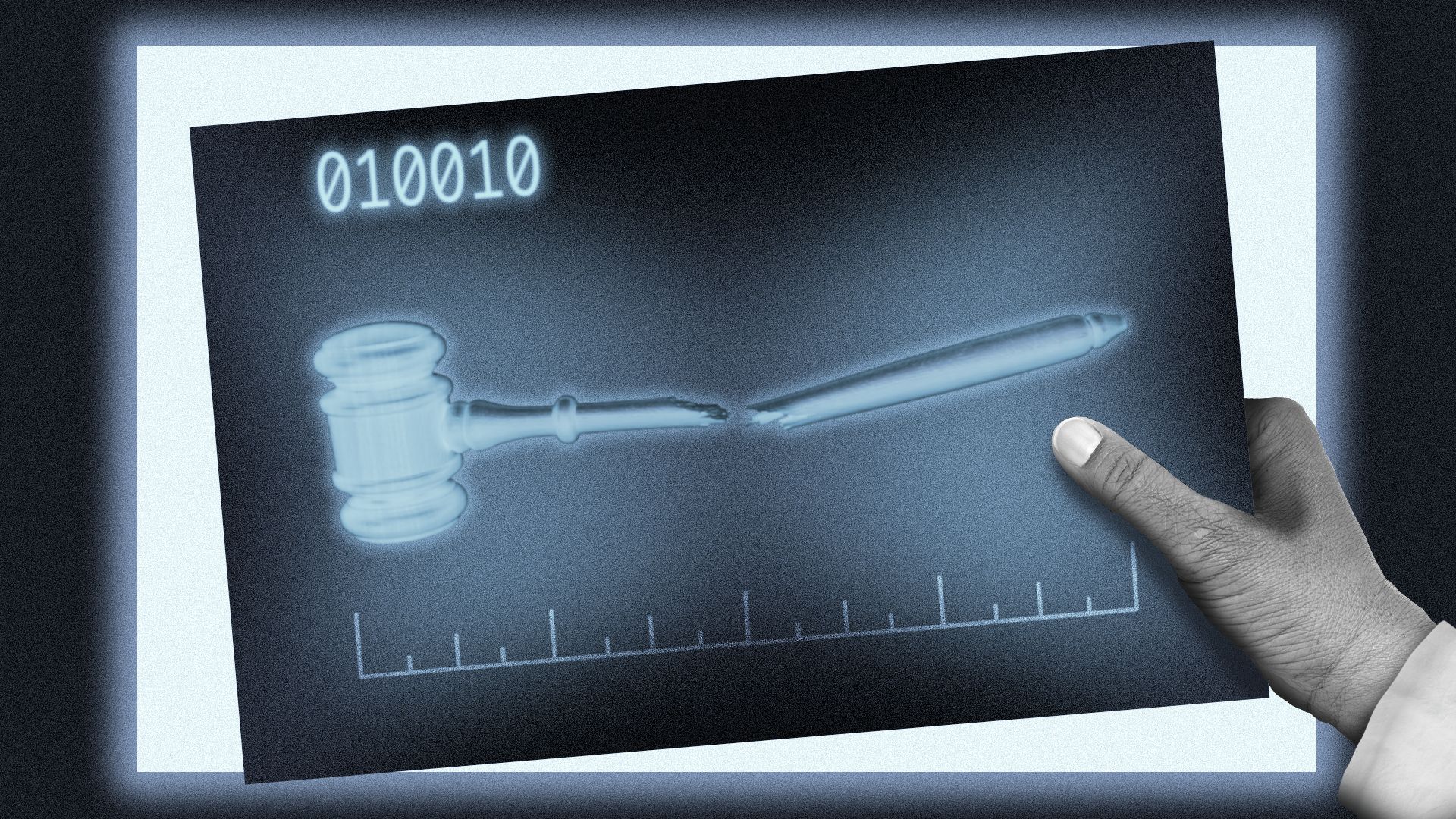
AI could put doctors who disagree with it in greater jeopardy of losing a malpractice suit, according to researchers who have tested some legal scenarios with mock juries.
Why it matters: The public may still be wary about how AI is used in a hospital or doctor's office, but there's also a baked-in assumption that it's never wrong.
- That can put physicians in a bind when they disagree with an algorithm that flags an abnormality.
- Some may opt to order costly, possibly unneeded tests if they think it reduces their legal liability.
Driving the news: Researchers are using simulated malpractice cases to examine how much AI influences the perception of whether a doctor exercised "duty of care" in treating a patient.
- The implications are significant: AI systems are used extensively to analyze medical images and improve the accuracy of diagnoses, and demand for tests is rising. But the systems invariably make mistakes.
- Experts say there are few established legal precedents for how AI might change the nature of malpractice liability in a field like radiology.
- Physicians are demanding more protections. The American Medical Association this month called for new federal and state legislation that shields clinicians from liability when AI products harm patients.
What they found: In a series of simulated court cases, researchers discovered that mock juries were more likely to side with the plaintiff in a malpractice suit when AI disagrees with a radiologist than when AI agrees with them.
- One scenario involved a brain bleed on a CT scan that resulted in irreversible brain damage. When AI disagreed with the radiologist by flagging the condition when the radiologist didn't think there was one, the jurors sided with the plaintiff more often (72.9% of the time).
- A second case was built around a missed lung cancer on a CT scan that resulted in the patient's death. When AI was at odds with the physician by saying the patient had lung cancer when the doctor didn't think so, participants also sided with the plaintiff more often (78.7% of the time), the researchers wrote in NEJM AI.
Yes, but: A smaller percentage of jurors ruled against the physician when they were given data on the AI system's error rate.
- Experts say that's significant, because false positive readings are almost inevitable and can temper the belief that the technology is always right.
What they're saying: "We're uncovering an unintended consequence of AI adoption," said lead author Michael Bernstein, an associate professor at the Warren Alpert Medical School of Brown University. "AI can do a lot in radiology, but it's not all uniformly positive."
- Bernstein said one concern is the prospect of more "defensive medicine," in which clinicians overcorrect and order follow-up scans and exams, which can drive up costs and patient anxiety.
Radiology is a closely watched specialty because AI is used extensively — and because missing an abnormality can be fatal. It's also among the fields with a high risk of being sued.
- But research on perceptions of blame is cutting across many medical disciplines and underscores how physicians who are expected to rely on AI to cut down on medical errors still have to know when to override the systems.
- "Because human operators are perceived as having control over the technology's use, responsibility unduly shifts to the human operator," Johns Hopkins researchers wrote in JAMA Health Forum last year.
2. Trump admin unveils Medicare Advantage overhaul
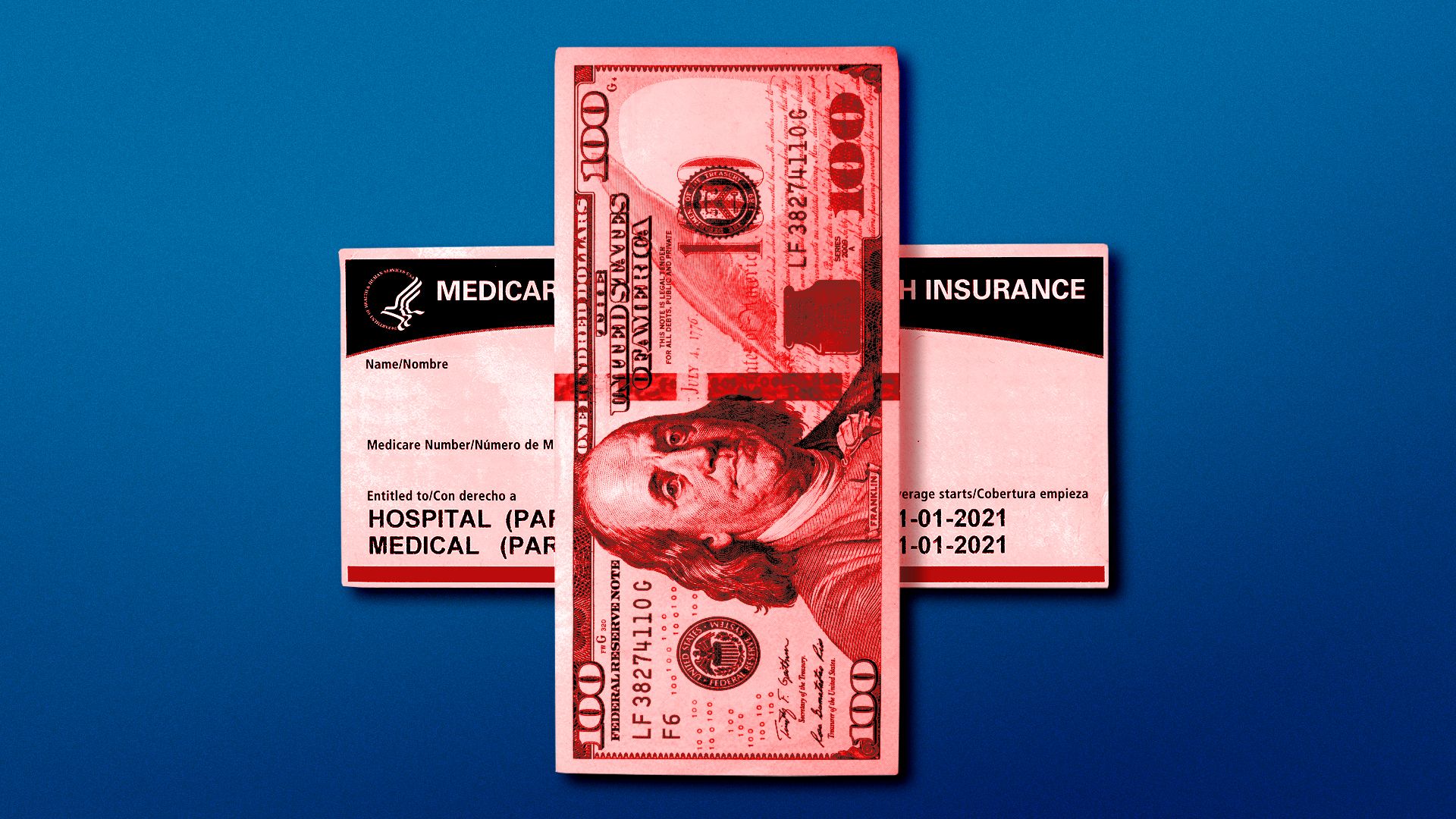
CMS proposed sweeping changes to the Medicare Advantage program and Part D drug plans Friday that would set a higher bar for insurer performance bonuses and cut $107 billion in payments to the companies from 2028 through 2037.
Why it matters: The proposal would place more of an emphasis on clinical outcomes and arrives as policymakers increasingly question how much privatized Medicare should cost taxpayers.
Driving the news: CMS said the proposal, if finalized, would strengthen competition and lower administrative barriers for new entrants.
- It also aims to elevate chronic disease prevention through nutrition standards that align with the MAHA movement.
- The plan would focus "star ratings" on 15 quality measures, compared to the current 43, and change the calculation methodology for quality bonus payments to health plans.
- The $107 billion net effect would amount to a 1.17% reduction in Medicare payments to private health plans over a decade.
Between the lines: Evercore ISI analyst Elizabeth Anderson wrote in a note that simulations show 58% of MA insurer contracts would receive lower ratings and approximately 20% would lose quality bonuses under the proposal, though she noted that plans have time to adapt.
Context: The five-star rating system governs billions of dollars in Medicare Advantage and Medicare Part D bonus payments and has been the object of lawsuits from 19 insurers, who claim the existing quality criteria were never formally adopted or are based on improper data.
- More than $6 billion in payments are potentially at stake, per the Center for Health Policy and the Law at Georgetown's O'Neill Institute.
- Insurers get bonus payments for contracts that earn four stars or higher from CMS, which they can use to offer extra benefits that are popular with seniors.
- Critics maintain the system hasn't improved plan quality or provided the right information to seniors shopping for coverage.
Thanks for reading Axios Future of Health Care, and to editor David Nather and copy editor Amy Stern. Please ask your friends and colleagues to sign up.
Sign up for Axios Future of Health Care