Axios Future of Health Care

September 24, 2026


Happy Thursday! There's a lot riding on today's confirmation hearing for President Trump's pick to lead the FDA. Let's break down what's at stake, beyond senators' votes.
Today's newsletter is 1,057 words, a 4-minute read.
1 big thing: Biotech has a lot riding on Trump's FDA pick
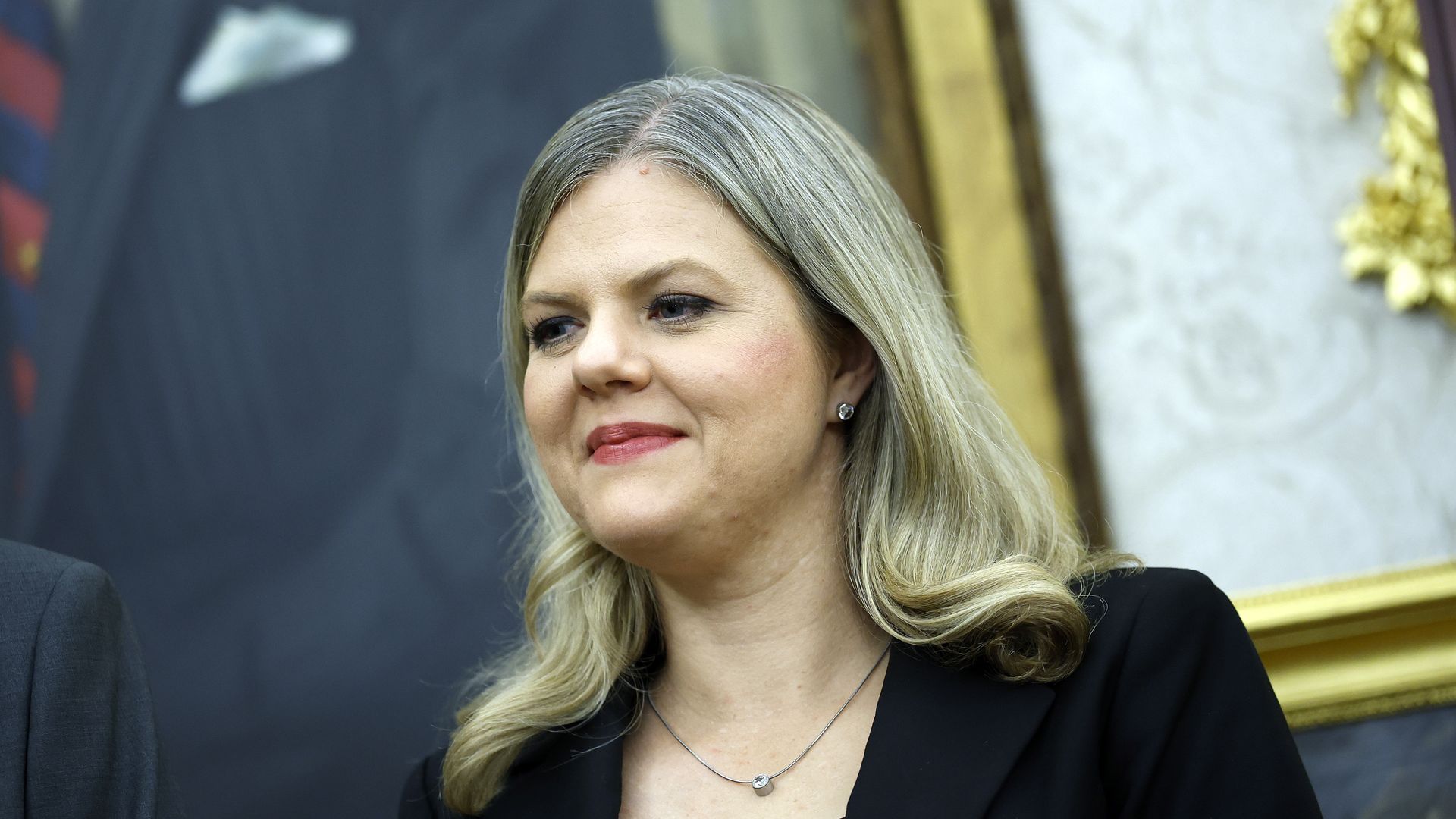
President Trump's pick to lead the FDA, Heidi Overton, today will have to convince a handful of skeptical Republican senators to back her nomination.
- But the larger biotech world is watching for hints about how she'd lead the agency through a defining era for the sector.
Why it matters: Overton's stances on abortion pills and vaccines will likely drive the headlines coming out of her confirmation hearing at the Senate health committee. But the job she's vying for goes well beyond those hot-button issues — and will shape how patients benefit from medical advances.
Driving the news: Overton's prior positions on vaccine policy and other topics may be a problem for a number of members of the committee, and she'll be tasked with earning the votes of those senators without alienating others.
- She'll have to mollify committee Chairman Bill Cassidy (R-La.), who's been sharply critical of recent limits on childhood vaccines and the general rhetoric coming from the administration.
- She'll also have to avoid alienating Sens. Susan Collins (R-Maine) and Lisa Murkowski (R-Alaska) on rules for dispensing abortion pills without losing the support of conservatives like Sen. Josh Hawley (R-Mo.), who are calling for strict limits.
The big picture: If confirmed, Overton would be inheriting an agency that's still recovering from a tumultuous year and a half, and one that's responsible for overseeing enormous shifts within the pharmaceutical sector.
- Biotechnology advances are presenting the agency with complex new regulatory decisions.
- At the same time, China's astronomical rise as a biotech superpower has increased pressure on the U.S. to streamline its own regulatory process in order to maintain global leadership.
"We need two things, and I think at times they're in conflict. We do need FDA reform, because we have to get faster," said Genentech senior vice president Fritz Bittenbender, who is also chair of the Biotechnology Innovation Organization.
- Bittenbender spoke yesterday at an Axios event, which was sponsored by Genentech.
- "We have to be on the cutting edge, or we're going to be behind if we're not doing those things. At the same time, we also need consistency," he added. "We need consistency for the products that are already under regulatory review at the FDA."
State of play: Since former commissioner Marty Makary departed the FDA earlier this year, the administration has made a concerted attempt to restore predictability to the drug approval process. By most if not all accounts, it's been well-received.
- But the policies have been implemented by temporary leadership, meaning some key decisions could be easily overturned.
Friction point: Overton's nomination has been met in some corners with disappointment.
- "I think that there was a hope that you would have as a nominee for FDA someone who has more traditional experience and operational experience," said Raymond James analyst Chris Meekins yesterday at the Axios event.
- "Honestly, if we could just keep the status quo at FDA now for the next two years, I think investors would be thrilled."
- "We would like to see the positive momentum that we have seen continue as relates to the regulatory framework ... for rare diseases," said Pam Gavin, CEO of the National Organization for Rare Disorders.
What they're saying: Overton's experience, including as a doctor who was on hand at the White House during the COVID pandemic, makes her the right person for the position, FDA deputy commissioner Grace Graham said at the Axios event.
- She also has the skills necessary to translate the agency's recent progress into lasting policies, Graham added.
- "She has a unique experience in management of running interagency processes and where to go with the speed I think the moment needs to get FDA policies done in the right way," she said.
Between the lines: Going back to the way the FDA was before the second Trump administration may actually not be the best goal.
- "We burned the house down. We don't want to rebuild that house in the same model that it was before," said Chris Garabedian, chairman and CEO of Xontogeny, a life sciences accelerator and venture capital firm.
- "We have an opportunity now to actually build a new house that's ready for this century and all the technologies that have been talked about."
The bottom line: Sparks may fly in today's hearing, but probably not over the topics that will most impact the future of an industry experiencing enormous change.
2. FTC's warning on hospital mergers

Trump antitrust regulators are citing a recent Ohio hospital merger as an example of how they plan to scrutinize future sales of struggling health systems.
The big picture: Being in financial distress isn't a blank check for seeking out a merger that could reduce competition, drive up costs or lower the quality of care, the Federal Trade Commission warned in a public statement this month.
- The admonition comes amid heightened hospital dealmaking, as more facilities grapple with high expenses and insurer payments they say have fallen below sustainable levels.
Catch up quick: Regulators launched an investigation after the nonprofit Fairfield Medical Center in southeast Ohio signed an agreement last year to become part of OhioHealth, a large system that operates 16 hospitals and had been under scrutiny for alleged anticompetitive contracting practices.
- The FTC, with the Ohio attorney general, found the proposed transaction risked raising costs and weakening care — and also raised concerns about how thoroughly Fairfield identified potential buyers.
- Regulators said they encouraged Fairfield to engage more prospective buyers. The hospital this month announced a deal with Adena Health, a smaller health system that didn't operate in Fairfield's service area.
What they're saying: The episode "should serve as a reminder that we will stop bad hospital deals," FTC Bureau of Competition director Daniel Guarnera said in a statement.
- He said the agency was raising the bar for a "failing-firm defense," and could go to court to block future deals.
The bottom line: A hospital's financial woes aren't a free pass, even if there's the threat of a closure, attorneys at Sheppard, Mullin, Richter & Hampton wrote in a commentary.
Thanks for reading Axios Future of Health Care, and to editor Kate Marino and copy editor Matt Piper. Please ask your friends and colleagues to sign up.
Sign up for Axios Future of Health Care