Axios Future of Health Care

November 12, 2026


Welcome to Thursday. Democratic freshmen from red states are reviving campaign themes around taking on Big Health Care.
Today's newsletter is 1,127 words, a 4½-minute read.
1 big thing: Dems unite against corporate health care

Newly elected Democrats from ruby red states are leading a charge to take on corporate health care and some business practices that they say drive up health care costs.
Why it matters: Democrats may not be anywhere close to agreement on Medicare for All, but they're relatively united around confronting Big Health Care after campaigning hard on the populist theme.
Driving the news: While expanding Medicare, reversing GOP Medicaid cuts and reviving enhanced Obamacare subsidies are getting most of the attention, there's a subtle shift in rhetoric and policy positions toward blaming big health companies for the affordability crisis.
- It reflects the reality that a substantial expansion of the federal government's role in health care isn't in the cards while President Trump is in office, but populist themes could unite the rank-and-file and even draw in some Republicans.
- Even candidates who didn't constantly rail about drugmakers or insurers have adopted policy ideas that, until recently, were confined to left-leaning think tanks.
Case in point: Incoming Texas Sen. James Talarico ran on breaking up big health care companies and "stop[ping] hospitals and insurance companies from overcharging patients." (He also supports allowing Americans under 65 to join Medicare.)
- South Carolina Sen.-elect Annie Andrews ran on limiting insurer profits per enrollee, expanding the number of drugs subject to Medicare drug price negotiations and banning private equity-owned hospitals.
- Incoming Kansas Sen. Adam Hamilton supports expanding Medicare drug price negotiations and extending the negotiated prices to private health plans, as well as addressing Medicare Advantage overpayments from the federal government.
- Other targets include medical debt, pharmacy benefit manager practices and caps on out-of-pocket drug costs.
Many of these ideas already have buy-in from more-senior progressives.
- Sen. Elizabeth Warren (D-Mass.) has sponsored the Break Up Big Medicine Act, which is co-sponsored by Republican Sen. Josh Hawley of Missouri, which would prohibit common ownership of health plans and providers.
- Incoming Michigan Sen. Abdul El-Sayed, an avid Medicare for All supporter, ran on support of the Warren-Hawley bill, as well as expanding Medicare drug price negotiations.
- The House's health care working group, made up of both progressives and moderates, pitched capping "excessive" hospital prices and enacting site-neutral payments.
The big picture: Voters have made clear that they want lower health care costs. So while a broad overhaul of the health system may not immediately be on the table, Democrats are looking for ways to deliver.
- Powerful health industry groups are poised to push back, arguing that the populist policies would threaten patient care and access in some communities.
- But the ideas under discussion could gain favor with some Republicans.
What they're saying: When asked at an Axios event on Tuesday whether Congress should address ownership ties between insurers, PBMs and pharmacies, Rep. Morgan Griffith — the top Republican on the House Energy and Commerce's Health Subcommittee — said, "I've only heard the case for breaking them up."
- "There's just something in your gut that bothers you when your pharmacy, your PBM and your insurance company are all owned by the same people," he added.
What we're watching: Forcing drugmakers to lower prescription drug prices could be a particularly compelling target, given Trump's demonstrated interest in the topic.
2. Cliffhanger vote coming on FDA nominee
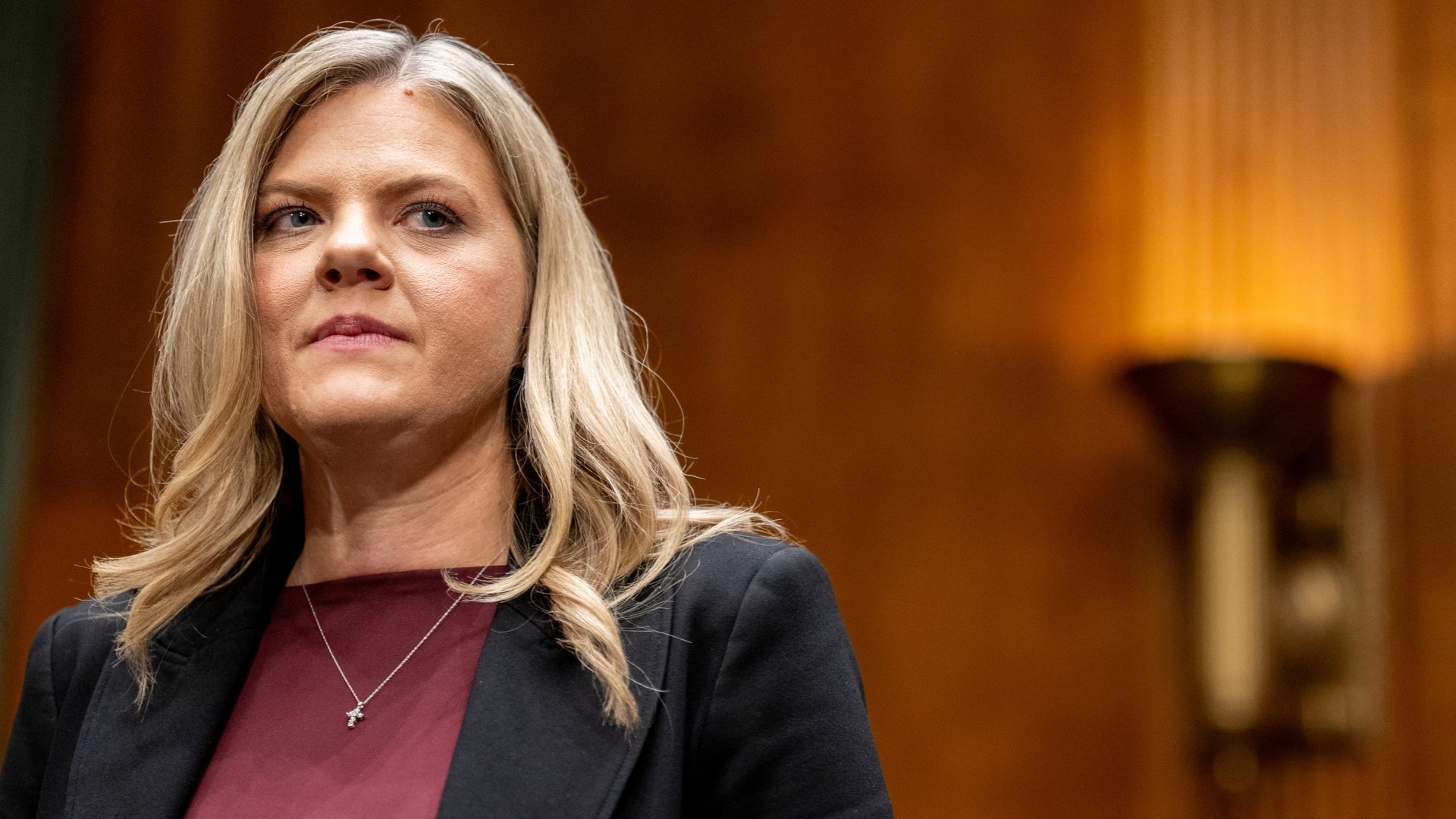
The Senate health committee will vote next week on whether to advance the nomination of Heidi Overton for FDA commissioner, despite doubts from the panel's Republican chairman and criticism of the nominee from some in the anti-abortion and MAHA movements.
Why it matters: If Overton isn't confirmed, the Democratic takeover of the Senate next year almost assures that the FDA will be run by acting commissioners for the remainder of President Trump's term.
- But it's not certain that Senate GOP leadership will have the bandwidth to bring up the nomination, even if it makes it out of committee.
Driving the news: Senate HELP chair Bill Cassidy (R-La.) said Wednesday that he and other Republicans on the panel were undecided on Overton's fate, but that the vote would settle the status of the nomination one way or another this Congress.
- Cassidy, who lost a primary to a Trump-backed candidate, wrote on X that he spoke with Overton about the "lack of trust that exists due to broken promises and irresponsible decisions from other officials within the administration."
Overton also has drawn skepticism from Susan B. Anthony Pro-Life America, which is pressing senators to pin her down on whether she would tighten dispensing requirements for the abortion pill mifepristone and ensure that the FDA conducts a rigorous safety study of the drug.
- Separately, former Kennedy adviser Calley Means, a prominent figure within the MAHA movement, has accused Overton of undermining Kennedy's healthy food agenda while she was deputy director of the White House Domestic Policy Council.
Overton faced tough questioning on vaccine safety and abortion pills during her September confirmation hearing, refusing to criticize Trump's past statements on the safety of the MMR vaccine or his suggestion that Tylenol taken during pregnancy causes autism.
3. Health industries due for a rebound after 2027

Disenrollments from Medicaid and Obamacare will weigh on health care providers and payers next year before the sector's earnings, excluding interest, taxes and amortization, accelerate to 9% annual growth for the rest of the decade, McKinsey & Company projects in its annual health value outlook.
The big picture: The recovery will look different across segments, with ambulatory surgery centers, specialty pharmacies and health tech vendors among the big winners.
- While the health system has struggled to adopt new technologies, AI is proving to be an exception and is already starting to deliver measurable productivity gains, McKinsey adds.
What they're saying: Health systems and insurers' margins should gradually start improving in 2028 as enrollment in commercial plans picks up, rate increases are reflected on balance sheets and providers find more operating efficiencies.
- But reductions in Medicaid state-directed payments stemming from last year's GOP reconciliation law could temper the recovery.
- "U.S. health care is not returning to its old equilibrium," the outlook states. "Value will accrue to the organizations that find ways to turn financial pressure into increased productivity and better patient outcomes."
Between the lines: Hospitals will remain under pressure, with Affordable Care Act and Medicaid coverage changes expected to increase uncompensated care and more patients shifting to outpatient surgery centers, home health and other lower-cost settings.
- Insurers, who as a group recorded losses for the first time this decade in 2025, will likely see a recovery. But rising medical costs, higher premiums and coverage disruptions will continue to buffet the market, McKinsey says.
Thanks for reading Axios Future of Health Care, and to editor David Nather and copy editor Amy Stern. Please ask your friends and colleagues to sign up.
Sign up for Axios Future of Health Care