Axios Future of Health Care

July 31, 2026

Good morning! I hope you enjoyed a few weeks off from thinking about the future of health care, but now we're back — and in some ways, the future is starting to look a lot like the recent past.
Today's newsletter is 1,067 words, a 4-minute read.
1 big thing: HHS achieves only a partial reset
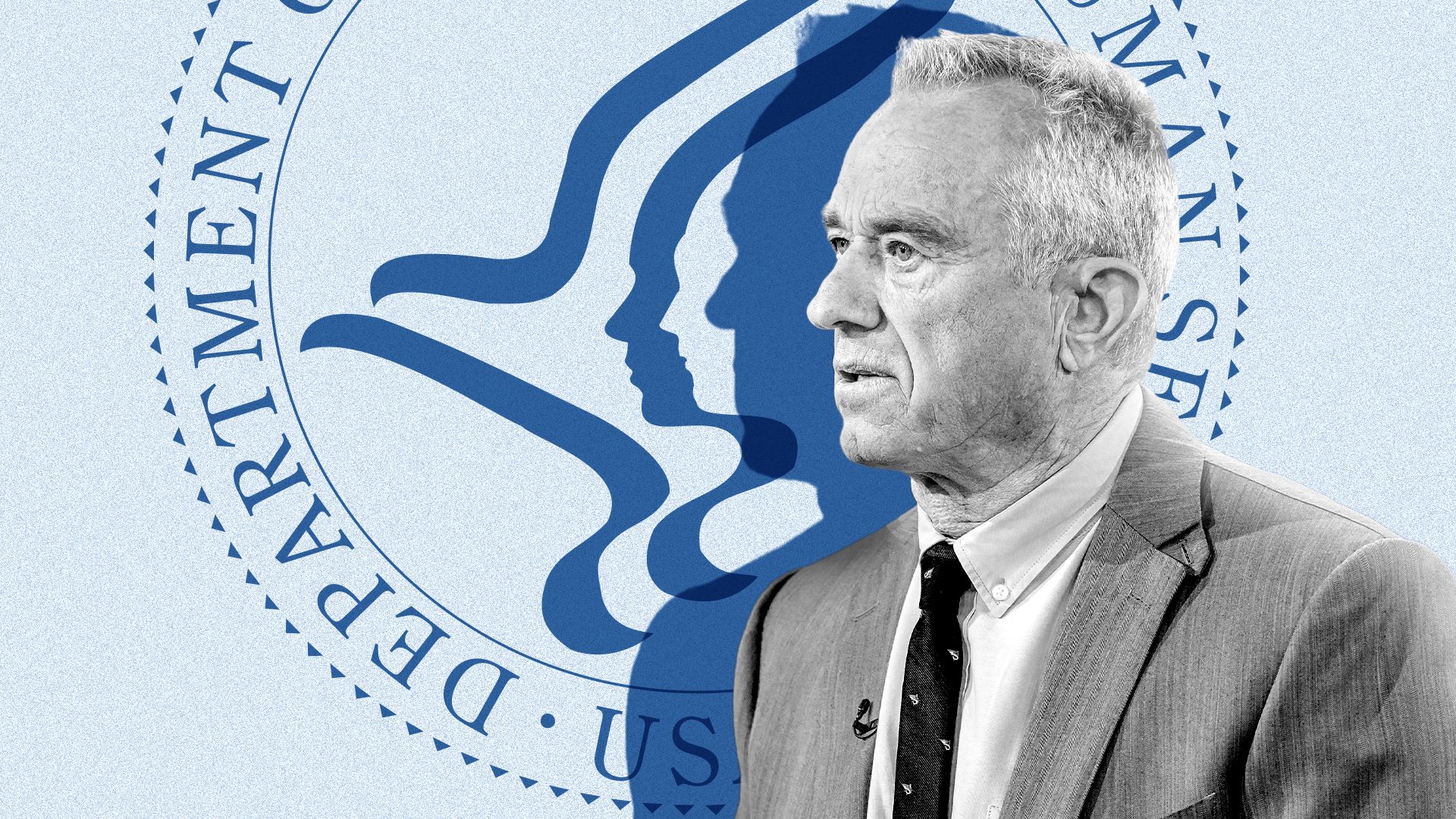
HHS keeps saying it's turning over a new leaf, but it has only been partially successful — and controversial vaccine policymaking appears to be back on the table.
Why it matters: Though the agency reset was launched with the midterm elections in mind, it's already under strain and the elections are still more than three months away.
State of play: Until this week, the administration had spent most of this year toning down its approach to vaccines, after it became clear through polling that vaccine skepticism was a political liability for the GOP in the midterm elections.
- But it wasn't just vaccines. The FDA had become dysfunctional enough that critics were warning of irreparable harms to the biotech industry and lost cures for patients, and the CDC has been without a Senate-confirmed director for the vast majority of Trump's second term.
At the same time, HHS elevated people with much more traditional backgrounds to senior positions within the department, most notably installing Chris Klomp effectively as chief of staff.
- Former FDA commissioner Marty Makary and top regulator Vinay Prasad both left their jobs in the following months, signaling what the biopharma industry hoped would be a reset on a relationship that had become poisonous.
- Other controversial personnel either left the administration or — in the case of surgeon general nominee Casey Means — failed to be confirmed.
Where it stands: The projection of a return to business as usual experienced some serious cracks this week.
- The Senate confirmation of Sean Kaufman, the administration's nominee to lead the Administration for Strategic Preparedness and Response, seemed to be in trouble over his past anti-vaccine statements, though the Senate health committee did approve his nomination yesterday.
And most prominently, the WSJ reported that President Trump has been pressuring Health Secretary Robert F. Kennedy Jr. to do more on vaccines, including probing the alleged connection between vaccines and autism and reducing the number of shots children receive.
- "💯 true," a source close to HHS and the White House texted me in response to the story.
- That's a stark departure from White House staff urging the department to tone it down — but a testament to the president's genuine commitment to the topic.
- Scientists have repeatedly said there's no evidence of a connection between vaccines and autism.
The other side: The administration's nominee to lead the CDC, Erica Schwartz, was approved by the Senate health committee with significantly less drama yesterday, even earning a Democrat's vote.
- And while the FDA is lacking permanent leadership, both the acting commissioner and the acting heads of drug regulation have received widespread praise from industry and other critics of the agency under Makary's tenure.
- Klomp, who has been nominated as deputy secretary, continues to be largely regarded as competent and a steadying hand.
- HHS said in a statement: "We have an exceptional team in place across the Department, that is dedicated to serving the American people and carrying out President Trump's bold vision to reverse the chronic disease epidemic, restore trust in public health, and put prevention at the center of health policy as we Make America Healthy Again."
2. The resurgence of vaccine policy

The likelihood that controversial vaccine policy returns with a vengeance post-midterms is completely underappreciated across Washington.
Between the lines: Sources close to the administration are confident that vaccine-skeptical rhetoric and policy actions will resume in a few months.
- "I have full expectation that many of MAHA's goals will reappear after midterms. They'll actually get finalized in the second half of the administration, and the real question is what happens in the next administration?" said David Mansdoerfer, a senior HHS official during Trump's first term.
What they're saying: Parents' "questions and concerns about America's skyrocketing autism rates have long been ignored if not mocked. That changed the day President Trump took office, and the Trump administration is committed to leaving no stone unturned to finally address these concerns with Gold Standard Science," White House spokesman Kush Desai said in a statement.
The intrigue: Trump's urgency could add longevity to Kennedy's tenure. There's been rampant speculation about whether the secretary will leave the administration after the midterm elections, with many sources believing he'll be gone after they're over.
- "Of course this means that the Secretary will stay to the end of the Administration," the source close to HHS and the White House told me.
- "He's been stymied time and again by staff who were worried about the political optics of questioning vaccines. Now he can tell them the President ordered him to do more, and when they try to block him on whatever is next he can march into the Oval."
Reality check: A lot of what Kennedy's critics feared HHS would do on vaccines under his leadership either never happened or was blocked by the courts.
- But that doesn't preclude those things from happening in the future, particularly during the second half of the Trump administration.
"I knew all along that Trump had these feelings on vaccines. I don't think I fully appreciated how much he was pushing," said Richard Hughes, the attorney leading the legal fight against the HHS vaccine schedule changes.
- "It's concerning that the president may continue to try to break the law and interfere with what should be evidence-based vaccine policy based on his deeply held, deeply flawed views of science," he added.
Yes, but: Efforts to push vaccine policy or rhetoric won't receive carte-blanche approval within the administration, even without the political considerations of the midterms.
- "There is a strong desire to ensure any research is done to the highest standards, is validated, etc.," one senior administration official said.
The bottom line: "Administrations typically get more brazen in the second half of the second term when it comes to policy ideas," Mansdoerfer said.
- "I think you have a president who has a firm belief in many of these same lines of thinking as Secretary Kennedy does, who will say, 'This is my legacy, I am going to do this because I think it is the right thing.'"
Thanks for reading Axios Vitals, and to editor David Nather and copy editor Matt Piper. Please ask your friends and colleagues to sign up.