Axios Future of Energy

May 29, 2026

๐บ Made it! We're closing the week with lots of angles on oil, starting with pump prices and moving on to...
- China's crude surprise
- Market moves, stockpile stress, AI potential and more, all in 1,285 words, 5 minutes.
๐ Thanks to David Nather and Chris Speckhard for editing and to our brilliant Axios visuals team.
๐ถ This week in 1977, Neil Young released the album "American Stars 'n Bars," which provides today's beautiful intro tune...
1 big thing: Pump prices are dropping, but a tough summer still looms


Pain at the pump is easing, but gas is far costlier heading into the summer than last year โ and what comes next is wildly unpredictable.
Why it matters: High gas prices are the most visible economic effect of the Iran war for many Americans grappling with inflation.
Driving the news: The U.S. average price for regular is $4.39 per gallon today, per AAA โ down 16 cents over the last week as the U.S. and Iran closed in on a possible deal to extend the ceasefire.
- But it's still far above the roughly $3 that Americans were paying right before the war started.
- Prices are seeing their largest weekly drop of the year, Patrick De Haan, head of petroleum analysis at the fuel data and analysis firm GasBuddy, posted on X.
The big picture: Retail gas prices are tethered to oil prices set on global markets, even though the U.S. is the world's largest producer and imports relatively little from the Middle East.
- Gasoline is falling as oil prices โ while volatile โ have been trending generally lower since mid-May.
Reality check: Don't expect a quick return to pre-war prices or anything close for the foreseeable future โ and prices could rise again.
- Even if a U.S.-Iran deal becomes official, it's not clear whether tanker owners will feel confident enough to transit the Strait of Hormuz in large numbers anytime soon.
- And even if they do, the global market will remain tight for a long time โ and the situation is getting even more dire as countries' stockpiles are drawn down.
"Following the clearance of any mines, a minimum of two to three months will likely be required to reโestablish steady export operations," the International Energy Agency said in its mid-May oil market report.
- Plus, Persian Gulf countries that cut production when the main export route closed will need to revive it โ and it's not like flipping a switch.
- And oil prices include the potential for the fighting to start again, which is definitely not zero.
Zoom out: Other structural forces will act as a check on how much pump prices fall. One is that U.S. fuel demand is higher in the summer.
- U.S. gasoline inventories fell again the week ending May 22, and are 6% below the five-year average for this time of year, the U.S. Energy Information Administration reported yesterday.
My thought bubble: If prices keep falling, it raises an interesting political question: How much will it matter to voters in the midterm elections if prices are going down, if they're still relatively high?
- It's relevant because analysts see prices remaining above pre-war levels through the fall and beyond.

2. ๐ The China surprise that's shaping markets
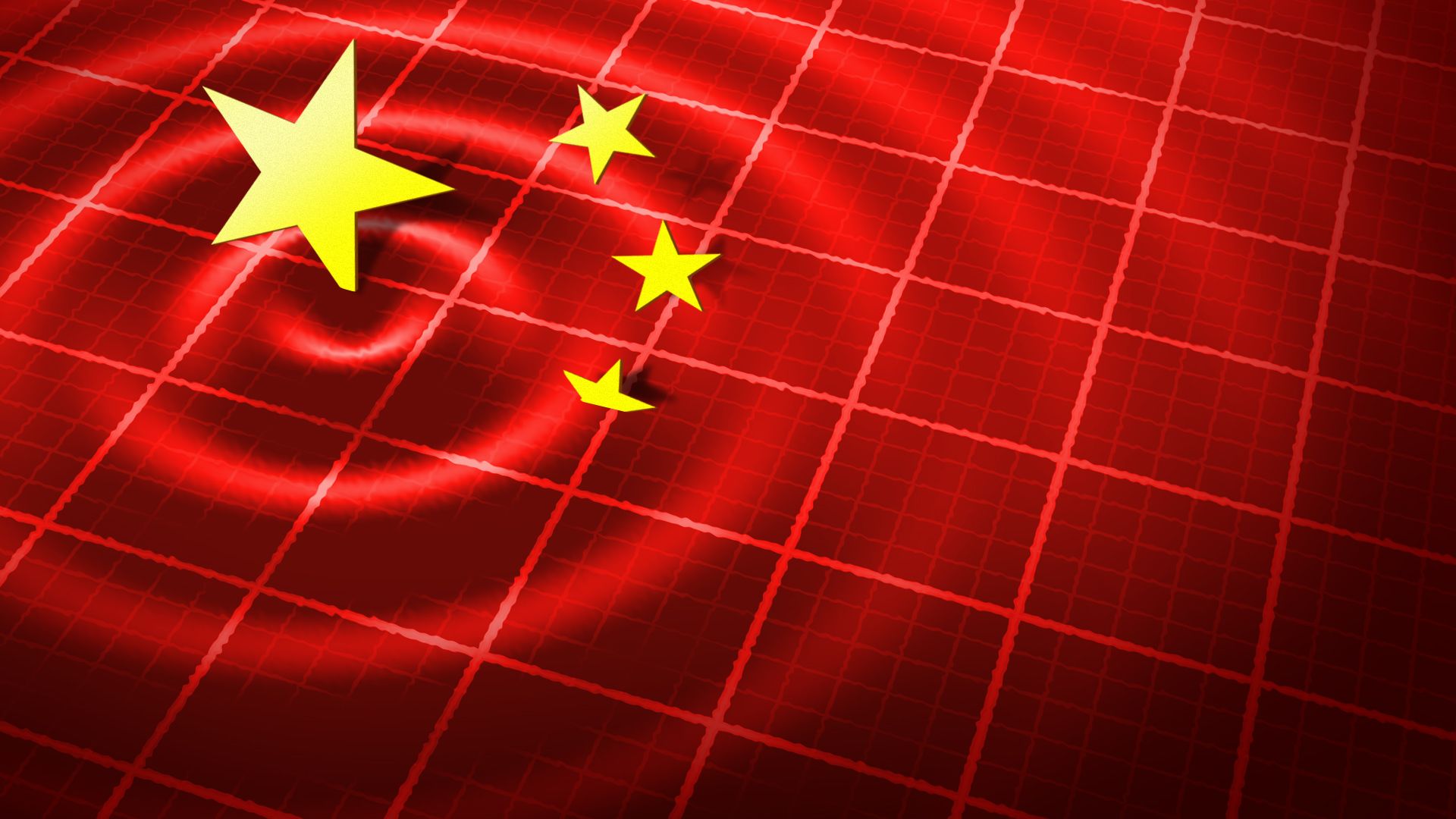
China has pulled off probably the biggest surprise of the Iran war โ and it's confounding commodity analysts.
- Since the start of the conflict, China has sharply cut the amount of oil it imports โ and that has kept a lid on global oil prices.
Why it matters: "If Chinese imports had stayed at prewar levels, oil prices would almost certainly be significantly higher today," says Salih Yilmaz, a senior oil analyst at Bloomberg Intelligence.
- The country "has probably been one of the single biggest reasons oil prices didn't spike much higher during the Hormuz disruption."
The intrigue: How has China done it? "China's inventory system is very opaque," Yilmaz says.
- Analysts mostly track visible tanks and tanker flows, but China's massive underground Strategic Petroleum Reserve and other stockpiles are much harder to observe, he says.
- China's reportedly still managing to buy some Iranian barrels.
3. ๐ข๏ธ Exxon exec: AI "pivotal" for finding more oil
Exxon senior VP Neil Chapman says AI is becoming increasingly critical for the industry's ability to find and economically produce more oil and natural gas.
Why it matters: It underscores how incumbent oil and mining industries are harnessing AI โ even as it helps with emerging energy tech, like discovering better battery chemistries.
Driving the news: Chapman said yesterday that Exxon is deploying AI to analyze massive subsurface datasets from 50,000 wells the industry has drilled worldwide.
- The tech can help locate similarities that show the most promising opportunities, including Guyana, where Exxon is producing from huge offshore fields.
- "It would have taken us 15 years to do that analysis. We've done it in a matter of weeks," he said at a conference in New York hosted by research and investment firm Bernstein. "You are looking for similarities that humans may have missed."
"It has identified 150 exploration opportunities worldwide," Chapman said.
- Applying the tech globally "will be really, really important for this industry in the future," he said.
4. ๐ Catch up quick on oil and gas: Markets, methane, Arctic

๐ Oil prices are down yet again this morning as markets price optimism about new supply over growing concerns about dwindling inventories.
- The latest: The global benchmark Brent crude is at $92.16 this morning. Vice President JD Vance said yesterday that the U.S. and Iran were "very close" to an agreement that would reopen the Strait of Hormuz.
- Yes, but: While the deal is still theoretical, the inventory drawdowns are very real.
- The bottom line: "With the war now crossing the three-month mark, the world's energy shock absorbers are rapidly eroding, and time is running out to reopen the Strait and stave off a hard landing," RBC Capital Markets' Helima Croft said in a note.
โฐ Reuters saw a draft document showing that the EU "will ask its member countries to waive penalties for three years for oil and gas companies that breach its methane emissions law, โin response to the Iran war's disruption to energy supplies."
๐ Via Bloomberg, "Norway is putting pressure on the European Union to remove a moratorium on new oil and gas drilling in the Arctic where almost two thirds of its petroleum resources lie."
5. ๐ Hot Reads: Climate and Big Tech
Bezos Earth Fund is off pace to meet $10 billion climate giving pledge (Bloomberg)
Amy says: This is interesting but perhaps not surprising given the change in leadership.
- It also is a stark contrast to the philanthropic mindset of rock climber Alex Honnold, who said recently on the Watt It Takes podcast that his biggest piece of advice to philanthropies is to cut the red tape and get the money out there.
- Also this is wild: Honnold said he gave away a third of his salary when he was making $150,000 a year.
What Singapore Understands About the Next Phase of Climate Action (Time)
Amy says: I always enjoy Justin Worland's reporting, and this is no exception. But I do have more questions about the passing mention near the end that Temasek Holdings, Singapore's state-owned investment firm, is going to miss its 2030 climate targets.
How Big Tech learned to speak FERC (E&E News)
Ben says: Tech and AI giants have been on a steep learning curve as their fates are increasingly tethered to navigating intricate โ and evolving โย federal power rules. This piece nicely explains why they need to learn fast.
6. ๐ฌ Quote of the day: Something's gotta give edition
"With supplies highly constrained, if shipping through the strait does not soon return to prewar levels, world oil and natural gas consumption could need to fall more meaningfully than it has so far. The economic consequences would depend on the degree to which end users can switch to other energy sources or use energy more efficiently, versus curtailing economic activity."โ Federal Reserve Bank of Dallas President Lorie Logan in remarks earlier this week
๐ซ Did a friend send you this newsletter? Welcome, please sign up.
Sign up for Axios Future of Energy