Axios Detroit

February 27, 2025


1 big thing: Techno's futuristic history in Detroit
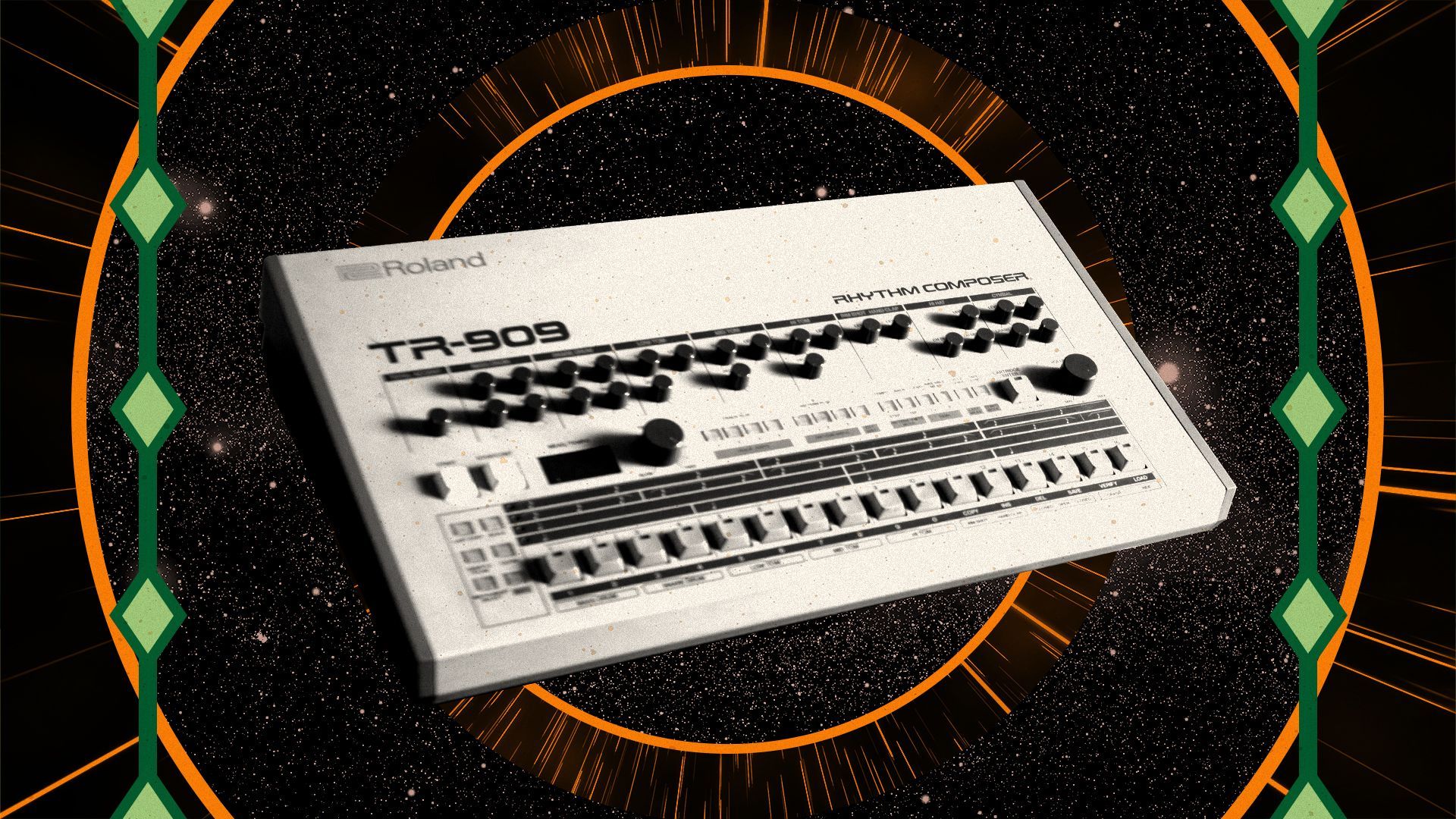
Black artists in Detroit in the early 1980s ventured into the future to create a transformative global genre: techno.
Why it matters: Their legacy of experimentation and liberation, built on futuristic themes, shows how innovative Black storytelling has influenced Detroit's and America's cultural and economic history.
Driving the news: An MSU Museum exhibition in downtown East Lansing is exploring the rise of techno and its connections to Afrofuturism, through April 30.
- The exhibition also reflects how techno's origins in the Motor City have been obscured for some by a narrative of the genre as a white trend born in Europe.
Context: Many locals contributed to techno's rise, but experts consider the founders to be Juan Atkins, Kevin Saunderson, Derrick May and Eddie Fowlkes. The first three met at Belleville High School and shared an interest in a variety of music, including with sci-fi themes, like Parliament and Kraftwerk. They linked up with Fowlkes, a DJ and producer who became known for his distinct techno soul sound.
- Their new sounds spread across Detroit, including through clubs and underground parties, among Black youth and local TV shows like "The New Dance Show."
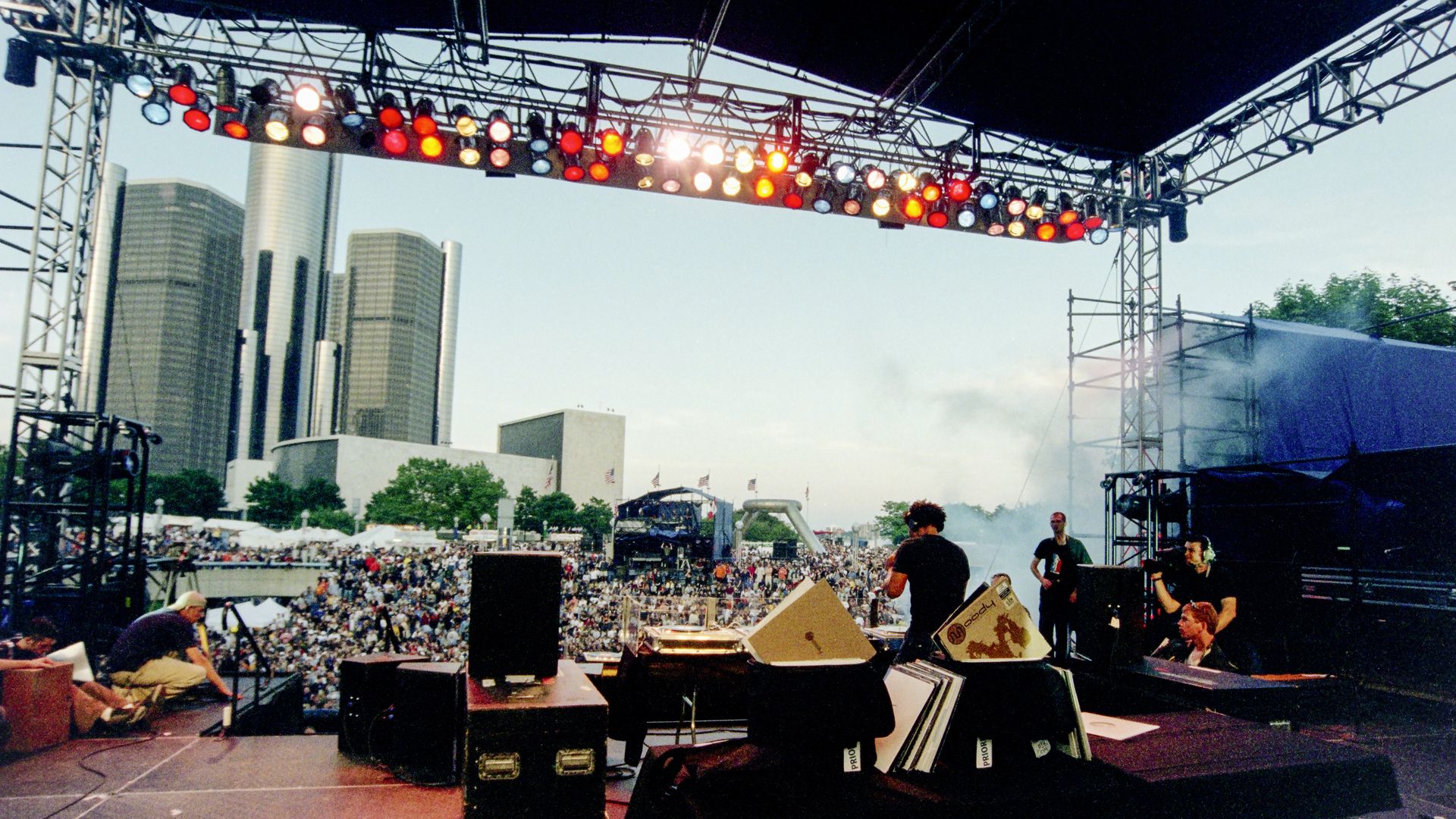
- They grew into an international scene from the 1980s through the 1990s, influenced by locally based labels like the revolutionary collective Underground Resistance.
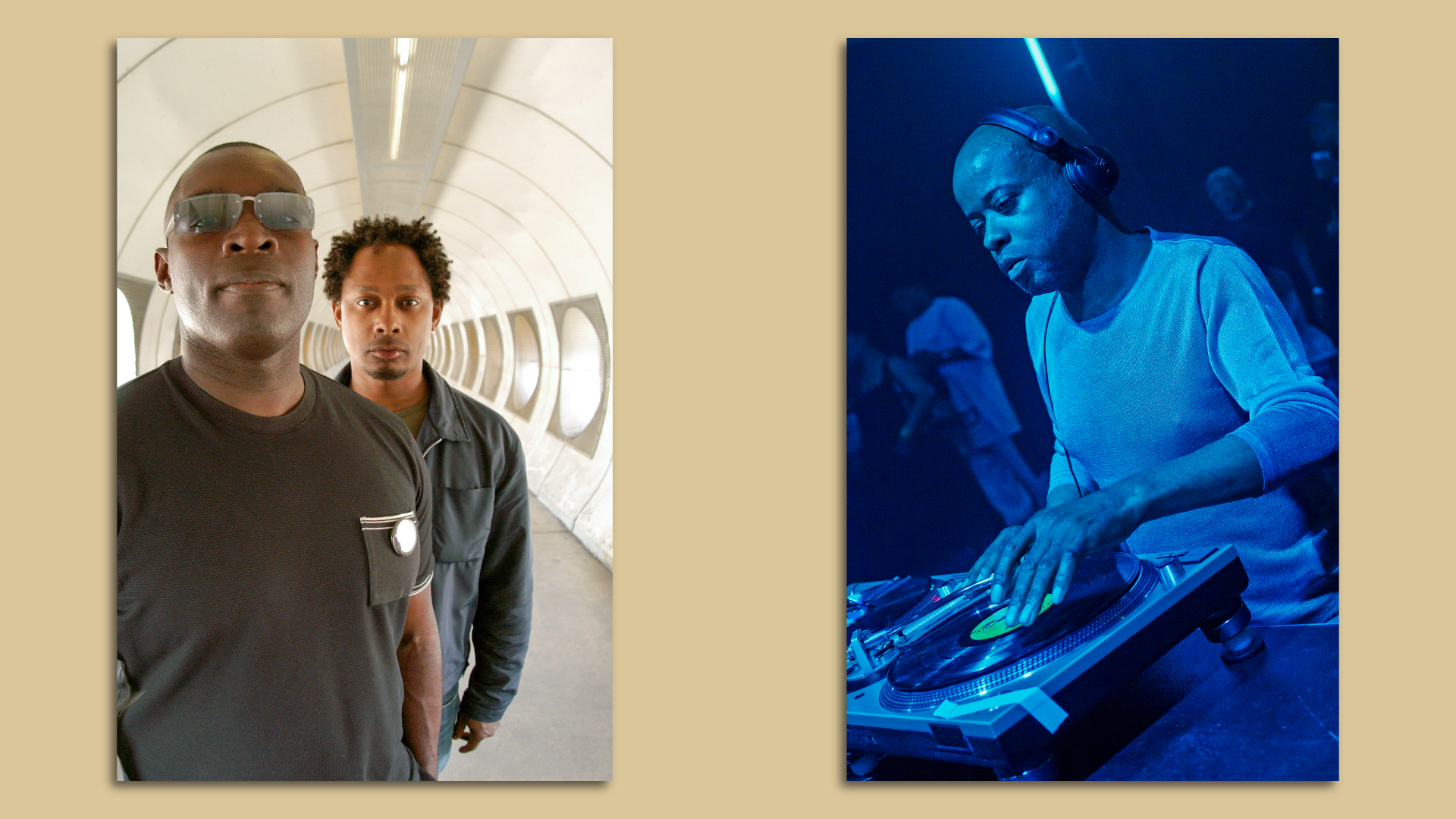
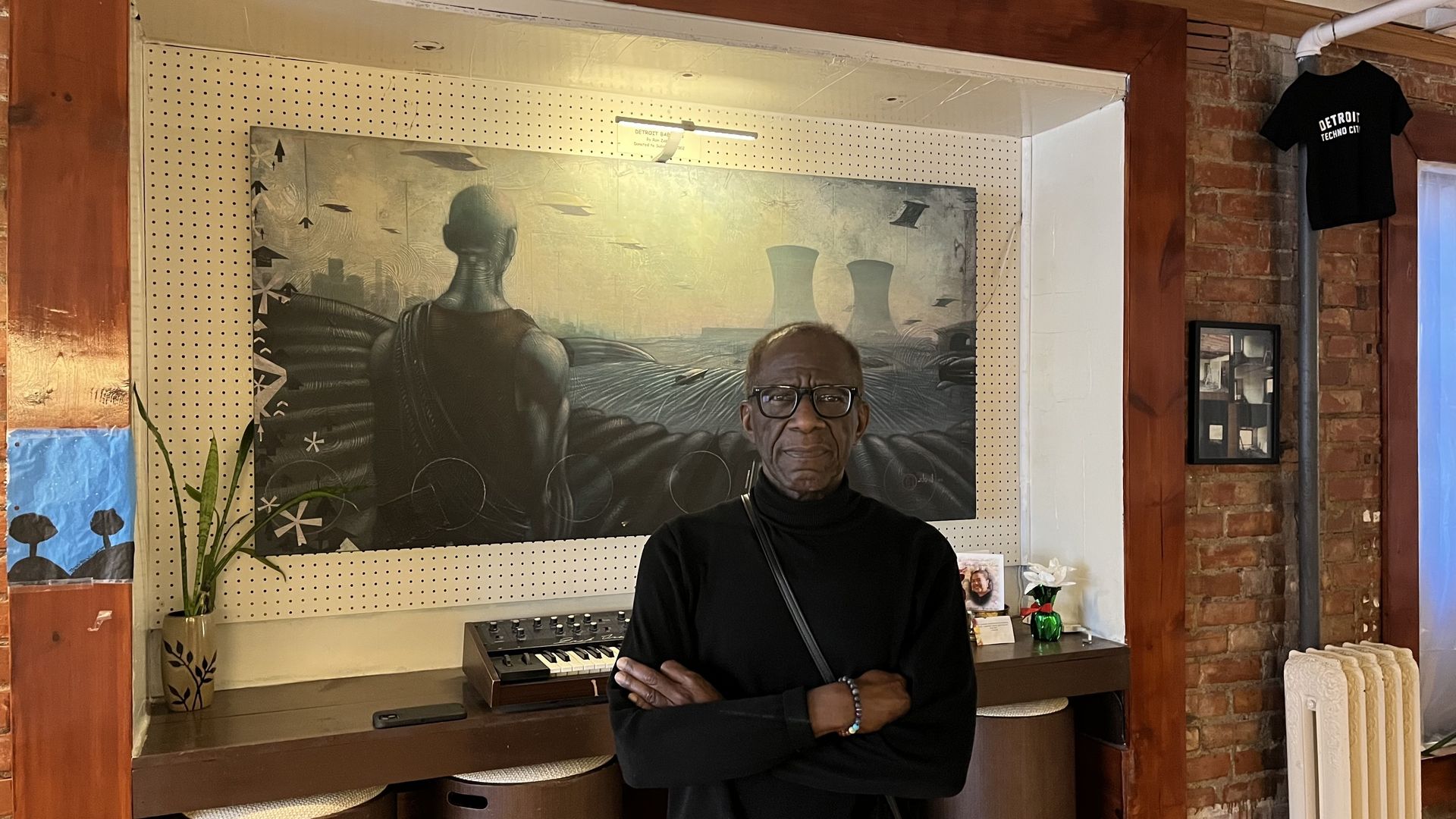
For techno's Black DJs and producers, "it was a music of hope, of living in a better time, because music transcended us into a time where people are coexisting together," legendary DJ and music producer John Collins tells Axios. It also reflected the times they were living in.
- Collins, who is the community curator for the MSU exhibition, started DJing in Detroit part-time to supplement his main income around 1975-76. Though he never intended it to become a career, it did, and he played a monumental role in shaping techno.
Zoom in: One 1980s club Collins worked, the famed Cheeks, was one of the first clubs to play techno. Other DJs Jeff Mills and Stacey Hale evolved the city's dance music scene alongside Collins.
- The club's diverse clientele — Black, LGBTQ+ and white — were more open to progressive sounds than just radio hits.
Reality check: Some outside commentators see techno as telling a dystopian story in Detroit, amid population and auto industry decline, contrasted with a free, post-Cold War utopian narrative in Europe, according to MSU English professor Julian Chambliss. The difference highlights how race and location factor into the perceived narrative.
- But Chambliss, curator of the East Lansing techno exhibition, says: "They're not talking about dystopia. They're talking about transformation ... The people making the music have a bright future in mind."
Scroll to read on ...
2. How Afrofuturism and techno intersect
/2025/02/26/1740607371992.gif)
The raw and transformative beats of Black Detroit techno artists are integral to the legacy of Afrofuturism.
State of play: "Afrofuturism" as a term was coined in 1993 by cultural critic Mark Dery, according to the Met, though the concept existed long before that. It describes practices that speculate on futures of Black liberation, working against oppression.
- Techno was among the sounds used to represent Afrofuturism, MSU's Chambliss tells Axios.
- "You have this sound that is completely new, innovative, original, and it's attached to worlds or spaces where people are looking for inclusion, community, liberation," he adds.
- The machine-made music's innovations recall musical traditions like blues and jazz. There's also influence from Motown, gospel and house.
Context: Afrofuturism continues growing in mainstream prominence — from Parliament-Funkadelic and Sun Ra to sci-fi novelist Octavia Butler and Marvel's "Black Panther."
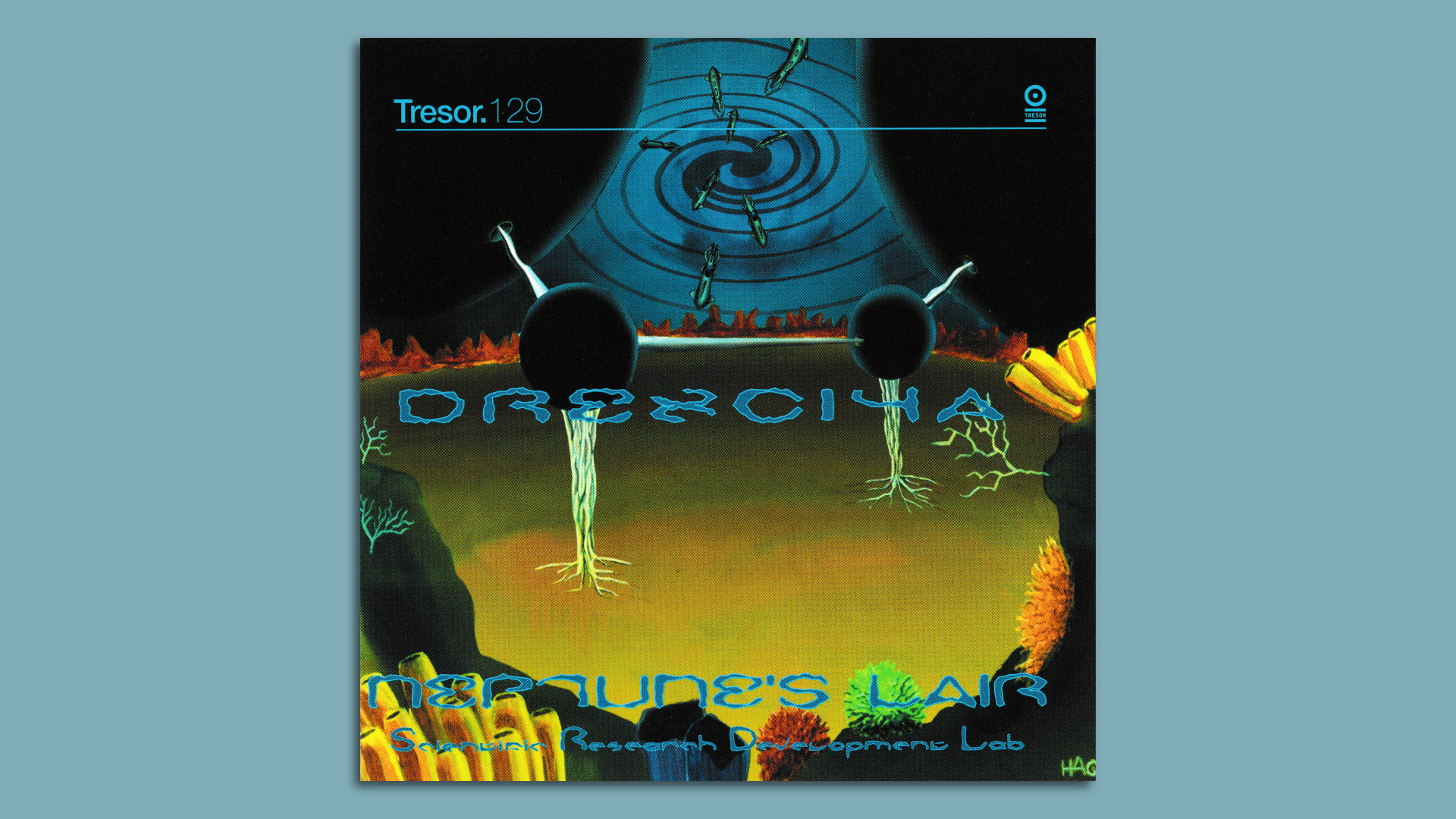
Amid the evolution of socially conscious sci-fi storytelling, Detroit electro-techno duo Drexciya envisioned a mythology around an alternate world under the sea starting in the early '90s.
- The metropolis was populated by the aquatic descendants of pregnant African women who had been forced onto slave ships.
The latest: Techno and its Afrofuturist themes created a bedrock for later waves of both musicians and community action.
Bryce Detroit, a self-described Afrofuturist artist and activist — who was exposed to techno in skating rinks growing up, and whose first career was as a record producer — tells Axios that these forces helped shape him. They fused into his identity and social justice work, which includes helping Black youth define their own futures.
- "[Afrofuturists] design the now," he says. "We behave and act in the now based on what we want to see in the future."
The bottom line: "This is my lifetime's Motown Records," he says.
- "It reinforces that Detroit, in our soil, in our DNA, is the invention of sonic forms and languages."
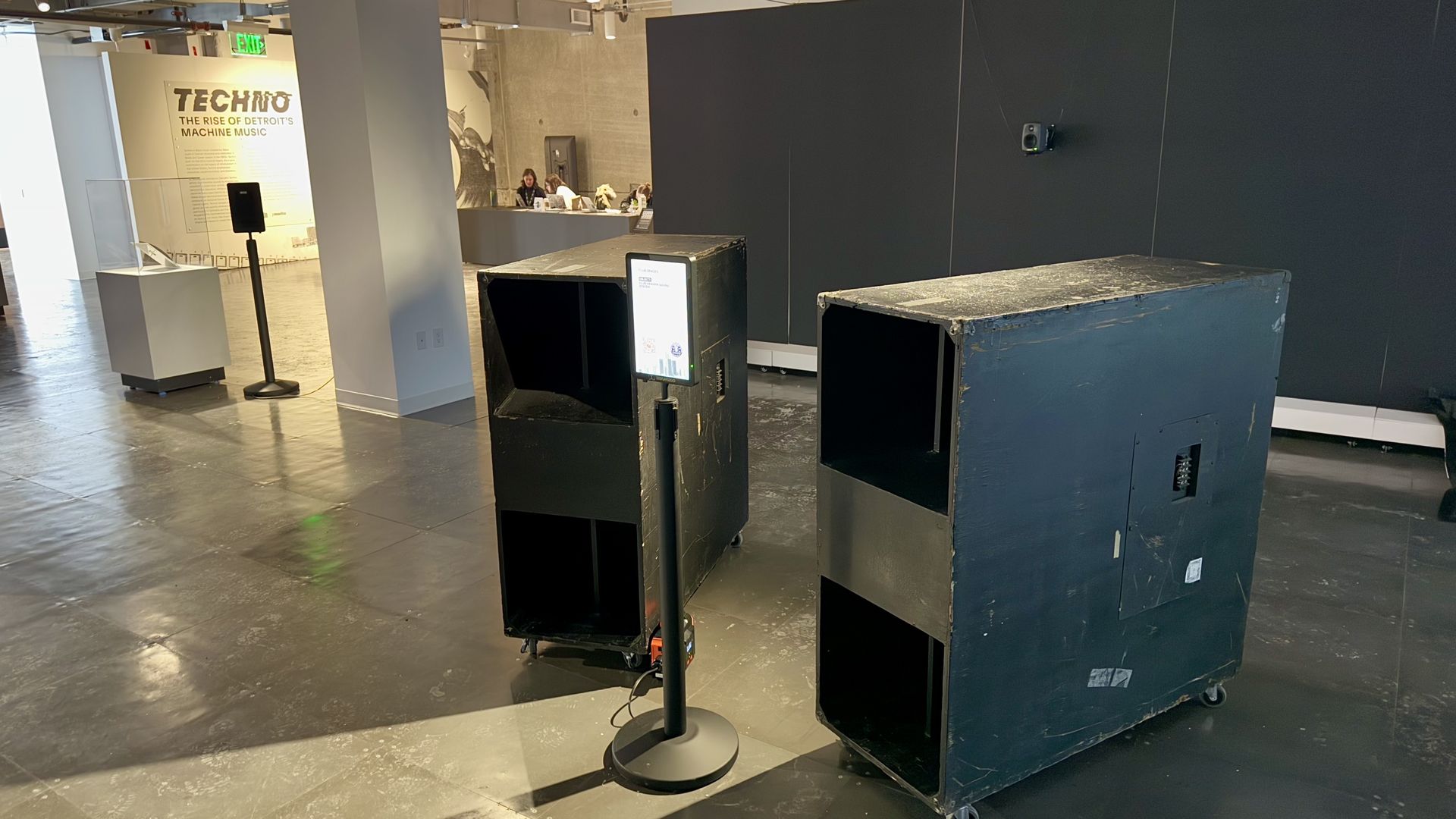
3. Club Heaven speakers restored
4. The first techno museum
5. The Grapevine: Go deeper on techno
Axios Detroit
