Axios Denver

October 28, 2026

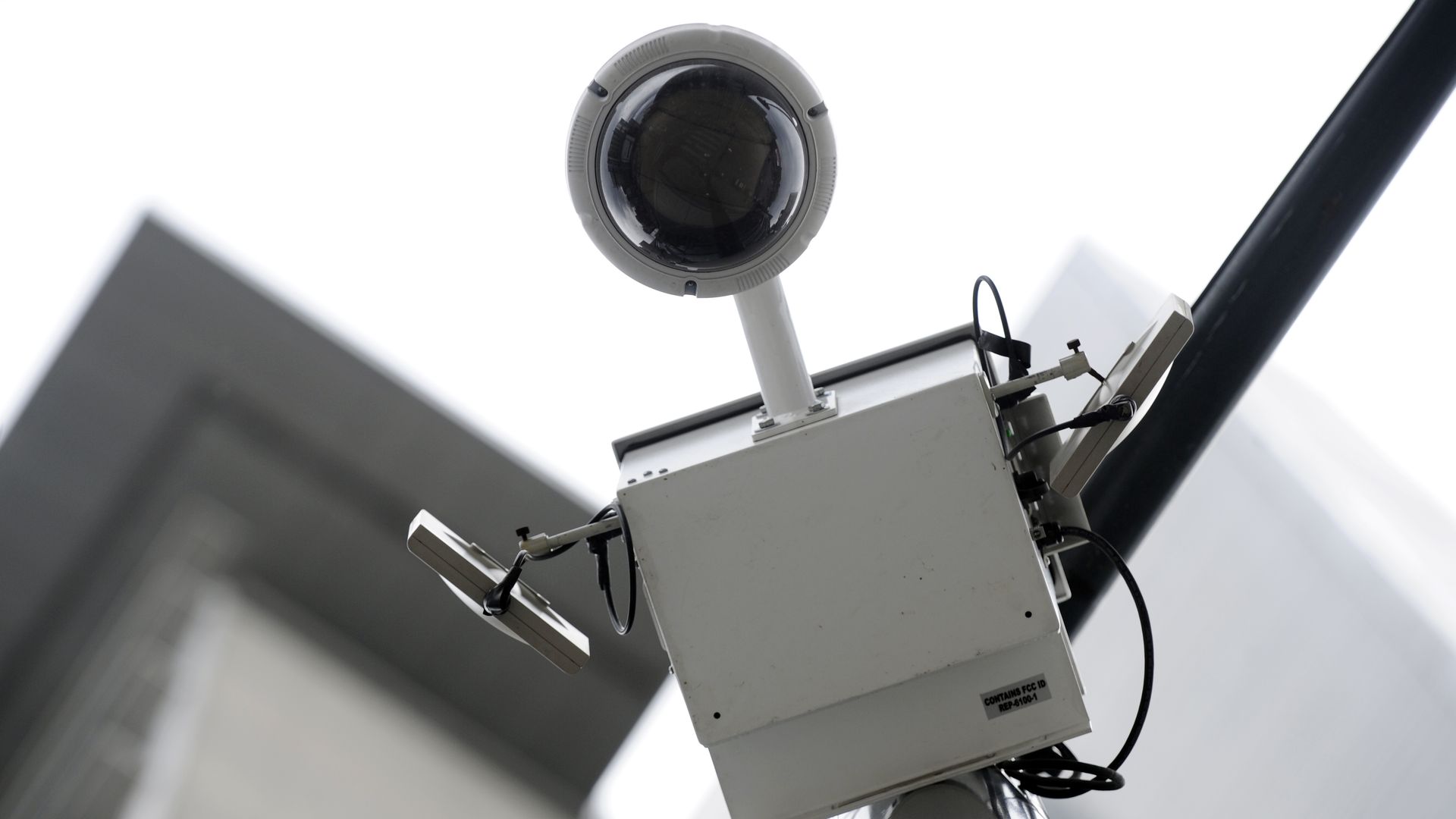
π» Boo! It's Wednesday, and we're taking a look at something spooky hiding in plain sight: police surveillance cameras.
- Today's weather: Cloudy, then sunny. High of 70.
πΆ Sounds like: "Somebody's Watching Me" by Rockwell
Todayβs newsletter is 980 words β a 3.5-minute read.
1 big thing: Same surveillance, new name
Flock has become the boogeyman of police surveillance, with Colorado communities increasingly ditching the license plate readers over privacy concerns.
Why it matters: Some are swapping Flock for competing technology, preserving the capabilities that sparked the backlash in the first place.
State of play: As the Nov. 3 election approaches, candidates are being pressed to take a stand on the future of police surveillance.
The big picture: At least a dozen Colorado cities and counties have dropped Flock or moved to replace it this year, including Arvada, Denver, Douglas County, El Paso County, Englewood and Lafayette.
- Some abandoned the readers altogether. Others, like Denver, turned to competitors like Axon.
Between the lines: Flock may be the face of the blowback, but it's far from the only company tracking us.
- Rivals, such as Axon, Motorola Solutions and Rekor, also offer technology that logs passing vehicles' plates, timestamps and location.
- Police use that data to investigate crimes β but it can also map movements of people never suspected of wrongdoing.
Zoom in: Denver's new Axon system still collects license plate data, but the city cut retention from 30 to 21 days and limited database access to local public safety personnel.
- Unlike Flock, which allows police to share license plate data through a nationwide network, Axon limits sharing to individual agreements between departments.
Yes, but: Key privacy protections still depend on the rules individual agencies adopt.
What they're saying: "If we're only concerned about Flock β¦ we're missing the issue," Keith Guzik, a CU Denver sociologist who studies police surveillance, told Axios.
2. π Charted: The watch list


An exclusive Axios survey shows metro Denver law enforcement deploy a mix of surveillance tools, with different rules.
Zoom in: Littleton Police were the only respondents that didn't report using automatic license plate readers (ALPRs).
- Flock remains the most common provider.
And we're not just talking about roadside cameras.
- Boulder β and Boulder County Sheriff's Office β plus Parker and Lone Tree, are among those that use both fixed and patrol-mounted readers.
- Louisville relies on vehicle-mounted readers.
The fine print: Canceling a camera contract doesn't necessarily mean surveillance stops.
- Englewood cut ties with Flock in September but still uses Axon's vehicle-mounted ALPRs.
Why it matters: Your license plate data could travel beyond the department that collected the information.
- Parker, for instance, says it shares data only with Douglas County law enforcement partners.
- Boulder, meanwhile, makes its data available to "less than a hundred other agencies within the state."
Beyond plate readers, some agencies report using other tracking tools.
- Aurora and Lone Tree use facial recognition in investigations.
- And, beginning this week, Greenwood Village will use LexisNexis' Accurint Virtual Crime Center, which has "image-matching capabilities" that trained staff can use for investigations.
The bottom line: There's more to police surveillance than the cameras you see along the road.
3. πΈ Smile, you're on camera!
Big Brother comes in many shapes and sizes.
Why it matters: You might pass some of these cameras every day without knowing what they're capturing.
Zoom in: Here's how to spot the technology Colorado law enforcement agencies use to track vehicles, investigate crimes, monitor traffic and respond to emergencies.
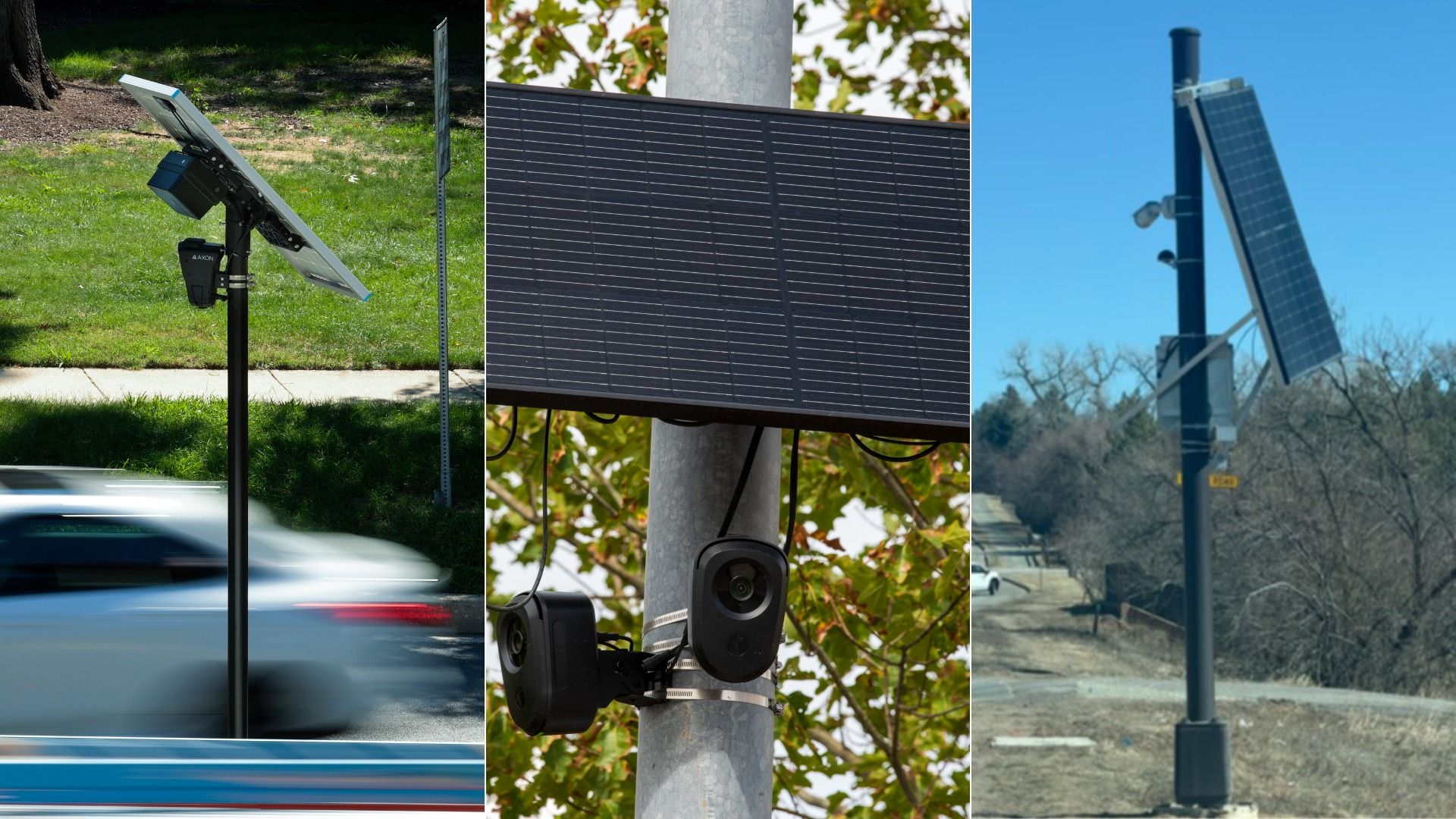
πΈ Roadside readers: Scan license plates and record vehicle details, including when and where cars pass
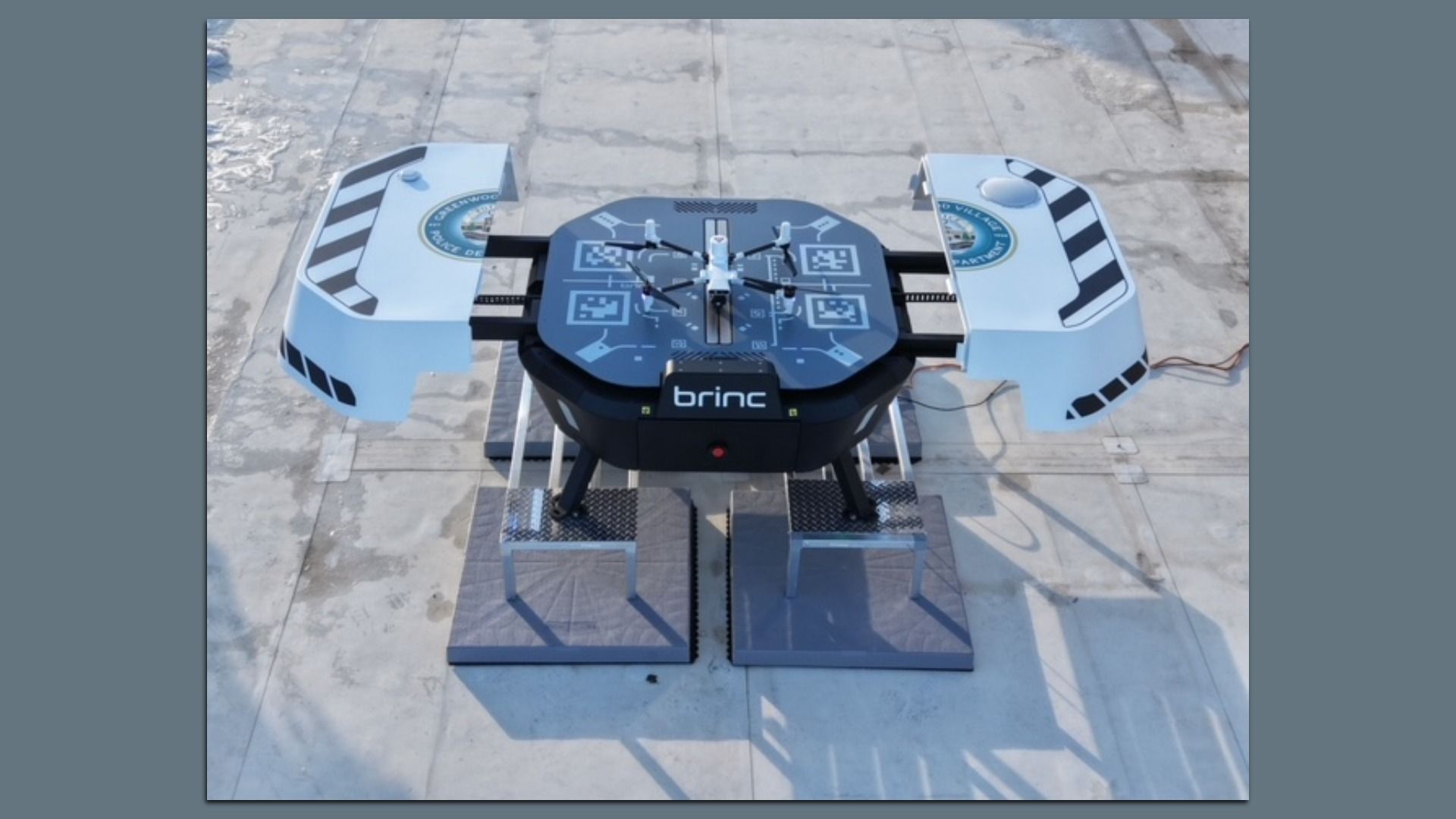
π Drones: Search for suspects, document crime scenes and, in some communities, respond to emergencies before officers arrive
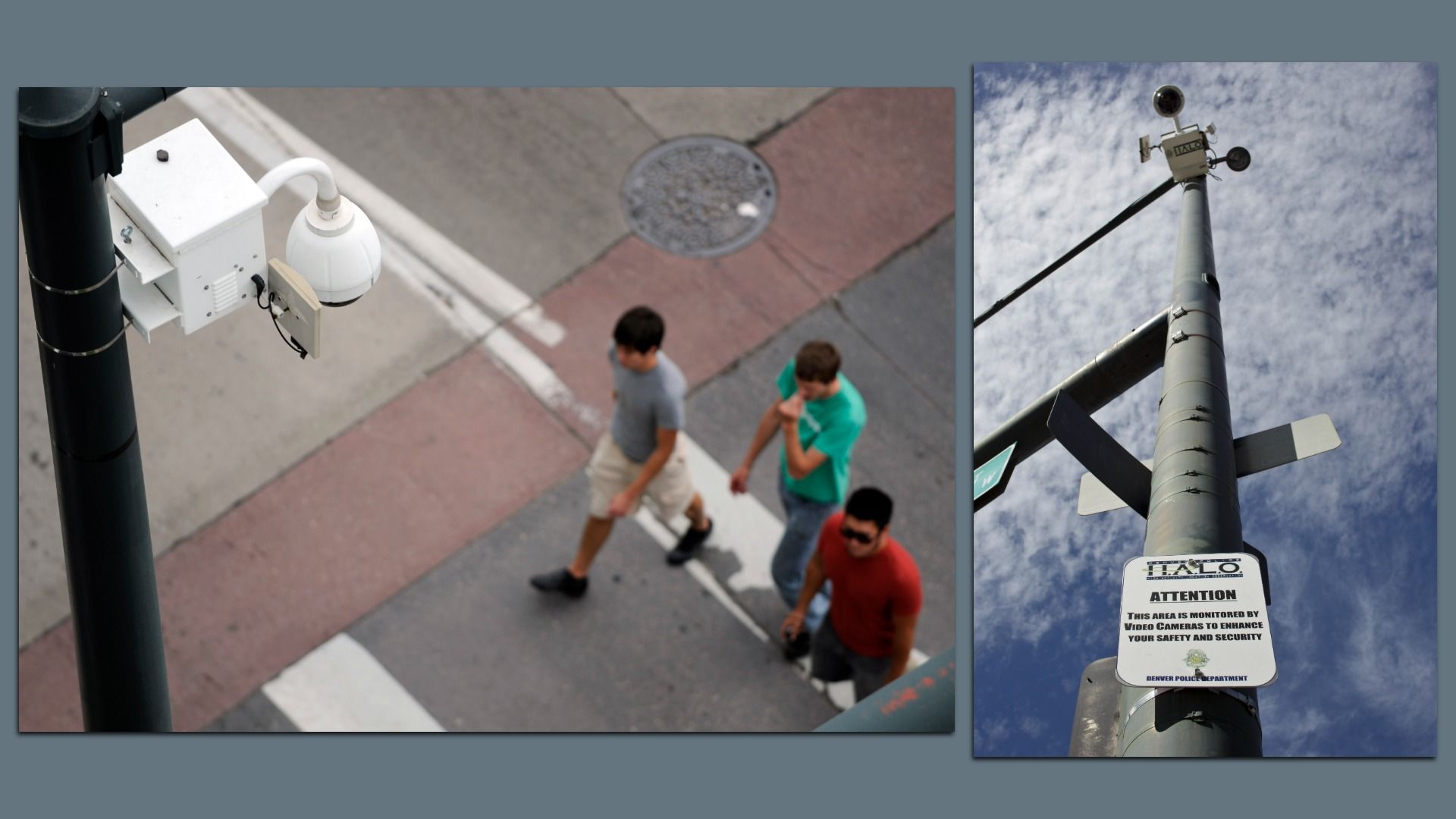
ποΈ H.A.L.O. (High Activity Location Observation) street cameras: Monitor city streets and help investigate crashes and crimes
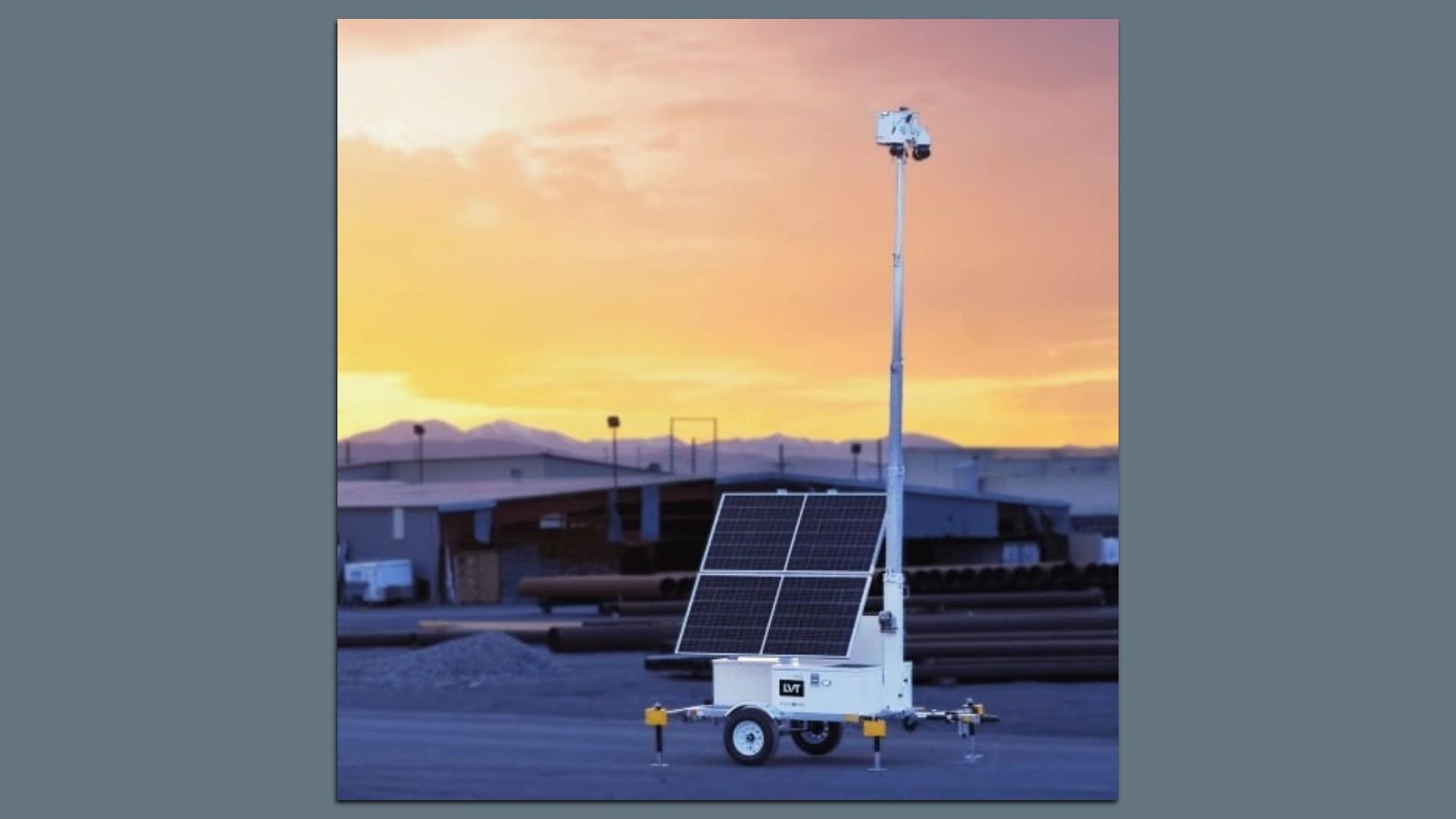
π Mobile surveillance towers: Provide temporary video monitoring
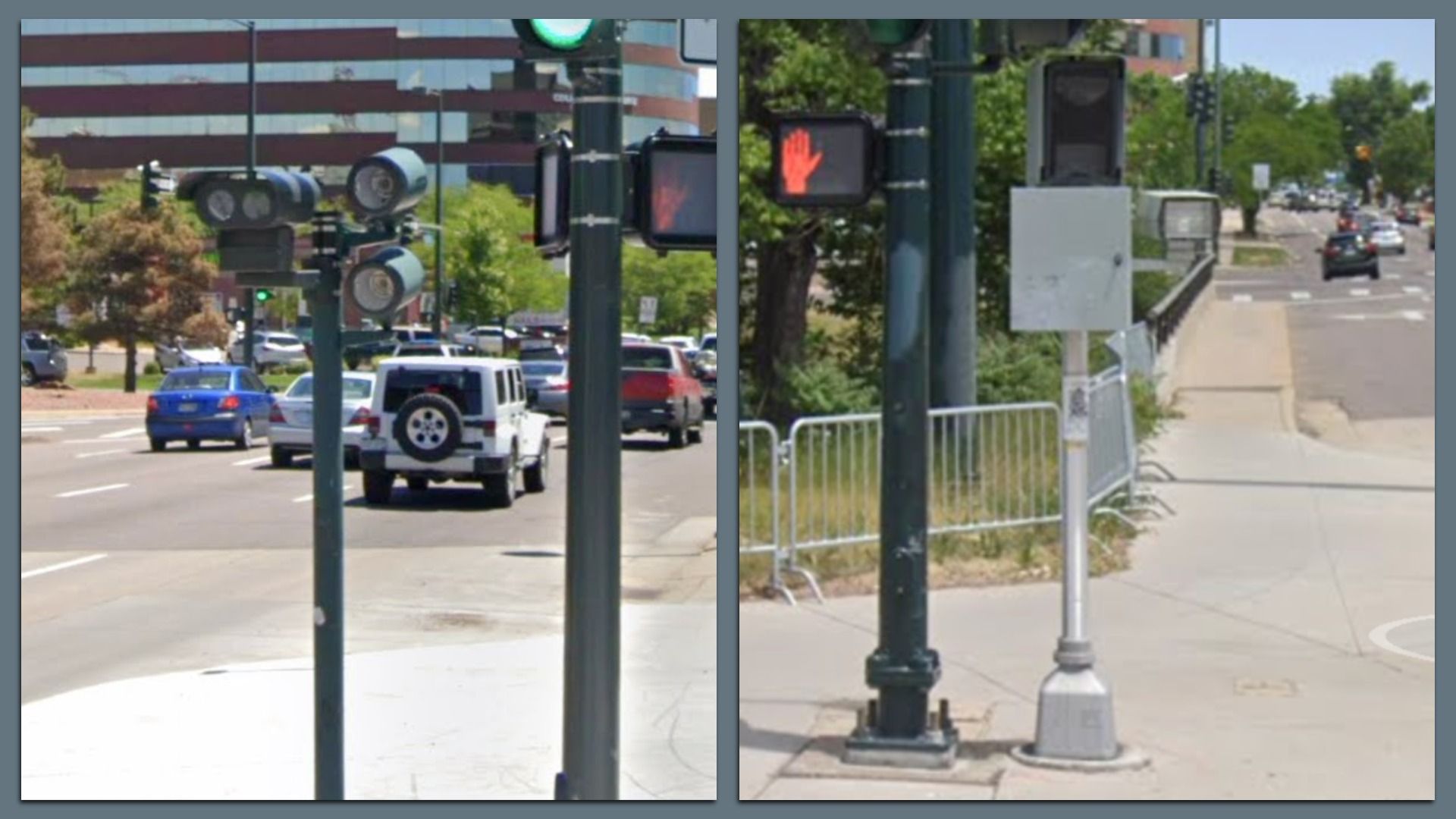
π¦ Traffic and red-light cameras: Monitor intersections, help investigate crashes and, depending on the system, document red-light violations
4. Mile Highlights: A brief breather
π We're a finalist to host a men's NCAA Final Four between 2032β2036. Mayor Johnston's pitching the new Broncos stadium as a possible host site, Esteban reports.
π¬ In more b-ball news, the Nuggets face the New Orleans Pelicans tonight after a rocky season start.
- The lowlights so far: Fans booed them at Ball Arena, Aaron Gordon's ejection and an injury for Cam Johnson. (The Fan)
π A mysterious new political group is spending thousands on mailers to boost Libertarian Dave Wood and attack incumbent Republican U.S. Rep. Gabe Evans in the competitive 8th District race. (Denver Post π)
βοΈ Yesterday's foggy weather prompted more than 200 flight cancellations at DIA. (9News)
5. ποΈ Cameras in the crosshairs
Colorado lawmakers are preparing another push to rein in police surveillance as privacy concerns revive stalled legislation.
Why it matters: Both candidates for governor support tighter oversight β potentially changing the political math for restrictions.
What we're hearing: Boulder Democratic Sen. Judy Amabile plans to resurrect the Protecting Everyone from Excessive Police Surveillance (PEEPS) Act next year.
- She wants to start by requiring warrants to search most location data older than 24 hours and deleting records after seven days, with exceptions.
- Other lawmakers could propose more sweeping restrictions, Amabile says, including an outright ban.
Flashback: Three surveillance and data privacy bills failed this year, including PEEPS, which faced opposition from Gov. Polis and law enforcement groups.
- "Everybody knew that [Polis] wouldn't sign the bill if law enforcement didn't like it," Amabile tells us.
Now, public opposition to license plate readers is growing.
- An August YouGov poll found 46% of Americans opposed police use of the cameras, up from 33% a year earlier.
The intrigue: Law enforcement is already gearing up for next legislative session's debate.
π€’ John is home with the stomach flu. Wash your hands, folks.
π€Alayna is living dangerously tonight by bringing her teething baby to her birthday dinner.
π Esteban highly recommends the chocolate babka from Talia's Bakery.
Thanks to our editor, Gigi Sukin.
Sign up for Axios Denver