Axios Denver

August 17, 2026

π Happy Monday!
- With first-day bell rings looming, we're bringing you a dedicated edition on trends shaping Colorado classrooms.
Today's weather: Sunny with a high near 90.
π Happy birthday to our member Kenan Warner!
Today's newsletter is 989 words β a 3.5-minute read.
1 big thing: Phone-free classrooms
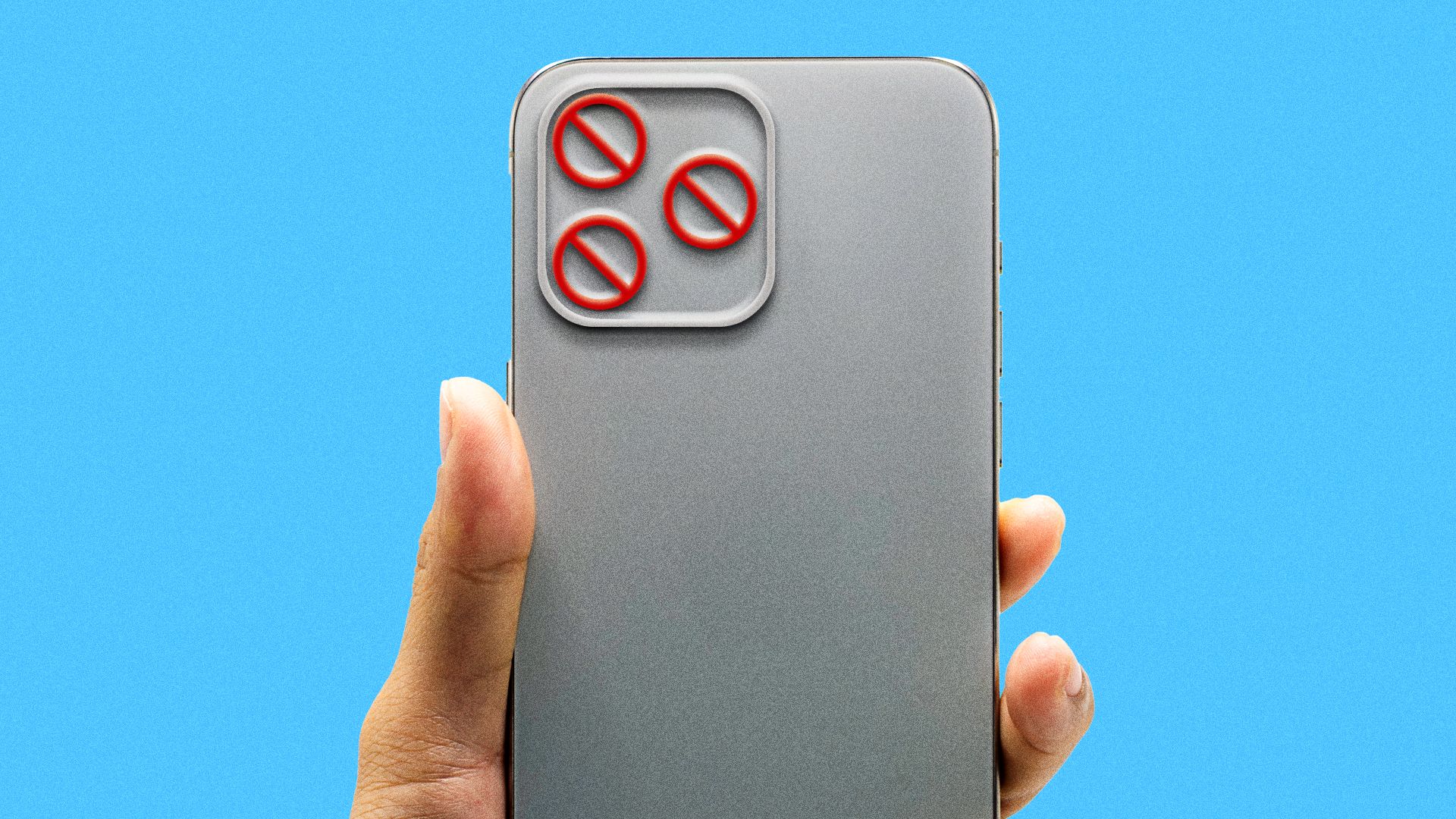
Denver Public Schools students return to class next Monday with a new rule: No mobile phones in class β at least not until the final bell rings.
Why it matters: Colorado's largest school district is adopting one of the state's strictest personal device bans β part of a broader push by educators to keep students focused on whiteboards instead of pocket-size screens.
State of play: Four of Colorado's five largest districts βΒ Aurora Public Schools, DPS, Douglas County School District and Jeffco Public Schools β adopted restrictions for the fall to comply with a state law.
How it works: Denver's ban applies to every student in the district's 198 schools, though charter schools within DPS can opt out, district operational services director Scott Wolf tells us.
- Each school will develop its own implementation plan.
- The policy covers any personal communication devices, including tablets, computers and earbuds.
- Device storage will vary by school, Wolf adds. The district discourages locking pouches because "it's a lot to manage."
What they're saying: "We're trying to make sure that students have distraction-free learning environments," Wolf says.
The intrigue: A National Bureau of Economic Research study found phone bans had a "close to zero" effect on test scores, with "little evidence" they affected attendance, classroom attention or perceived online bullying.
Plus, some parents are wary about losing direct access to their children during emergencies, though Wolf says students could use phones in those instances.
2. π€ Schools' AI balancing act
As school restarts, local districts are weighing how much room AI gets in classrooms and when it can supplement β or short-circuit β students' thinking.
Zoom in: Denver offered students monitored Gemini, NotebookLM and MagicSchool access last spring.
- Across the metro, Douglas County ranks among the most aggressive adopters, linking AI skills to college and workplace preparation.
"We have to help our kids leverage [AI], and we have to help our kids not get lost in it," Douglas County School District (DCSD) superintendent Erin Kane tells Axios.
Friction point: A June NPR/Ipsos report found 54% of K-12 teachers surveyed nationwide said AI hamstrings students' critical-thinking development.
- But 78% still want schools to teach responsible use.
A Colorado state survey found just 32% of responding teachers and school-based staff felt prepared for future changes involving AI integration in schools.
The big picture: Other metro districts are drawing their own lines around the technology.
- Cherry Creek Schools uses "safe, smart, social" guidelines that include data protection and ways to "avoid spreading misinformation."
- Littleton Public Schools (LPS) blocks district AI access for K-8 students but permits approved Google tools in high school.
The intrigue: Colorado teenagers advising state lawmakers want an AI task force to set guardrails and prevent overreliance.
3. βοΈ Back-to-$$$chool shopping shift
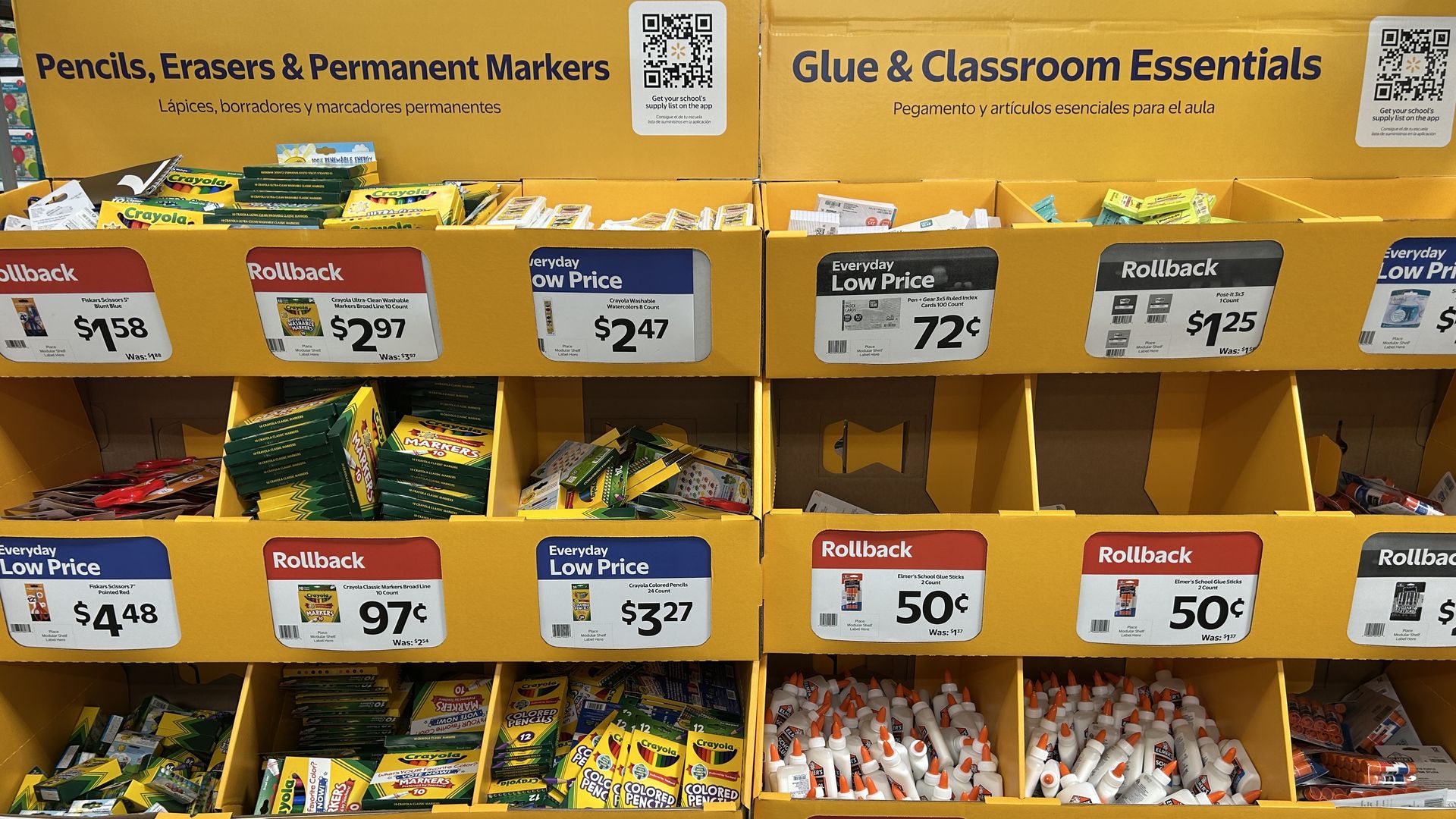
Denver parents are bringing bargain-hunting back to school after last year's spending jump, a new survey from consulting giant Deloitte shows.
The big picture: Local families' money-saving strategies include cashback websites, buying earlier and in bulk, chasing promotions and avoiding name brands.
πΈ By the numbers: Deloitte says Denver parents expect to spend an average of $752 per child this back-to-school season β down from $784 last year but still well above the $557 national average.
- π 58% qualify as "hyper-value seekers," nearly double the national share.
π» Between the lines: Parents here still splurge where they see value β especially on technology, where spending ($499) outpaces the national average ($417).
The big picture: Nationally, back-to-school spending could hit a record, the National Retail Federation forecasts.
4. Mile Highlights: $1,750 raises for DPS staff on ballot

π³οΈ Denver voters will decide in November on a $44 million property tax increase for public schools that would give every DPS employee a $1,750 raise and fund expanded career, mental health and special education programs.
- The measure would cost the average city homeowner about $72 more annually. (Chalkbeat)
π A newly disclosed email shows the White House convened agencies to brainstorm "immediate actions" against Colorado shortly days before the administration canceled hundreds of millions of dollars in funding for the state and moved to close the NCAR lab in Boulder. (Denver Post π)
π¦ Colorado officials issued a public health order demanding GEO Group to provide records for a tuberculosis investigation at Aurora's immigrant detention center after earlier requests failed. (CPR)
πΉ Tony Hawk last week posted a video of himself leaving a signed skateboard at La Raza Park. Northsider Joseph Martinez found it within an hour. (Denverite)
5. π Restoring recess

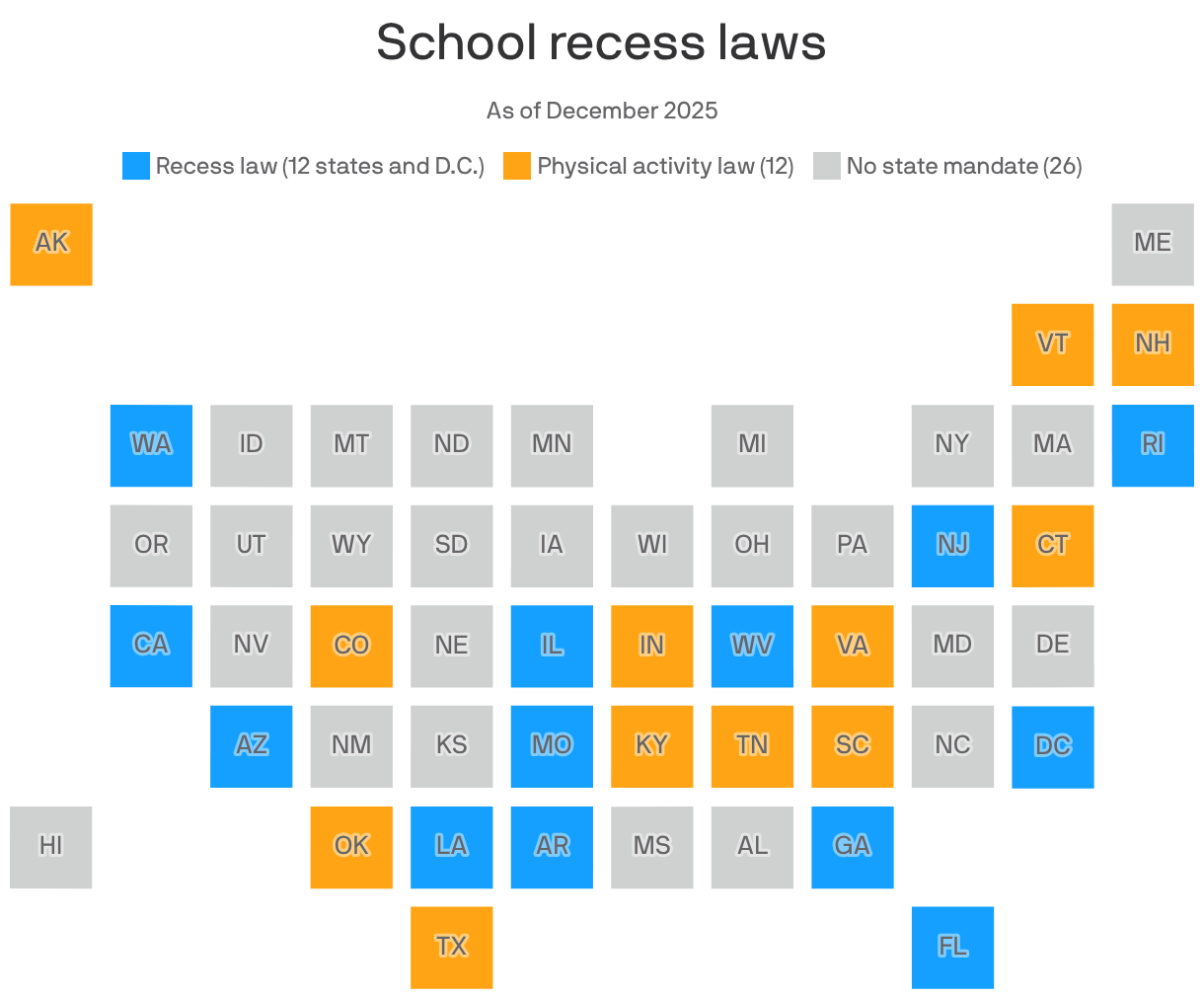
After decades of schools squeezing playtime out of the day, half of U.S. states β including Colorado β now require some physical activity.
Why it matters: Recess can look like kids simply blowing off steam. Turns out, that's kind of the point.
- Research shows free play helps kids head back to class healthier, calmer and more ready to learn.
Catch up quick: From 2001 to 2019, U.S. students lost an hour of it per week, consulting firm EAB found.
- One oft-cited reason? The 2002 signing of "No Child Left Behind," which promoted more time on reading, math and testing.
The big picture: Unstructured play helps children practice social skills, increases classroom motivation and behavior, improves school attendance and lowers stress.
- More physical activity could even help kids do better academically.
π Alayna's thought bubble: Recess rocked. It was where my middle school besties and I did our best bonding β girl talk piled onto the slide, jumping contests on the swings and, by eighth grade, taking approximately 10,000 pictures on the playground before we all headed to different high schools.

π John remembers when pagers β not cellphones β were banned in class.
π«₯ Alayna is feeling exposed after sharing that photo. Fair's fair β send us your best recess throwback. We might feature it in an upcoming newsletter.
π Esteban is recalling how cool he felt whipping out his Cingular Wireless flip phone in class.
Thanks to our editor, Gigi Sukin.
Sign up for Axios Denver