Axios AM Deep Dive

June 13, 2026

🇺🇸 Welcome to a special Saturday edition! As America nears its 250th birthday, the decisions that will define our next 250 years are already underway.
- 🔮 In this special edition, Axios experts break down the biggest policy debates shaping our future.
This newsletter was edited by executive editor Kate Marino and copy edited by Sheryl Miller. Smart Brevity™ count: 1,362 words ... 5 mins.
1 big thing: The world's currency
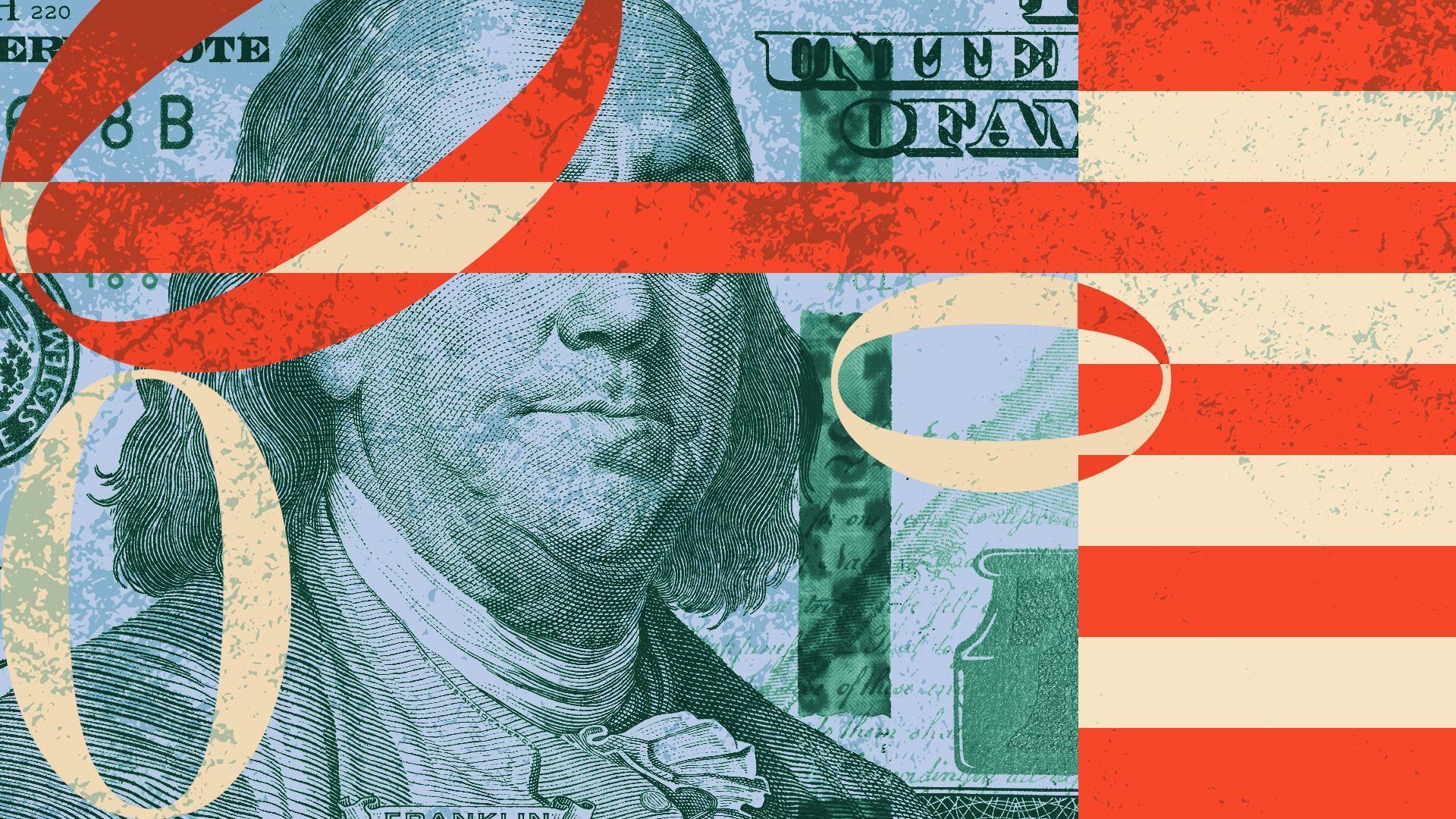
Planet Earth has roughly 180 currencies. But for a vast share of global transactions, people want to use just one: the United States dollar, Axios' Neil Irwin writes.
🌏 Why it matters: This is a unique source of global power and responsibility. America's role in the world over the next 250 years will be determined by its ability to maintain, and wisely steward, this role at the center of the global economy.
- ⚠️ Yes, but: Other nations are increasingly chafing at the power the U.S. wields thanks to the dollar — and they're seeking alternatives.
💵 How it works: The dominance of the dollar in international trade and finance gives the U.S. the ability to exert its will far from our shores, without firing a gun.
- This power is evident when the U.S. fines European banks for doing business with Iran or cuts off Russian oil companies from the mainstream financial system.
- It has also fueled global demand for Treasury debt that allows the U.S. to borrow vast sums, especially in crises.
🧠 This primacy is based on policy choices and structures built over decades — in some cases, centuries.
👀 What we're watching: Some of the underpinnings of U.S. dollar dominance are coming under question.
- Sky-high U.S. fiscal deficits mean the world is being inundated with Treasury debt. The political independence of the Fed is in question. And many in the Trump administration see the costs of maintaining dollar dominance as a burden for Americans.
- Perhaps most importantly, the U.S. has used the threat of cutting off access to the dollar-based global financial system as an increasingly all-purpose weapon for economic warfare. That means major U.S. rivals (China, Russia) and frenemies (India, Brazil) are eager for dollar alternatives.
✅ Reality check: So far, other leading powers seem to lack the willingness or ability to build alternatives.
- More broadly, network effects are powerful things. Everybody uses dollars because everybody else uses dollars.
💰 The bottom line: The role of the U.S. dollar in the world is secure for now, much as America's rivals might not like the status quo. But global angst is simmering, and as the Dutch and British learned long ago, no dominant currency is forever.
2. 🤖 AI unleashed
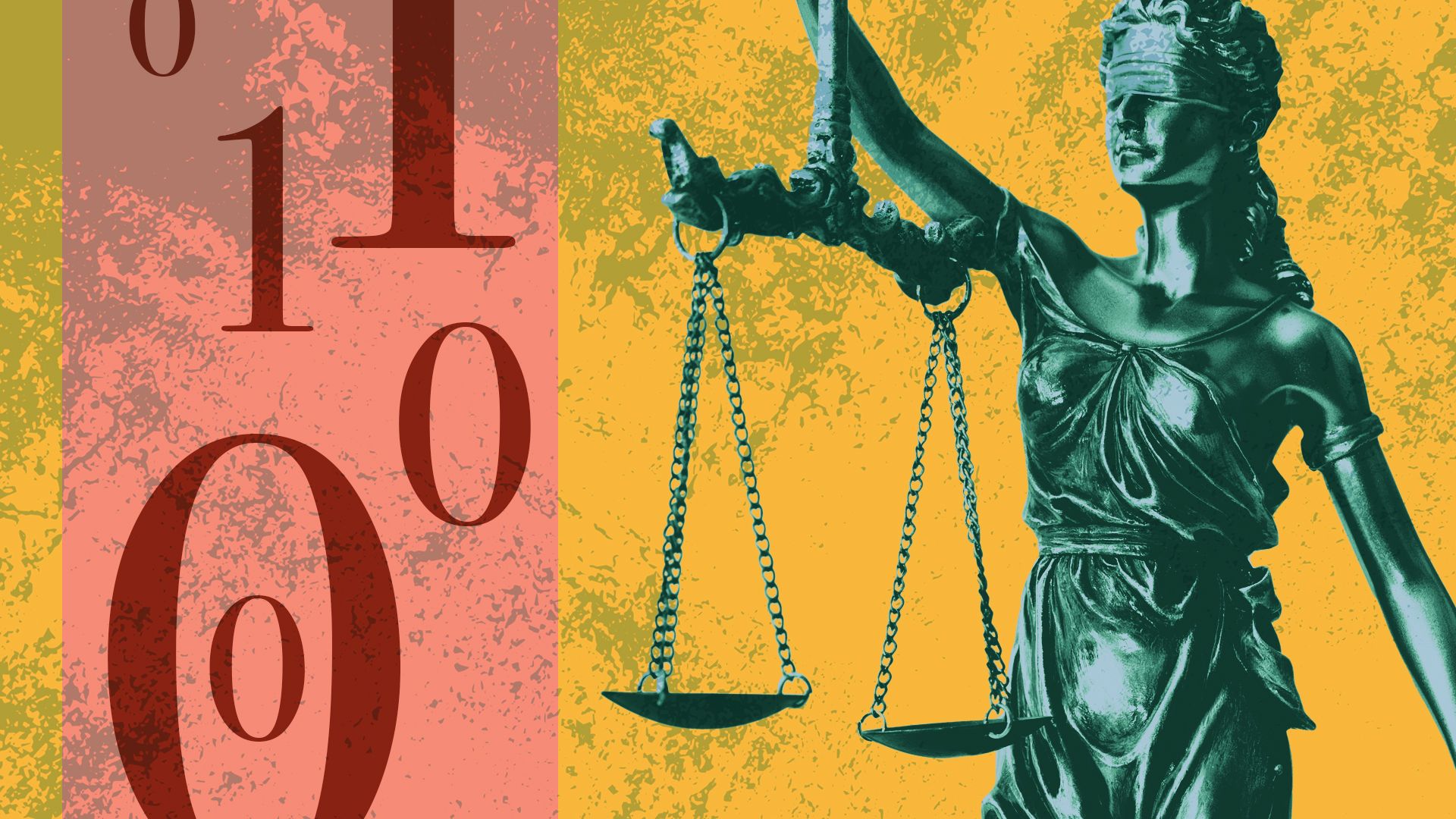
Congress has a long history of failing to regulate technology. AI is on track to be no different, Axios' Maria Curi writes.
⚡️ Why it matters: If the U.S. doesn't write the rules on AI, authoritarian regimes and adversaries may do it.
- Getting it wrong could mean an electorate deprived of reliable information and minors exposed to online abuse. A patchwork of state regulations could create confusion and waste. Some of this has already started to happen.
🤖 State of play: President Trump kicked off his second term by ripping up his predecessor's attempt to regulate AI, declaring that his administration would prioritize innovation over safety.
- U.S. companies have continued releasing increasingly powerful models amid fierce competition.
🚨 Those models, armed with never-before-seen capabilities to exploit cyber vulnerabilities, spooked the public and Washington.
- Earlier this month, Trump signed an executive order aimed at shoring up the country's cyber defenses.
🌏 Inside the debate: Policymakers on both sides of the aisle often frame AI leadership as a matter of national security, arguing that overly restrictive regulation could result in China winning the global AI race.
- Critics contend that inadequate guardrails on ever more powerful models could, themselves, be a national security hazard.
3. 🔌 Power play
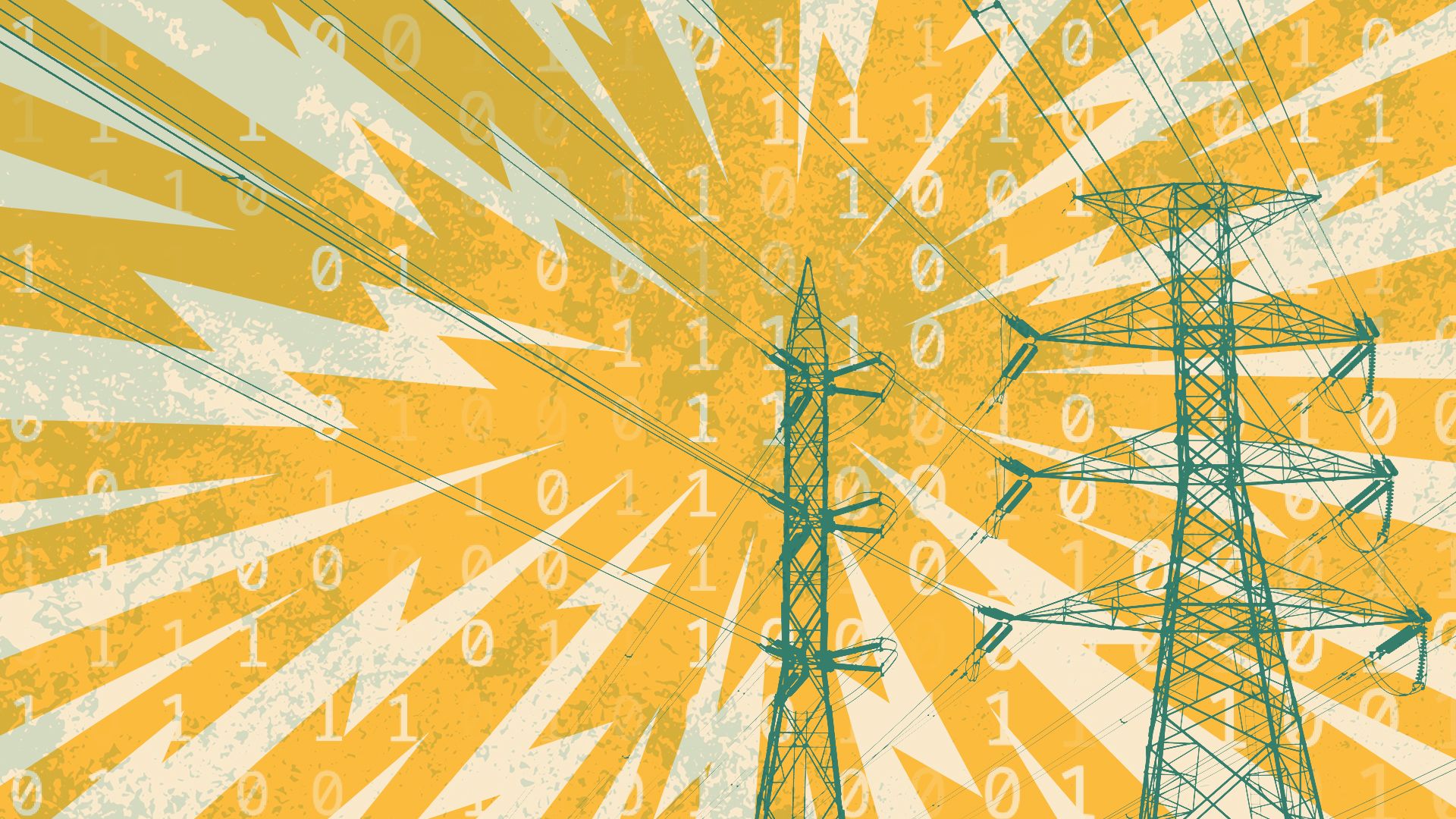
The AI-driven power boom is forcing a once-in-a-generation decision about how America's electricity system should grow, Axios' Amy Harder writes.
- For decades, utilities planned around predictable increases in demand. AI is changing that.
⚡️ State of play: Data centers now seek amounts of electricity that used to be associated with entire cities — raising questions about who pays for new infrastructure, who gets access to scarce power and how quickly projects can connect to the grid.
🗣️ Driving the news: Debates are unfolding at the nation's largest grid operator, PJM, and at the Federal Energy Regulatory Commission.
- Some proposals would allow data centers to connect directly to power plants or generate their own power onsite, at least initially operating outside the broader electricity grid.
👀 What we're watching: At least one key decision by the federal agency is expected as soon as this month.
- The outcome of that decision and others will influence electricity prices, reliability and the pace of AI development.
4. 💉 Vaccine reckoning

A pivotal series of decisions in the next few months will determine the shape of U.S. vaccine policy for years to come, Axios' Adriel Bettelheim reports.
- Why it matters: Health Secretary Robert F. Kennedy Jr. came into office promising to restore public trust in vaccines and to scrutinize the medical and pharmaceutical establishment. But his boldest moves have drawn political blowback, along with charges that he's spreading misinformation and debunked theories.
💉 State of play: Kennedy shook up precedent and touched off a legal firestorm with moves like limiting eligibility for COVID shots and narrowing the schedule of recommended immunizations for children.
- Some of his most sweeping efforts have been temporarily frozen by courts. And the actions of a handpicked group of advisers have been stalled. But it's possible that Kennedy will try again by appointing a new panel of advisers.
- A decision is expected by the end of the year in a high-profile case, brought by the American Academy of Pediatrics and other groups, to overturn Kennedy's childhood vaccine recommendations.
🔎 Trump's continued interest in long-discredited links between vaccines and autism remains a wild card in any federal policymaking.
5. 🎙️ Media's big battle
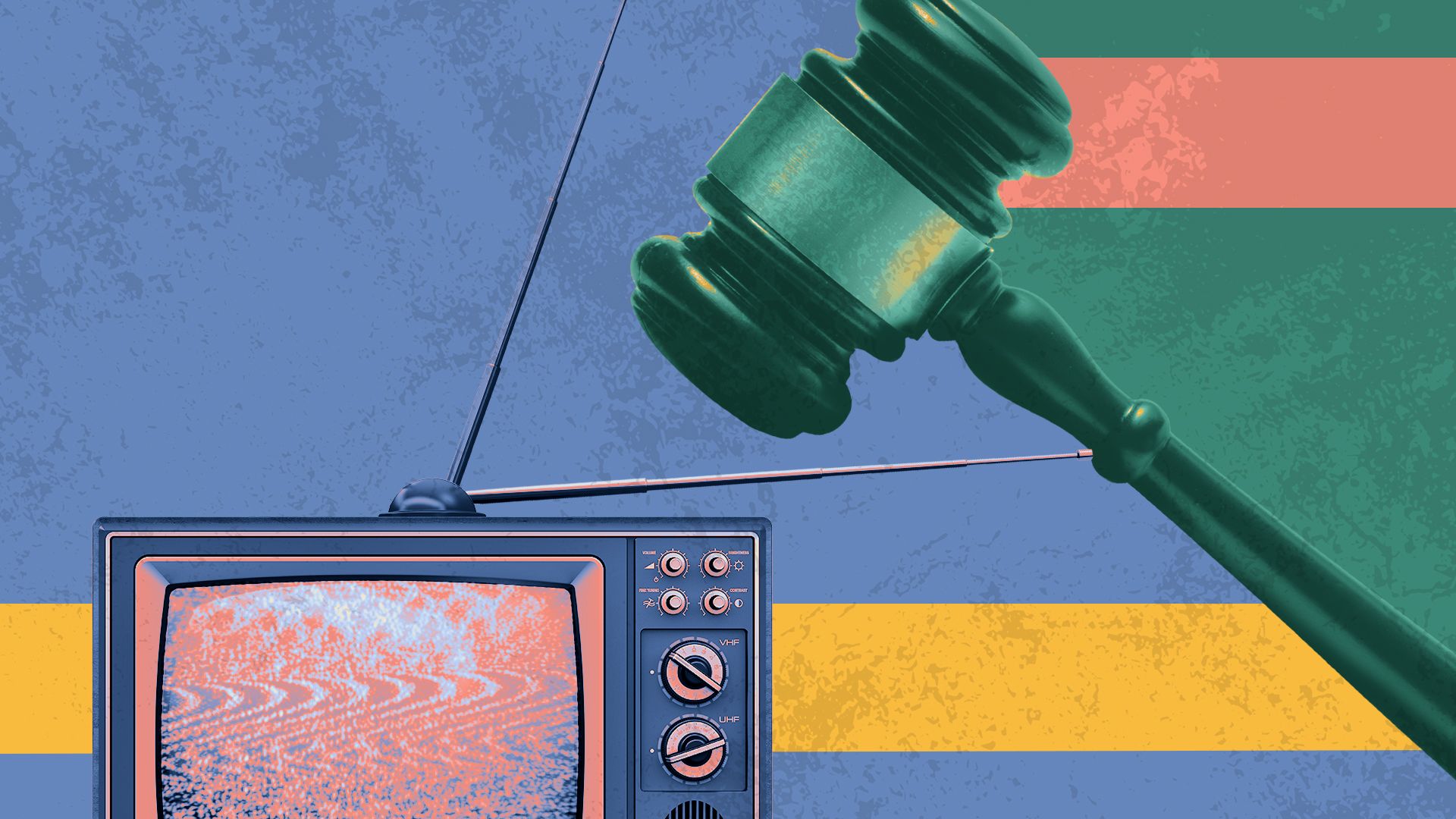
The outcome of ABC's legal battle with the FCC could set a landmark precedent on press freedom and the role businesses play in supporting American democracy, Axios' Sara Fischer writes.
📺 Why it matters: The FCC's efforts, targeting broadcasters deemed critical of the president, speak to a broader trend of regulatory agencies losing or conceding power to the executive branch during the Trump era.
- FCC chair Brendan Carr has suggested his agency isn't independent — contrary to longstanding tradition — and that commissioners who are supposed to regulate broadcasters independently are ultimately governed by the president.
🎙️ State of play: Carr is targeting late-night and daytime talk shows, like ABC's "The View," arguing they shouldn't be exempt from rules that require "bona fide news interview programs" to allot equal air time for competing political candidates.
6. 🇺🇸 America's multiracial future
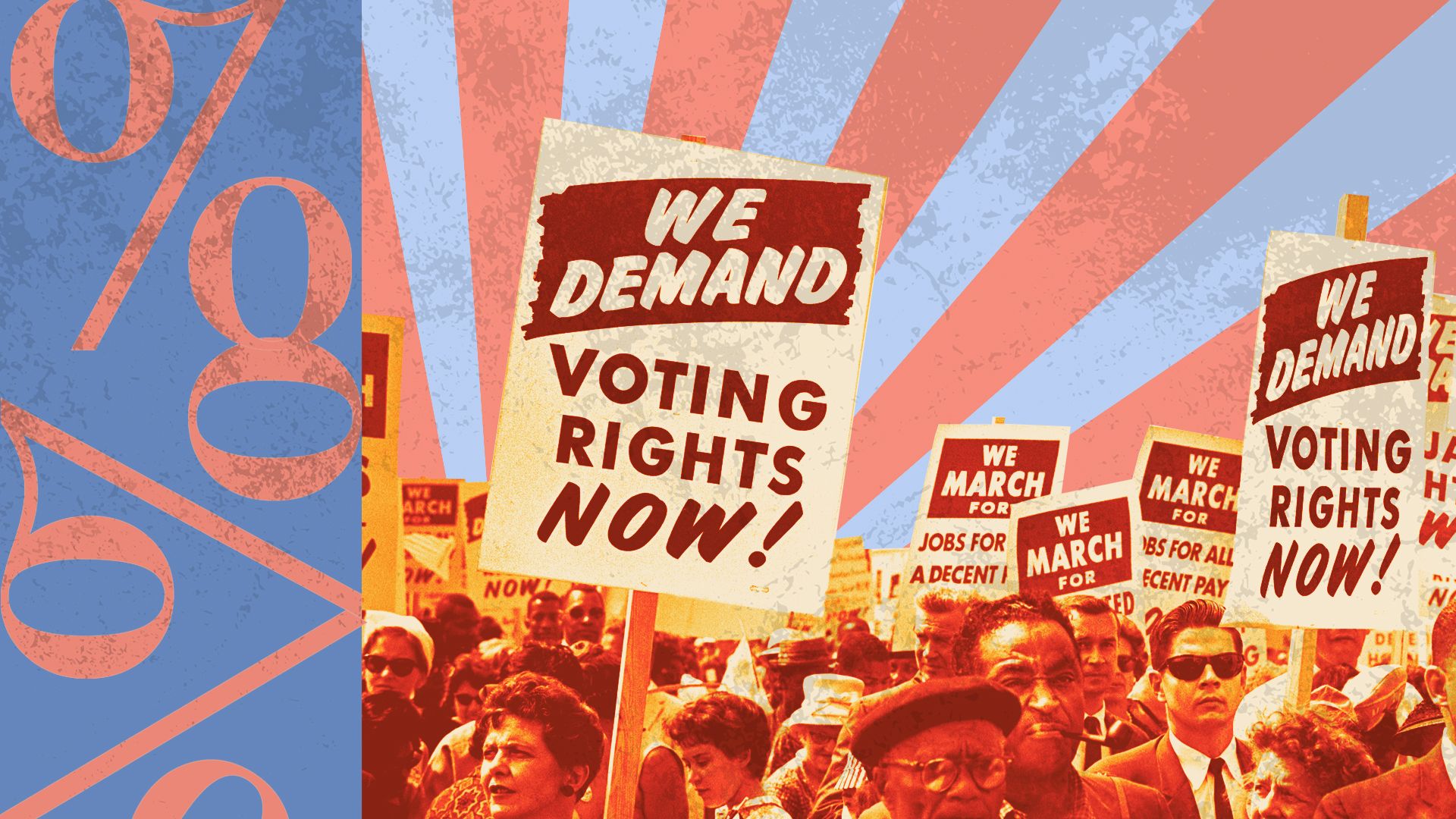
The next great civil rights battle may be whether America's old racial categories can keep up with its future, Axios' Russell Contreras writes.
- Why it matters: The U.S. is heading toward a more Latino, Asian, Black immigrant and multiracial future. The rules for counting race will help decide who gets political power, civil rights protections and public resources.
Two massive generational shifts will redefine the nation:
- Multiracial dominance: Multiracial Americans are on track to likely dominate the population over the next two centuries.
- Trade with Latin America could blur lines of migration and citizenship.
🗳️ State of play: For decades, federal racial categories have been the foundation for enforcing anti-discrimination laws, drawing political districts and measuring inequality.
- If identity becomes completely fluid, or if old boxes break down, the very legal tools used to protect marginalized communities could weaken.
The bottom line: The question isn't whether America will diversify. It's whether a civil rights enforcement system built on 20th-century boxes can govern a 22nd-century nation.
7. 🚀 1 fun thing: The Moon base is coming
Would you live and work on the Moon? A very select few of us could, in just six years.
- NASA is pursuing a Moon base near the lunar south pole, describing it as "one of the most ambitious engineering and exploration efforts in human history," Axios' Colin Demarest reports.
📜 Thanks for reading this weekend special! Please invite your friends to join AM.
Sign up for Axios AM Deep Dive