Axios D.C.
March 11, 2026



1 big thing: 🚘 Bowser pans downtown congestion tax

Mayor Bowser's a big no on congestion pricing.
The big picture: Bowser released a long-awaited study on the idea yesterday, only to declare it "deeply flawed" and the wrong move for a downtown still recovering from its telework and DOGE-induced rut.
- Not to mention, Congress would likely come down hard on local D.C. charging visitors a tax to see the nation's capital, the Bowser administration believes.
🏁 What they're saying: "Taxing people up to $10 to drive into Downtown DC is a bad idea — especially now," Bowser wrote in an accompanying letter to the D.C. Council, which fought her for years to publicize the study.
The intrigue: Before the pandemic, downtown D.C. was growing and the idea of a congestion tax was catching on among both transit boosters and business groups.
- The study was commissioned in 2019, completed in 2021 and was supposed to have been released two years ago at the latest.
- But after the pandemic decimated downtown, Bowser didn't want to put it out.
🗂️ Its secrecy spawned a "mythological reputation" over its contents, D.C. city administrator Kevin Donahue admitted yesterday.
- The city finally decided to share the findings to rebuke advocates who think a congestion tax could help solve the city's current budget gaps.
- It won't, he said — the years-old report says a congestion tax would raise $345 million annually, but "assumes we live in a world that just doesn't exist anymore."

Zoom out: Bowser says D.C. isn't New York, where a congestion tax debuted last year in Manhattan.
👀 What's ahead: Some council members still back the idea, including mayoral candidate Janeese Lewis George.
- She tweeted that the report could now be a jumping-off point for the city to look at "opportunities to reduce congestion, improve air quality & public health, & strengthen public transit."
- A key recommendation? "For a congestion pricing program to succeed in D.C.," the report notes, "transit service would need to be improved."
2. What Live Nation's settlement means for you


3. Around the Beltway: Ed Martin faces disciplinary process

4. 🏡 Live next to the Veep
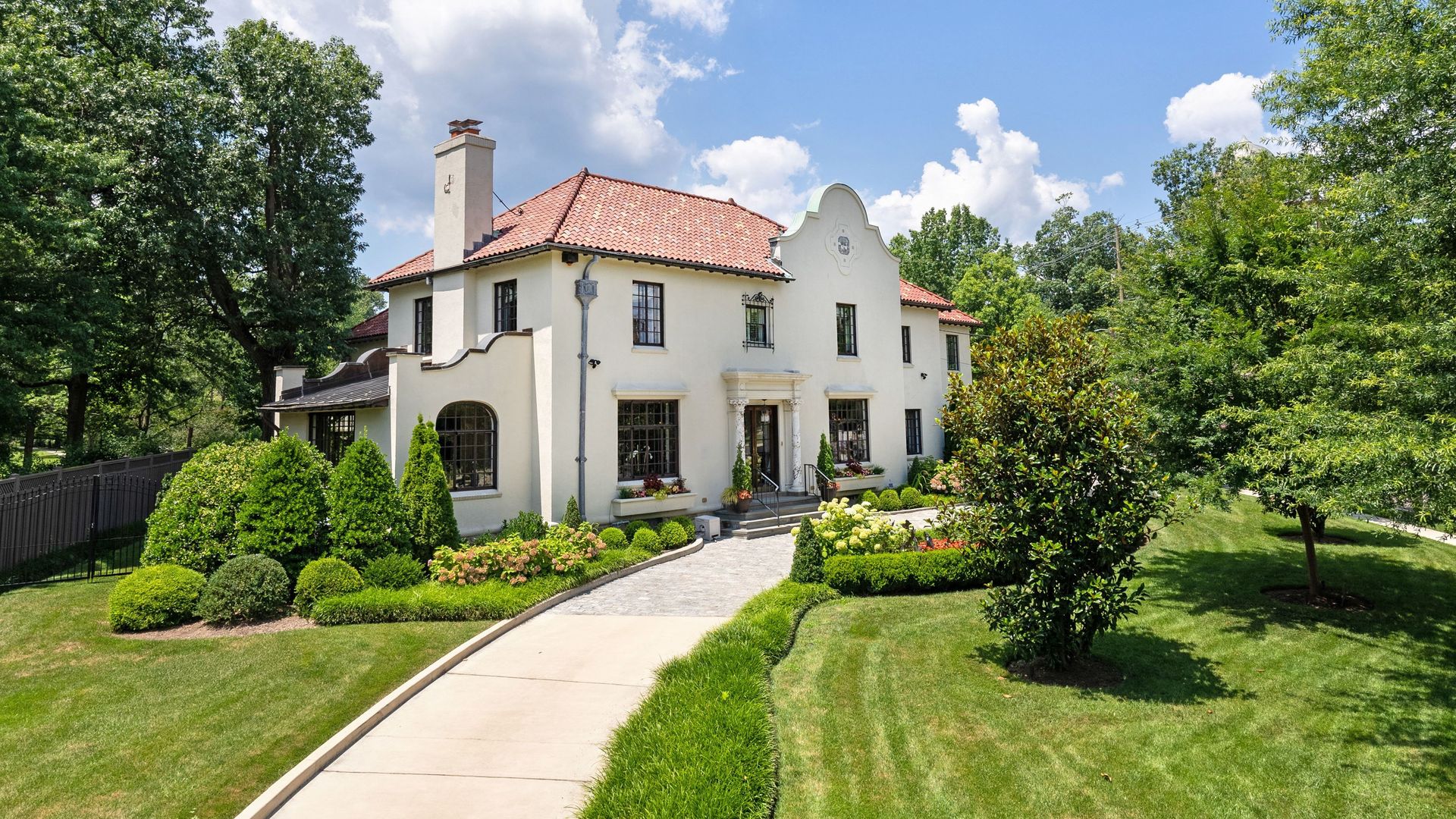
For $10.75 million, you can move next door to the Veep.
The big picture: The stucco "Heurich-Parks" house at 3400 Massachusetts Avenue NW is on the market. It was originally built in 1925 and underwent a compete renovation nine years ago.
🏡 Between the lines: Whether or not you want to be JD Vance's neighbor, there are pros to owning the estate just steps away from the Naval Observatory's main gate.
- Like the best security you could imagine.
- And amped-up emergency response if, say, someone became ill, as once described to Washingtonian by its current owners: Dispatchers "sent all the equipment in the world because they thought" it involved the VP.
- Possible downside: Regular motorcades outside your front door.

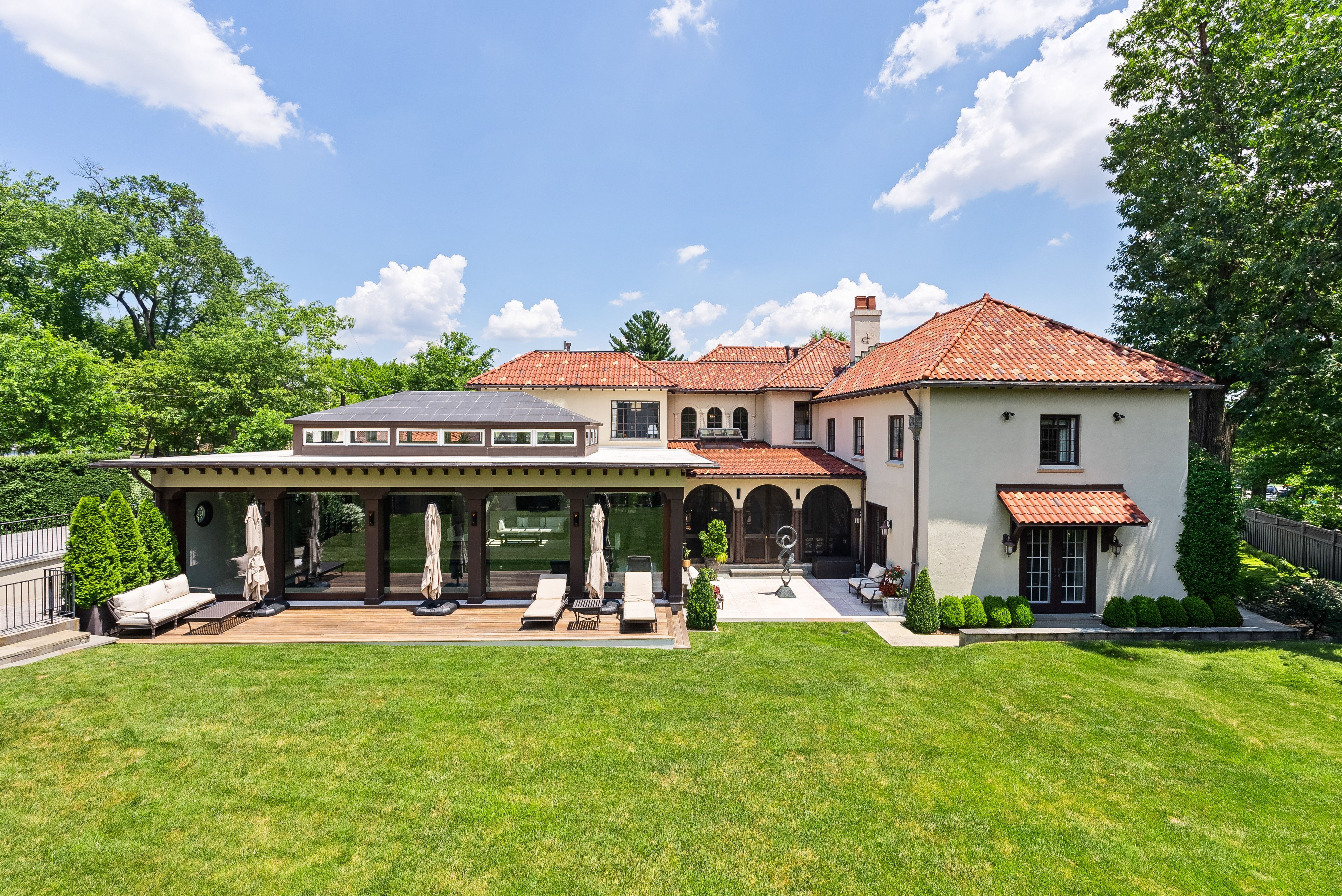
🏊 Zoom in: The Spanish-style residence spans 13,900 square feet — 7 bedrooms, 9 full baths and two half baths.
- Plus ... an indoor swimming pool, sauna, exercise room, two-car garage and circular driveway out front.
Axios D.C.
