Axios Crypto

September 05, 2024

Hello, hello! Today we take a hypothetical by an SEC commissioner and dig into the possibilities.
- Got questions about crypto politics and policy: [email protected].
Today's newsletter is 1,185 words, a 4-minute read.
1 big thing: 📝 Reg-DA
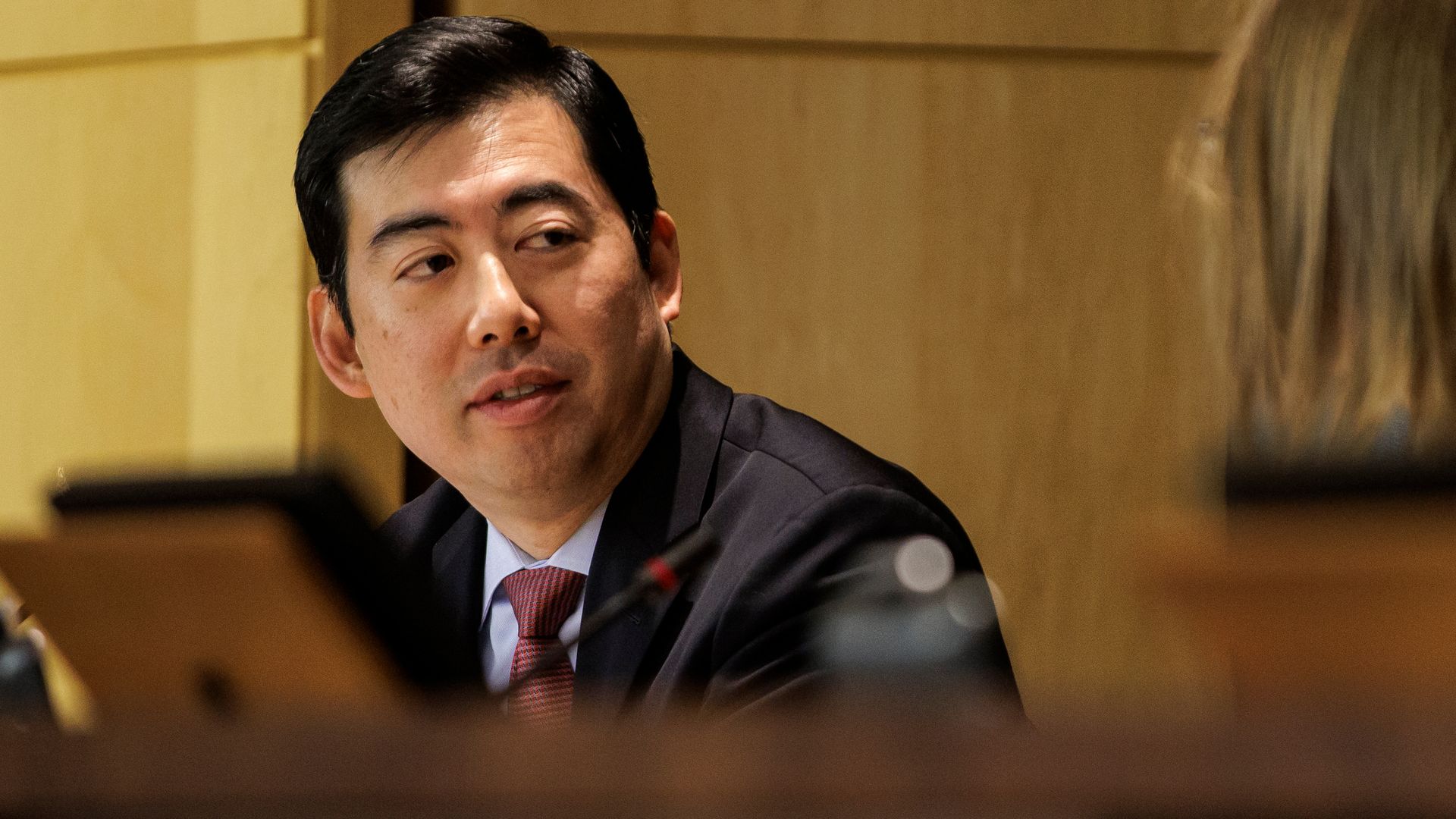
An appointed member of the SEC suggested that the agency should create a new form specifically for registering cryptocurrencies that takes into consideration their unique nature.
Why it matters: A realistic ability to register projects would go a long way to ending the perpetual battle between the blockchain industry and financial regulators in Washington.
- "Trying to conduct a validly registered offering for a crypto company really presents a quandary," Ryan Adams, a partner at Morrison & Foerster and formerly of the SEC's corporate finance division, told Axios. "It's a square peg in a round hole type of situation."
The big picture: Multiple attorneys Axios spoke to agreed that a made-to-purpose registration approach for digital assets makes sense.
- U.S. securities law is a disclosure regime. That is, the SEC is charged with making sure potential buyers in the offering of a new asset have all the information they need.
- The main way firms make these disclosures is through the form S-1 — the thing SEC Commissioner Mark Uyeda pointed to in his comment this week at Korea Blockchain Week.
- These registration forms were Securities Act of 1933's "fundamental breakthrough" Andrew Vollmer, a researcher at the Mercatus Center at George Mason University and former general counsel for the SEC, tells Axios.
- But today's S-1 asks all the wrong questions for digital assets, attorneys say.
What they're saying: "Not only is there no way to fit into the form, but even if you could, the information the forms are getting at are not the things people investing in this space would care about," Kayvan Sadeghi, a partner at Jenner & Block who works on its fintech and crypto asset practice, tells Axios.
- Today's S-1 takes into account assumptions about traditional issuers and assets that don't fit cryptocurrencies or tokens.
- Mainly, the S-1 is oriented around the health of the company offering a security, but companies that launch crypto projects aren't really the key to their success or failure.
Zoom in: So buyers probably care about different things than investors in traditional companies.
- They care about the code, the security of assets invested, how governance works (at least on projects that can change), how many tokens founders got and when they can sell them.
Reality check: There's a lot that would need to be sorted out. For example, there might need to be different disclosures for different sorts of digital assets (governance tokens vs. basic coins vs. staking tokens, etc).
The bottom line: If the SEC got to work today on a new regime specific to digital assets — Vollmer called it "Reg-DA" — it would, optimistically, take two years for it to be promulgated.
- Vollmer believes it's probably better if Congress just does it anyway. "It's 10 years late, but that's basically how Congress works," he says.
2. 🦹♂️ CZ's powers

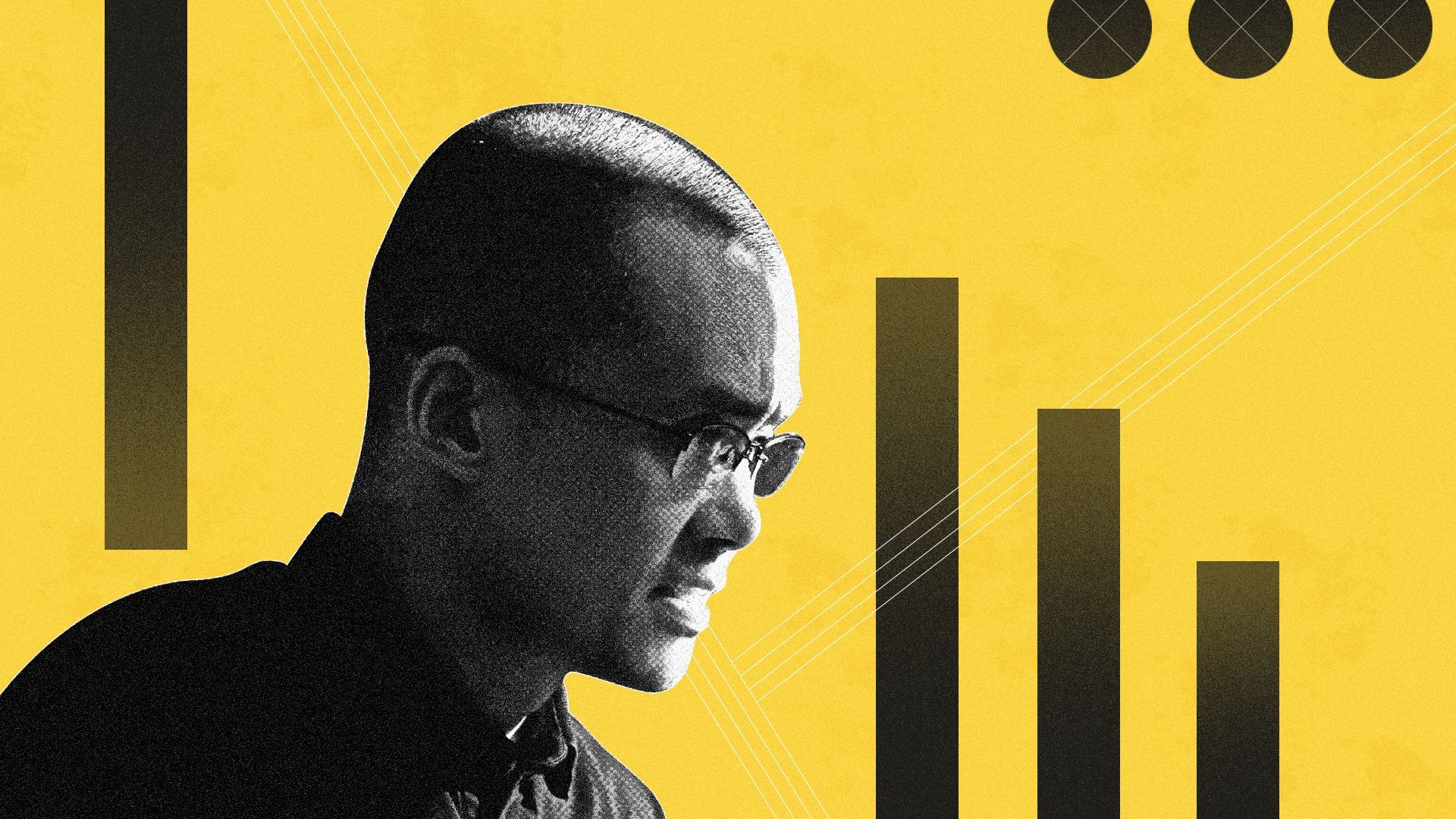
Binance has barred former CEO Changpeng Zhao for life from running the company, but he will still have a powerful say as its majority shareholder.
Why it matters: Binance's November plea agreement with the DOJ left plenty of room for interpretation when it said Zhao had been barred from "managing or operating" the company.
Driving the news: CEO Richard Teng confirmed to Axios it was indeed a lifetime ban, offering some more clarity on what Zhao, also known as CZ, is allowed to do when he completes his jail sentence on Sept. 29.
- Some original reports of the plea deal, including ours, said he would be barred for three years due to language in a DOJ memo.
What they're saying: "CZ, of course, obviously being the largest shareholder, will retain all shareholder rights," says Teng.
- "As a shareholder, he will be looking at the performance of the company, and if things are not up to what he expects, as an investor, it's always his right to replace, nominate a new board of directors, or a new CEO ... shareholders can also always table a resolution."
Between the lines: His majority shareholder powers still leave significant questions as to what is considered "managing or operating." Could he act as a consultant to executives, for example?
- That's where two external monitors, appointed via the plea deal to check for compliance, will probably play a role, says Vanderbilt University law professor Yesha Yadav. The monitors are expected to watch the company for the next three to five years.
- "The monitor is going to have a big impact in that sense to act as a check and balance to support the board and will have discretion when it comes to CZ's role as a very important shareholder," she says.
The intrigue: The language of the DOJ's settlement with Binance doesn't appear to have made the ban a requirement of the plea agreement, notes former federal prosecutor and Columbia Law School professor Daniel Richman.
- The ban was instead listed as a "consideration" of the agreement in the document.
- But Binance says in a statement he was "prohibited from any present or future involvement in operating or managing the business" under the terms of the agreement.
- The DOJ did not respond to a request for comment.
The bottom line: The next few years, while under intense scrutiny from U.S. officials, will probably be pivotal in shaping Binance's relationship with its majority shareholder.
- "It's going to be very risky for Zhao to try and start to assert himself," says Yadav.
3. 🏹 Uniswap Labs, beset on all sides
Uniswap Labs, the firm behind the world's most popular decentralized exchange, is under fire from a variety of regulators.
Why it matters: If regulators want to throw a giant monkey wrench into the crypto economy, making people afraid to use Uniswap would be a great way to do it.
Driving the news: Uniswap Labs yesterday agreed to a $175,000 settlement with the CFTC, while some of its chief investors received subpoenas from the New York Department of Financial Services (subpoenaed again).
- The CFTC settlement concerned trading for various tokens that represent leveraged trades on leading crypto assets, such as bitcoin (BTC) and ETH (the company seems nonplussed by the settlement).
- This all comes after the SEC previously served Uniswap Labs with a Wells Notice, which indicates that it's likely to take legal action.
Catch up quick: Uniswap has been, arguably, the most successful project in the world of decentralized finance, with nearly $3 trillion worth of cryptocurrency trades taking place over the exchange over the life of the project.
- Notably, the exchange cannot be shut down. It exists as immutable smart contracts on various blockchains.
The intrigue: The CFTC settlement refers to ether (ETH) as a commodity.
- SEC chair Gary Gensler has declined to do the same, which could be a breadcrumb for a future lawsuit by his agency.
4. 🏃Catch up quick

🏦 Another bank, this one in Texas, was smacked by the Fed over unspecified anti-money laundering deficiencies. (DL News)
🧸 Robinhood accepted a $3.9 million settlement with California over the period in which it didn't allow customers to withdraw purchased digital assets. (Reuters)
🪣 The campaign of Kamala Harris is still not accepting crypto donations, but a PAC supporting her is. (CoinDesk)
🪧 The Crypto4Harris group is planning a grassroots blitz in key states. (Bloomberg)
This newsletter was edited by Pete Gannon and copy edited by Carolyn DiPaolo.
As Vollmer and I were talking, he was telling me about Reg-SK and Reg-SX, and the phrase "Reg-DA" popped into my mind. Then he said it! Kind of wild. —Brady
Sign up for Axios Crypto