Axios Communicators

March 13, 2025

Welcome back!
- 🗓️ Axios Communicators is off next week, while I spend Spring Break with my family. However, Communicator Pro members will still receive a newsletter on Monday. Sign up
- 🗞️ Situational awareness: Washington Post chief communications officer Kathy Baird is resigning, sources tell me. Baird recently overhauled the Post's PR division to launch a "star talent unit" which prompted internal backlash. Her exit is the latest in a slew of editors, reporters and executives departing the publication.
Today's newsletter is 1,741 words, a 6.5-minute read.
1 big thing: Dissecting the "go direct" debate

The "go direct" strategy — skirting intermediaries to get out a message — remains largely misunderstood and is leading to major debates within the communications industry.
Why it matters: The evolving media landscape and continued audience splintering make going direct an effective strategy that's possible for some but unattainable for most.
Catch up quick: The term was coined by former Substack and Activision Blizzard comms leader Lulu Cheng Meservey, who founded a firm based on this thesis.
- She says it's less about tactics and more about ownership: "It's are you personally taking responsibility for [communications], or are you not? If you are, you can have help. You can talk to the media. You can have agencies. You can have advisers. You can have an entire comms team and still go direct, because you are still speaking from your own voice, with your own convictions, and you're not completely outsourcing it."
- Of note: Meservey shared the news of her firm launch with Axios first, before going direct on social media.
The big picture: Building a personal brand can cast a halo effect on the company and keeping control of the message is good comms. However, it's unlikely you'll reach all intended audiences — much less grow your audience — by only communicating on personal social feeds or owned channels.
- To reach an audience broader than your own echo chamber, you must tap into others' followings.
Yes, but: That's not to say PR practitioners cannot be strategic and targeted in their approach. Think of it this way ...
- Go direct in its truest form: Only use owned channels like a blog or personal social media account.
- Go directly to friendlies: Engage with low-risk content creators, podcast hosts, industry leaders and Substack writers.
- Speak with mainstream publications: Peg media interviews to big moments to show momentum and build credibility. This presents a higher risk — since you can't control the story — but also presents higher rewards.
What they're saying: Media coverage can help attract investors, potential employees and consumers by giving companies a sense of legitimacy, says Aaron Zamost, founder of Background Partners and former head of communications and government relations at Square.
- "Traditional media may be broken and flawed but they're not irrelevant to reputation-building. You need a blended approach," he said.
Case in point: I covered a partnership between media monitoring platform Memo and Marker Collective in late 2024. It was an interesting story about their combined effort to inject real metrics into the practice of PR.
- Since then, I reached out to Memo CEO Eddie Kim to see how the media coverage was received.
- "The newsletter and article resulted in over $2 million in immediately attributable contract value," he said. "This also doesn't account for all the additional awareness and halo value in the industry that resulted from the mention nor the pipeline value that could result from that awareness down the line."
- "There's just nothing we could ever do on our own as a company of our size that would match this kind of immediate value."
Between the lines: It's easy to go direct when you're Sam Altman, Mark Zuckerberg or Marc Andreessen. However, there are very few founders or CEOs who can truly "go direct" because they lack the platform and engaged following it requires.
- "'Go direct' is what you tell startup founders so they can feel anti-establishment while paying you tens of thousands of dollars a month to tweet for them," Zamost said.
Plus, direct communication, while an important part of all communication strategies, is always going to carry a self-promotional bent, says Emilie Gerber, founder of Six Eastern.
- Going direct is "kind of content marketing in a lot of ways and it's getting conflated with comms, even though there's no new tool here. The channels are all the same," she said.
The intrigue: Social media platforms have something to gain from big brands and public figures curtailing the scrutiny of traditional media in favor of going direct on their spaces.
- X, for example, is running targeted ads promoting its verified offerings and encouraging a "revolutionized approach to public relations," and declaring "Traditional PR is dead. Long live direct engagement."
Reality check: Retweets don't equal legitimacy, and social media platforms can be unreliable.
The bottom line: There's a world where both traditional PR and going direct exist, and both are needed depending on what your company or executive is trying to achieve.
2. Bonus chart: Where things stand with TikTok's ban



As of March 9, The administration is in conversations with four groups over the sale of the app, Trump said.
- "A lot of people want it," he said. "And it's up to me."
3. Cancel culture fades as controversial celebrities and politicians bounce back

"Cancel culture has been canceled." That's what DOGE leader Elon Musk posted on X in December.
Why it matters: The resurgence of celebrities and public figures who had been exiled signals that large-scale cancellations could be over.
Driving the news: Once-canceled Andrew Cuomo is running for mayor of New York, while singer Chris Brown was recently nominated for a Grammy and comedian Shane Gillis has embarked on sold-out tours.
- "Anti-woke" corporate cancellations aren't sticking either. The corporate reputations of Anheuser-Busch InBev and Target saw minimal declines, while Disney is showing signs of recovery, according to the 2024 Axios/Harris Poll 100 rankings.
What they're saying: While speaking at Axios House at SXSW in Austin, Texas, comedian Chelsea Handler commented on Cuomo's attempted comeback.
- "I don't think anyone is unforgivable or unrecoverable unless they're a f***ing murderer or a rapist, you know what I mean?" she said. "And even those people can be rehabilitated, but I think everyone deserves a second chance if they have shown some sort of growth spurt in the areas of which they were, you know, coming up a little bit short."
- "He loves New York and New Yorkers, and hopefully he won't repeat any past mistakes he's made, but I'm a big believer in giving people second chances. I'm not into people being canceled for life."
By the numbers: Roughly 6 in 10 U.S. adults are familiar with the phrase "cancel culture," according to a recent Pew Research study.
- Views on cancel culture vary depending on political ideology.
- 65% of Democrats believe that calling people out on social media for posting offensive content holds them accountable, compared to only 34% of Republicans.
- Conversely, 62% of Republicans — but only 32% of Democrats — believe this type of action generally punishes people who didn't deserve it, according to the study.
The big picture: Social media platforms like X, Instagram and Facebook have reinstated previously banned accounts or relaxed their moderation policies.
- Meanwhile, audiences have become more disillusioned and have shorter attention spans, while public relations professionals have gotten savvier in rehabilitating images through targeted communications.
Between the lines: Inappropriate tweets or unsavory commentary aren't enough to get someone canceled these days, especially if there is an established base that will rally in support of them, says crisis communications expert Molly McPherson.
- "I don't think cancel culture has been canceled. I think it's been diminished, and it's changed significantly," she said during a Muck Rack panel at SXSW.
- "With Trump's candidacy, we saw the importance of a base and how a base could really strengthen you and get you through a 'cancellation.' His [candidacy] is a watermark moment that changed cancel culture, because now, if you are a brand, a person, or an entity with a base — and not just stakeholders but I mean, stans or people who live and die by you — you can get through anything."
Zoom in: A prime example of this is the attempted cancellation of Musk and the subsequent boycott of Tesla.
- President Trump and Fox News host Sean Hannity are publicly praising Tesla vehicles in an attempt to rally the MAGA base to combat the protests and free-falling share price.
What we're watching: As social media platforms evolve from serving as public town squares to idealogical neighborhoods, it could become easier to stay within one echo chamber free of accountability or scrutiny.
4. Communicator spotlight: Yahoo's Sona Iliffe-Moon
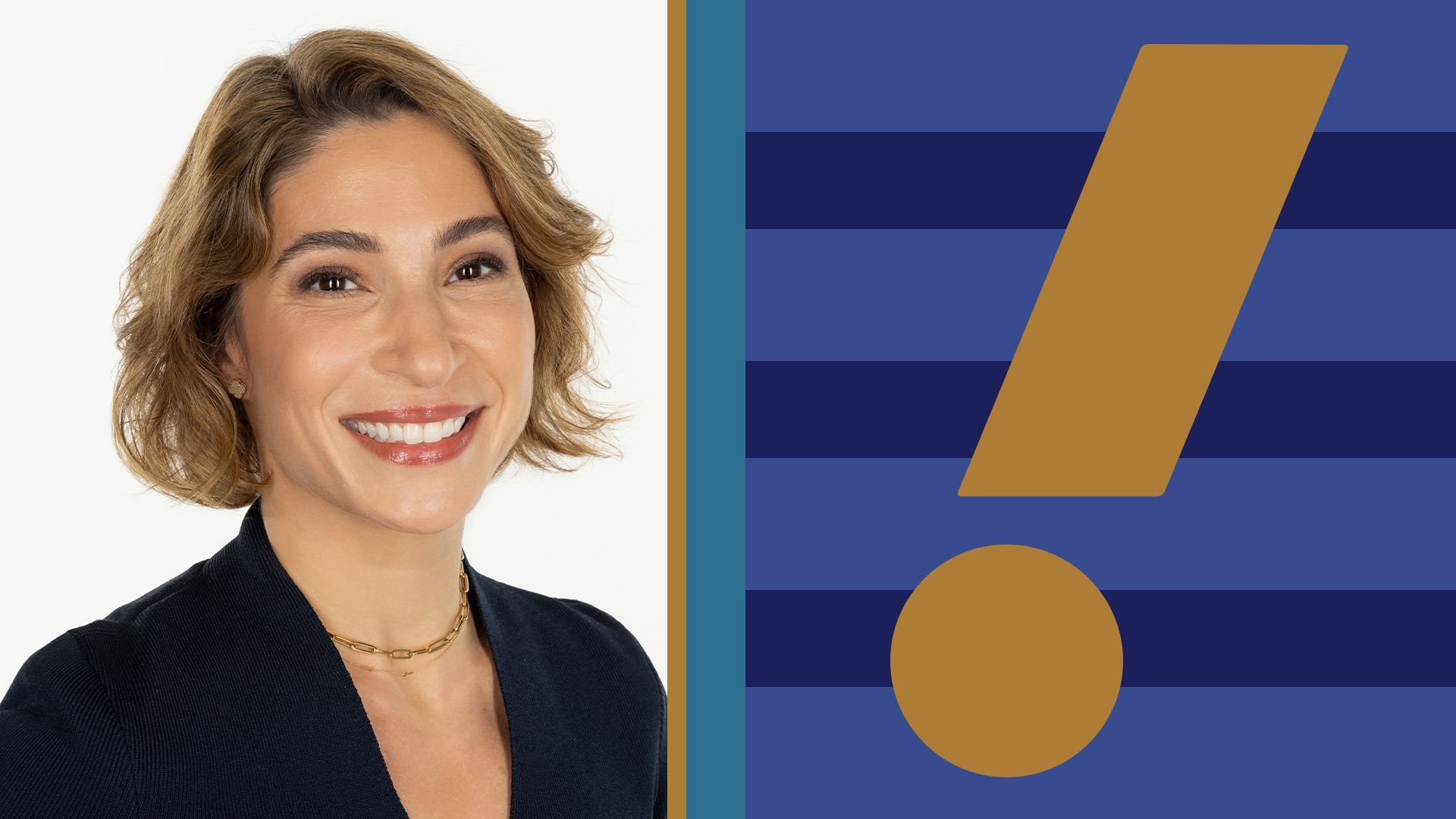
Sona Iliffe-Moon serves as chief communications officer and interim chief marketing officer for Yahoo.
- Why it matters: Iliffe-Moon and her team are working to elevate the 30-year-old company by embracing nostalgia and strategic communications.
🗣️What she's saying: "We're reintroducing a brand that people love and use every day but may have not realized it or forgotten about it," she told Axios.
- "Owning who you are and telling that story on repeat is incredibly important. And I think brands fail when they're trying to be something that they're not. Our team is helping to remind people what Yahoo provides and bring it into culture and conversation."
📍How she got here: Iliffe-Moon started her career at the U.S. State Department working on nuclear arms policy.
- She then supported marcomms at Toyota and Nestlé before joining Facebook in 2015, where she focused on consumer communications. Before joining Yahoo, Iliffe-Moon led communications and social at Lyft, serving on the executive leadership team.
🏗️ How it's structured: Iliffe-Moon reports to Yahoo CEO Jim Lanzone and serves on the executive leadership team.
- She manages a team of 23 which oversees corporate, consumer product and internal communications. As interim CMO, Iliffe-Moon also manages product, brand and B2B marketing operations.
- "When marketing and comms are in sync it can unlock so much. ... This is the year of real-time marketing and that aligns with a lot of skills that comms pros typically bring, like judgment, being aware of trends and news cycles — so we've really partnered well for the 30th."
🔍 Zoom in: Yahoo aired its first major television ad in years during the Super Bowl, which featured actor Bill Murray and kicked off Yahoo's new marketing campaign around its revamped email platform.
- Iliffe-Moon's team is also embracing social media, having recently launched a nostalgia campaign across LinkedIn to help honor its 30th anniversary.
👀 What she's watching: How AI can support the comms team in scaling its work.
Go deeper ... read her spotlight in its entirety.
5. 💭 1 quote to go
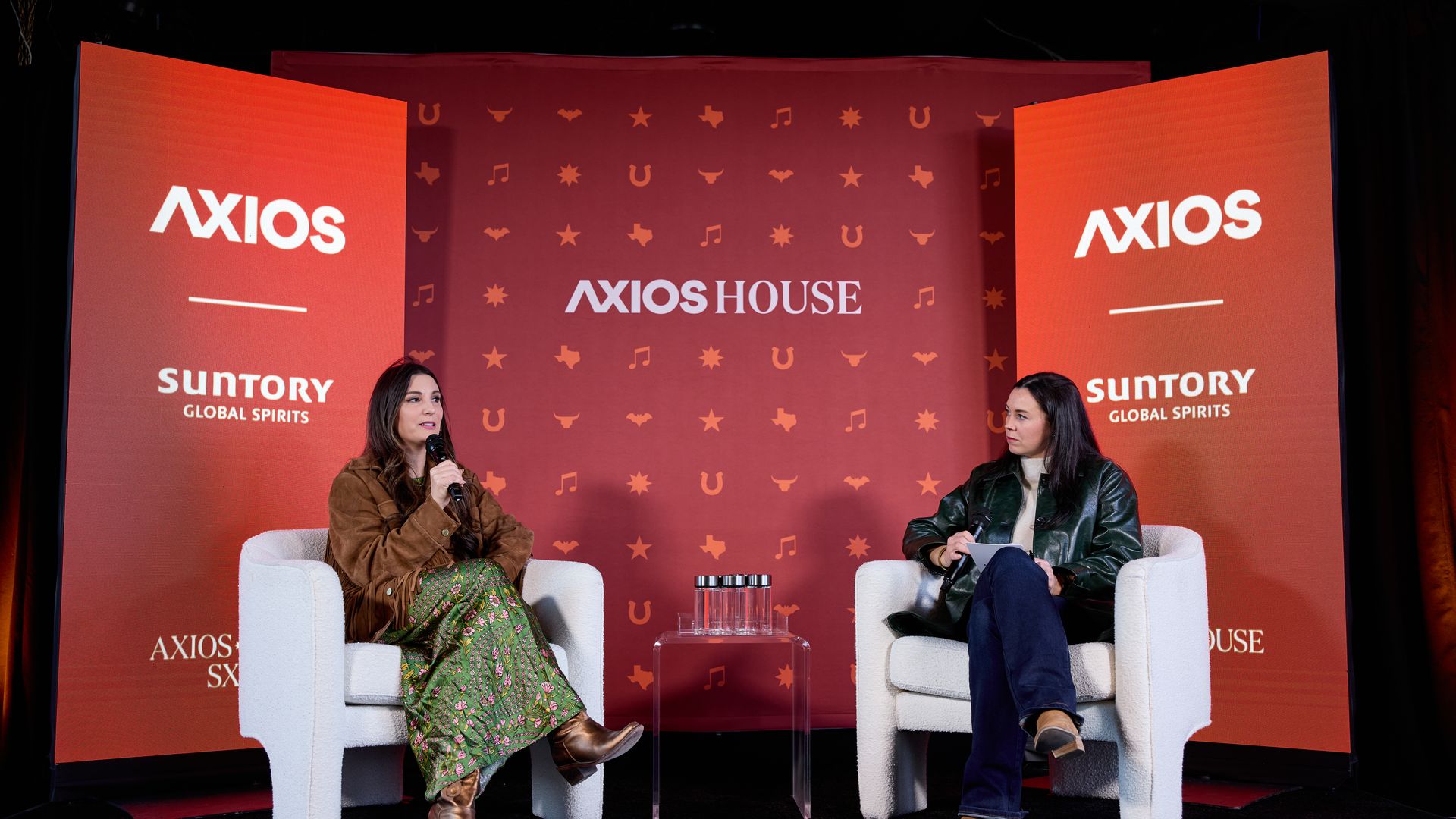
"I don't think there's a single shot in the dark answer to communicating. It's a multi-pronged approach of what positive media are you getting? What is Reddit saying? What is social saying? What product communications can be created and what earned media can you place on third party channels?"— Bobbie chief brand officer Kim Chappell, in an interview at the Axios House at SXSW.
☑️ Thanks to editors Nicholas Johnston and Kathie Bozanich.
To go deeper on all things comms, become an Axios Communicators Pro member.
Sign up for Axios Communicators