Axios Closer

May 15, 2026

Friday β .
Today's newsletter is 733 words, a 3-minute read.
π The dashboard: The S&P 500 closed down 1.2%.
π₯ Today's stock spotlight: Delta Air Lines jumped in extending trading following a disclosure that Berkshire Hathaway built a $2.6 billion stake in the airline during Q1.
1 big thing: Another kind of oil shock

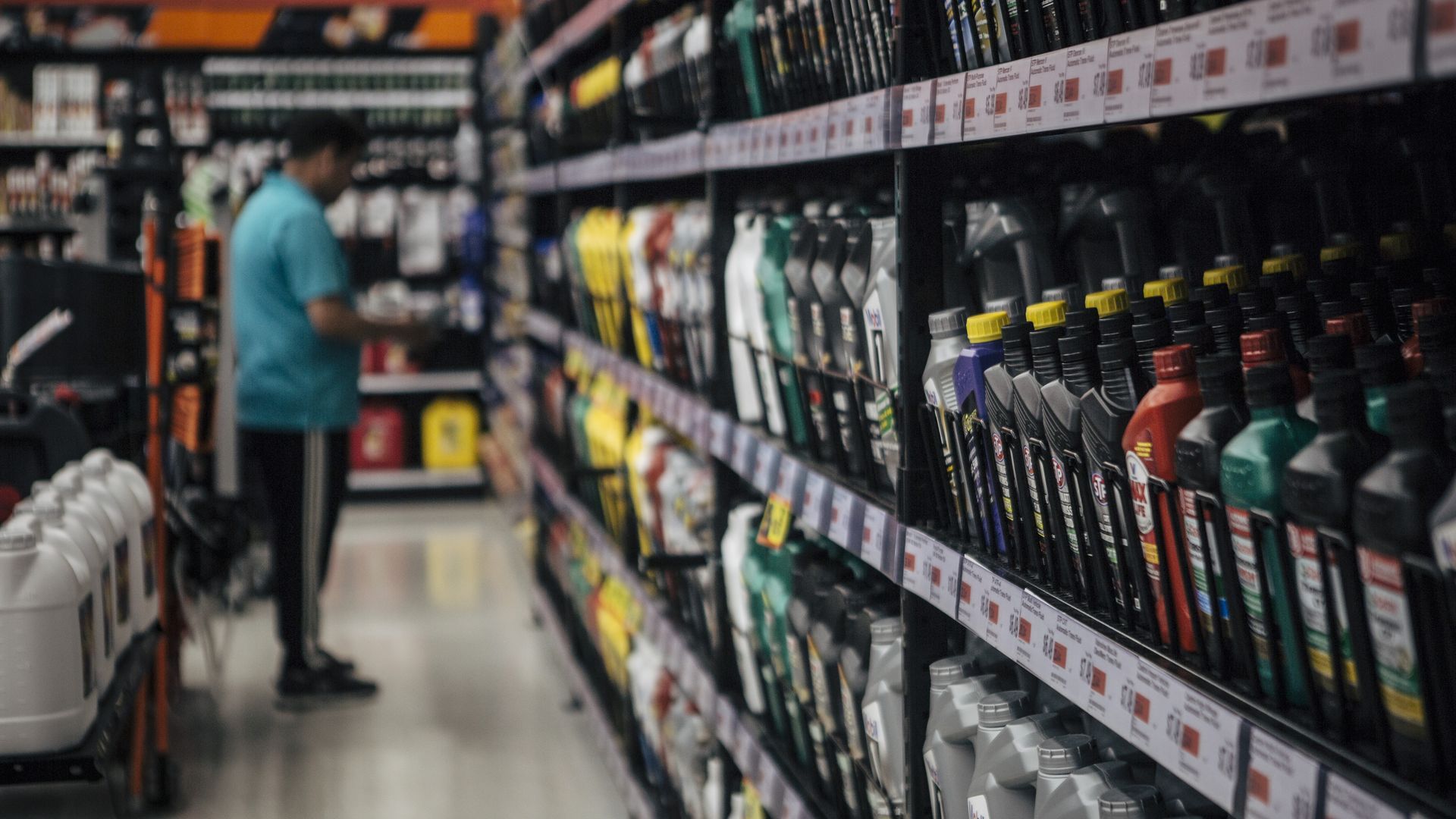
Motor oil could become the next supply-chain headache as major companies warn that Middle East turmoil is squeezing key ingredients used in synthetic lubricants.
Why it matters: Drivers, repair shops and auto suppliers could soon see higher prices, reduced selection and temporary out-of-stocks for some synthetic motor oils.
Driving the news: Executives at Shell, Valvoline, O'Reilly Automotive and other companies are increasingly warning investors about lubricant cost spikes, feedstock disruptions and growing pressure on synthetic motor-oil supply chains.
- The Independent Lubricant Manufacturers Association says supplies are tightening and prices are rising because of refinery outages and shipping disruptions through the Strait of Hormuz.
- "Actual shortages are starting to appear" for some synthetic oil products tied to Group III supply, Amanda Hay, global lead for base oils at ICIS, told Axios.
The big picture: The lubricant industry relies heavily on imports from the Middle East and Asia-Pacific for Group III base oils, a key ingredient in many of those modern synthetic motor oils.
- ILMA noted that recent attacks and supply disruptions have sidelined roughly 44% of U.S. Group III supply.
Reality check: Don't expect a broad disappearance of motor oil from shelves, Tom Glenn, a longtime lubricant-industry analyst and publisher of JobbersWorld, tells Axios.
- Consumers are more likely to notice reduced product selection, temporary out-of-stocks in specific viscosities, fewer promotional discounts, delayed replenishment and higher prices, he says.
2. Rally killer


Stocks took a sharp step back today from their latest AI-fueled rally, Axios' Pete Gannon writes.
Why it matters: Inflation fears may be starting to win the tug of war in markets.
Between the lines: Investors sent a clear message today in the bond market, dumping longer-dated government securities and sending yields surging around the world.
- π¨π³πΊπΈ The sell-off comes after President Trump's trip to China offered no clear path to freeing up global oil supplies.
- π’οΈ Pricey oil has been a big inflation driver, and April's CPI data released Tuesday shows it's continuing to seep into prices for all sorts of other goods and services.
- πΈ Wholesale price data released Wednesday suggests things aren't getting any better.
The latest: Oil prices spiked again today, with global benchmark Brent crude rising another 3%, to $109 a barrel.
- 10-year Treasury yields rose to 4.6%, their biggest single-day jump in over a year and highest level in 15 months, WSJ noted. Yields on the 30-year rose to over 5.1%, highest closing level since July 2007.
π£οΈ What they're saying: "Bond yields definitely feel like they are getting unhinged," SocGen Americas' head of research Subadra Rajappa told Bloomberg TV today.
What we're watching: Whether rising bond yields start to become the market story β denting the AI trade that's powered stocks higher since the end of March.
3. Other happenings

4. Bed Bath's comeback can't be Container-ed
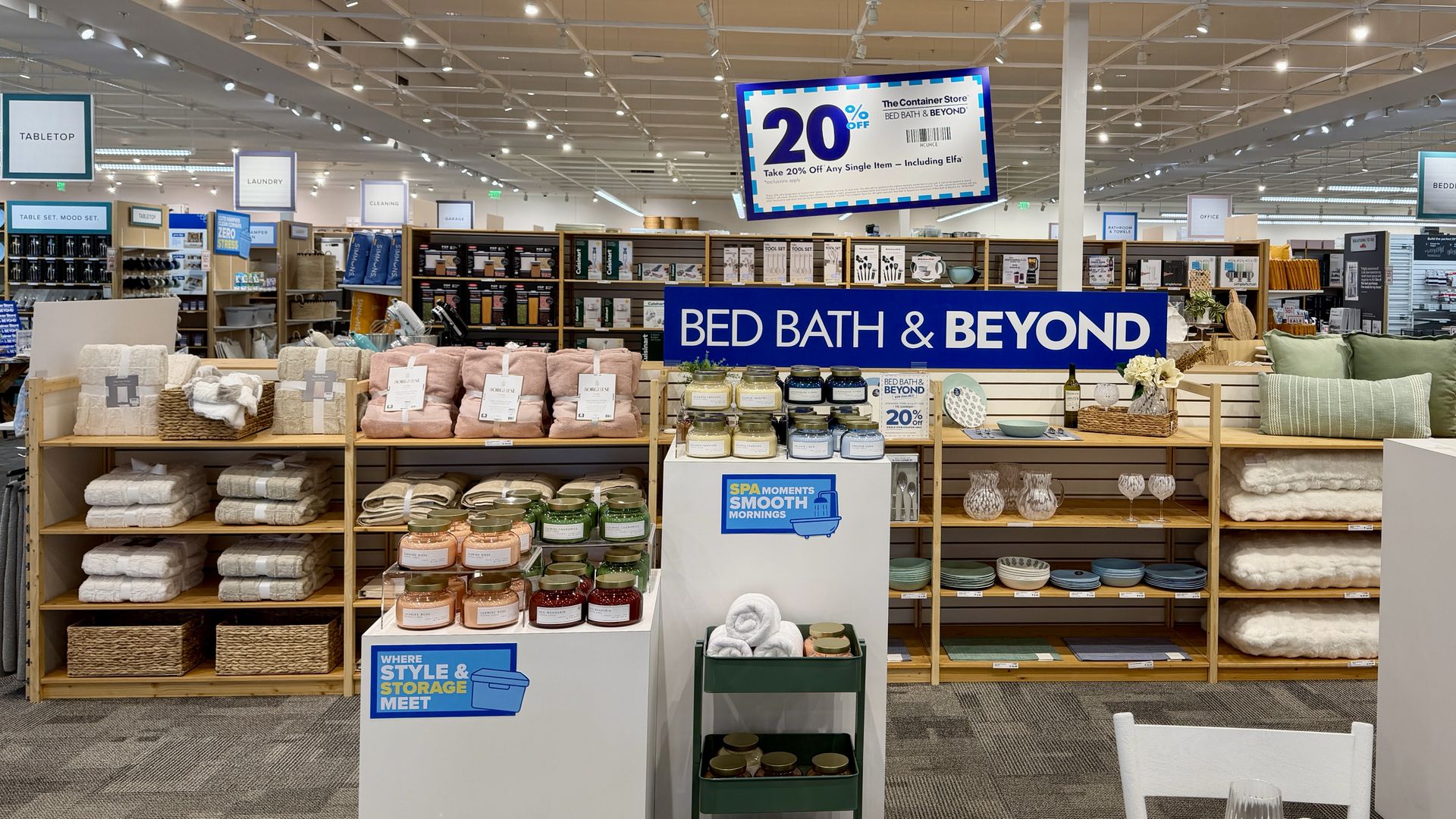
Bed Bath & Beyond's comeback is entering its next phase with the opening Saturday of its first co-branded Container Store location in Texas.
Why it matters: The new Bed Bath & Beyond is betting shoppers still have an emotional connection to the brand after its last stores closed in 2023 β and that a smaller co-branded format can succeed where its sprawling big-box stores failed.
π π« Zoom in: The new Fort Worth-area store blends Bed Bath & Beyond products with The Container Store's organization business under one roof.
What's next: It plans to bring the format to all 98 remaining Container Store locations and roughly 100 smaller-format stores, Bed Bath & Beyond president Amy Sullivan told Axios.
ποΈ On this day in 1942, over a dozen states began rationing gasoline. The move, coming months after the U.S. entered World War II, was actually intended to conserve rubber, whose supply had been severely disrupted. By limiting driving, it was thought, there would be less demand for new tires.
Today's newsletter was edited by Pete Gannon and copy edited by Sheryl Miller.
- Did a friend forward this to you? Sign up here to get Axios Closer in your inbox.
Sign up for Axios Closer