Axios Closer

September 03, 2026

Thursday ✅.
Today's newsletter is 842 words, a 3-minute read.
📈 The dashboard: The S&P 500 closed up 1.1%.
- It was the biggest single-day gain since Aug. 4, as comments from Fed Governor Christopher Waller eased bets for a September rate hike.
🔥 Today's stock spotlight: Coinbase (+10.1%) shares jumped on today's rise in bitcoin, with crypto and gold reacting to shifting interest-rate expectations.
1 big thing: Nvidia gives diversification a hug
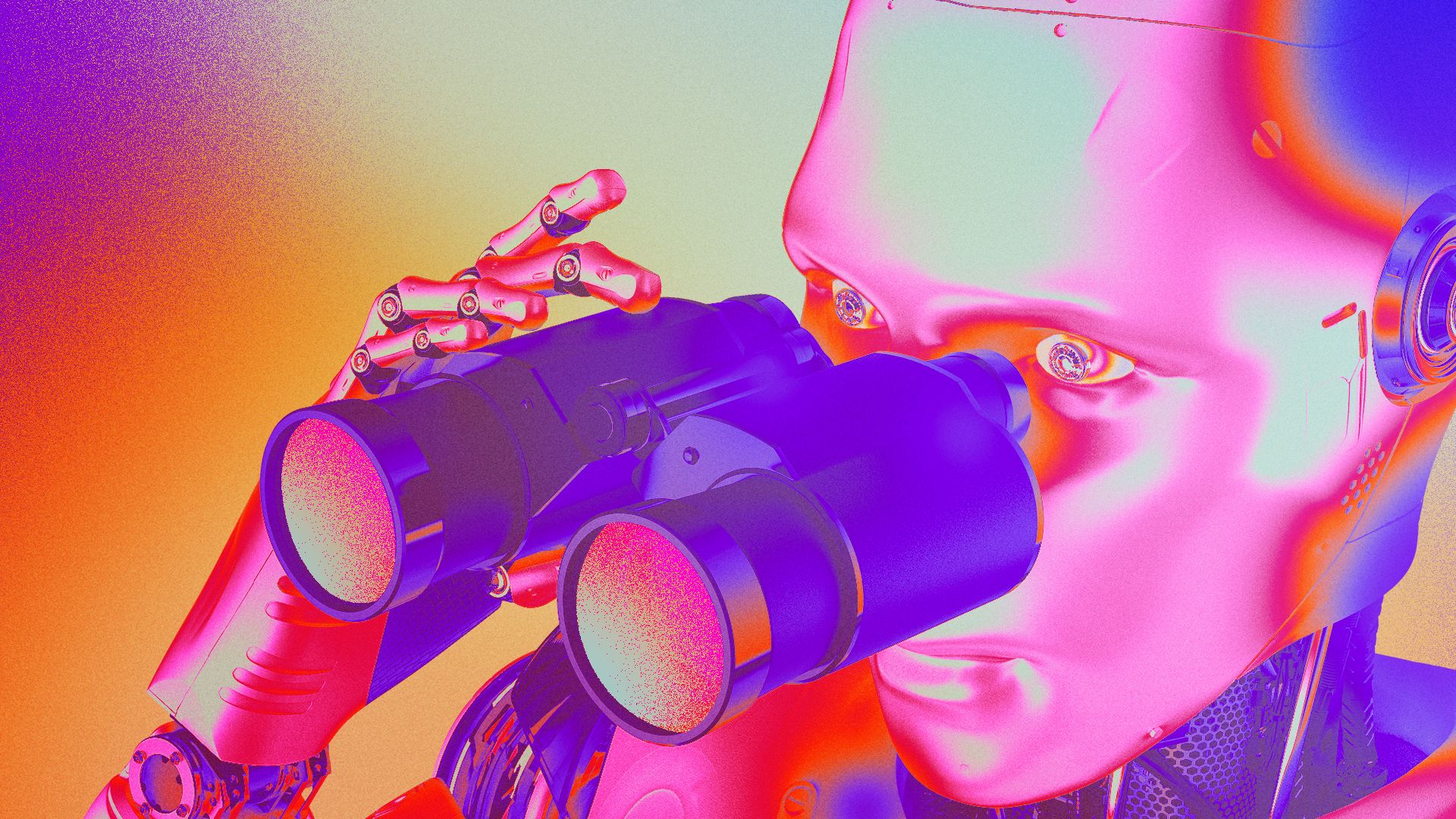
Nvidia's acquisition of Hugging Face accelerates the chipmaker's push to dominate the broader AI ecosystem while placing it squarely at the center of the open-source movement.
Why it matters: Nvidia wants to be more than a really good chip designer — and it's using its deep pockets to tighten the company's grip on the software and development tools that power the AI supply chain.
Nvidia announced today that it will acquire Hugging Face for $12.93 billion.
- It's a massive validation of open-source AI by a chip design giant known for its work with closed-model companies like Anthropic and OpenAI, Axios' Dan Primack and Madison Mills note.
The big picture: The deal exemplifies Nvidia's effort "to protect the crown jewels — sales of its GPUs," says Jed Ellerbroek, portfolio manager at Argent Capital Management, in an email.
- With about 70% of its revenue, Ellerbroek estimates, currently coming from seven companies — Amazon, Google, Microsoft, Meta, SpaceX, Anthropic and OpenAI — Nvidia has a vested interest in establishing a more diverse customer base.
- Nvidia is also facing looming competition on chips from some of its biggest customers, including Tesla, OpenAI, Google and Amazon.
"So what can NVDA do to widen its customer base? The answer is to commoditize other layers of the AI technology stack," Ellerbroek says.
- "If it can reduce model layer and cloud computing layer pricing by injecting more competition, more value will accrue to the semiconductor layer with NVDA itself being the chief beneficiary."
What we're watching: Whether Nvidia uses its ownership of Hugging Face to steer developers toward its product lines.
- Nvidia CEO Jensen Huang says it won't.
2. Cybercab's coming-out party

Tesla is holding a Cybercab launch event in downtown Austin this evening, where a small group of guests is expected to get the first commercial rides, Axios Future of Mobility author Joann Muller writes.
Why it matters: Tesla's robotaxi ambitions are about to face a pivotal test.
🏁 Catch up quick: The two-seat EV, with no steering wheel or pedals, is designed to be cheaper and easier to build than other robotaxis, potentially allowing Tesla to race ahead of rivals like Waymo and Zoox.
What we're watching: How quickly can Tesla go from dozens of Cybercabs to thousands?
- Expect Tesla to take it slowly at first. CEO Elon Musk has said the company will be guided by safety.
🚧 It's still unclear how Tesla intends to navigate federal rules governing vehicles without steering wheels and pedals.
- State regulations could also limit Tesla from expanding beyond relatively permissive markets like Texas.
💭 Joann's thought bubble: The Cybercab rollout could be a seminal moment for Tesla, but if the past is prologue, the flashy event will be followed by a more modest reality.
3. Other happenings
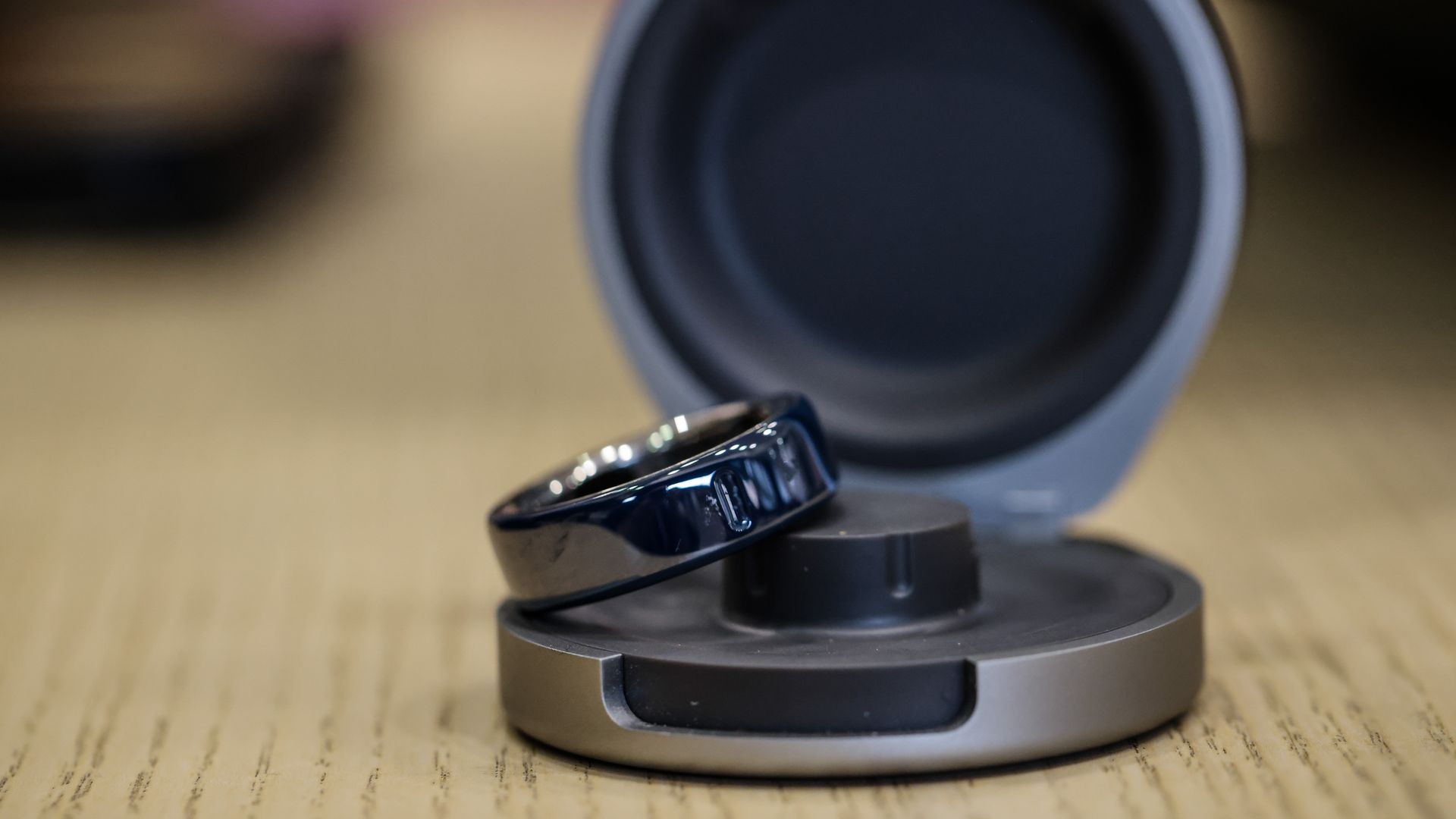
💍 Oura, the maker of the smart wearable Oura Ring, filed the paperwork for its U.S. IPO. (Reuters)
🚗 Volkswagen's supervisory board approved a transformation plan that could include cutting 50,000 jobs, including management positions. (Bloomberg)
🥫Campbell's posted an 8% sales decline in its latest quarter and projected another sales decline in its next fiscal year. (WSJ)
🤝 Adobe named Anil Chakravarthy as its next CEO, with Shantanu Narayen stepping down Dec. 1. (CNBC)
4. Don't bet on it
One market you won't find at Kalshi: whether the Supreme Court will take up the case on how prediction markets should be regulated.
- A company spokesperson confirms that Kalshi won't be allowing people to make trades on its chances of reaching the highest court.
State of play: The likelihood of the Supreme Court deciding the fate of prediction markets escalated after a three-member panel of the Ninth Circuit recently ruled against Kalshi. (Users on rival Polymarket's international platform give the court a 42% chance of taking up the case by Dec. 31, albeit on light volume.)
- The likelihood jumped after another appeals court decision that went in Kalshi's favor.
- Any time there are conflicting opinions by different federal appeals courts on major public issues, it bolsters the chances of a Supreme Court case.
Context: Kalshi says prediction markets should be federally regulated by the Commodity Futures Trading Commission, while a slew of attorneys general say state gaming commissions should govern prediction markets.
The bottom line: Kalshi doesn't want to list a market that its own employees could influence, the company tells Barron's.
🗓️ On this day in 1895, John Brallier became the first professional football player — as in, the first who was openly paid to play. The college-bound quarterback from Indiana accepted $10 plus expenses to serve as an emergency fill in for the Latrobe Athletic Association. He led Latrobe to a 12-0 win.
Today's newsletter was edited by Pete Gannon and copy edited by Sheryl Miller.
- Did a friend forward this to you? Sign up here to get Axios Closer in your inbox.
Sign up for Axios Closer