Axios Closer

September 09, 2022
That's a wrap on Week 36 of 2022!
Today's newsletter is 680 words, a 2Β½-minute read.
π The dashboard: The S&P 500 closed up 1.5% today, and up 3.6% from last Friday's close.
- Biggest gainer? Dish Network (+8.6%), the satellite TV and mobile wireless provider. Β―\_(γ)_/Β―
- Biggest decliner? Enphase Energy (-3.7%), the solar company, after Guggenheim analysts downgraded the stock's "buy" rating, saying it was now "fairly valued."
1 big thing: Managers are on the front lines

Illustration: Eniola Odetunde/Axios
Middle managers play a more important role than ever in a company's success, Hope writes.
Why it matters: Employers remain worried about people's happiness at work and who might leave as the economy faces another period of uncertainty.
State of play: Managers are now at the "front line" of trying to understand what workers need as they continue to redefine their relationships with their jobs, Bryan Hancock, McKinsey's global leader of talent work, tells Axios in an interview today.
- From having an empathetic ear to leading with an engaged and authentic presence, "when it's done well, [it makes] a tremendous difference for their organizations," says Hancock.
- And despite the flexibility that remote work has provided, workers are craving personal connections so much so that one of the "new office amenities" that people want β is a manager, according to Hancock.
Threat level: Recent studies on "quiet quitting" β or pulling back from going above and beyond β place some of the blame on managers.
Reality check: Managers are employees too, and they face the same risks of burnout and disengagement.
- Managers have to take care of themselves and "put their own oxygen masks on before helping anyone else," Bhushan Sethi, joint global leader of people and organization at PwC, tells Axios.
What to watch: McKinsey says it's seeing increased demand for services around training leaders to be more empathetic.
2. Charted: Cyberattack protection soars
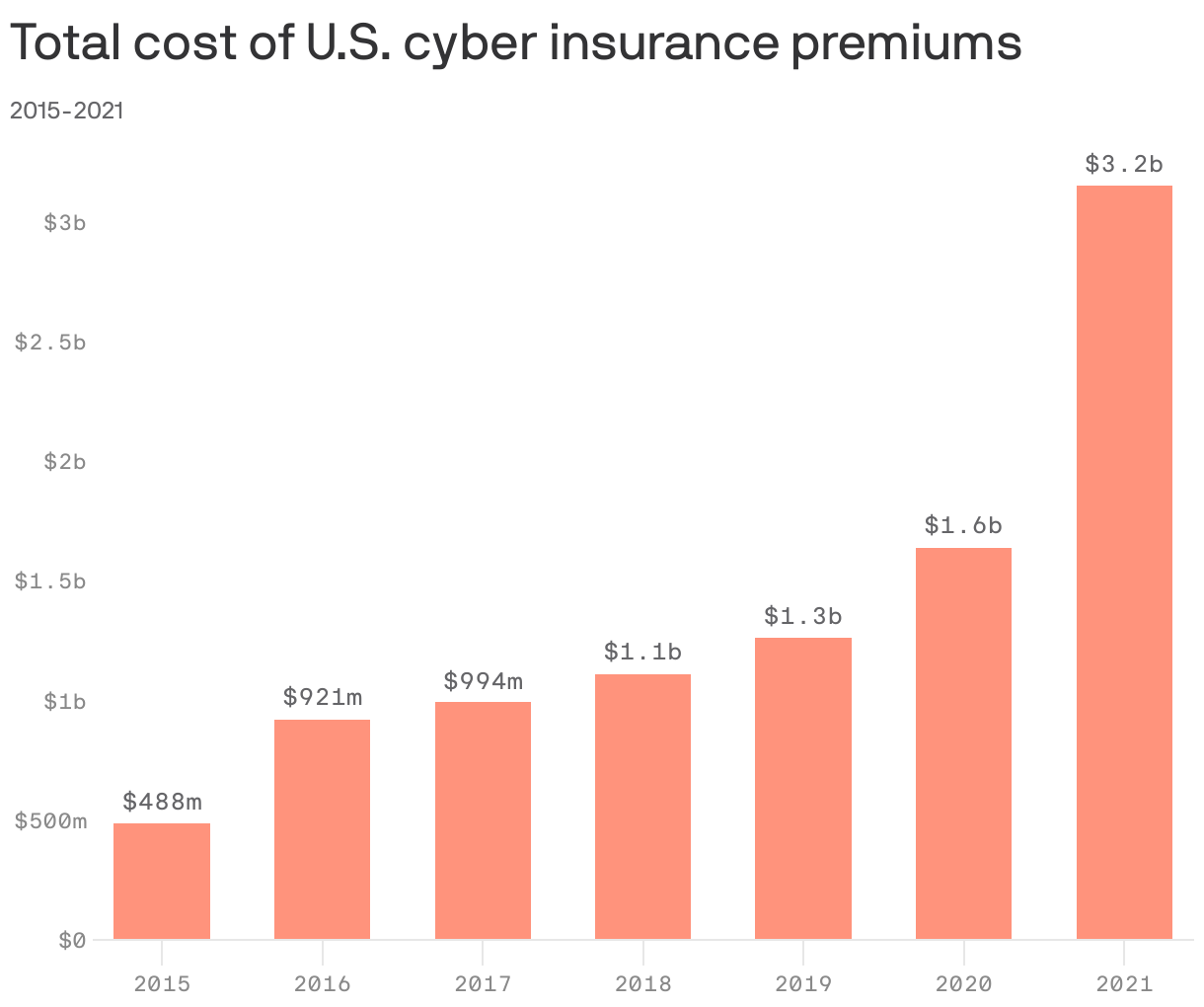
Costs to cover cyberattack losses have been skyrocketing the past three years as insurers face mounting payouts and companies see more of a need than ever, Axios Codebook author Sam Sabin writes.
State of play: As more companies file big-dollar cyber insurance claims, insurers have had to adjust their premiums to make their businesses profitable.
- For years, cyber insurers underestimated how much recovering from a cyberattack or data breach costs, prompting years of financial losses and more expensive premiums.
The big picture: Rates are expected to steady this year as insurers pursue tighter underwriting guidelines and better understand the cost of a successful cyberattack.
4. Baseball tries to speed things up
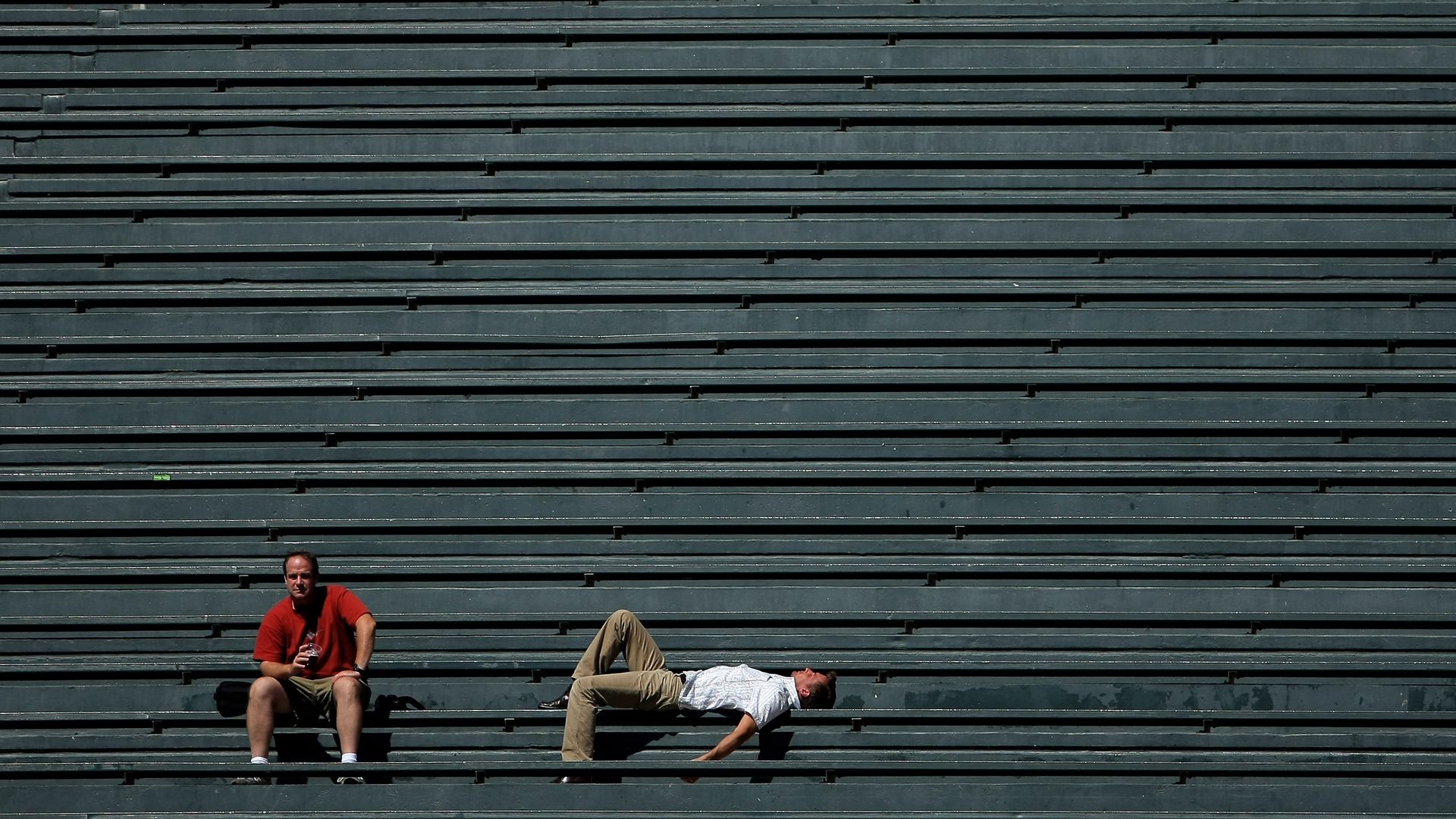
Photo: Doug Pensinger/Getty Images
Major League Baseball, not known for moving fast and breaking things, is implementing two significant rule changes designed to reinvigorate fan engagement, Axios' Pete Gannon writes.
Why it matters: Attendance for baseball games is shrinking, with the league average down 5.4% at the first half of the season from 2019.
- While more than 30,000 fans packed stadiums for 14 straight years through 2017, this year's attendance is down at least 12% from that level, Bloomberg noted.
The big picture: The reasons often cited: Baseball games have become boring. They are long and feature fewer hits than they used to.
- The average game this year has taken 3 hours, 4 minutes. The average NBA game, by contrast, is 2 hours, 13 minutes.
What's happening: The league is implementing a pitch clock, forcing pitchers to throw within 15 or 20 seconds, depending on whether there's a runner on base.
- And it will limit defensive shifts, which will eliminate teams from positioning defenders where each individual batter most frequently hits toward, which should β in theory β increase batting averages.
The bottom line: A lot of "old-school" baseball fans will hate this. But that's not who MLB is worrying about.
5. Cheaper to stay home
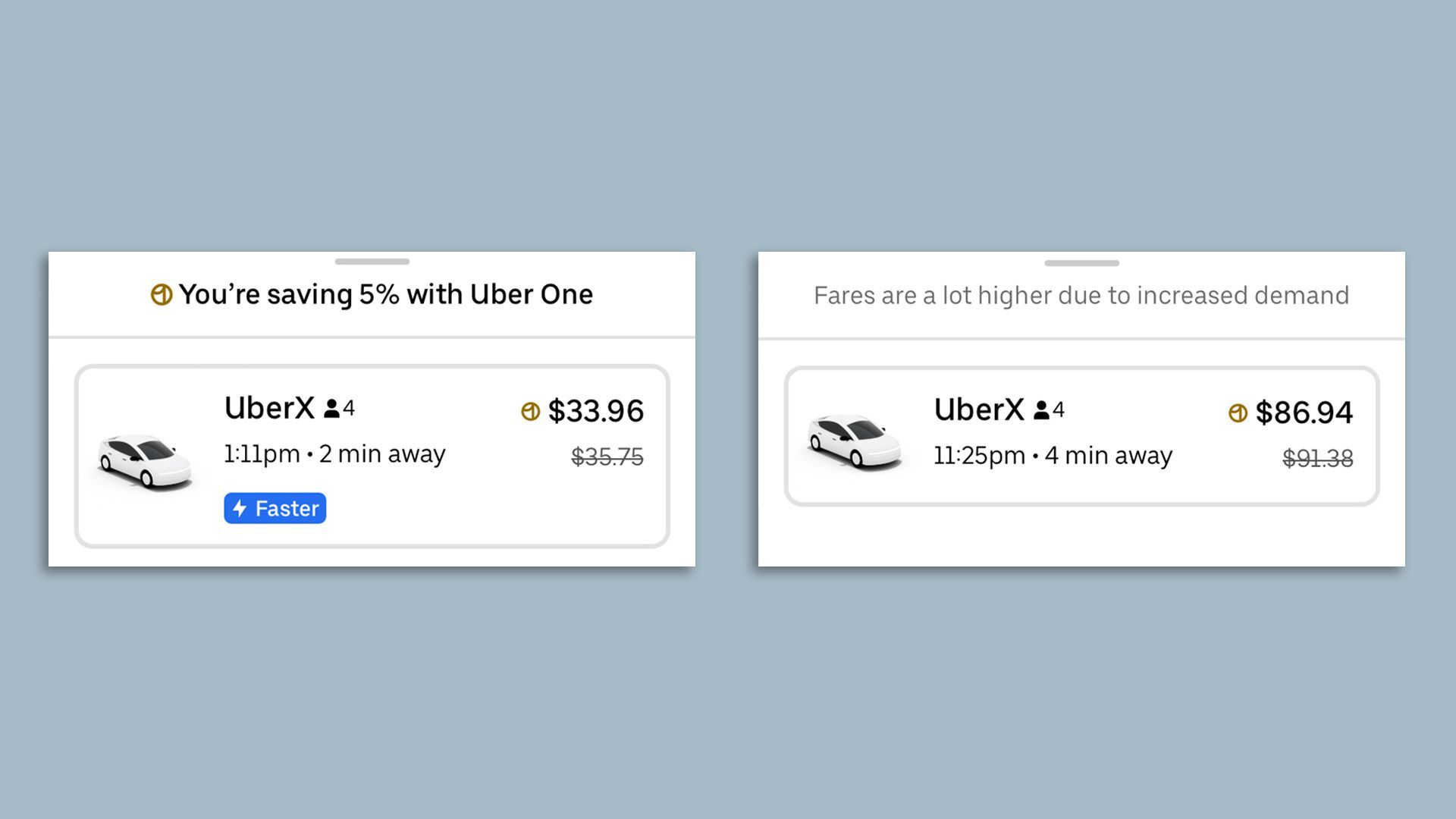
What Hope typically paid to go into the city this summer versus what she absolutely did not pay last night.
Uber CEO Dara Khosrowshahi wasn't lying when he said September would be a high-demand month, Hope writes.
State of play: Ride requests have picked up as kids are back at school and more workers return to offices, meaning costs for trips are surging.
- Specifically here in New York, it's also fashion week and the tail end of the U.S. Open.
- On an earnings call in August, Khosrowshahi said he was preparing the company for "a lot of demand."
Between the lines: Life has returned, and oh how it's costing us (me). About $22 a minute, apparently.
Go deeper... Uber hits record number of drivers and couriers amid elevated inflation
Today's newsletter was edited by Pete Gannon and copy edited by Sheryl Miller.
βοΈ Programming note: Hope will be covering stories from Goldman Sachsβ Communacopia and Technology Conference next week in SF.
Sign up for Axios Closer

Catch up on the day's biggest business stories and look ahead to important trends. Led by Nathan Bomey.