Axios Chicago

September 23, 2026
🌞 Happy Wednesday! Today is National Innergize Day, a chance to slow down and prepare for fall.
☁️ Today's weather: Mostly cloudy, with a high of 65.
🎂 Happy birthday to our members Michelle Richmond and Jennifer Rommel!
Today's newsletter is 1,117 words — a 4-minute read.
1 big thing: Rival rental plans
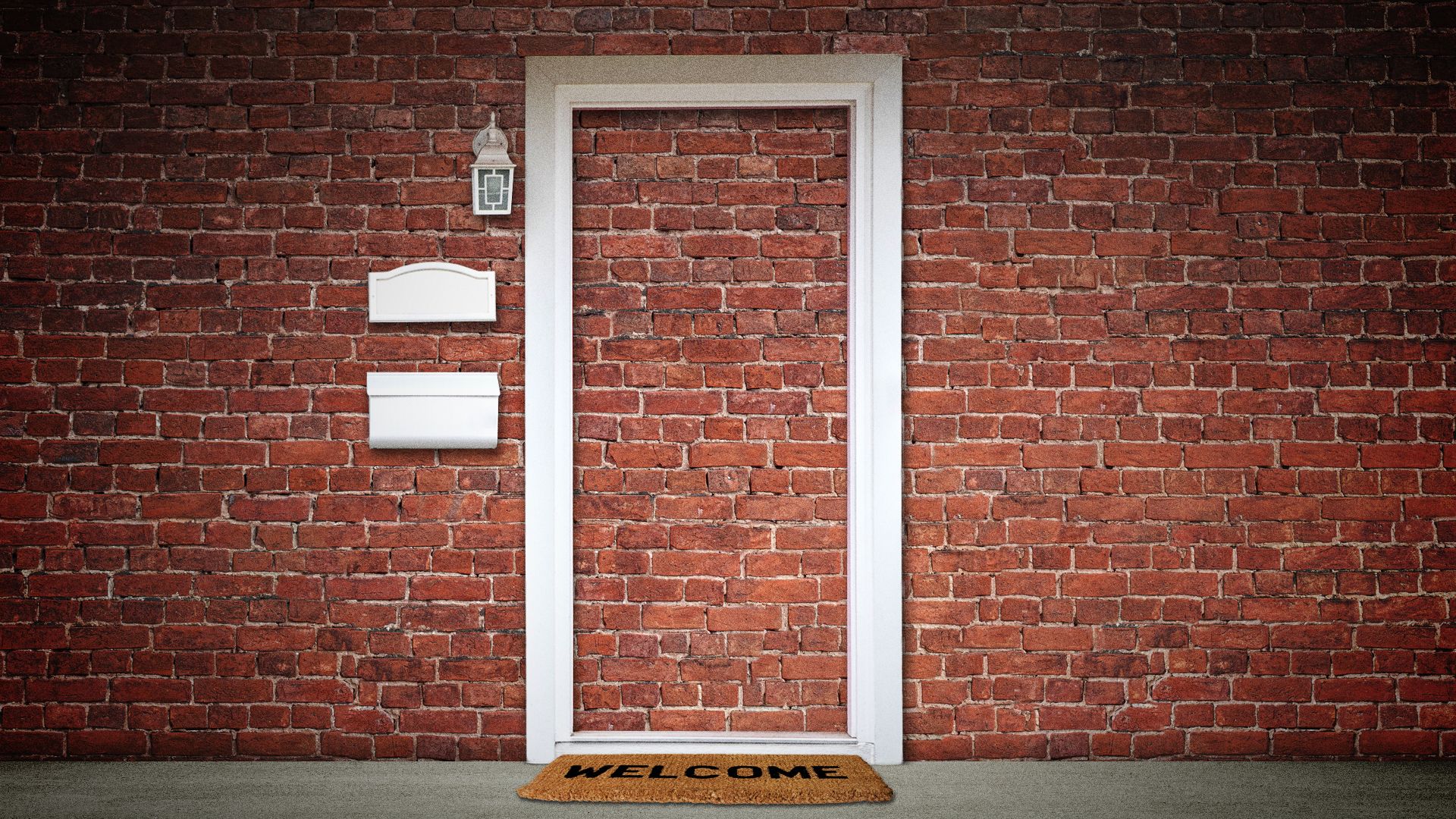
City Council is considering two competing plans today to rewrite the rental rules for the first major overhaul in decades.
Why it matters: The dueling plans could reshape the balance between tenant protections and landlord costs for more than 600,000 Chicago renters.
State of play: Tenants' rights groups and affordable housing advocates generally back Mayor Brandon Johnson's Protecting Renters Ordinance (PRO).
- Landlords and the Chicago Association of Realtors support the Fair and Accountable Illinois Rental Ordinance (FAIR), which was proposed by alders who regularly oppose the mayor.
Zoom in: PRO would create a rental registry for all building owners, a new city-run Bureau of Rental Housing Services, a tenant bill of rights and a ban on excessive moving fees.
- Johnson's administration expects the rental registry to make more than $22 million in annual revenue to help fund the new bureau.
- FAIR supporters argue Johnson's plan places more financial burden on building owners who say they'll pass those costs on to renters. The ordinance allows landlords to collect move-in fees but requires transparency in how they communicate these fees.
- FAIR supports the registry but does not require a fee for building owners to register.
The latest: City Council's housing committee voted last week to advance Johnson's ordinance, with a provision: It no longer requires landlords to give just cause for all evictions, nor does it require landlords to pay relocation fees if a tenant is not allowed to renew or if rent increases.
- The City Council's zoning committee advanced FAIR the next day, which also included amendments, such as a cap on certain fees like multiple pet fees.
Reality check: Whichever ordinance passes, Chicago's lack of affordable housing looms large.
- A study earlier this year estimated that Chicago was short more than 220,000 affordable housing units, with about 31 affordable homes available for every 100 extremely low-income renters.
What's next: Either proposal needs 26 votes from the full City Council to pass. FAIR would need 34 votes to survive a veto from the mayor.
2. Rents keep rising
While Chicago leaders consider the two plans, renters continue to face rising costs.
Why it matters: Chicago's more than 600,000 renters pay more monthly than the national average.
By the numbers: The median rent for a one-bedroom apartment was $2,079 compared to $1,948 nationwide, Zillow reports.
- Rents are up nearly 5% since last year
Zoom in: The suburbs got hit even harder with increases. Joliet's median rent was up nearly 15% since this time last year. The average price for a one-bedroom is $1,390, Zumper reports.
- Arlington Heights' rental prices rose more than 11%, with the average rent at $1,750.
- Schaumburg and Wheaton are the most expensive in the metro area behind Chicago.
Yes, but: Even though rents are rising, renting is still more affordable than buying in all major U.S. cities, including Chicago.
- The typical U.S. rent is $1,948 a month, Zillow reports, compared to the typical new home buyer's monthly payment of $3,014.
The bottom line: The Chicago market continues to squeeze renters out, moving the city further from the goal of being the most affordable big city.
3. Tips and Hot Links: Feds get wrong guy

🚨 An Evanston man was hospitalized after federal agents mistakenly detained him. The man, a U.S. citizen, was released after agents realized they had the wrong person. (NBC News)
💧 Bubbly Creek on the South Branch of the Chicago River had eight sewer overflows this summer, the most since 2022. (Block Club)
🏈 Bears backup quarterback Tyson Bagent is reportedly in concussion protocol after last week's game and may not be able to play Monday against the Eagles. With Caleb Williams all but ruled out, third-string quarterback Case Keenum could start. (NFL)
4. Why yellowjackets are so aggressive now

Chicago can't catch a break from bugs this year.
The latest: Earlier this summer, Asian tiger mosquitoes wreaked havoc on outdoor activities. Now, pest experts say they're getting an uptick in calls about notoriously aggressive yellowjackets.
What's happening: Yellowjacket colonies reach their largest size in late summer and early fall, just as flowers begin disappearing and food becomes scarcer.
- That leaves thousands of hungry wasps searching for food, particularly sugary drinks, fruit and other picnic fare.
- Hot late-summer temperatures can also increase insect activity and dry up water sources.
Zoom in: Yellowjackets are often confused with honey bees because of their similar coloring.
- They build nests underground or inside walls, making them easy to disturb accidentally.
- And unlike honey bees, yellowjackets can sting repeatedly.
Yes, but: Yellowjackets aren't all bad. They prey on caterpillars and other insects and can also serve as pollinators.
Pro tip: Keep an eye on open pop cans and other sugary drinks outdoors — yellowjackets can crawl inside.
5. History Mystery solved: State and Monroe
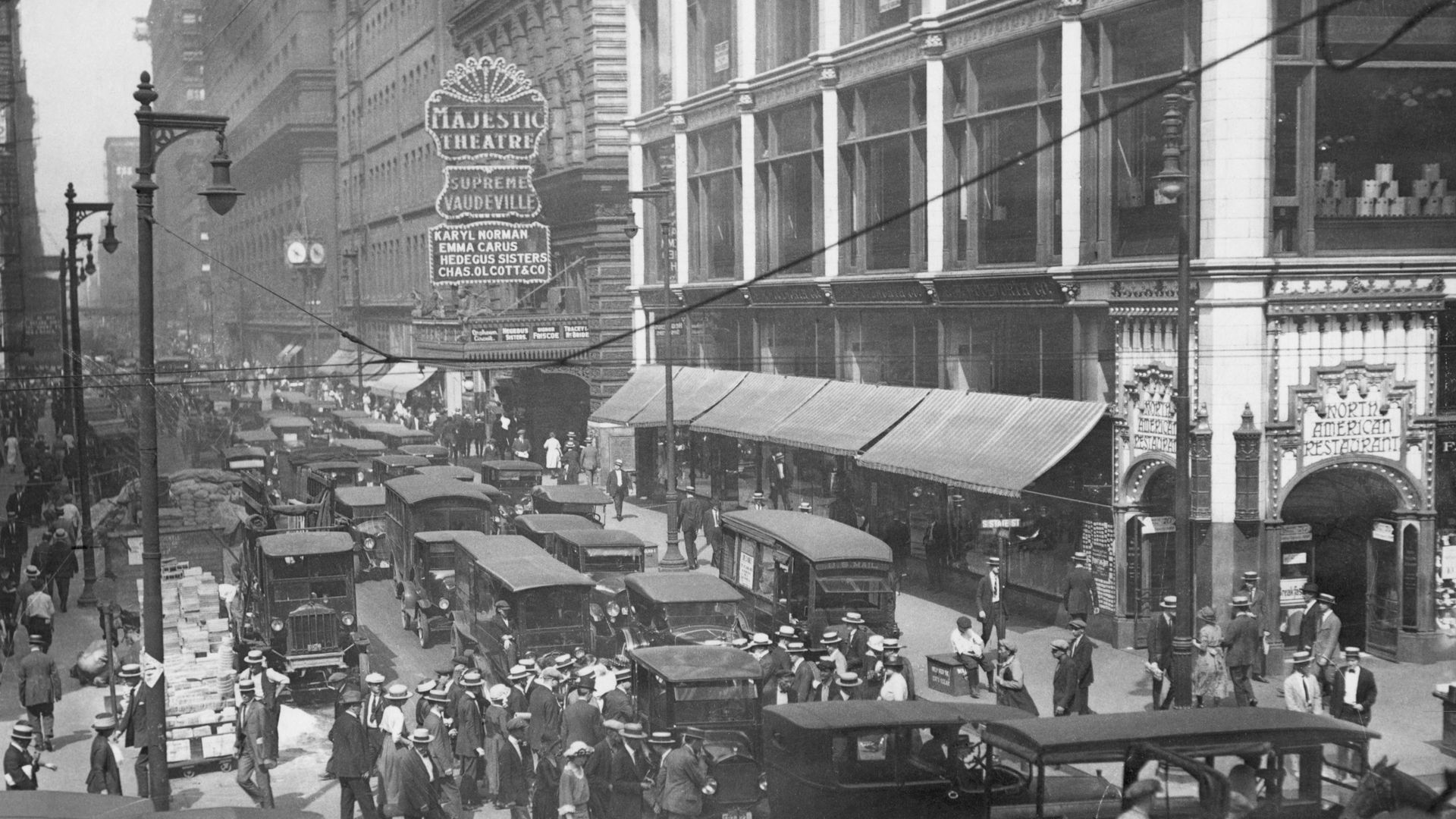
Our History Mystery sleuths didn't just figure out where this week's photo was taken; they may have corrected the history books.
The (big) picture: We're looking west on Monroe Street from State Street in the heart of the Loop.
Zoom in: The giveaway may be The Majestic Theatre marquee.
- The theater is still at 18 W. Monroe St., although it's gone through plenty of names before becoming today's CIBC Theatre.
Fun fact: The North American Restaurant, at 36 S. State St., advertised itself as the "best ventilated restaurant in Chicago."
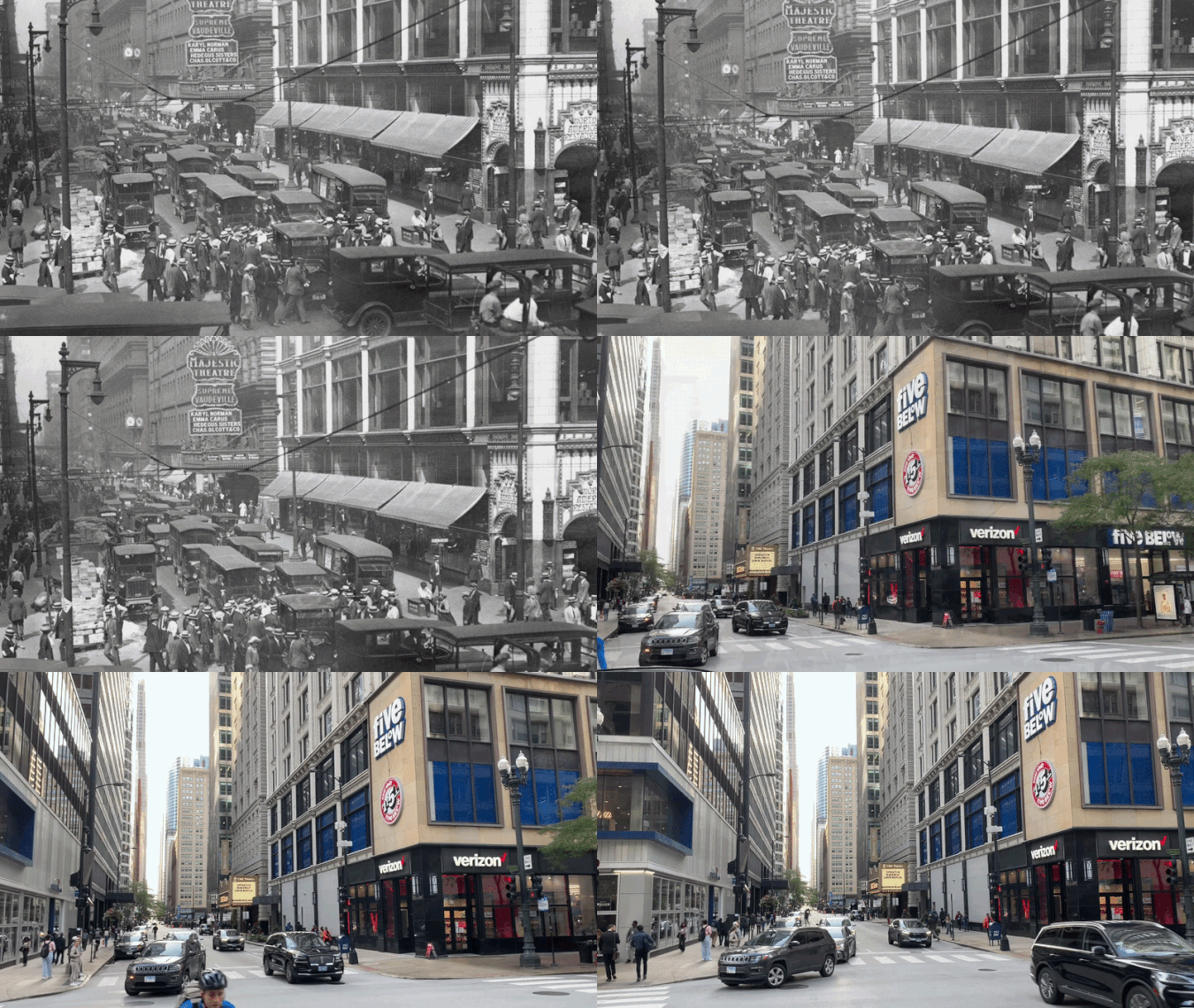
Yes, but: Solving where this was taken may have been easier than solving when.
- Getty's description says the photo was taken in the pre-World War I era, but several of our amateur sleuths spotted evidence to the contrary.
Reality check: Dan A. zeroed in on the hats, automobiles and, most importantly, the Majestic marquee. One of the performers advertised is Karyl Norman, a nationally known vaudeville female impersonator billed as the "Creole Fashion Plate."
- And that's a huge clue: A 1922 trade publication reported that Norman was headlining the Majestic.
Meanwhile: Tom Z. spotted another clue hiding in plain sight: the postal truck. The city's transition from horse-drawn mail wagons to motor vehicles also contradicts an early-1910s date.
The bottom line: The evidence strongly suggests we're looking at downtown Chicago around 1922-23, not before World War I.
💗 Carrie is celebrating her anniversary today. Boy, did she luck out.
🎉 Justin is celebrating Carrie's anniversary tonight by toasting the couple AND binge-watching "Neagley."
🗓️ Monica is on sabbatical.
Edited by Larry Graham, who is also celebrating Carrie's anniversary.
Want more Axios Chicago content? Check out our Instagram for extra stuff to do, behind-the-scenes photos, videos and more!
Sign up for Axios Chicago