Axios AM

November 07, 2021
👟 Happy Sunday. Good luck to New York marathoners.
🎬 Tonight on "Axios on HBO" (6 p.m. ET on HBO and HBO Max): I interview Sen. Josh Hawley ... Jonathan Swan flies to India to talk vaccines with Serum Institute CEO Adar Poonawalla ... and Margaret Talev sits down with Amtrak CEO William Flynn in Penn Station’s new Moynihan Hall. Watch a clip.
Smart Brevity™ count: 1,189 words ... 4½ minutes. Edited by Fadel Allassan.
1 big thing: Climate shuffles superpowers
Data: Defense Department. Map: Jacque Schrag/Axios
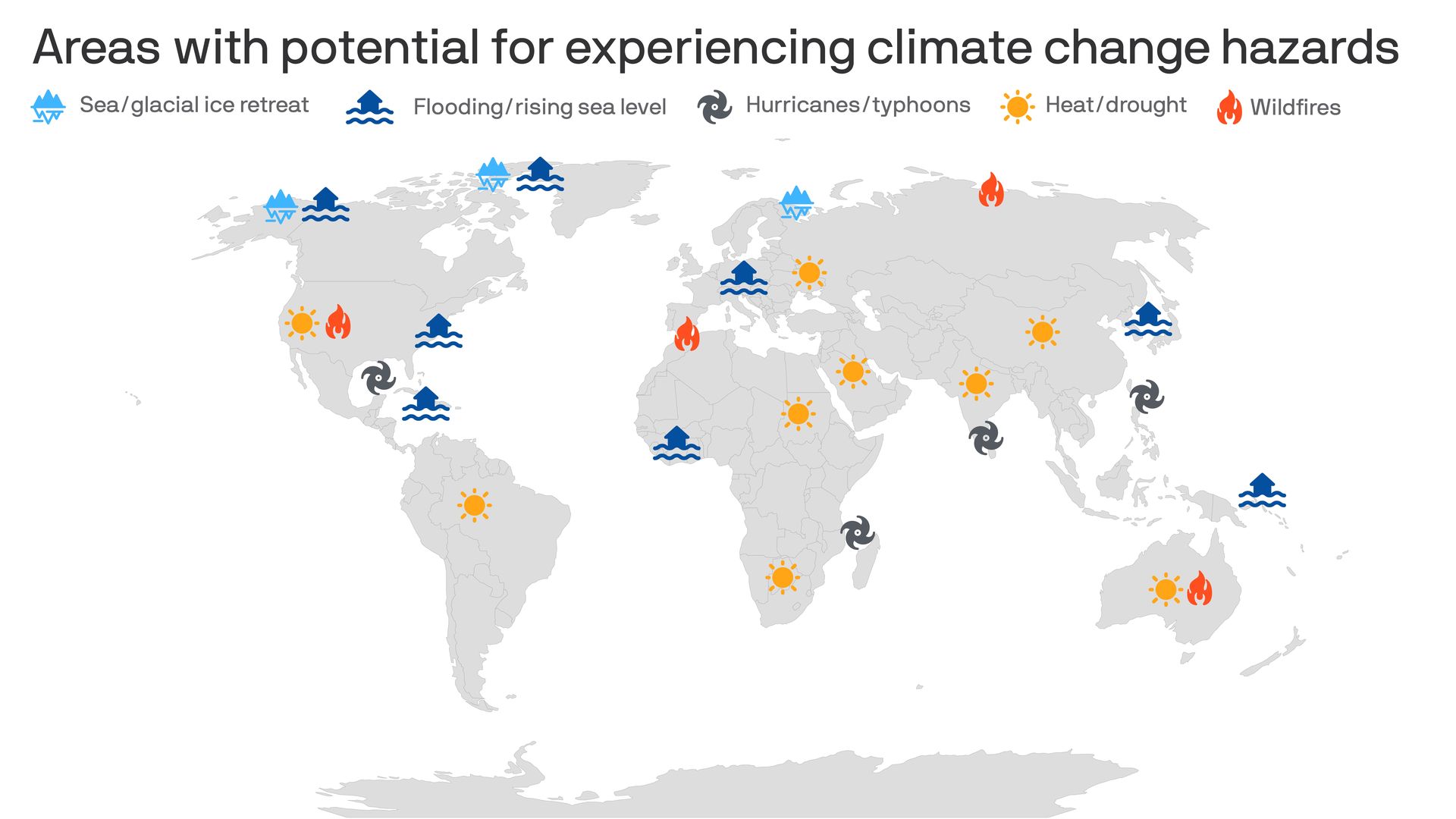
Drought, rising sea levels and melting ice caps are transforming the geopolitical map at the same time China's rise and revanchist Russia are testing the limits of American power, Axios' Zachary Basu writes.
- Why it matters: These dynamics, outlined in the first-ever National Intelligence Estimate (NIE) on climate change, show climate change is threatening military assets — and opening new fronts in the great-power competition defining the 21st century.
President Biden is placing the "existential threat" of climate change at the center of his national security policy, while also casting China as the biggest geopolitical challenge facing the U.S.
- Those two priorities are inextricably linked: China is the world's largest source of carbon emissions, and its cooperation is critical to preventing some of the worst effects of global warming.
The intelligence estimate, which Biden mandated in his first week in office, lays out three main climate risks to U.S. national security:
- Geopolitical tensions will intensify as countries debate who bears responsibility to act — and who is not doing enough.
- The global map itself is physically changing, establishing new frontiers for competition and exacerbating cross-border flashpoints. Melting sea ice in the Arctic will create new shipping routes, free up oil and mineral resources, and open greater economic competition.
- The effects of the climate crisis will be felt most acutely in developing countries, which will depend on humanitarian assistance and foreign investment to bolster their resilience.
2. 🖊️ Next fight: Invite to signing ceremony
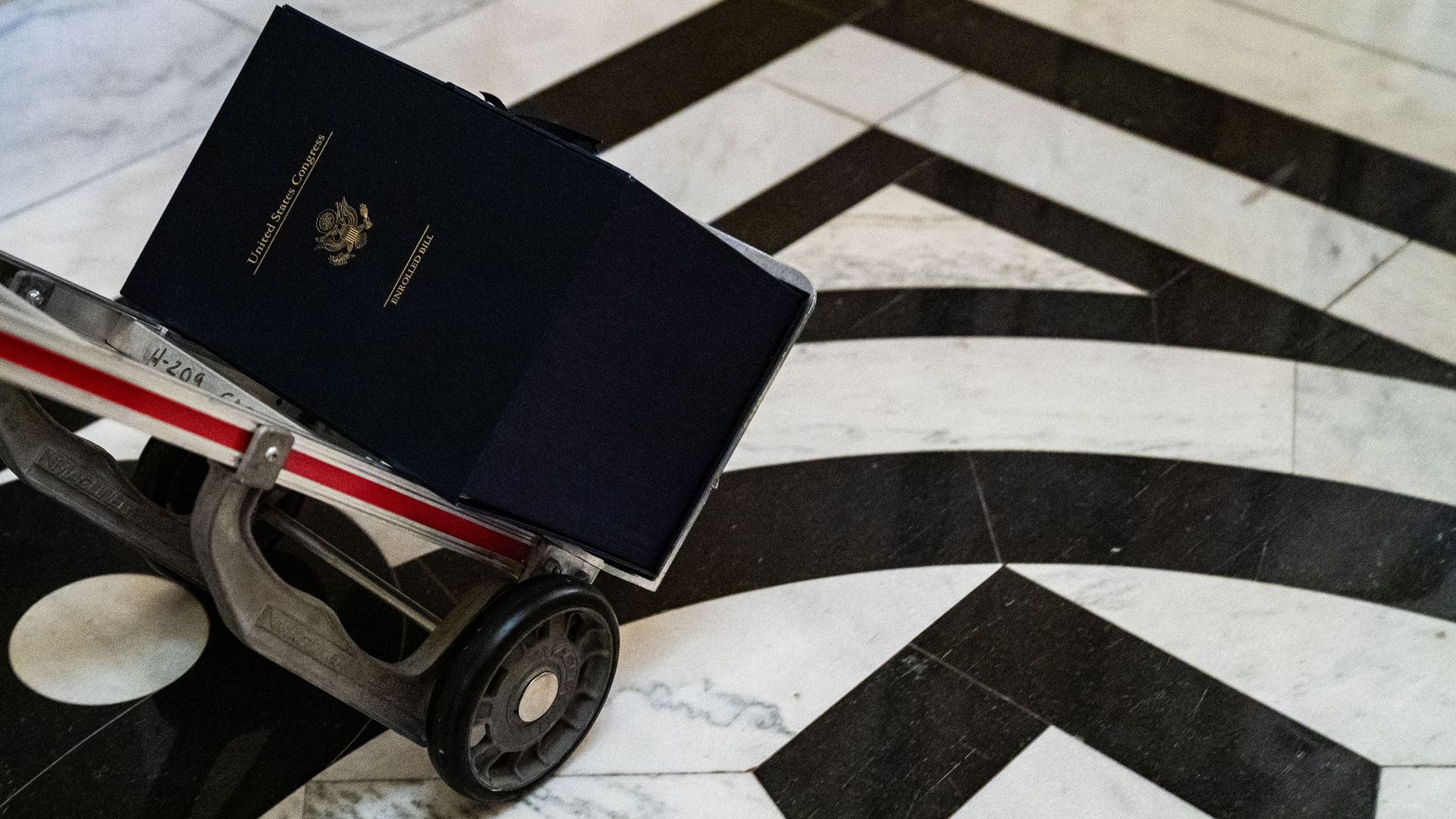
The "Enrolled Bill," in a box, was wheeled out Speaker Pelosi's suite yesterday. Photo: Kent Nishimura /L.A. Times via Getty Images
The day after the fragile passage of President Biden's infrastructure bill, House leaders were already working on Part Deux:
- Democrats hope to pass the bigger social-safety-net bill two weeks from now — the week before Thanksgiving.
I'm told lawmakers are angling for invitations to the infrastructure signing ceremony even before the date has been announced — each making the case for why they were a vital part of closing the deal.
- Biden wants to sign the bill as soon as possible. But the House is out this week, and Speaker Pelosi was expected to lead a delegation to the climate summit in Scotland.
- Biden said yesterday that he'll include Republicans: "Vice President Harris and I look forward to having a formal signing ceremony for this bipartisan infrastructure soon. ... I'm not doing it this weekend because I want people who worked so hard to get this done — Democrats and Republicans — to be here when we sign it."
Taking questions yesterday, Biden promised Americans will see the infrastructure bill's effects "probably starting within the next two to three months."
3. Reality check: For many, economy is strong
On the front page of today's New York Times, senior economics correspondent Neil Irwin unpacks "the great contradiction that underlies President Biden’s poor approval ratings":
- "Americans are, by many measures, in a better financial position than they have been in many years. They also believe the economy is in terrible shape."
What's happening: "The reasons seem to be tied to the psychology of inflation," Irwin writes. "It may well be shaped by the psychological scars of the pandemic ... an era of exhaustion."
By the numbers: "Workers have seized the upper hand in the labor market, attaining the largest raises in decades and quitting their jobs at record rates," The Times points out.
- Unemployment is 4.6%. Americans "have $2.3 trillion more in savings in the last 19 months than would have been expected in the pre-pandemic path. The median household’s checking account balance was 50 percent higher in July of this year than in 2019."
Keep reading (subscription).
4. Pic du jour
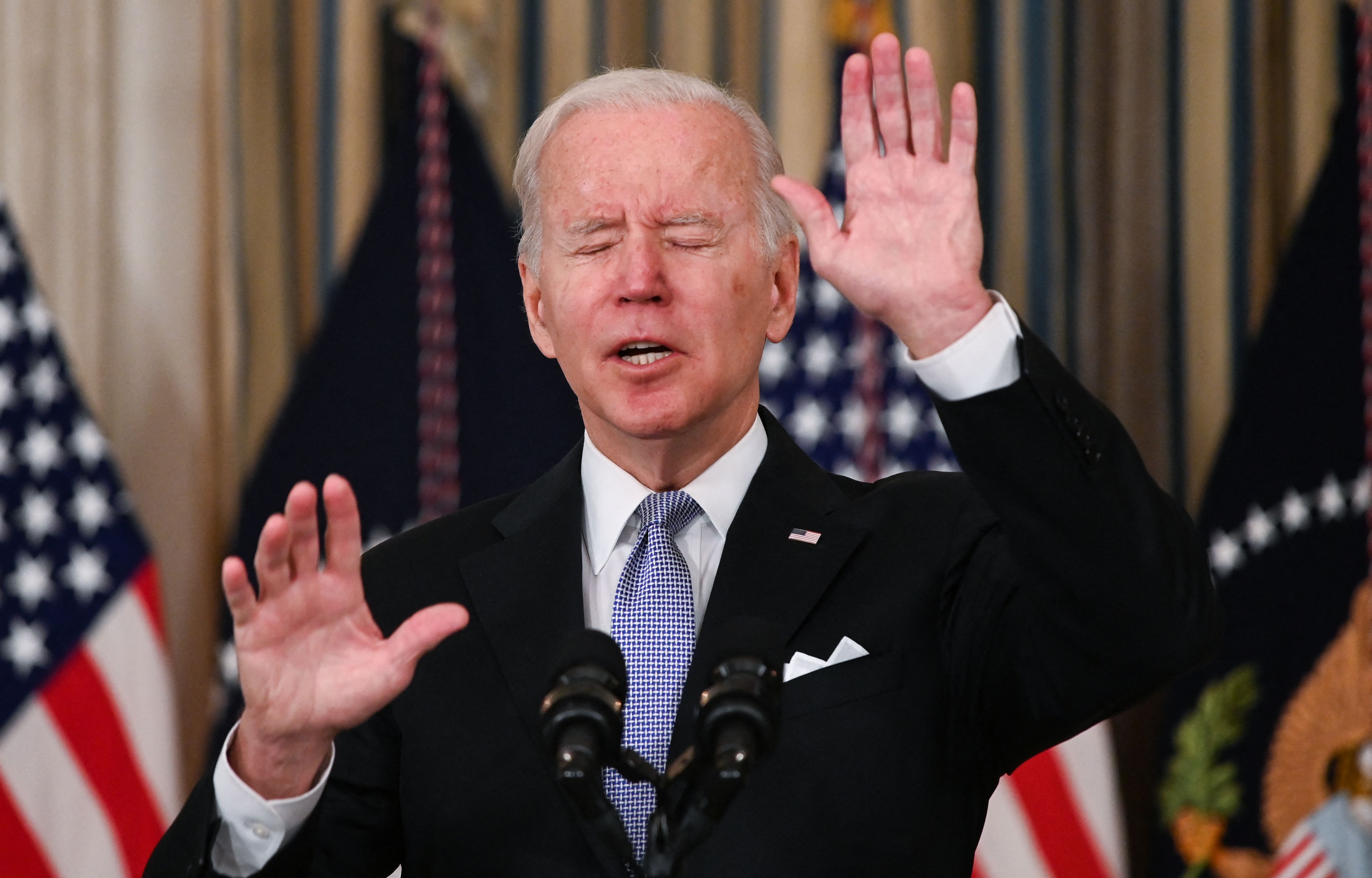
President Biden told reporters he'd take one last question during yesterday's celebration of House passage of the infrastructure bill, then closed his eyes and said: "You can decide who I’m pointing to."
5. How majority-Black cities cut crime
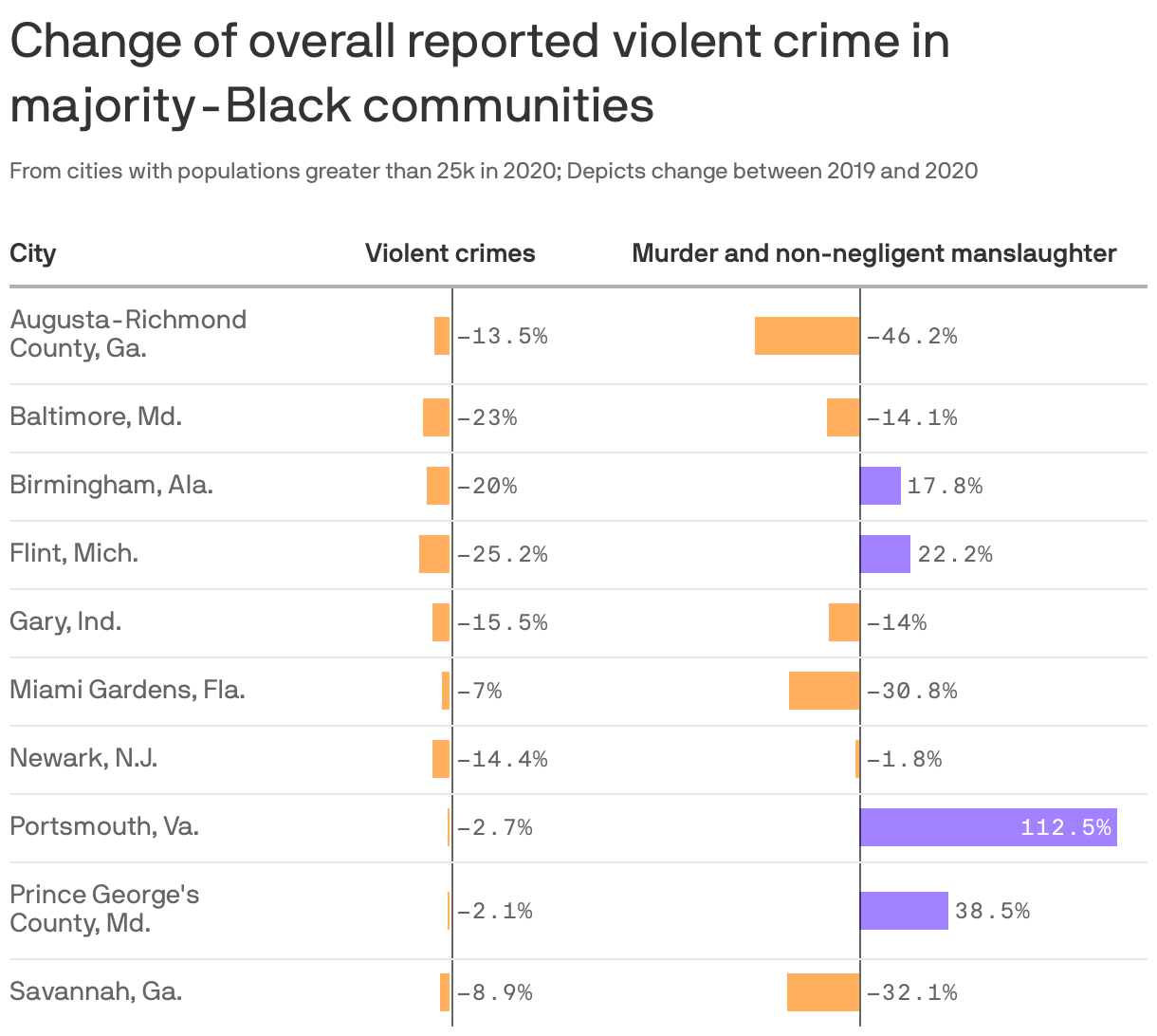
Nearly half of America's medium- and smaller-sized communities with majority Black populations saw drops last year in violent crime despite the national jump, Axios Russell Contreras reports.
- Why it matters: The trend paints a more nuanced picture about how COVID and racial justice protests changed crime and policing, from Newark to Baltimore to Gary, Indiana.
Axios reviewed recent FBI crime data, the 2020 census and, where available, state police statistics for 23 majority-Black communities with populations of more than 25,000.
- The data show that in 10 of those, overall violent crime declined compared with the year before. (In four of those 10, however, the murder rate rose.)
What works: The communities used a variety of techniques, from revamped training to changes in prosecutions to social spending experiments.
- Police in Newark increased officer training in 2020 and used the Newark Community Street Team, a group made up of former offenders, to defuse unrest during racial justice protests. Newark police did not fire a shot in 2020.
- The city of Gary started moving residents out of high-rise public housing and into other affordable housing options. The city this year began a pilot program guaranteed-income program for 500 residents.
6. Future of war: Drone pierces Green Zone
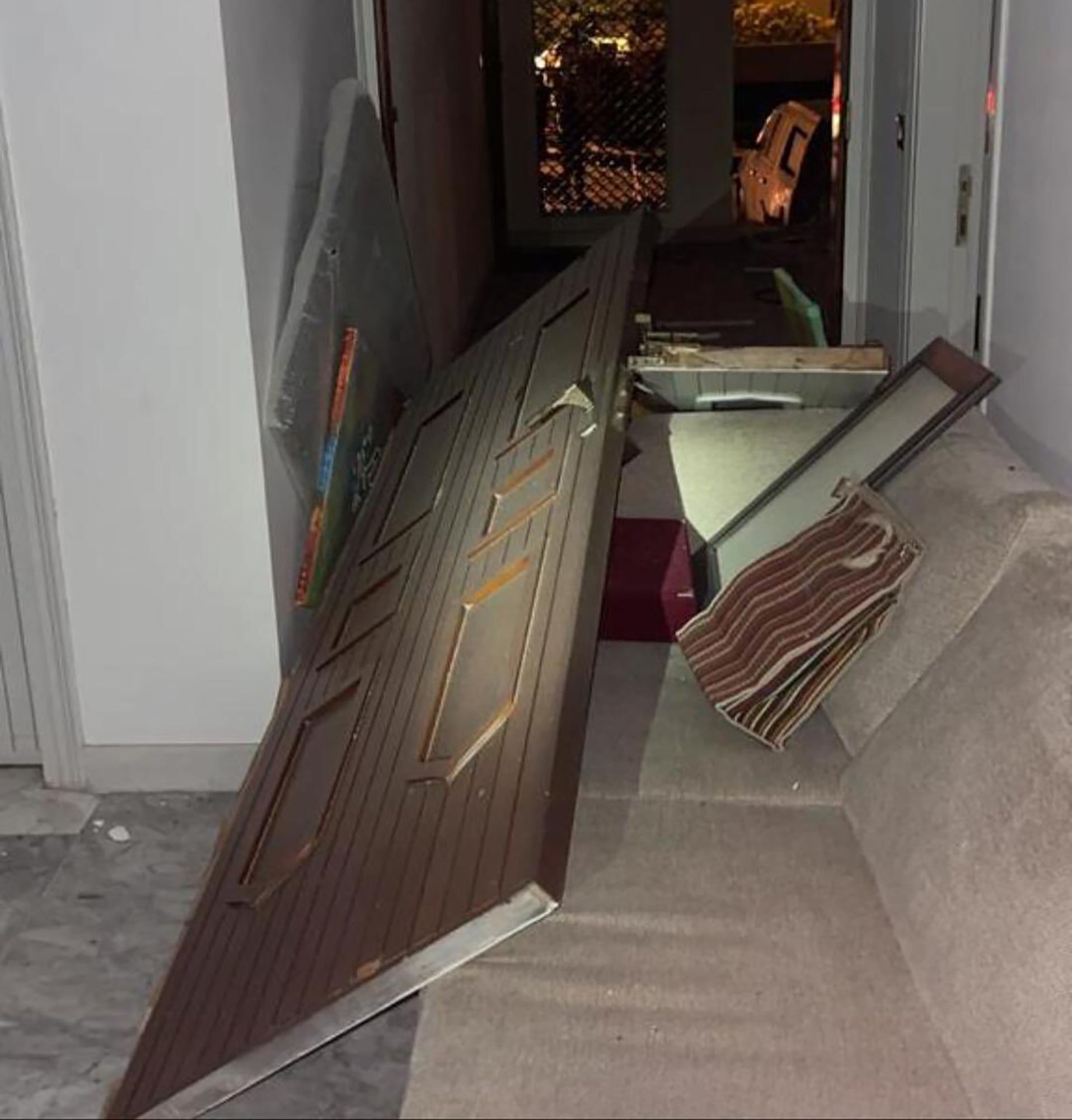
Iraq Prime Minister Mustafa al-Kadhimi escaped unharmed in an assassination attempt by armed drones in the heavily fortified Green Zone in Baghdad, Reuters reports.
- Why it matters: Terrorist groups have been using aerial drones for intelligence gathering and explosive delivery. Experts have long warned that state and non-state actors will put the U.S. and its allies in their crosshairs, Axios' Jennifer Koons tells me.
Kadhimi appeared today in video footage, chairing a meeting with top security commanders to discuss the drone attack.
- At least six members of Kadhimi's protection force, stationed outside his residence, were wounded.
What happened: Two drones were intercepted and downed by security forces. A third hit the residence.
- No one claimed responsibility. Suspicion fell on Iran-backed militias who had been publicly attacking Kadhimi.
7. Chaos preceded Houston calamity
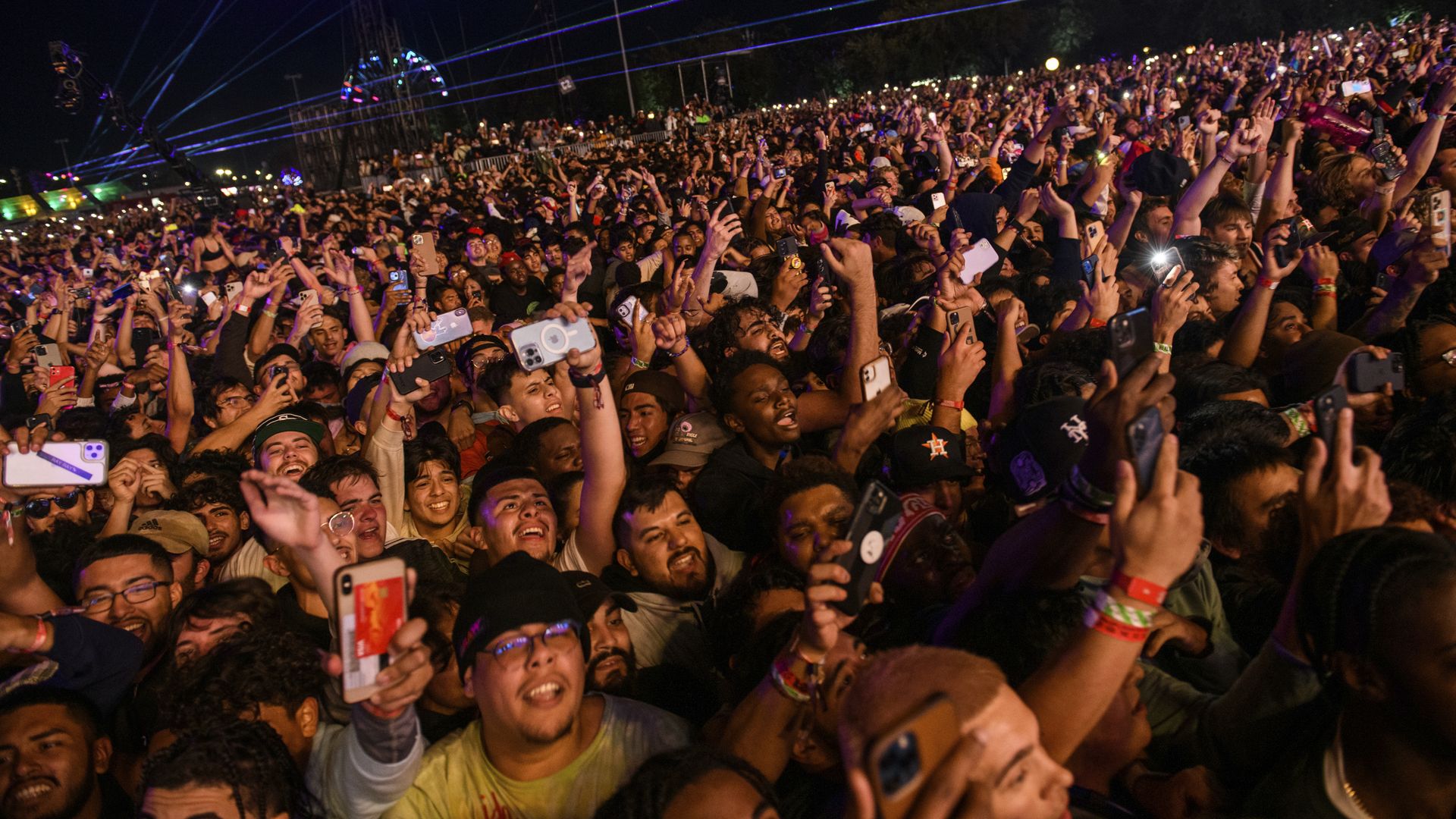
The crowd watches Travis Scott ahead of Friday's mayhem. Photo: Jamaal Ellis/Houston Chronicle via AP
Houston authorities will watch video, interview witnesses and review concert planning as they investigate how eight people died in a surge toward the stage where rapper Travis Scott was performing, AP reports.
- An estimated 50,000 people attended the Friday night festival. Based on fire codes, the venue could have held 200,000 people.
- Houston Police Chief Troy Finner said his department noticed attendees "going down" at 9:30 p.m. and immediately notified concert organizers. The event was called off 40 minutes later.
Concertgoer Niaara Goods said she was so desperate to get out that she bit a man on the shoulder to get him to move.
- Amy Harris, a freelance photographer for AP, described an "aggressive" crowd atmosphere throughout the day, with fans rushing stage barricades and VIP areas.
8. Parting shot
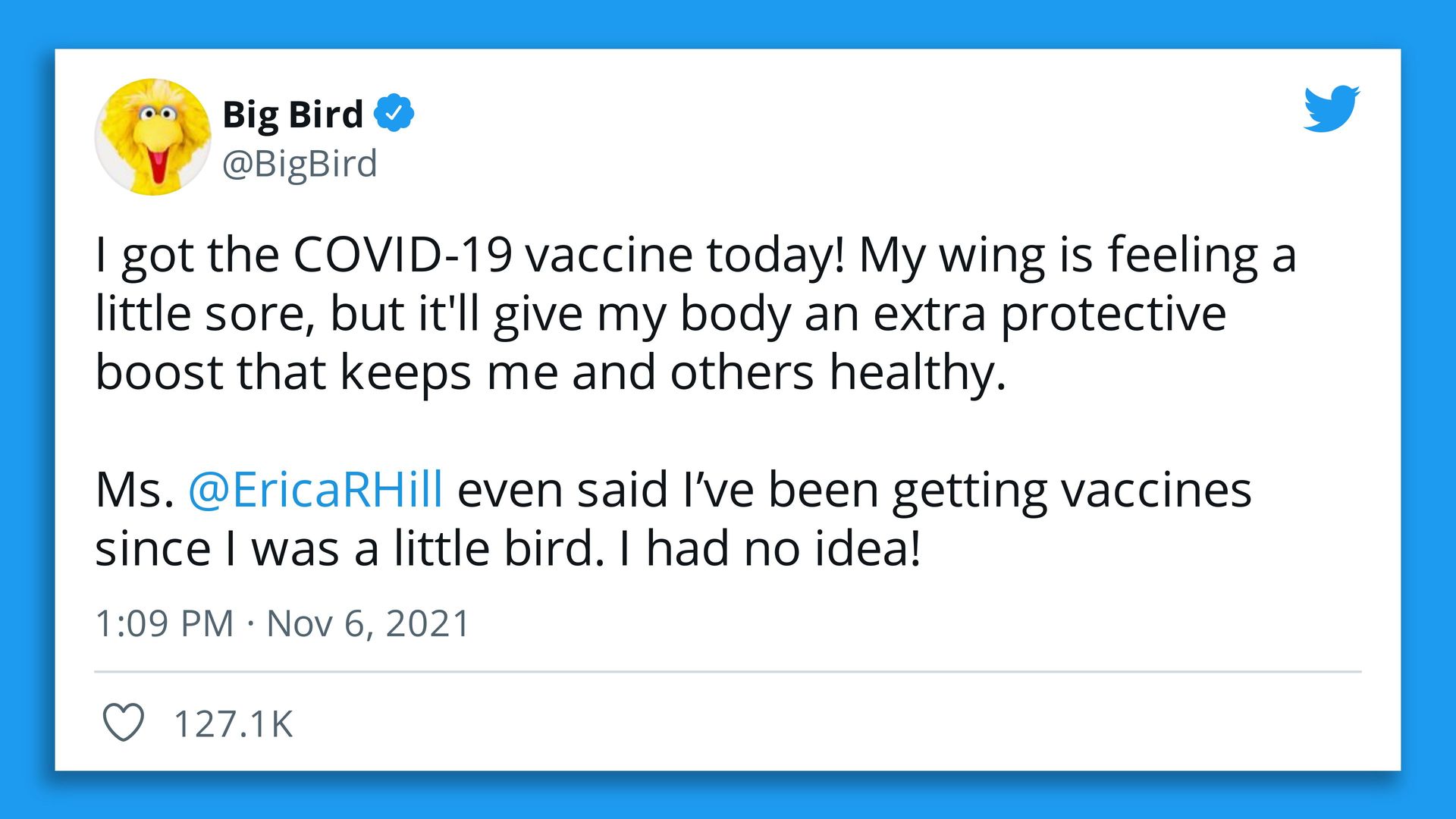
With the CDC now recommending COVID vaccines for kids 5-11, Big Bird tweeted (!) this after a "Sesame Street" town hall on CNN yesterday with Erica Hill and Dr. Sanjay Gupta.
📬 Was this email forwarded to you? Sign up here for your own copy of Axios AM and Axios PM.
Sign up for Axios AM

Catch up with the most important news of the day