Axios AM

May 18, 2025

1 big thing: Trump's Gulf gamble
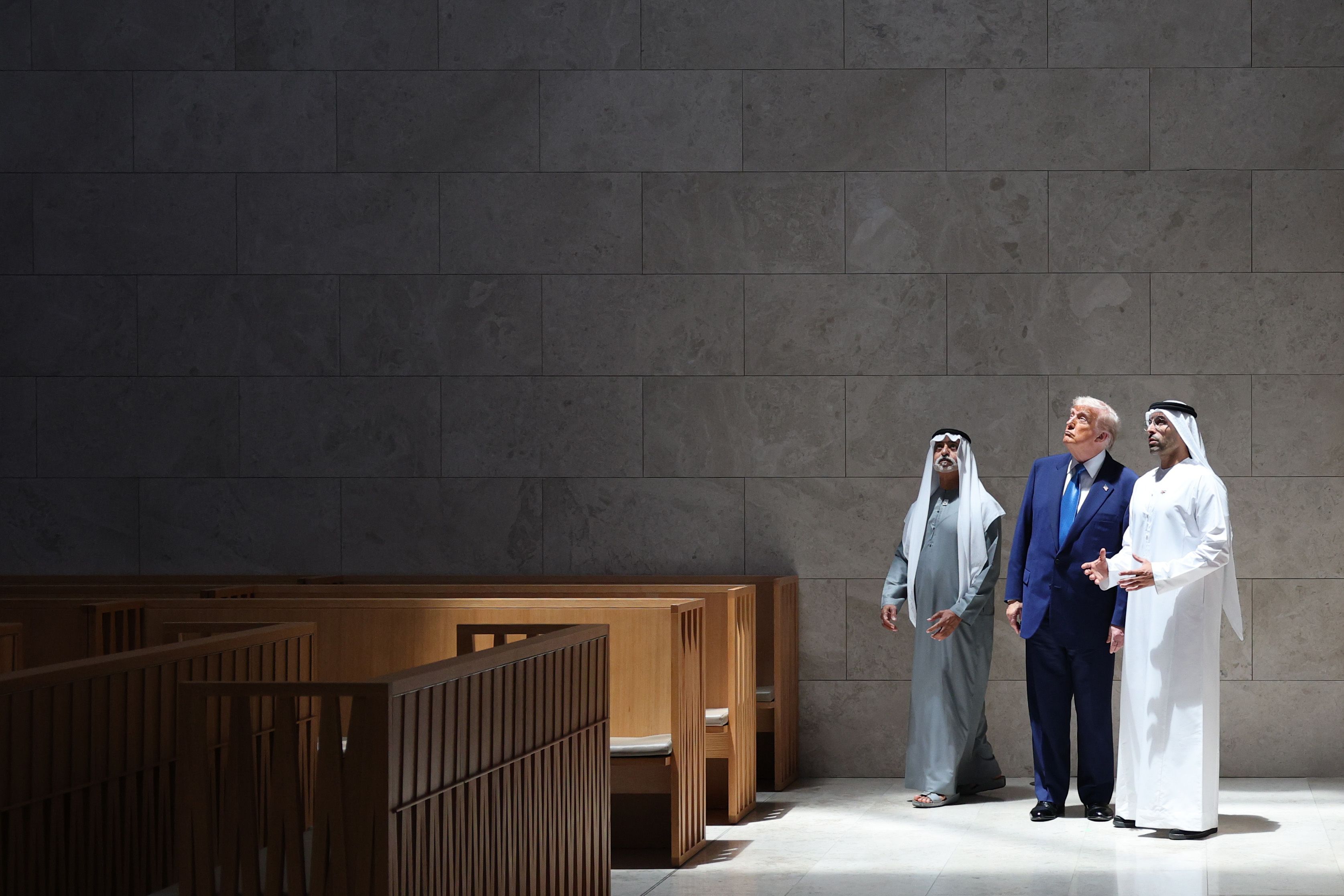
The enduring legacy of President Trump's trip to the Gulf may be the transformation of the Middle East into a global AI powerhouse, despite massive risks to the U.S., Axios' Alison Snyder and Dave Lawler report.
- Why it matters: The Biden administration saw the Gulf as a backdoor for China to gain access to the computing power needed to advance AI. President Trump and the tech CEOs who joined him in the Middle East see a chance for multibillion-dollar deals.
In deal after deal announced over the week, Trump opened the door for the Gulf to obtain the world's most advanced AI chips.
- 🇸🇦 In Saudi Arabia, Trump and tech leaders from AMD, Amazon and other companies announced AI-related partnerships worth billions of dollars with a new Saudi-state-backed AI infrastructure startup called Humain. Nvidia said it will ship 18,000 of its cutting-edge AI chips for a 500-megawatt data center Humain is building.
- 🇦🇪 In the UAE, Trump and Emirati President Mohammed bin Zayed said the two countries will partner to build the largest AI data center outside the U.S., in Abu Dhabi.
Trump's AI czar, David Sacks, called the deals a "game-changer in the global AI race."
- "The alternative to this framework was to exclude critical geo-strategic, resource-rich friends and allies from our AI ecosystem. This was the Biden policy, and it was foolish in the extreme," Sacks added.
- The White House says last week's announcement by Saudi Arabia, Qatar and UAE is part of a "Trump Effect" bringing the U.S. "a surge of private and foreign investment."
🔭 The big picture: The UAE and Saudi Arabia have leaders desperate to make their kingdoms high-tech powers, and deep pockets and abundant energy needed to develop AI. Now, with Trump's help, they'll also have the chips.
- Current and former U.S. officials worry China's biggest AI players — or even its military — will be able to access advanced AI chips they can't legally import into China by deepening partnerships in Gulf states, where Beijing enjoys extensive economic and security ties.
The other side: A group of Democratic lawmakers argued on Friday that Trump announced the deals "pose a significant threat to U.S. national security and fundamentally undermine bipartisan efforts to ensure the United States remains the global leader in AI. Rather than putting America first, this deal puts the Gulf first."
- The bipartisan House Select Committee on the Chinese Communist Party introduced new legislation "to stop advanced U.S. AI chips from falling into the hands of adversaries like the Chinese Communist Party."
👀 The flipside: The White House insists it can safeguard U.S. tech while pursuing these multibillion-dollar deals.
- The Department of Commerce — which will have to approve some of the deals — said the tech cooperation will meet "robust U.S. security standards and other efforts to responsibly deploy AI infrastructure, both in the UAE and globally."
Between the lines: Some policymakers and firms like Nvidia and Microsoft have argued that overly arduous restrictions risk ceding the field to China, undercutting U.S. AI preeminence rather than bolstering it.
- Under Biden, those business considerations were often trumped by security concerns. The White House asserts the U.S.-UAE AI agreement ensures "U.S. security interests and dominance in AI while extending the American tech stack to an important strategic partner."
2. 🛒 Trump demands Walmart "eat the tariffs"

President Trump went after Walmart yesterday over its plan to raise prices in the face of tariffs, blasting the move on Truth Social and demanding it absorb the costs instead.
- Why it matters: The White House, facing the risk of tariff-driven inflation, has turned to publicly threatening retailers to keep prices in check, Axios managing editor for business Ben Berkowitz reports.
🔎 Between the lines: Last weekend, Commerce Secretary Howard Lutnick ridiculed what he called "silly arguments" that consumers would pay higher prices due to tariffs.
- Only four days later, the nation's largest retailer said that was exactly what they'd do.
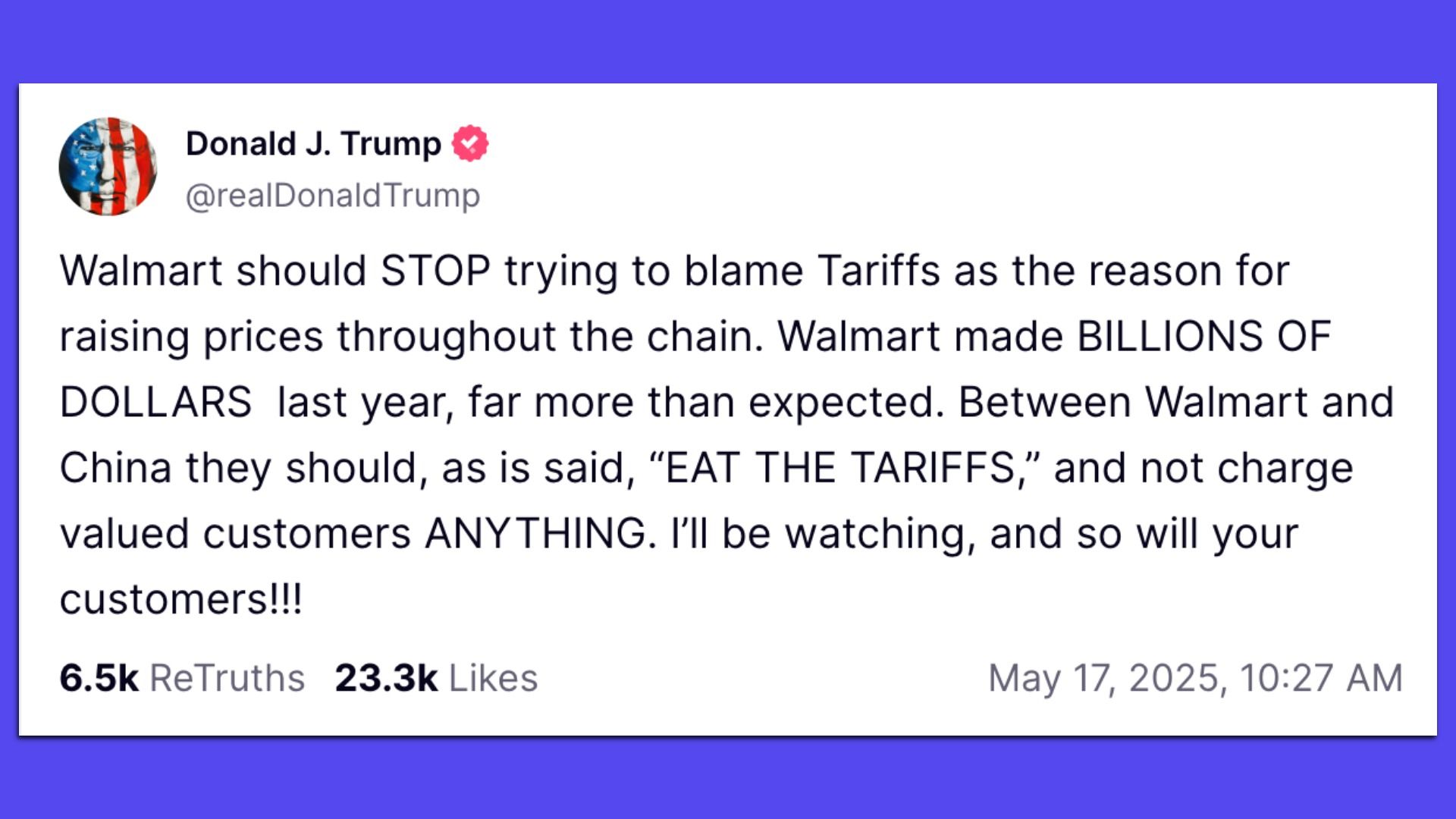
The latest: Treasury Secretary Scott Bessent, in a CNN interview this morning, said he spoke to Walmart CEO Doug McMillon yesterday to "understand what he had to say." (Bessent did not say if they spoke before or after Trump's Truth Social post.)
- Bessent said it was his understanding Walmart would absorb some tariff costs, but that "some may get passed on to consumers."
🛍️ What to watch: Walmart didn't say this week precisely when prices would rise, how much, or exactly on what, leaving it some wiggle room — though the changes are expected to start showing up in the next couple of weeks.
- "We have always worked to keep our prices as low as possible and we won't stop. We'll keep prices as low as we can for as long as we can, given the reality of small retail margins," a Walmart spokesperson told Axios.
3. 🕯️ Tornadoes, storms strike U.S.
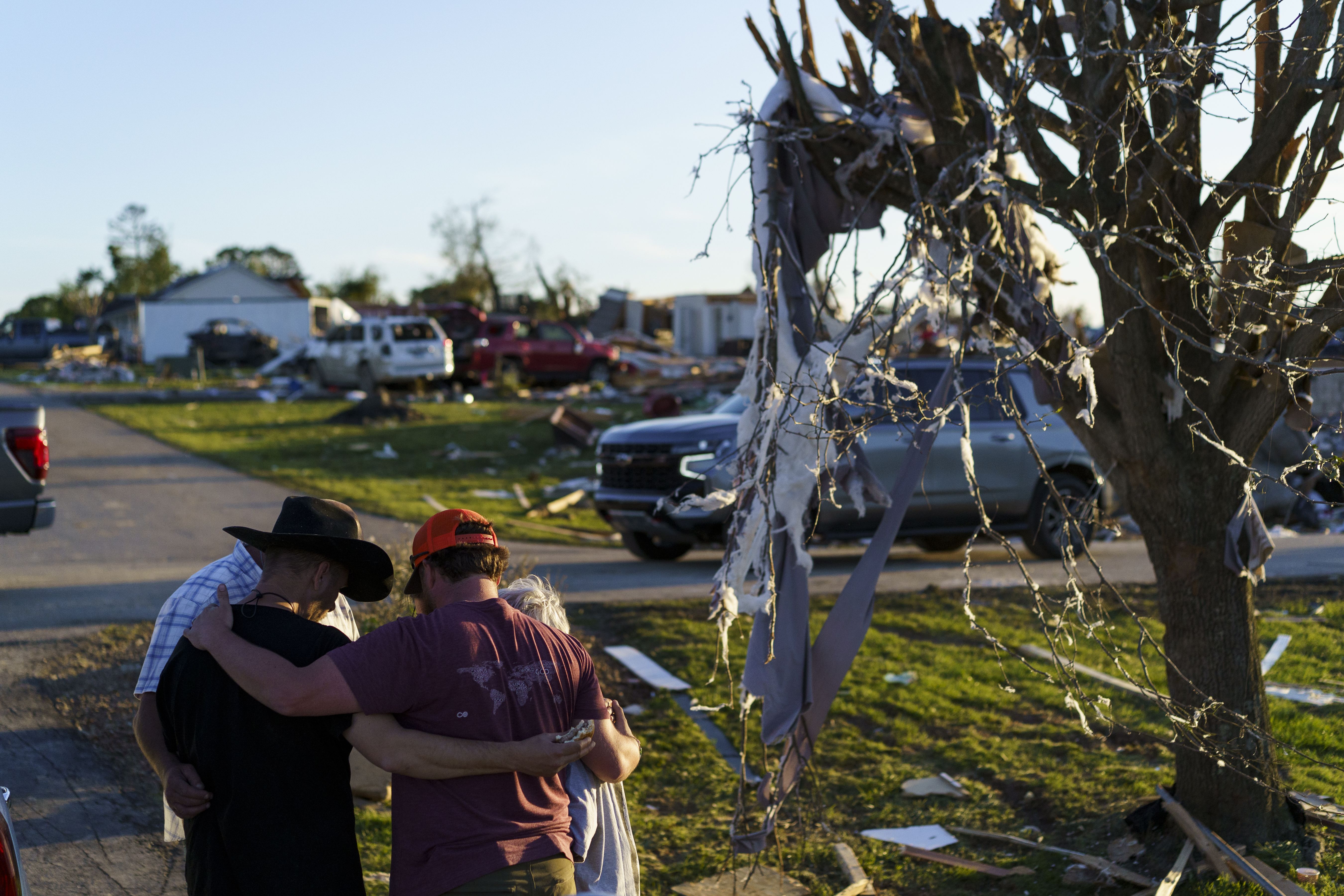
At least 27 people have been killed by storm systems that swept across part of the U.S. Midwest and South.
- Kentucky Gov. Andy Beshear announced yesterday that 18 of the deaths occurred in his state and 10 others were hospitalized in critical condition. "We need the whole world right now to be really good neighbors to this region," he said.
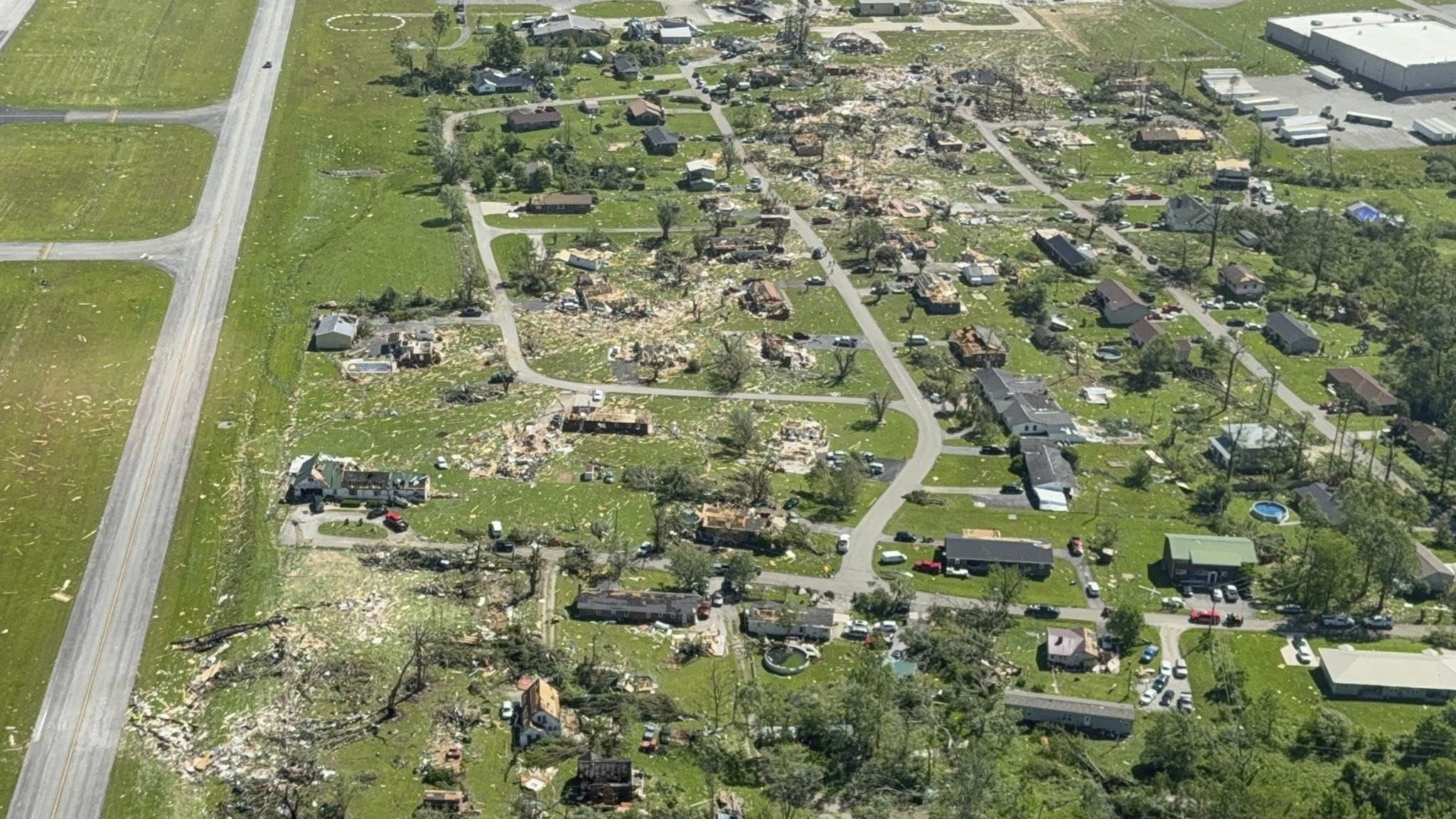
About 1,200 tornadoes strike the U.S. annually, and they have been reported in all 50 states over the years, AP reports.
- Researchers found in 2018 that deadly tornadoes were happening less frequently in the traditional "Tornado Alley" of Oklahoma, Kansas and Texas and more frequently in parts of the more densely populated and tree-filled mid-South area.
The latest Kentucky storms were part of a weather system Friday that killed seven in Missouri and two in northern Virginia, authorities said.
- The system also spawned tornadoes in Wisconsin, brought a punishing heat wave to Texas, and temporarily enveloped parts of Illinois — including Chicago — in a pall of dust on an otherwise sunny day.
4. 🚨 Brooklyn Bridge collision
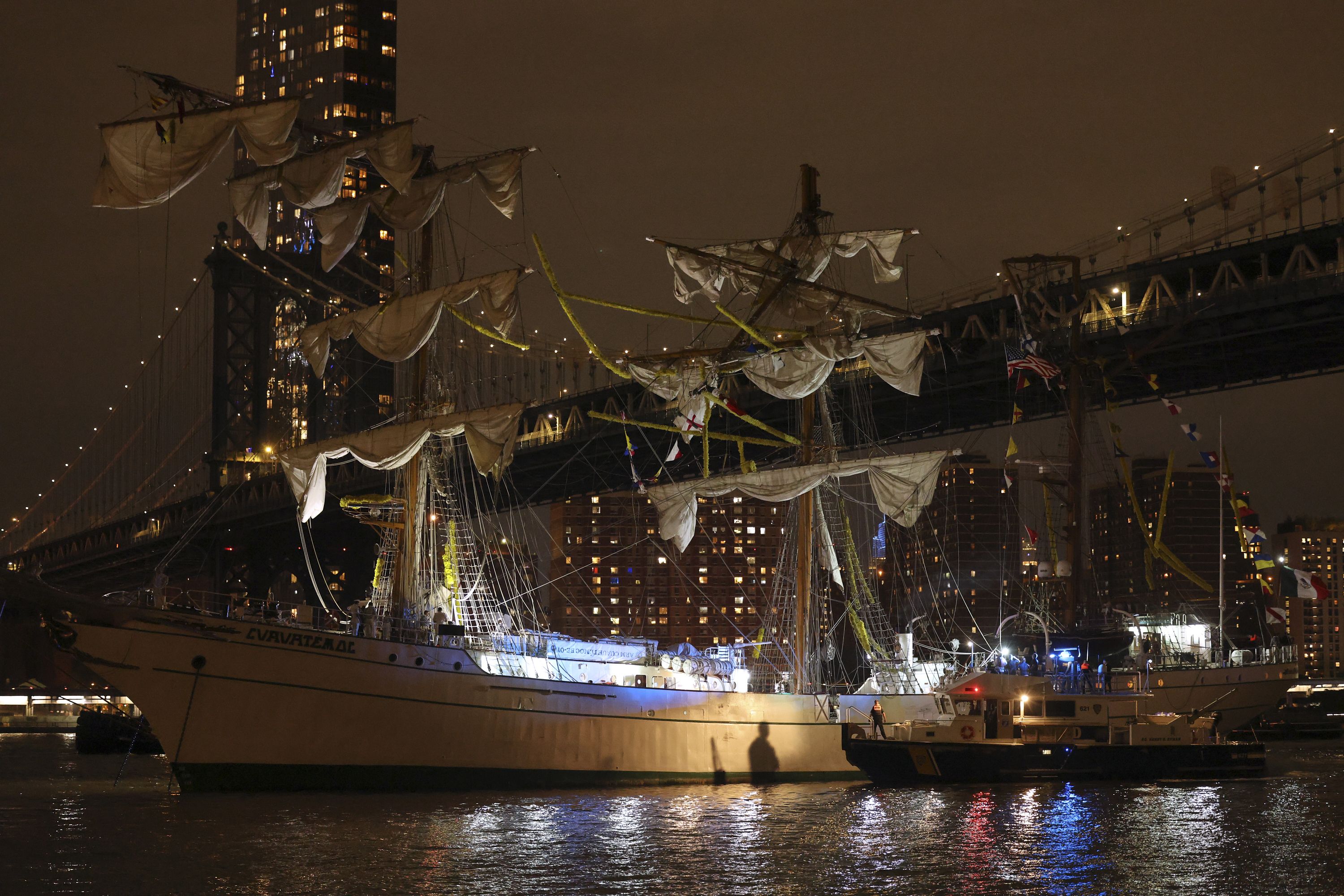
Onlookers were stunned yesterday when the mast of a Mexican Navy training ship crashed into the underside of the Brooklyn Bridge, killing two crew members.
- At least 22 others were injured on board, the Mexican Navy said in a statement. No one on the bridge, which is now open, was reported injured, AP reports.
Ydanis Rodriguez, the commissioner of the New York City Department of Transportation, said the latest information is that there was no damage to the 142-year-old Brooklyn Bridge, The New York Times reports (gift link).
- New York City Mayor Eric Adams said on X that the ship lost power before the crash.
5. 📺 Axios briefing: Streaming's new pitch

Streaming services are shifting to promoting the quality of their programming instead of the sheer quantity of it, Axios' Kerry Flynn and Sara Fischer report in an exclusive Axios Media Trends Executive Briefing.
- "No consumer today is saying they want more content, but most consumers are saying they want better content," JB Perrette, CEO and president of global streaming and games for Warner Bros. Discovery, said last week at the industry's "upfront" presentations.
👀 Between the lines: The industry is under pressure to control costs and show that fewer, higher-impact titles can deliver.
The other side: Netflix's pitch to potential customers has always relied heavily on the breadth of its offerings, and that isn't changing.
- 2025 is expected to be a big year with "Squid Game," "Wednesday" and "Stranger Things" returning, said Amy Reinhard, Netflix's president of advertising.
To go deeper, subscribe to Axios Media Trends Executive.
6. Trump's New York state of mind
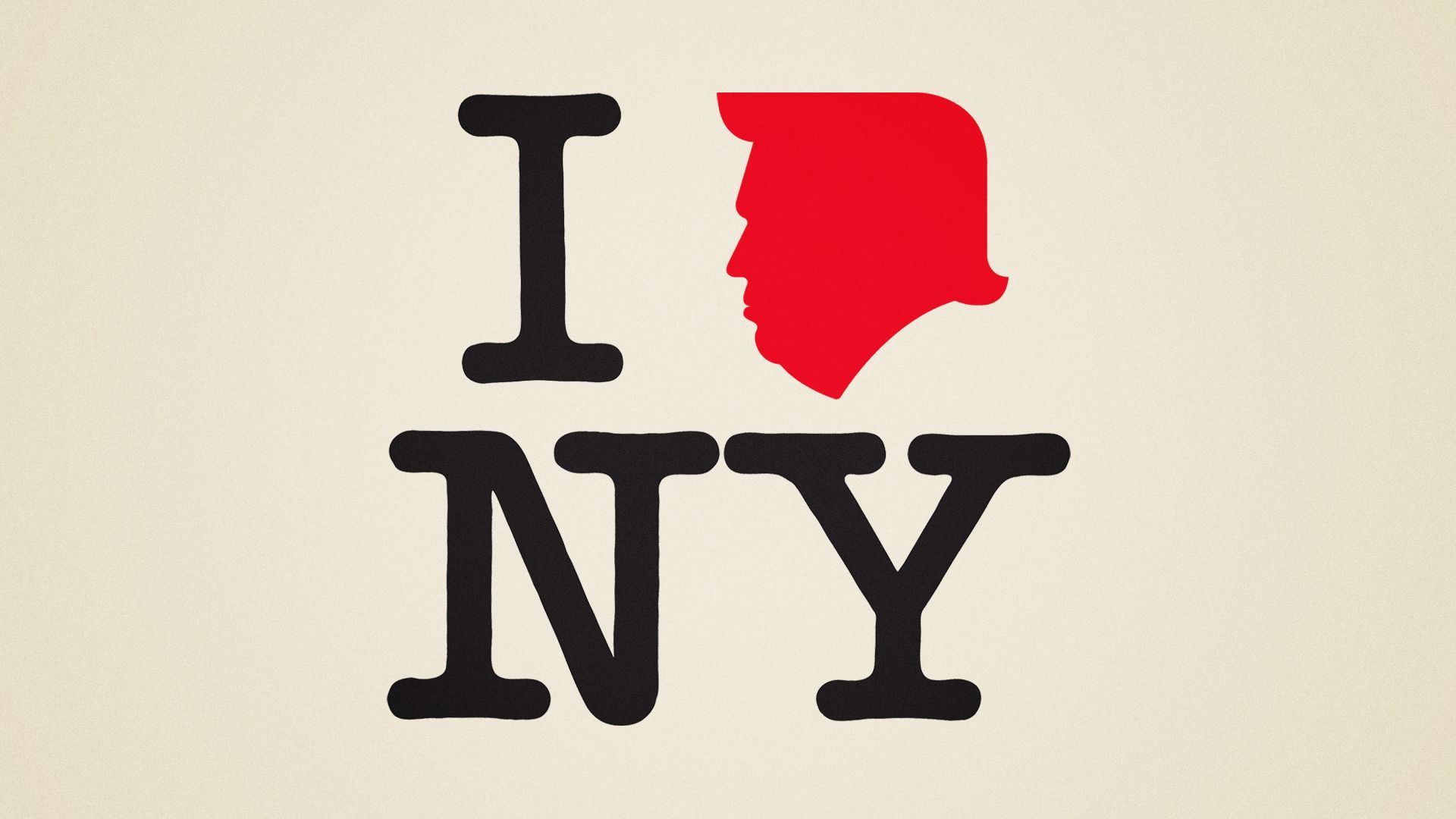
7. 🏖️ Vacation tax

8. ✈️ 1 for the road

Stunning snap: Qatari jets escort Air Force One into Doha.
Axios AM