Axios AM

April 19, 2025

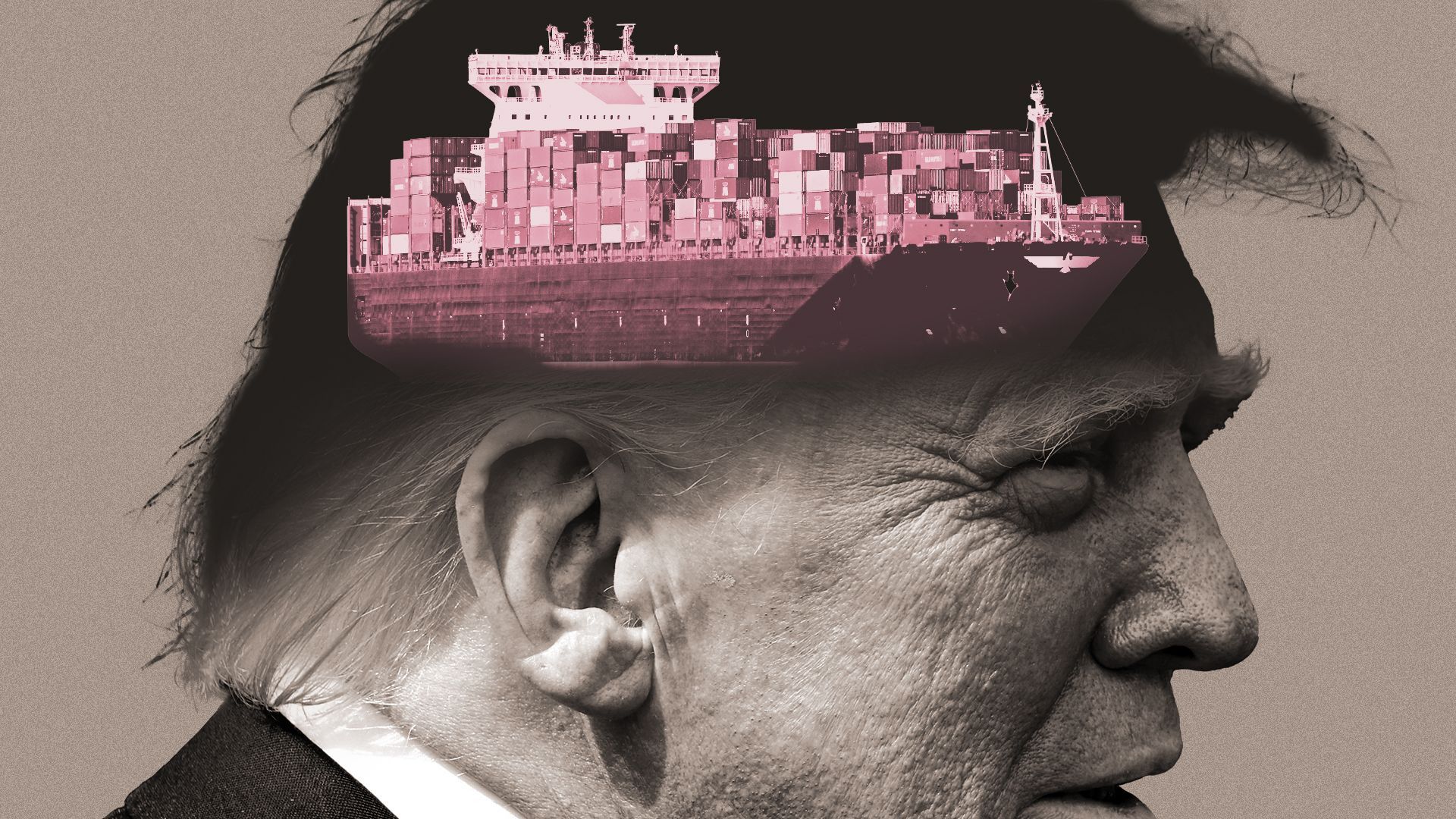
1 big thing: Trump's tariff brain
2. 🎓 Wait, what?! Harvard MISTAKE?!
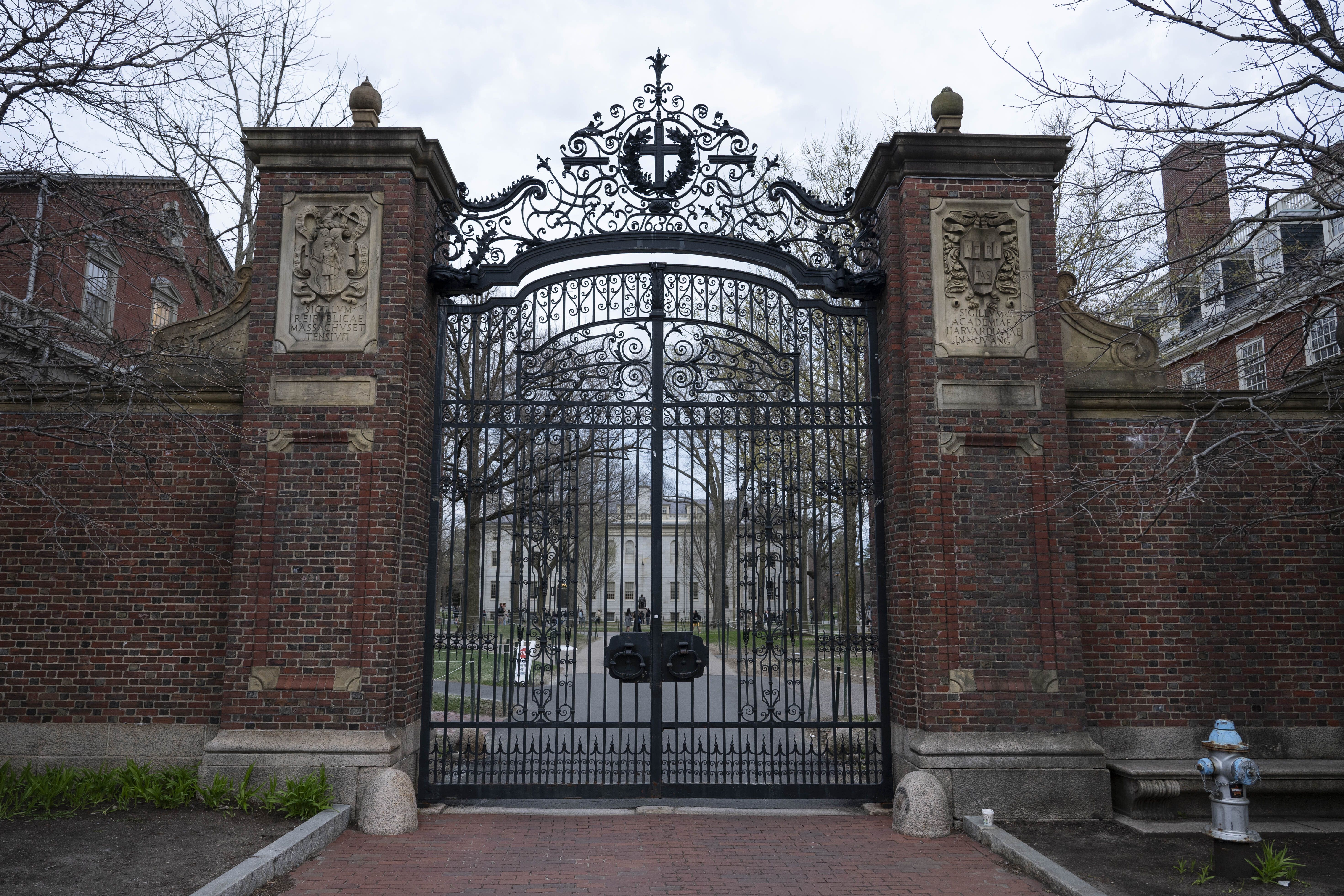
A Trump official frantically told Harvard that a three-page demand letter — which provoked a tectonic battle between the administration and the university — shouldn't have been sent and was "unauthorized," the N.Y. Times' Mike Schmidt and Michael Bender report (gift link).
- Three sources tell The Times the letter's contents were authentic, "but there were differing accounts inside the administration of how it had been mishandled."
- "Some people at the White House believed it had been sent prematurely," The Times says. "Others in the administration thought it had been meant to be circulated among [antisemitism] task force members rather than sent to Harvard."
🤯 In a statement to Axios, a Harvard spokesperson pointed out that the letter "was signed by three federal officials, placed on official letterhead, was sent from the e-mail inbox of a senior federal official, and was sent on April 11 as promised. Recipients of such correspondence from the U.S. government — even when it contains sweeping demands that are astonishing in their overreach — do not question its authenticity or seriousness."
- "More importantly," the statement adds, "since then, the Administration has frozen $2.2 billion in funding, issued stop-work orders on contracts, begun considering revocation of Harvard's 501(c)(3) tax-exempt status, and initiated numerous investigations of Harvard's operations. Even assuming the Administration now wishes to take back its litany of breathtakingly intrusive demands, it appears to have doubled down on those demands through its deeds in recent days. Actions speak louder than words."
- "It remains unclear to us exactly what, among the government's recent words and deeds," the statement continues, "were mistakes or what the government actually meant to do and say. But even if the letter was a mistake, the actions the government took this week have real-life consequences on students, patients, employees, and the standing of American higher education in the world."
A senior White House official told The Times that the administration stands by the April 11 letter. "It was malpractice on the side of Harvard's lawyers not to pick up the phone and call the members of the antisemitism task force who they had been talking to for weeks," said May Mailman, the White House senior policy strategist. "Instead, Harvard went on a victimhood campaign."
- Mailman said there's a potential pathway to resume discussions if, among other measures, Harvard apologizes to students for past antisemitism on campus.
Read the article ... Read the administration letter ... Harvard public response ... Harvard legal response.
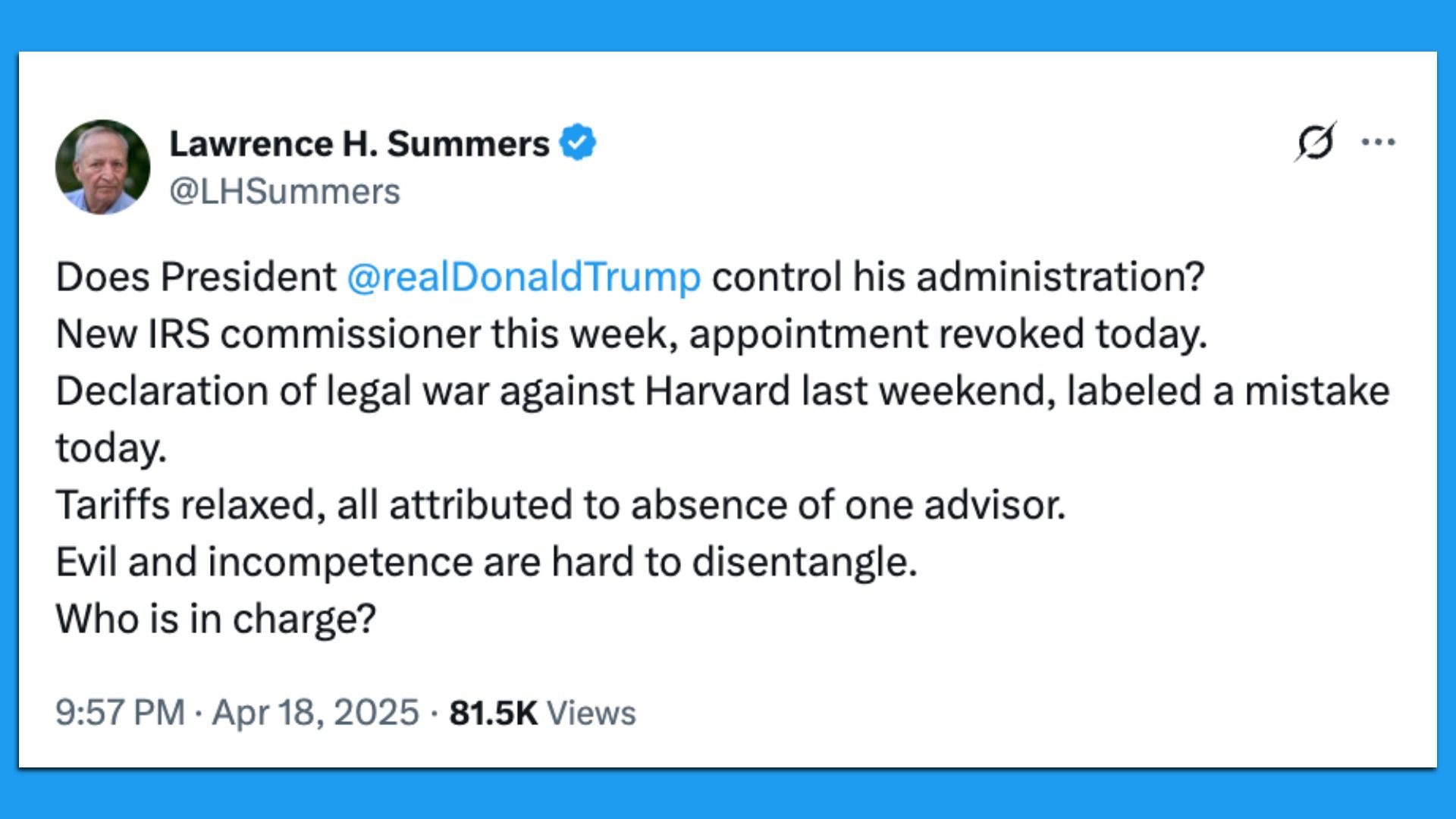
Less than an hour after the NYT bombshell, former Treasury Secretary Larry Summers — Harvard president from 2001-2006, and president emeritus — tweeted about the Trump administration: "Who is in charge?"
- Summers' tweet points to yesterday's revelation that the IRS now has its fourth leader since President Trump took office. (Today is Day 90.)
- Summers also notes yesterday's report by The Wall Street Journal that Treasury Secretary Scott Bessent and Commerce Secretary Howard Lutnick got Trump to agree to a tariff pause by racing into the Oval Office while Peter Navarro — Trump's tariff-loving trade adviser, "who was constantly hovering around the Oval Office" — was meeting with economic adviser Kevin Hassett in a different part of the White House.
Gift link to Wall Street Journal story, "Trump Advisers Took Advantage of Navarro's Absence to Push for Tariff Pause."
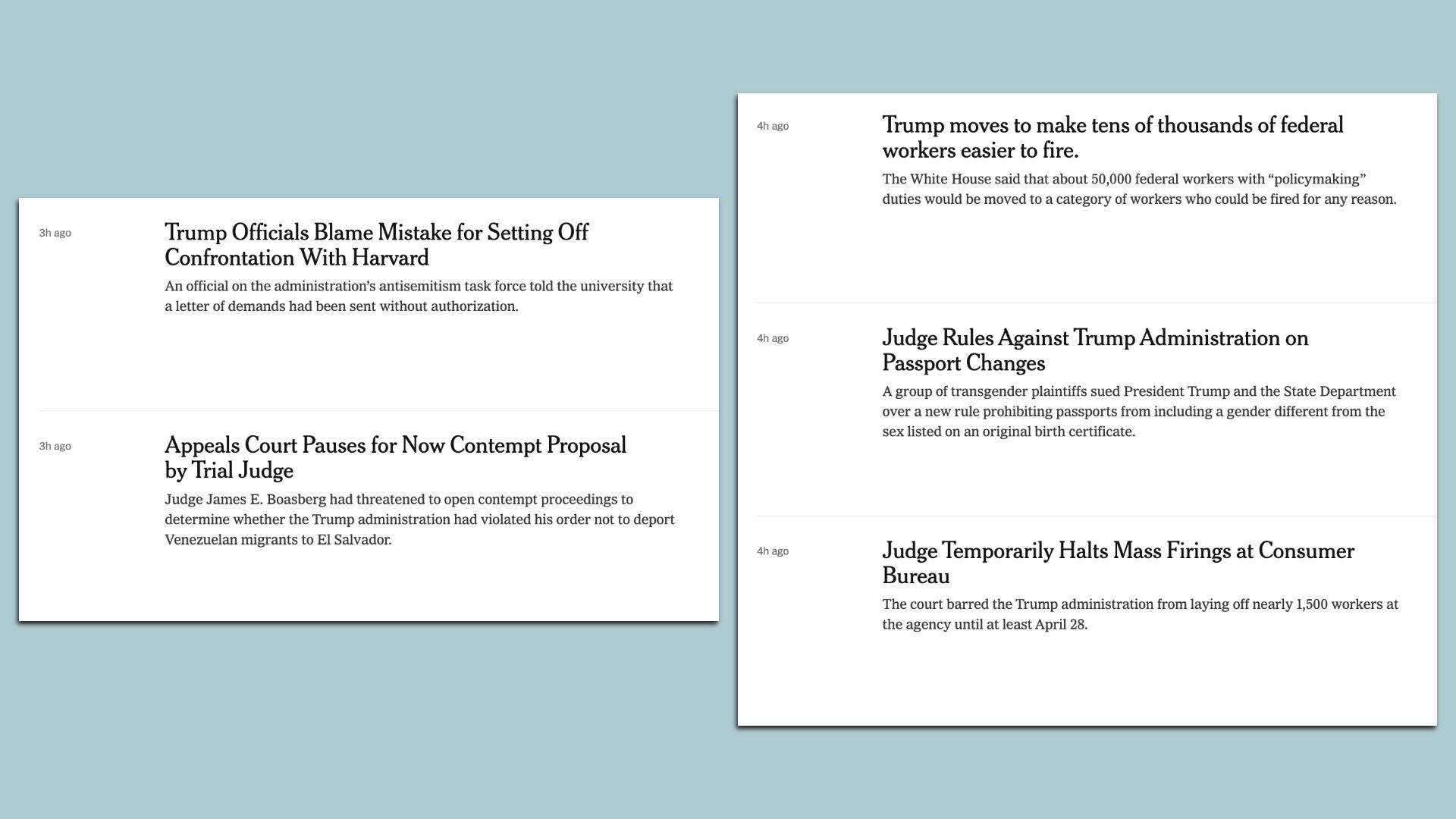
It's not your imagination: Here's just two hours in Trump yesterday, via The New York Times.
3. 🔎 U.S.-Iran nuclear talks underway
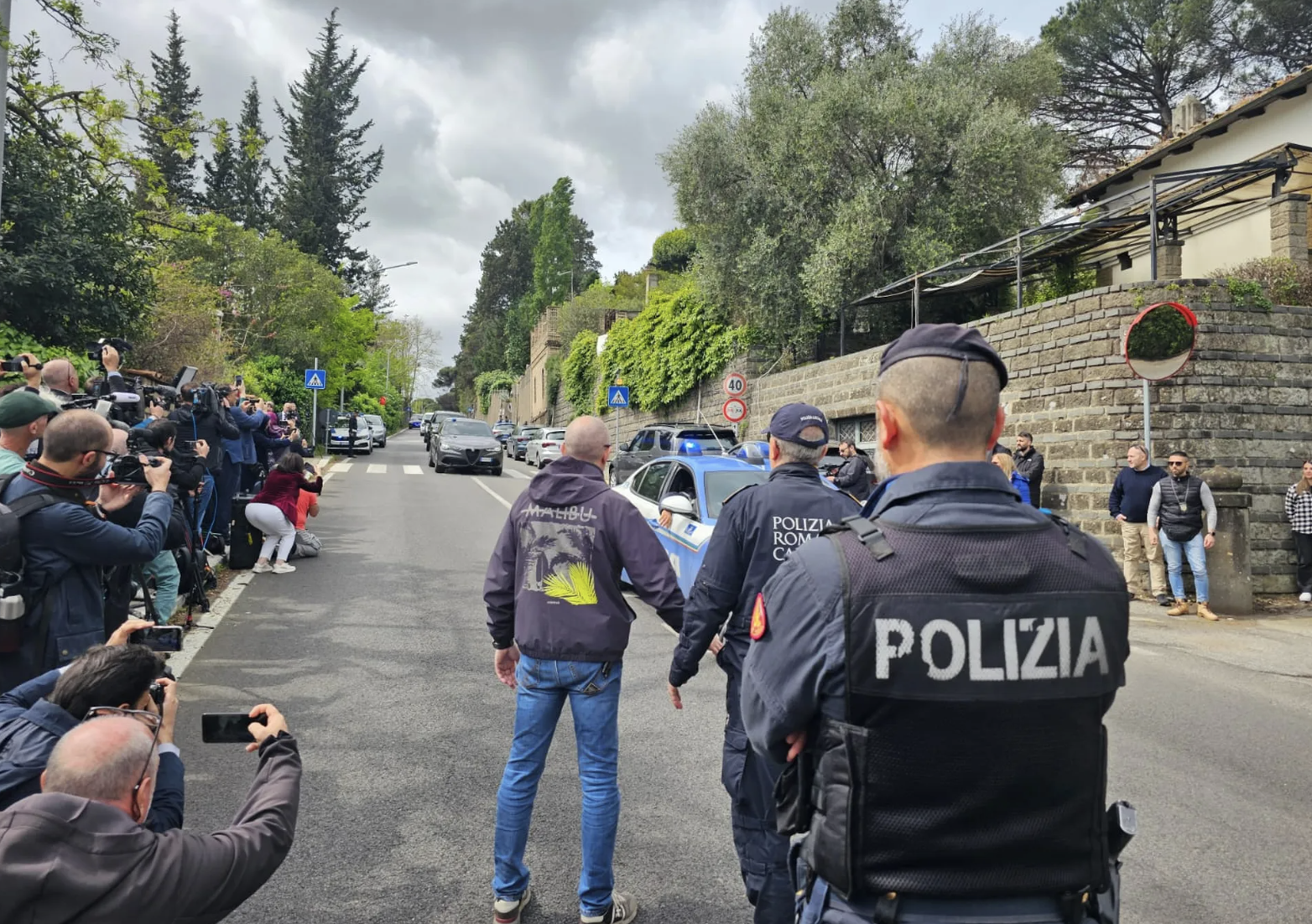
ROME — A second round of U.S.-Iran nuclear talks are underway with President Trump's envoy Steve Witkoff and Iranian Foreign Minister Abbas Araghchi leading the delegations, Axios' Barak Ravid reports from Italy.
- Why it matters: The talks are taking place with debate still raging within the Trump administration — and between the U.S. and Israel — over whether diplomacy or military strikes are more likely to prevent Tehran from obtaining a bomb.
👀 For now, Trump is holding back the hawks, including Israeli Prime Minister Benjamin Netanyahu, and focusing on getting a deal.
- "I want Iran to be great and prosperous and terrific. But they can't have a nuclear weapon. And if they have a nuclear weapon, you'll all be very unhappy because your life will be in great danger," Trump told reporters in the Oval Office yesterday.
⚡ Being there: The talks started shortly before noon local time at the residence of the Omani ambassador in Rome's quiet diplomatic quarter.
- Dozens of reporters gathered in the narrow street in front of the Omani diplomatic compound.
4. 🇻🇦 Vance at the Vatican
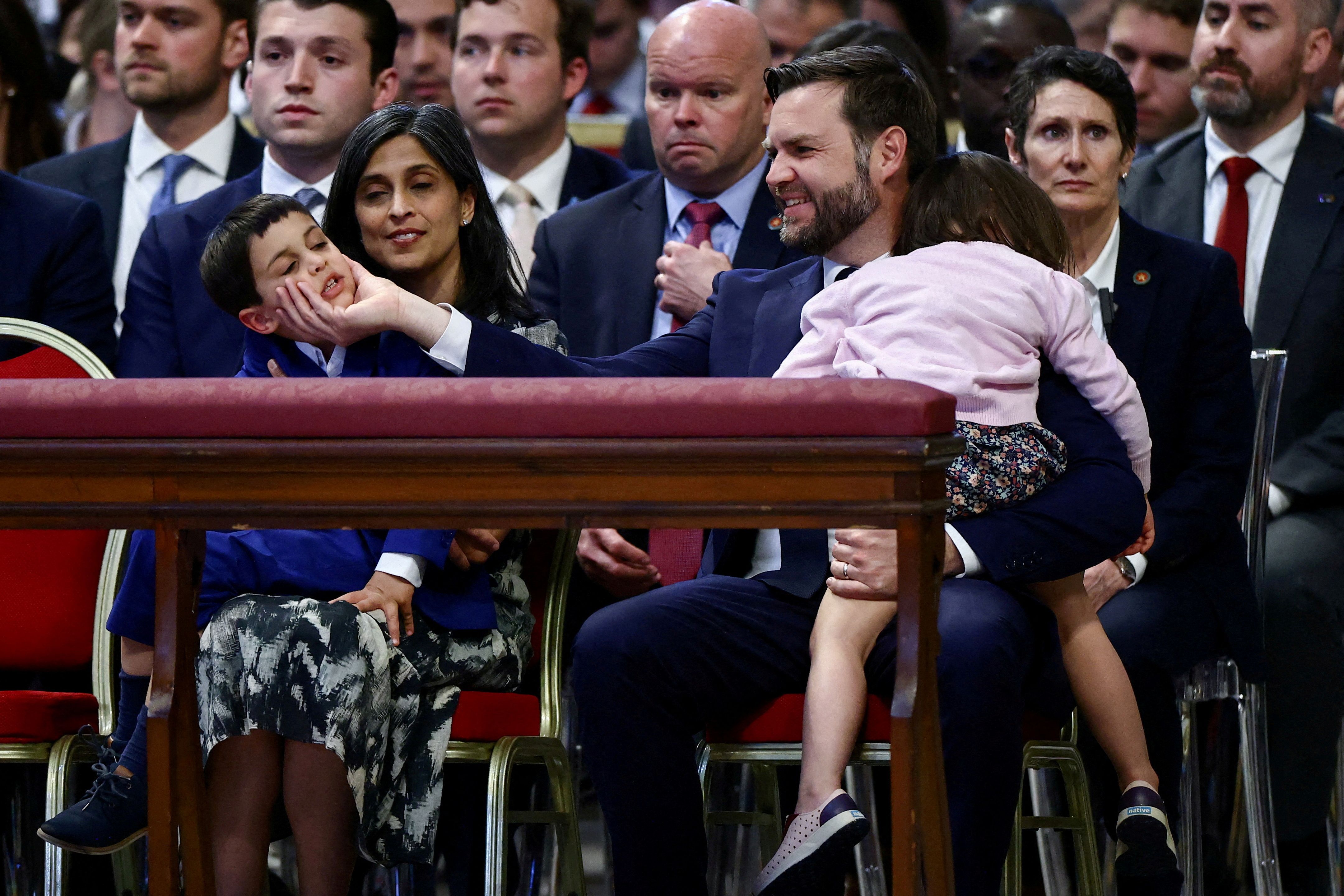
Vice President Vance — who's in Italy for tariff talks, and is a Catholic convert — stopped by the Vatican for Good Friday services.
- "I'm grateful every day for this job, but particularly today where my official duties have brought me to Rome on Good Friday," the VP posted on X.
Vance in January defended America First precepts by citing a concept from medieval Catholic theology known in Latin as ordo amoris, delineating a hierarchy of care — to family first, followed by neighbor, community, fellow citizens and lastly those elsewhere. Keep reading.
5. 💒 Pricier weddings

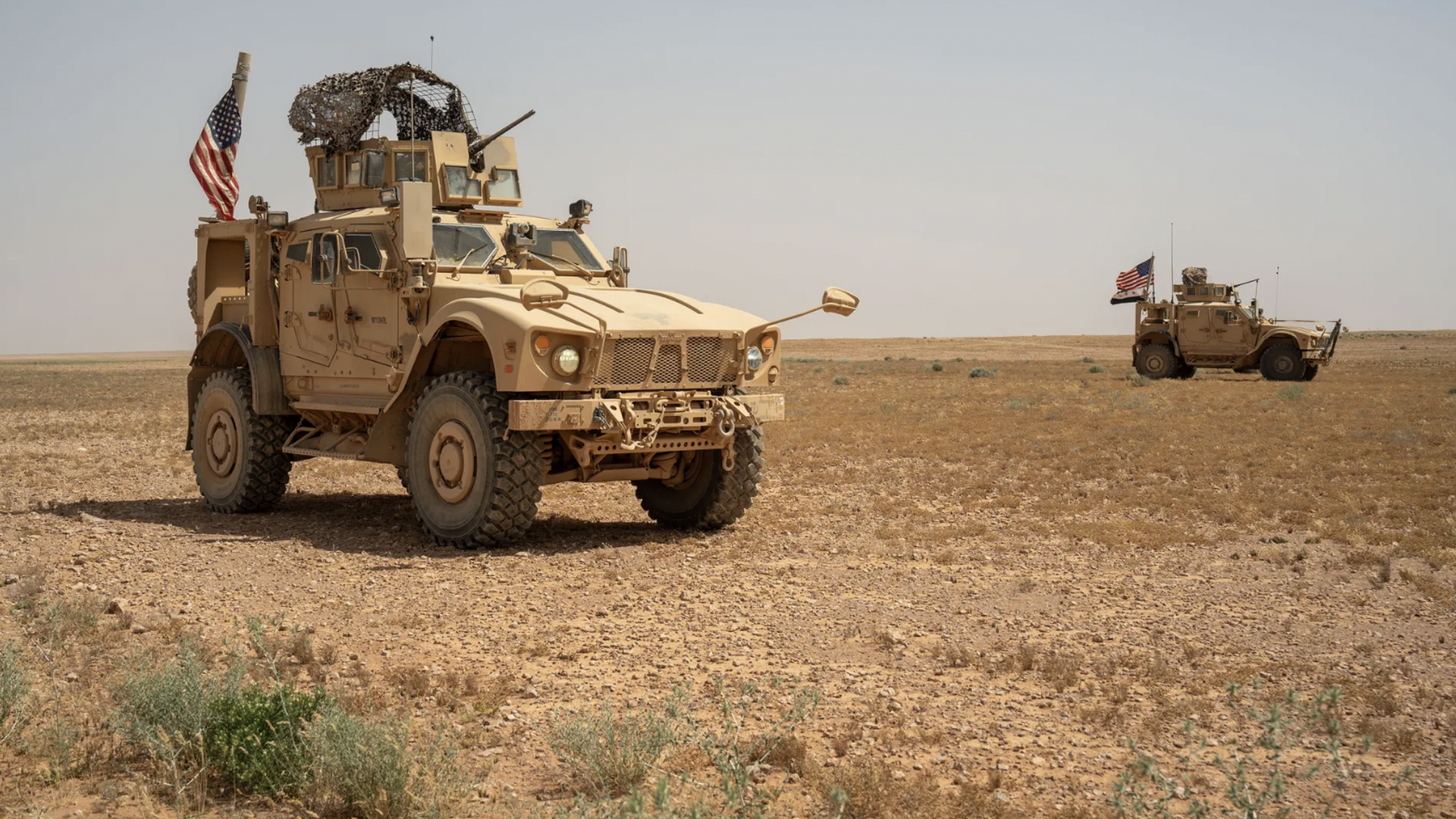
6. 🇸🇾 U.S. slashing military presence in Syria
7. 💔 D.C. dating meets DOGE cuts
8. 🇺🇸 1 for the road: Shot heard 'round the world
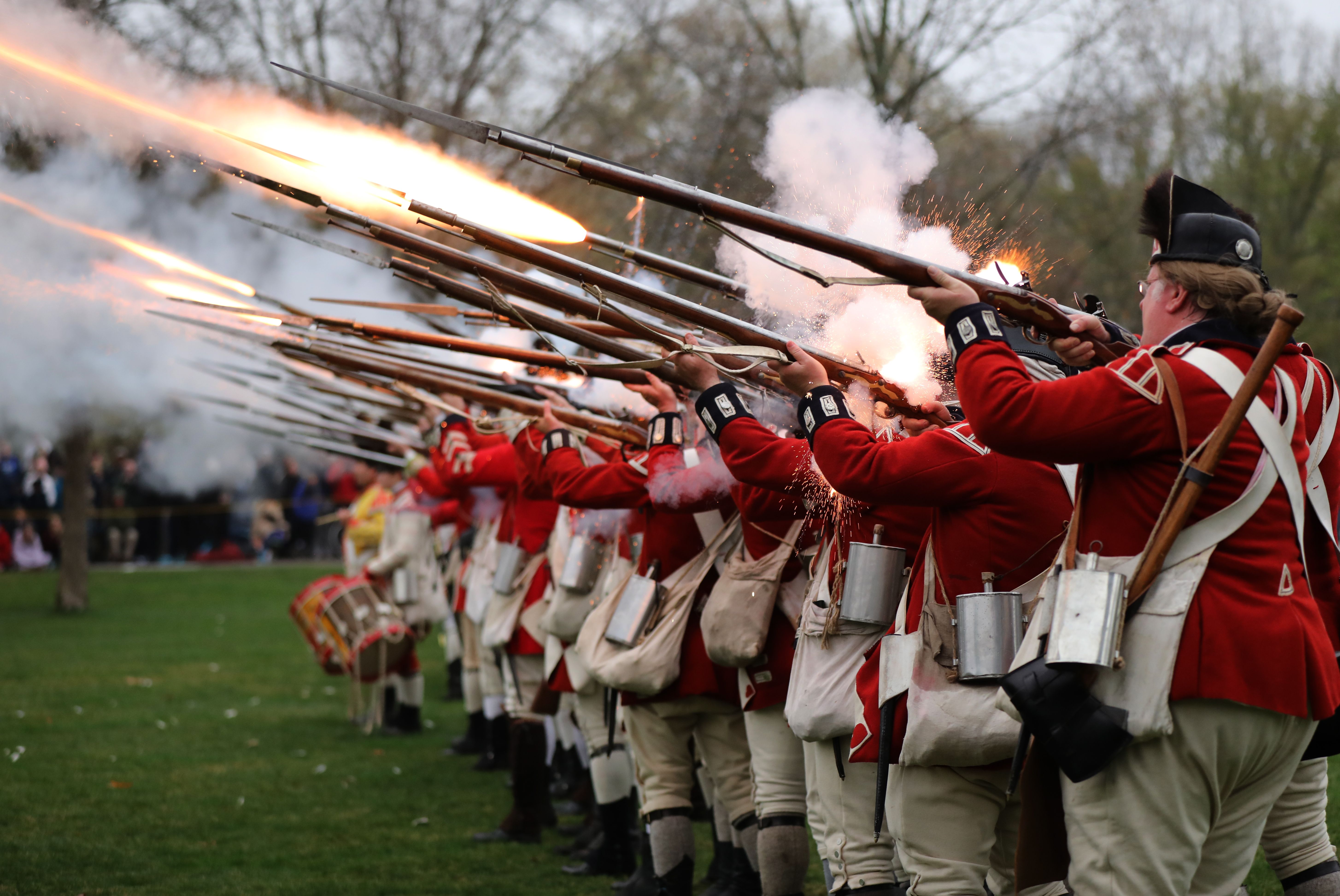
This morning marks 250 years since the first shot of the American Revolution was fired in Lexington, Ma.
- "[H]istorians have argued over who fired first at the Battle of Lexington, when Massachusetts militiamen faced British soldiers about 11 miles west of Boston. A musket blast caused red-coated regulars to shoot at colonists, officially marking the beginning of the Revolutionary War," The Washington Post reports (gift link).
Go deeper: 250 years after America went to war for independence, a divided nation battles over its legacy.
Axios AM