Axios AM

February 09, 2026

1 big thing: Trump's crypto revolt

Trillions have vaporized from global crypto markets since October, plunging an ascendant industry championed by President Trump into a new bout of turmoil, Axios' Zachary Basu writes.
- Why it matters: Crypto joins a growing number of segments of the Trump coalition — from Epstein-focused populists to farmers to Latino men — now questioning whether his return to power has delivered as promised.
🔎 Zoom in: The hyper-online, male-dominated crypto space embraced Trump's crypto Golden Age vision.
- Many crypto leaders swallowed their discomfort last year after Trump-branded meme coins generated massive profits for insiders — and left retail traders holding tokens that plummeted in value.
- The Trump family's crypto venture raked in hundreds of millions — including a secret investment by an Emirati royal who was lobbying the U.S. government for access to advanced AI chips.
Those conflicts were largely waved off amid a steady stream of pro-crypto signals from Trump, including the creation of a strategic bitcoin reserve and vows to make the U.S. the "crypto capital of the world."
- But industry-friendly legislation has stalled, in part because the White House rejected Democrats' demands to limit the Trump family's crypto profiteering.
Then came last week's crash. Bitcoin erased all gains since Trump's election, going from $70,000 when he won to over $125,000 late last year, and now back around $70,000.
- Despite multiple factors driving bitcoin's downturn, the president once hailed as crypto's greatest ally has now become one of its most visible scapegoats.


🖼️ The big picture: The backlash captures a deeper problem for Trump: Niche constituencies he courted in 2024 are growing disillusioned.
- Podcast populists: The Trump administration's handling of the Epstein files and aggressive immigration enforcement has alienated some anti-establishment podcasters who helped shape his appeal to young men, including Joe Rogan and comedian Andrew Schulz.
- Nonwhite voters: Trump's support among Black and Latino Americans has slipped after he made major gains in 2024, as cost-of-living pressures squeeze these voters.
- Farmers: Even after Trump rolled out a $12 billion "bridge payment" to offset tariff-related losses, agricultural leaders warned last week of potential "widespread collapse" if Congress fails to act.
2. ⚖️ Legal world enters AI era

3. 🏠 America's record housing freeze


U.S. homeowners are staying put for the longest time in at least 25 years, largely thanks to their low mortgage rates, Axios' Sami Sparber writes.
- Why it matters: That — along with still-high home prices and tight inventory — is keeping the housing market on ice.
Sellers at the end of 2025 had owned their homes for an average of 8.6 years — a record in data going back to 2000, when the average was 4.2 years.
- Homeowner tenure has increased steadily in almost every major metro area over the past two decades, according to ATTOM, an industry data provider.
- It's especially "pronounced in coastal and Northeast metros, where tenure often exceeds a decade," ATTOM CEO Rob Barber tells Axios.
🔮 What's next: Some golden handcuffs are starting to come loose.
- For the first time since 2020, more homeowners have mortgage rates of 6% or higher than have rates below 3%, a new Realtor.com analysis finds.
4. 🏈 Silicon Valley Super Bowl
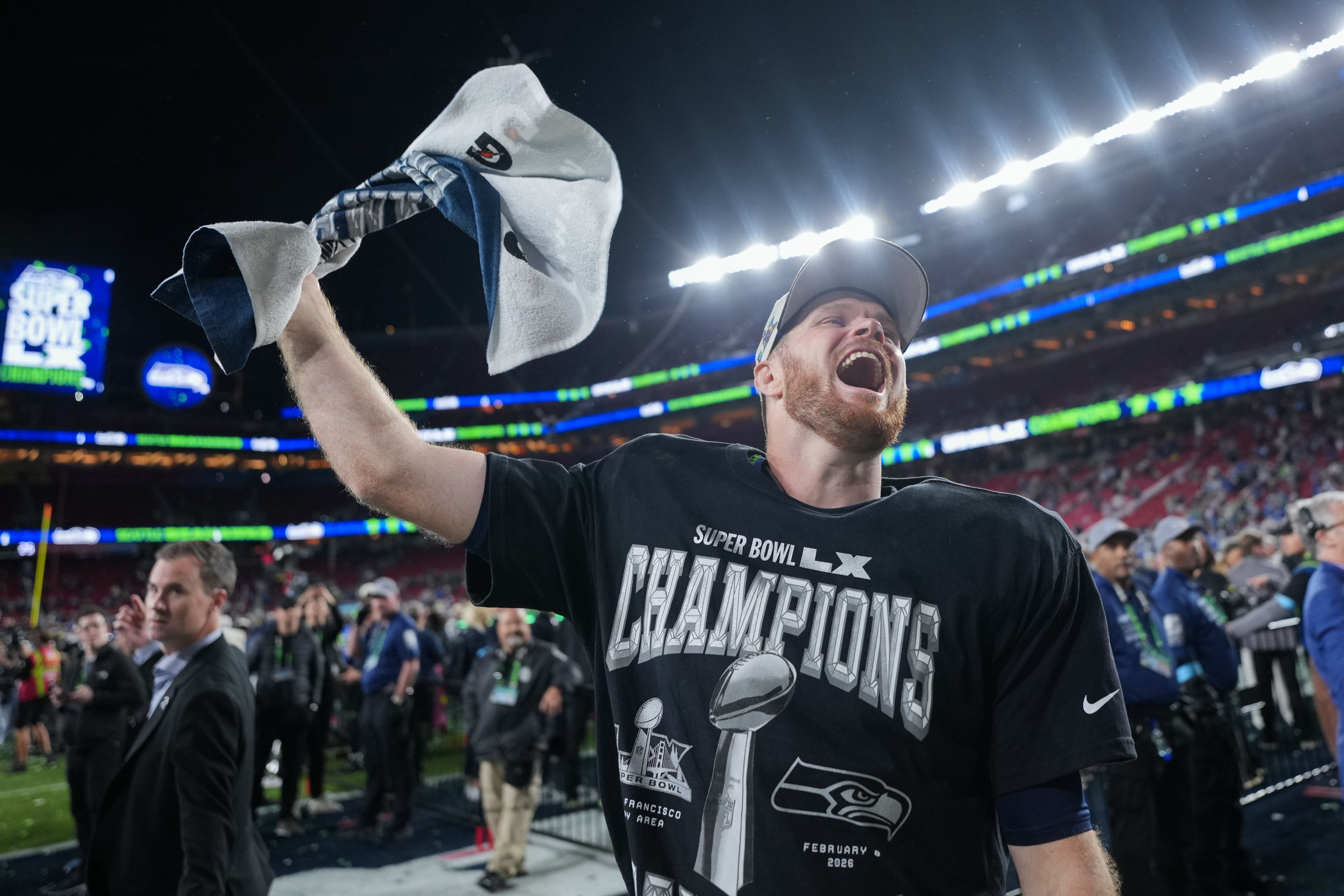
The Seattle Seahawks and their "Dark Side" defense — the best in the NFL — swamped the New England Patriots, 29-13, in Super Bowl LX (60) at Levi's Stadium in Santa Clara, Calif.
- Defense and special teams dominated the game, which didn't see a touchdown until the fourth quarter.
- The Seahawks' Kenneth Walker became the first running back to win Super Bowl MVP in 28 years.
🗞️ The front page of The Boston Globe: "FROM MAGIC TO MISERY ... STUFFED AND STIFLED: A surprise season ended with a thud as Seattle's elite defense flattened the Patriots ... an old-fashioned Super Bowl beatdown."
- Even the weather forecast is headlined: "A bitter end."
ESPN game recap ... Highlights ... Best defensive plays.
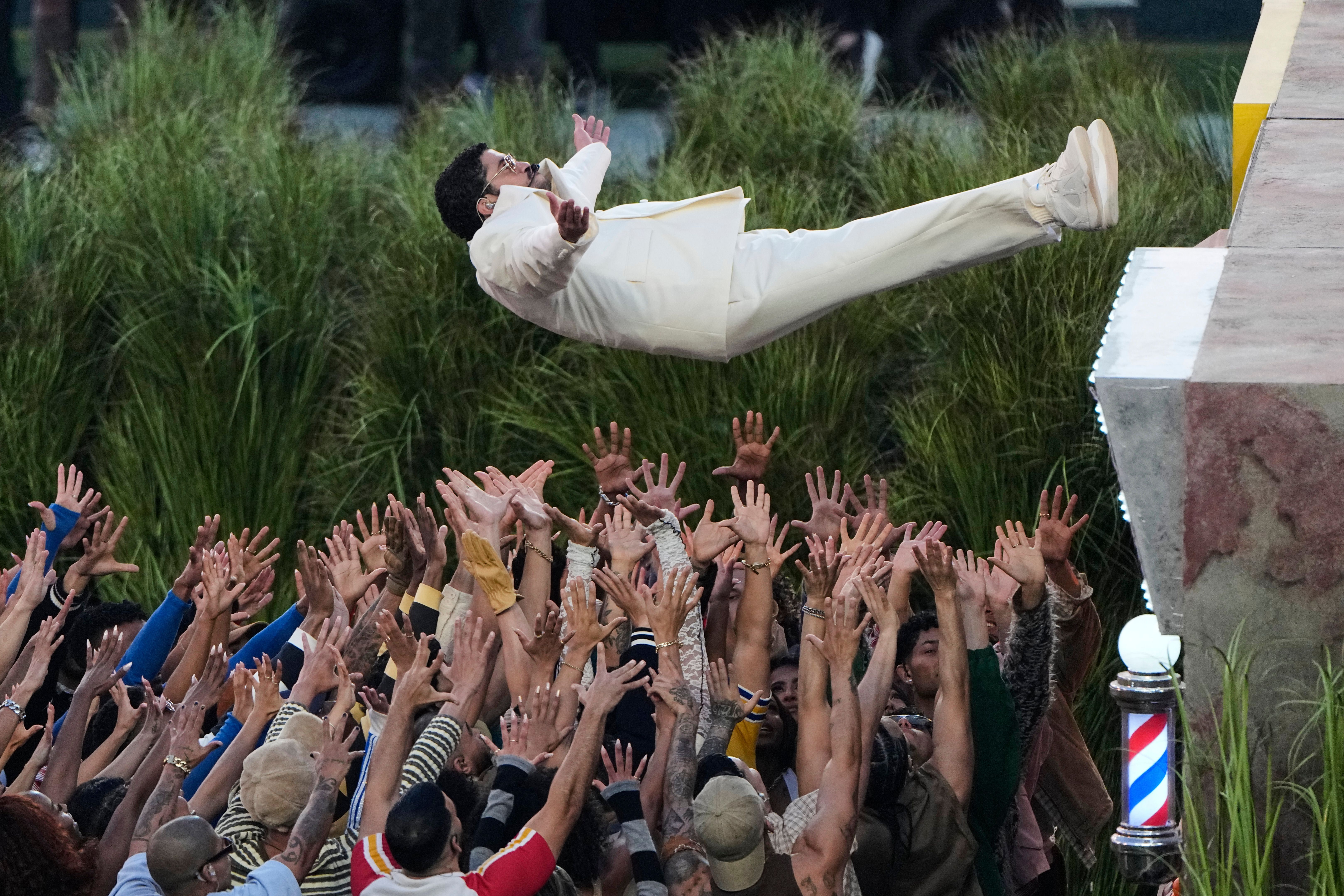
Bad Bunny crowd-surfs during the halftime show, performed almost entirely in Spanish. The 13-minute show featured Lady Gaga, Ricky Martin and a real wedding. (YouTube)
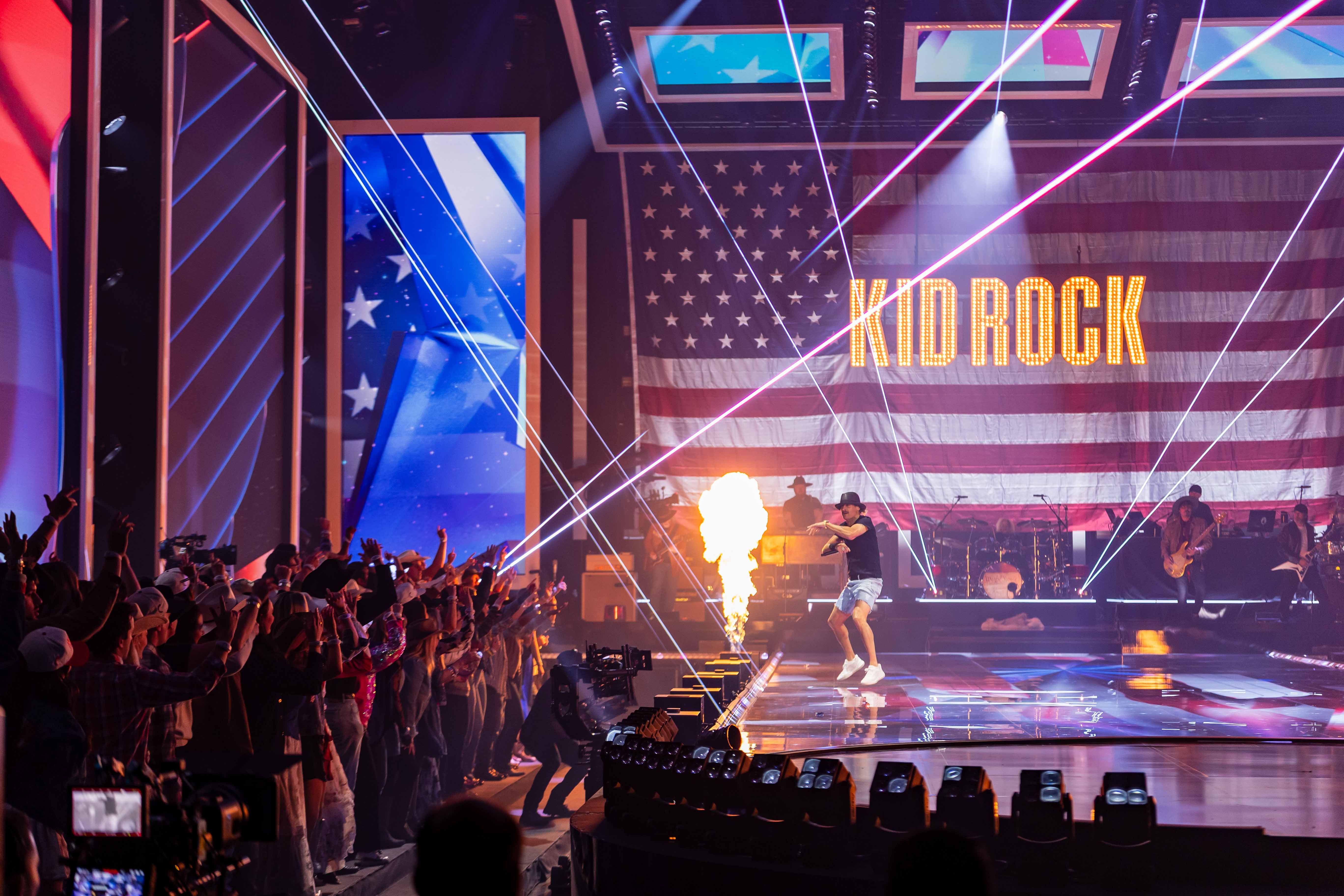
Kid Rock headlined Turning Point USA's rival "All American Halftime Show," which drew as many as 6.1 million concurrent YouTube viewers.
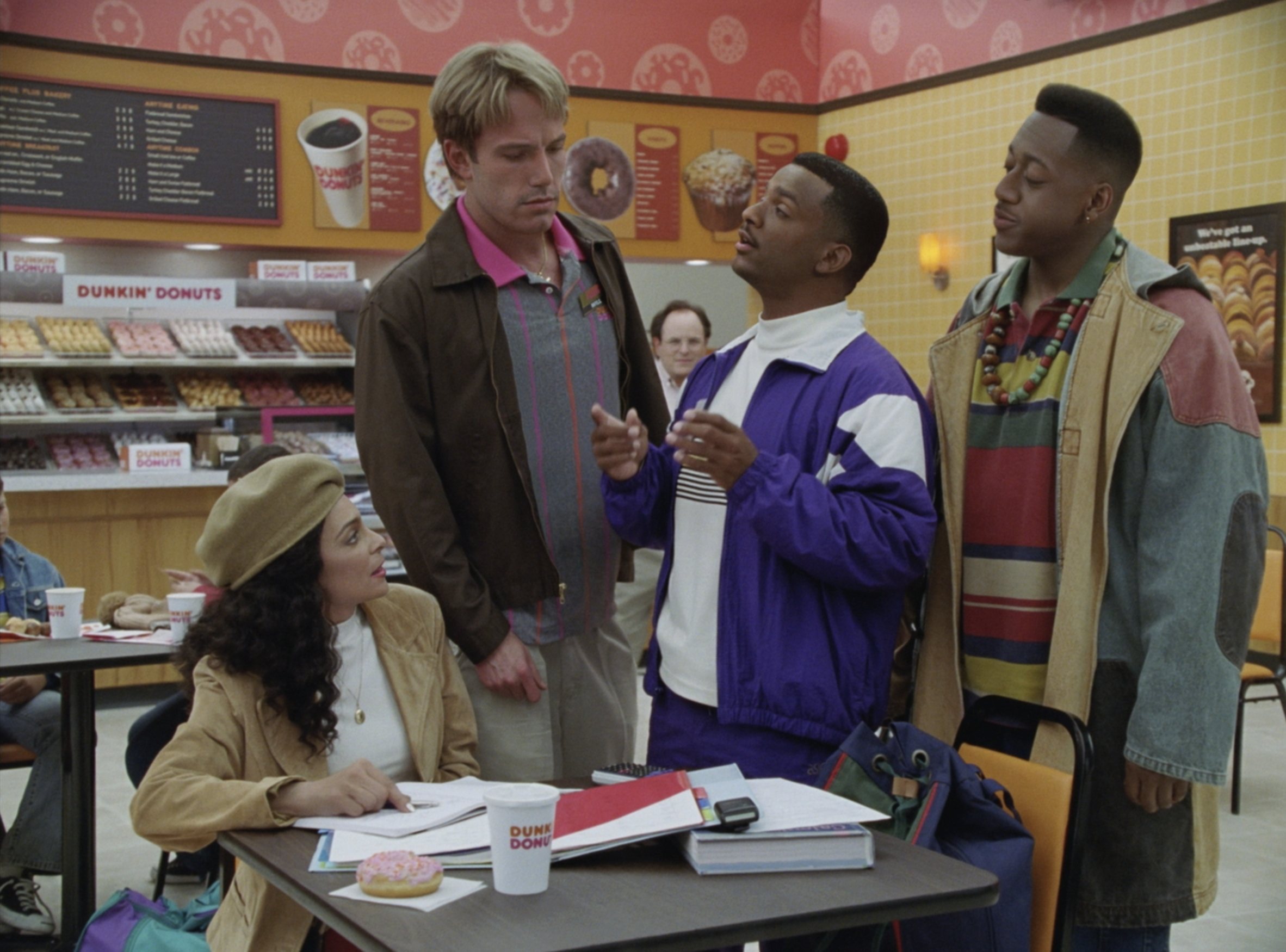
📺 Nostalgic ads amid AI: Dunkin' ran an ad spoofing 1997's "Good Will Hunting," featuring Ben Affleck, Tom Brady and a host of '90s sitcom stars, including Jennifer Aniston, Matt LeBlanc, Jason Alexander and Alfonso Ribeiro. Watch "Good Will Dunkin'."
- Pokémon, which debuted in 1996, ran a spot celebrating its 30th anniversary. Watch it here.
Ranking the ads: 1 (Squarespace) through 59 (Hims & Hers). NYT gift link.
5. 🔌 AI fuels massive power demand surge

Data centers are slated to account for 50% or so of U.S. power-demand growth for the rest of the decade, Axios' Ben Geman reports from a new International Energy Agency analysis.
- The AI-driven rise of huge data centers is a big reason IEA sees overall U.S. demand rising 2% annually on average from 2026–30.
- That's twice the pace from 2016–25.
6. 🇭🇰 Jimmy Lai sentenced to 20 years

Jimmy Lai, 78, the pro-democracy former Hong Kong media tycoon and fierce critic of Beijing, was sentenced to 20 years in prison in one of the most prominent cases prosecuted under a China-imposed national security law that has crushed the city's dissent.
- The democracy advocate's arrest shattered press freedom in what was once an Asian bastion of media independence. (AP)
- The sentence signals a "new era of media peril" in Hong Kong. (NYT)
7. ☕️ Starbucks menu reset
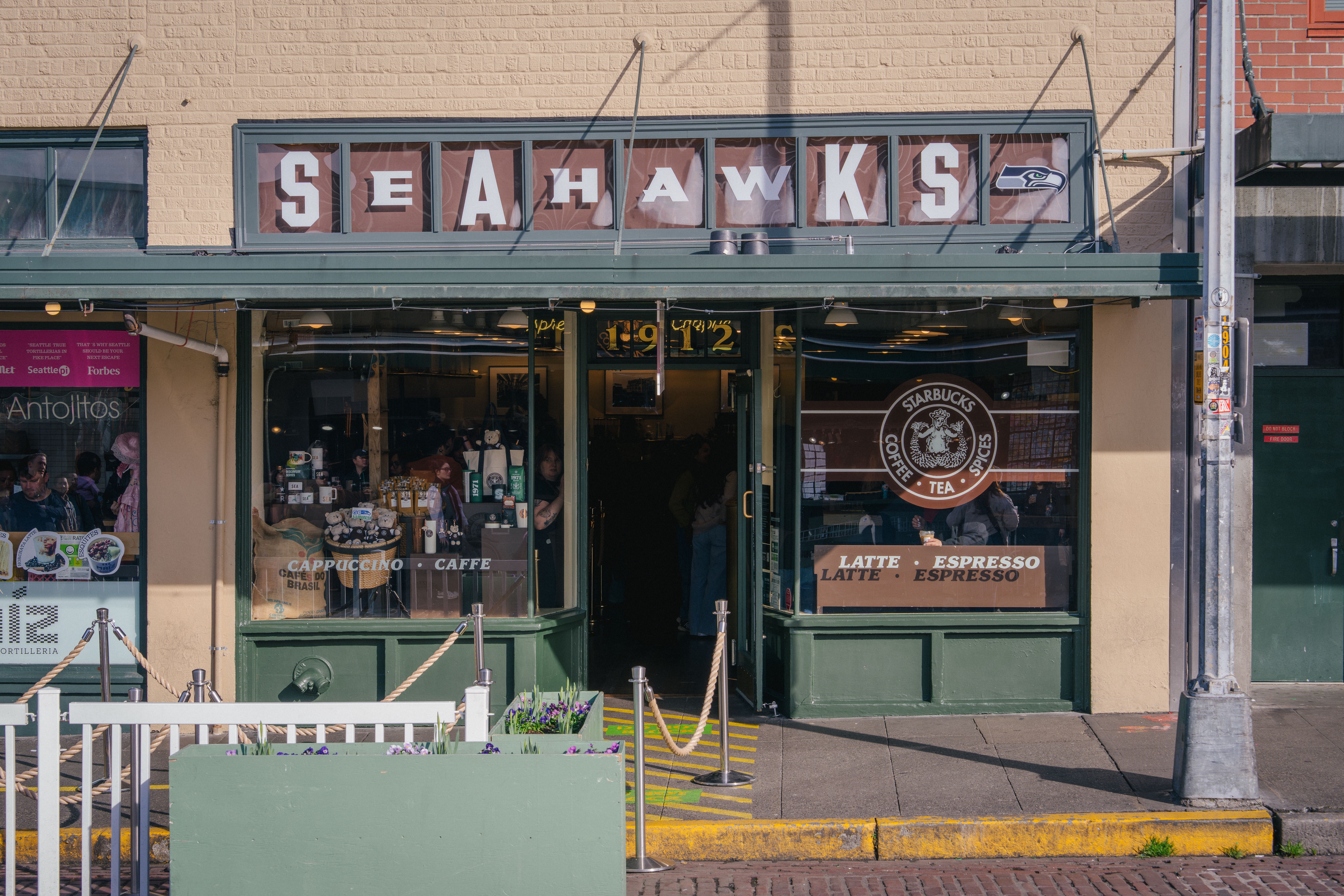
Starbucks today launches its biggest menu update in years, as part of CEO Brian Niccol's turnaround plan, Axios' Kelly Tyko writes.
- The changes include six new bakery goodies (Dubai chocolate bites!); Starbucks 1971 Roast, a dark roast; and permanent matcha drinks.
Food now accounts for a quarter of Starbucks' U.S. sales.
8. 🥇 1 for the road: Team USA's ups and downs

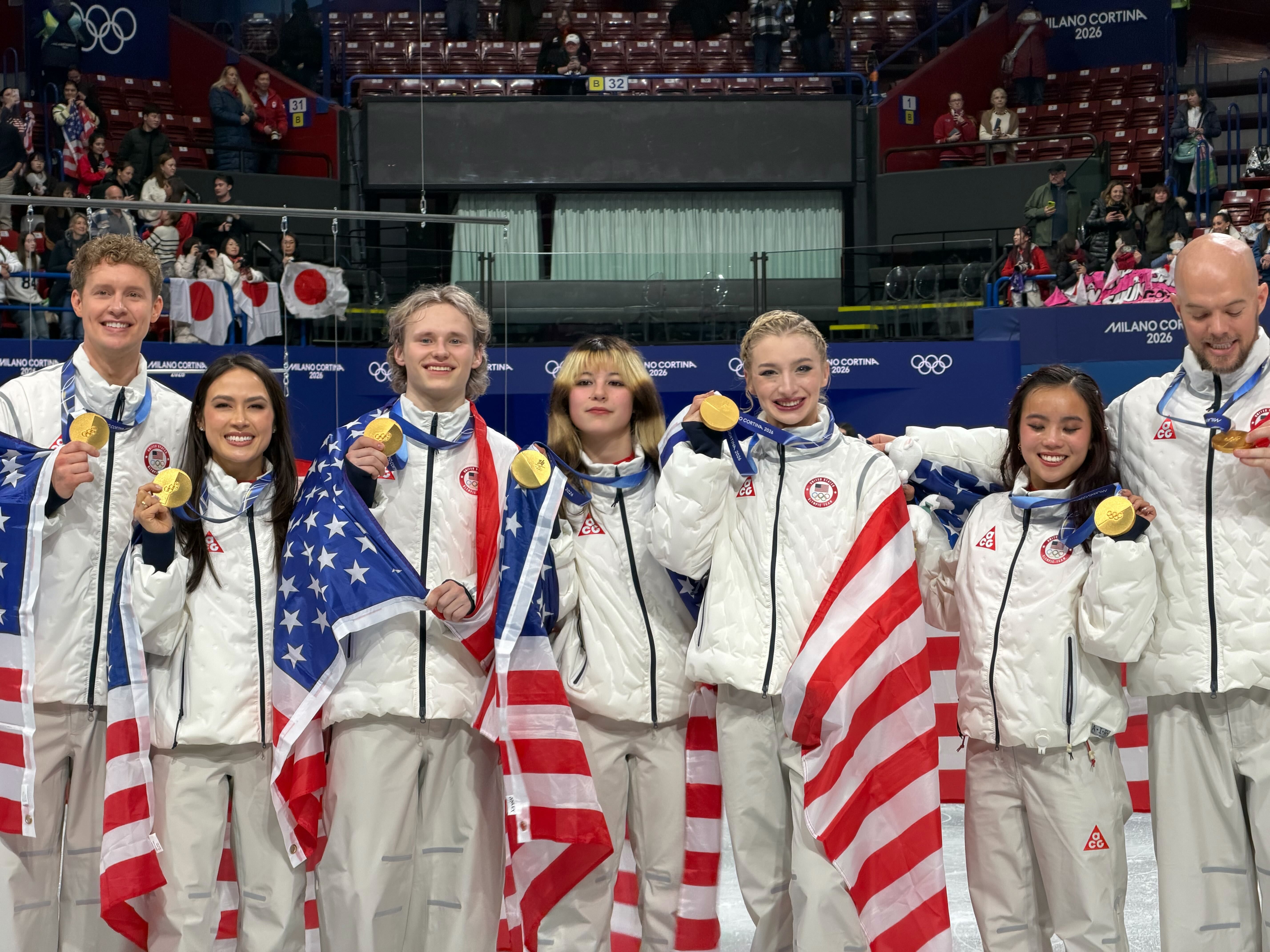
MILAN, Italy — A day that began with Lindsey Vonn's painful screams after crashing in downhill skiing ended with cheers of jubilation as Team USA edged out Japan for gold in team figure skating, Axios' Ina Fried writes.
- Vonn, 41, was attempting a comeback despite a ruptured ACL but crashed shortly into her run and had to be airlifted to a hospital with a broken leg.
Fellow American Breezy Johnson took the downhill gold, the first American to medal at this year's Winter Games.

In figure skating, American Ilia Malinin clinched the team title for the U.S. after landing a backflip on one foot.
- Malinin is nicknamed the "Quad God" for his signature jump — a quadruple axel, a move that only he has completed in competition.
⛸️ Worthy of your time: The Atlantic's Sally Jenkins writes (gift link) in a profile, "The Man Who Broke Physics," that Malinin represents an evolutionary leap in sport, on the order of magnitude of Simone Biles and Michael Phelps.
Malinin's confidence would be insolent if his acrobatics weren't so astonishing. "I broke physics," he told me recently, only half-kidding during a conversation in the back hall of a practice rink in Leesburg, Virginia. "Now I think physics doesn't apply to me."
Axios AM