Axios AM

February 24, 2026

π§€ Hello, Tuesday! Smart Brevityβ’ count: 1,526 words ... 6 mins. Thanks to Noah Bressner for orchestrating. Edited by Andrew Pantazi and Bill Kole.
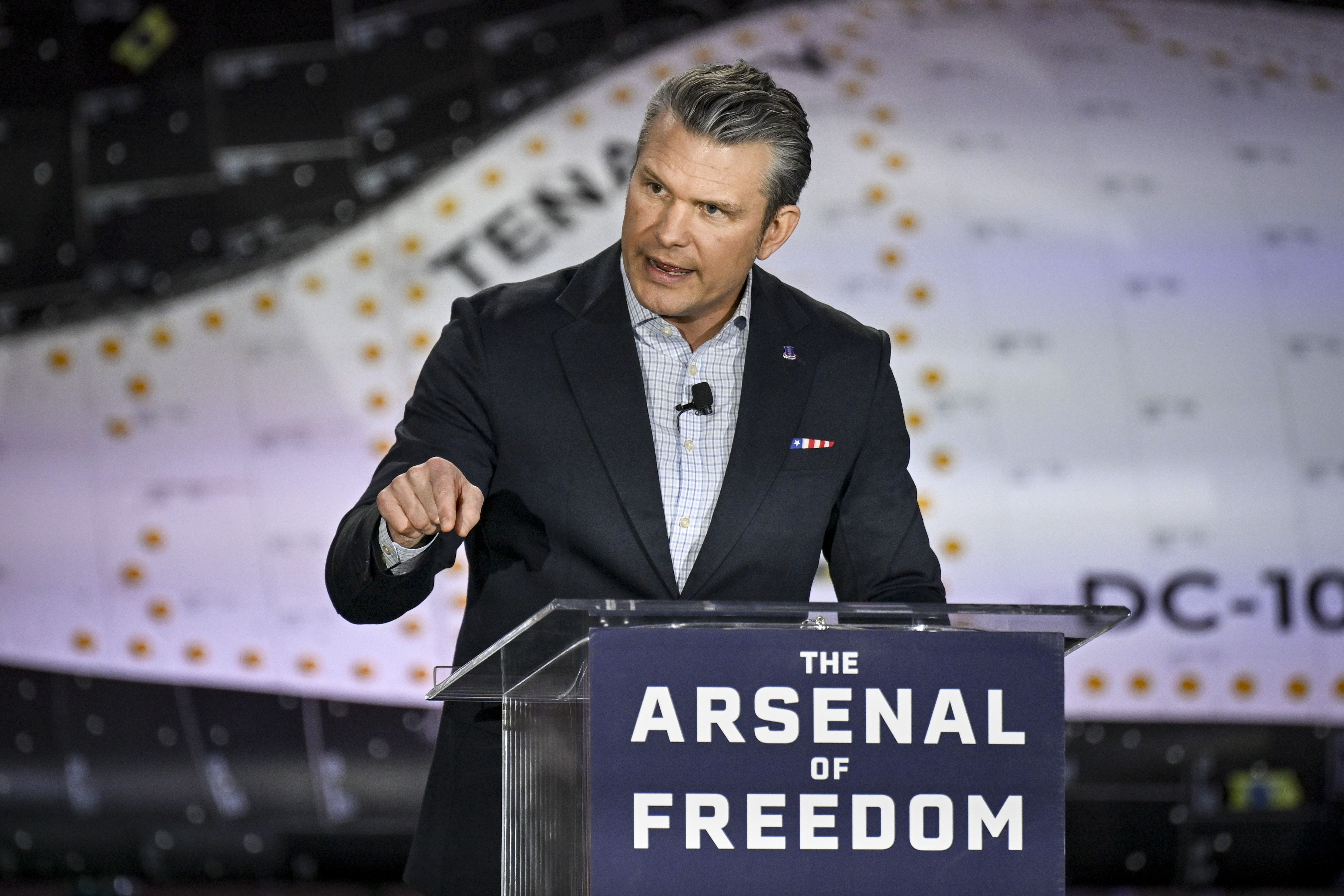
ποΈ First in AM: Beginning at 11 a.m. ET today, ahead of the State of the Union at 9 p.m. ET, the White House digital team will transform all its social channels into "Trump TV" β a 12-hour retrospective of the year since President Trump's last address to Congress. The feeds will include data, new commercials, behind-the-scenes content and highlights from speeches.
1 big thing: AI's biggest threats
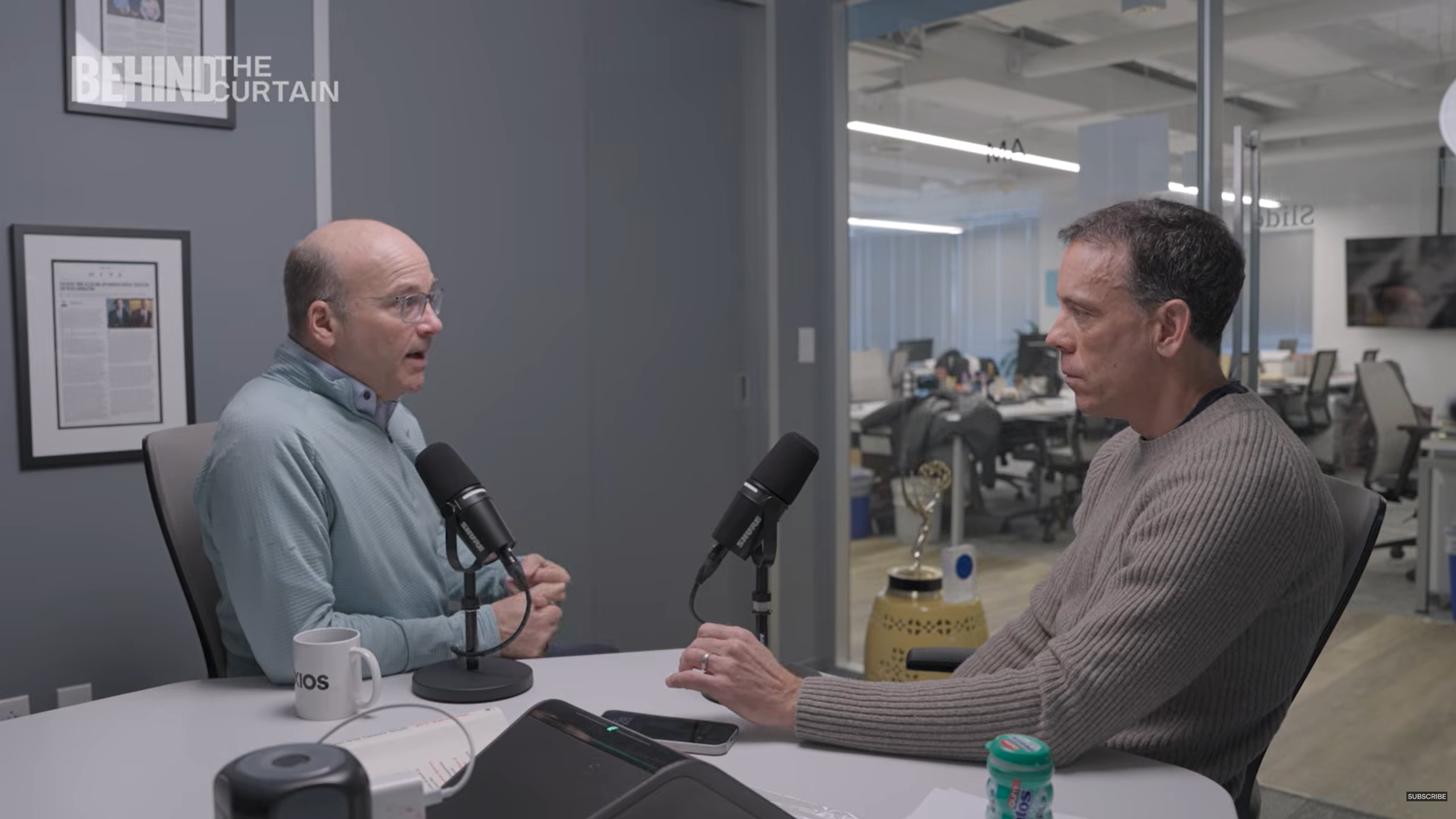
If AI were a politician, it'd be headed for a landslide defeat, Jim VandeHei and Mike Allen write in a "Behind the Curtain" column.
- Defeated by Democrats ... Republicans ... and independents.
Why it matters: In the Trump administration, Silicon Valley, and select AI-obsessed homes or businesses, people are euphoric about the fast rise of generative AI tools. These groups see a coming utopia.
- Almost everywhere else, the vast majority are indifferent, pessimistic β even downright dystopian.
- The politics are shifting so fast against AI that Democratic governors who championed it are in fast retreat.
πΌοΈ The big picture: It's almost certain to get worse for AI. Here's why: Every major AI company is racing frantically to pump out new, more human-like models and then boast about their awesome capabilities. Every advancement or boast likely causes an equal and opposite reaction from voters. They get more anxious.
- The AI companies are pouring money into politics, but it's mostly to thwart regulation they think could slow AI, not polish its image. So AI's image is shaped largely by critics or background noise.
This weekend at the National Governors Association's annual meeting in Washington, Mike talked with governors from states big and small, red and blue. Most said voters not only fear AI's effect on kids and jobs, but they also find it creepy.
- "Many people think AI is either a science fiction movie or something that is going to take their jobs," Maryland Gov. Wes Moore (D), vice chair of the NGA, told us. "Government hasn't done a good job helping people separate fact from fiction. When people think about AI, they need to move beyond what they saw in a Will Smith movie." ("I, Robot" trailer)
- Indiana Gov. Mike Braun (R) is an optimist about AI as a force for good, especially in health care. But he told us many of the Hoosiers he talks to are worried about what China or North Korea might do. "When you get off to a bad start with an image, that's tough to fix," he said.
Poll after poll puts numbers to this rising concern:
- 58% of Americans don't trust AI much or at all. 63% say AI will decrease the number of jobs in the U.S., according to an Economist/YouGov poll out last week.
- In a separate YouGov survey out in December, 77% of Americans were concerned AI could pose a threat to humanity. It's one thing to fear higher taxes. It's another thing to worry about the existence of your species!
- 79% of Americans don't trust companies to use AI responsibly, a Bentley-Gallup survey found.
AI has more than a branding problem for a new product. After watching the effects of social media on kids and society, most seem to assume AI will just be worse.
πΆ Threat No. 1: Kids. Nothing unites voters quite like fear about what AI is doing to children. This is the single most politically potent dimension of the backlash.
- Among women 50+ β high-turnout voters who'll play a pivotal role in midterms β 90% are concerned about the lack of national AI standards to protect kids, with 70% very concerned, according to Fabrizio Ward data.
πΌ Threat No. 2: Jobs. The fear of displacement is deep, and the class divide is widening.
- Only 7% believe AI will increase jobs. That's statistically unchanged from last fall β meaning rising AI hype and use have done nothing to ease the fears.
- The more people read about super-workers using AI to 10x their output, the more scared it makes many others. 3 in 5 U.S. employees aren't currently using AI at work (Google/Ipsos last week).
π¬ Threat No. 3: The creep factor. Beyond jobs and kids, there's a visceral, almost existential unease.
- That's one of the big takeaways from our conversations with governors. It's not just that people worry about AI taking jobs, or their power bills rising because of data centers. They also have real issues with the technology itself: People associate AI with surveillance, fakery and a loss of control. They worry about AI starting wars and tech ruling us.
π Threat No. 4: Energy and land wars. AI's backlash is no longer just about screens and software. It's now about the physical infrastructure being built to power it β and the electricity bills landing in people's mailboxes.
- This is the most urgent political topic locally, where rising energy and land prices are stirring a massive backlash to data centers that run the size of multiple football fields and suck up a lot of power.
AI isn't a top-tier issue β yet. Affordability and safety are dominating midterm campaigns. But it's climbing as AI power and hype rise.
- Interestingly, there's an emerging AI divide in both parties. You see anti-AI socialists like Bernie Sanders versus pro-AI leaders like Pennsylvania Gov. Josh Shapiro, though even Shapiro's stance is moderating as the winds change.
- And you see anti-AI populists like Steve Bannon versus pro-AI leaders like Trump, the entire White House and most of the GOP Congress.
The bottom line: Most voters want to go slow on AI, don't trust business, and fear the technology could erode creative thinking and threaten humanity. Neither party is trusted to handle it.
2. π€ "A feedback loop with no natural brake"

A 7,000-word essay about a hypothetical AI future hammered markets with a bleak scenario of where the economy and markets could find themselves in just two years, Axios' Neil Irwin writes.
On Sunday, Citrini Research and Alap Shah published a Substack essay, "The 2028 Global Intelligence Crisis," speculating that companies will rush to replace human employees with AI tools, only to soon find that demand for their products evaporates just as quickly.
- That causes a 38% selloff in stocks and problems in credit markets like mortgages, as displaced workers can't pay their loans.
"Swaths of companies built on monetizing friction for humans disintegrated," the essay says. "The system turned out to be one long daisy chain of correlated bets on white-collar productivity growth. ... The system wasn't designed for a crisis like this."
- Reality check: There are plenty of questionable assumptions in this scenario. One is that companies will cut back on human employment as rapidly as assumed. Another is that a rise in unemployment wouldn't be matched by aggressive action out of Washington.
3. π± Axios video: Inside the Iran debate

A "Behind the Curtain" video from Jim & Mike takes you inside Axios reporting on the White House debate over whether to strike Iran.
4. πͺ Strongest NE storm in a decade


The nor'easter that smacked much of the Northeast with nearly 3 feet of snow in places is as classic and powerful a blizzard as you can get β the strongest in a decade, and up there with the most intense in history.
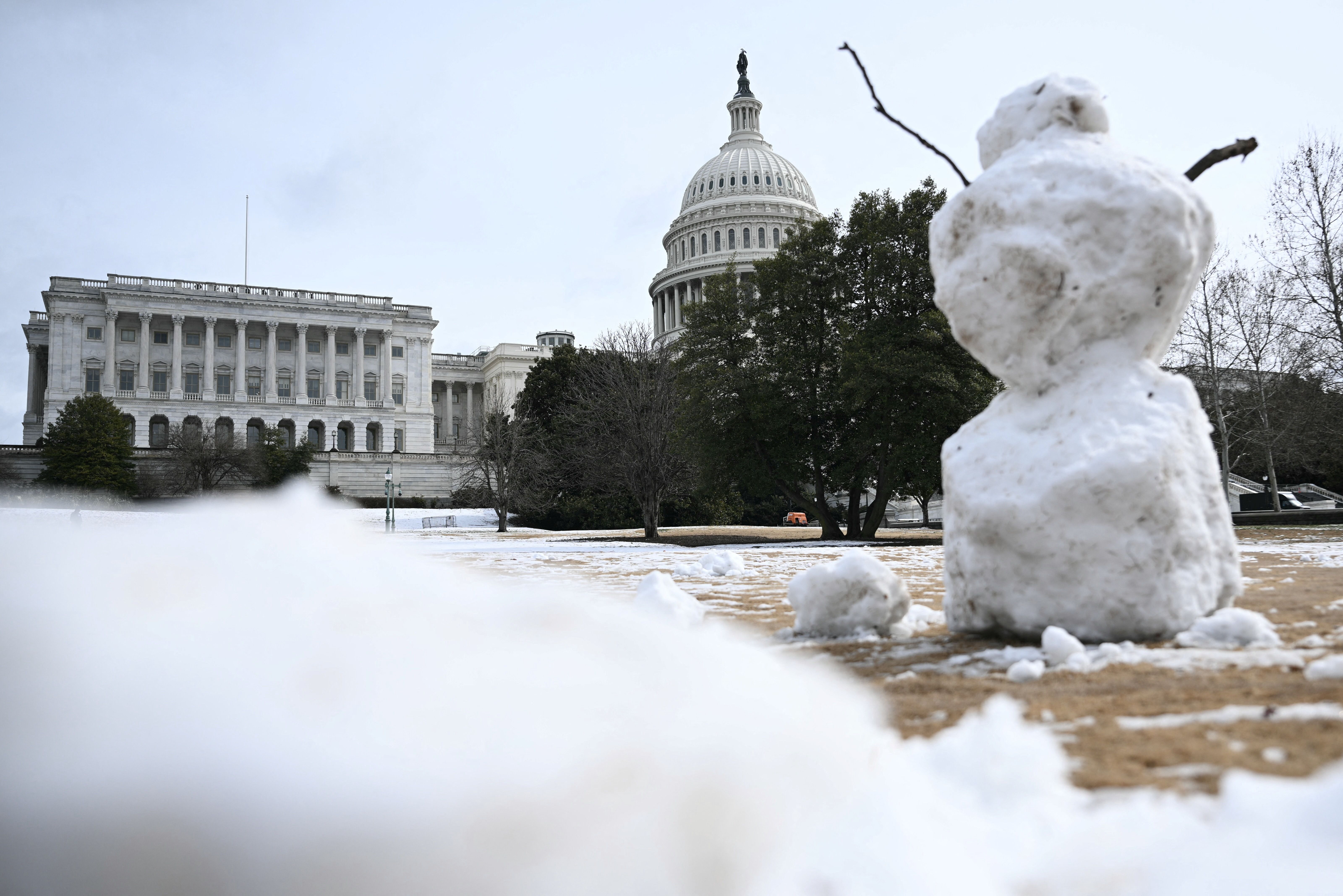
The storm easily qualified as a "bomb cyclone" β and featured thundersnow and lightning, which are rarely seen in snowstorms.
5. πͺ Grok enters classified AI race

Elon Musk's artificial intelligence company xAI has signed an agreement to allow the military to use its model, Grok, in classified systems, Axios' Dave Lawler and Maria Curi report.
- Why it matters: Until now, Anthropic's Claude has been the only model cleared for the systems used in the military's most sensitive intelligence, weapons development and battlefield operations.
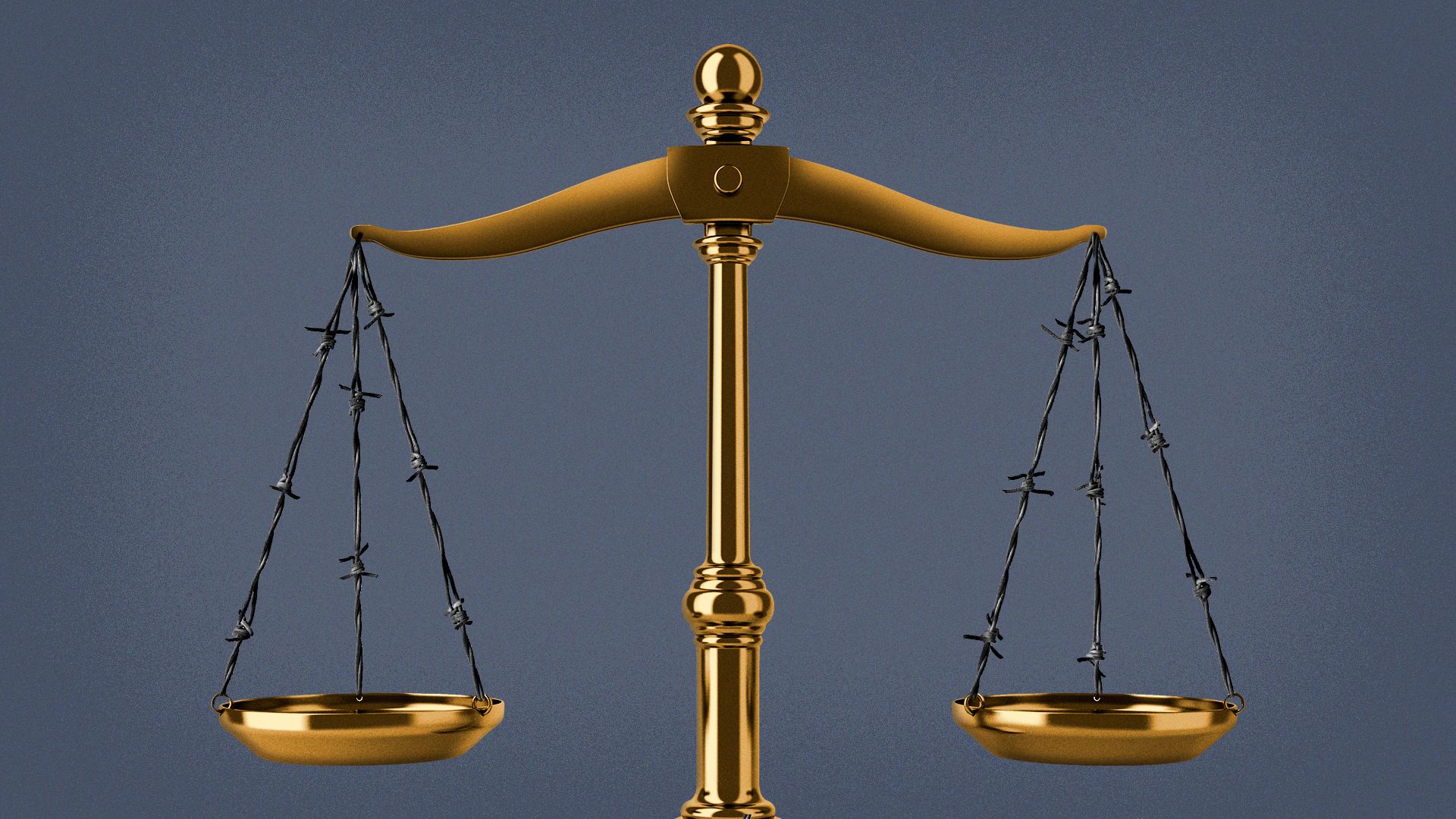
6. βοΈ "Deportation judges" to speed cases
The next big phase of President Trump's mass deportations is set to begin as "deportation judges" attempt to speed through 3.6 million backlogged cases, Axios' Brittany Gibson writes.
- Why it matters: Faster immigration court rulings could allow ICE to carry out more deportations, as most cases end in final removal orders.
π¨ The big picture: Trump spent much of 2025 purging the beleaguered immigration courts. 55 immigration judges were fired, and another 80 retired.
- About 1,700 applications have been received after a campaign asking people to apply to be "deportation judges" across social media.
7. π Happy 5th to Axios Local

Axios Local β the smart friend in your pocket, with plugged-in Axios journalists in cities coast to coast β is turning 5. We're in 34 cities, with Axios Colorado Springs coming soon. We'll be adding more cities throughout this year.
8. π₯ 1 for the road: Milan's massive ratings

The Milan Olympics delivered a ratings success for NBCUniversal with the highest Winter Games viewership since Sochi 2014 β up 96% from Beijing 2022, Axios' Kerry Flynn writes.
- NBCUniversal announced yesterday that the games averaged 23.5 million viewers during live afternoon and U.S. primetime programming across NBC, Peacock, digital platforms and Versant's CNBC and USA Network.
Between the lines: NBC's broadcast of this year's Winter Olympics benefited from a favorable time zone, strong storylines and a robust streaming strategy.
- After two consecutive Winter Games in Asia, the European time zone made it easier to watch marquee events live.
π¬ Thanks for reading! Please invite your friends to join AM.
Sign up for Axios AM