Axios AM

November 13, 2021

1 big thing: Teacher burnout leaves schools scrambling

Illustration: Aïda Amer/Axios
2. ⚖️ DoJ juices Capitol Hill's investigative muscle
The Justice Department's contempt of Congress charges against Steve Bannon send a message not only to other witnesses called by the Jan. 6 inquest, but to countless other people who face Congressional subpoenas.
- Think pharmaceutical execs, NFL bosses, baby food manufacturers, social media moguls — you name it, Jonathan Swan writes.
That message is: It's a new day for Congress' investigative muscle.
- Lawmakers have sent a spate of referrals for prosecution to the Justice Department in recent years, and they've fallen on deaf ears.
- This case signals that congressional subpoenas matter, and that people under subpoena take big risks when they defy them.
Reality check: Bannon was uniquely defiant of Congress. According to the indictment, he didn't even figure out what documents he has that the committee might want — a typical step, even for people who have no intention of turning over those documents.
- Unlike ex-DOJer Jeff Clark — another top committee target — he didn't even show up for his deposition. Those moves could have made it a little trickier for Justice to build a case against him.
What we're watching: It's not clear what this indictment means for former Trump chief of staff Mark Meadows, who's also been subpoenaed.
- First, Trump has a much stronger executive privilege claim regarding him than Bannon — at least, comparatively speaking.
- Second, Meadows and his lawyer engaged with the committee in a way that Bannon didn't. But Meadows' lawyer has signaled he won't play ball, and will rather wait for the conclusion of Trump's lawsuit against the National Archives and the committee — which could take years. The committee, meanwhile, is in a hurry.
What's next: Bannon is expected to turn himself in on Monday for arraignment. And if his case goes to trial, it could be quite a scene.
- The Justice Department could call members of Congress or Hill staff as witnesses. And Lord knows who Bannon would call.
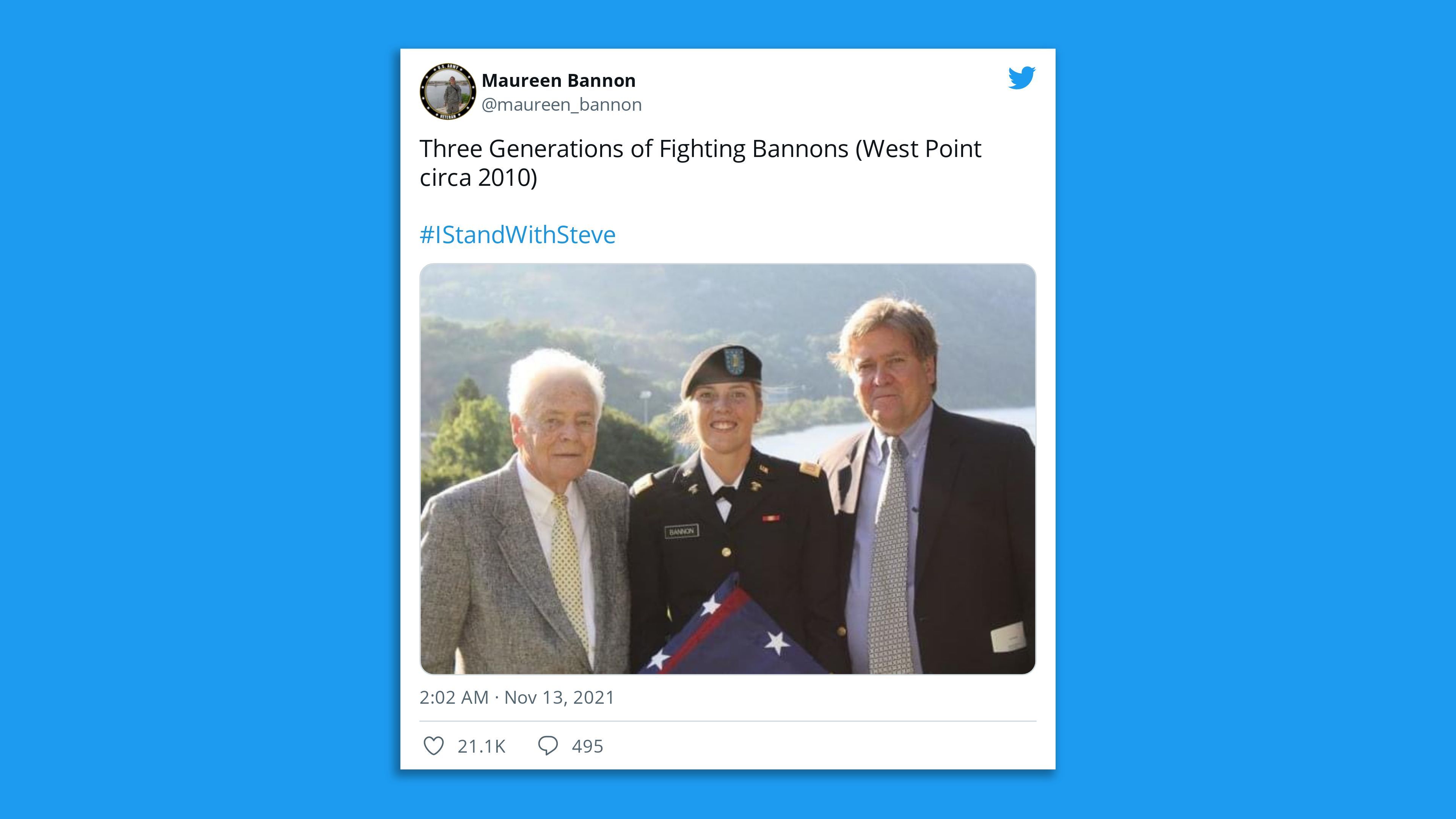
Asked for comment, Bannon pointed Swan to this tweet by his daughter:
3. Hong Kong v. The Economist
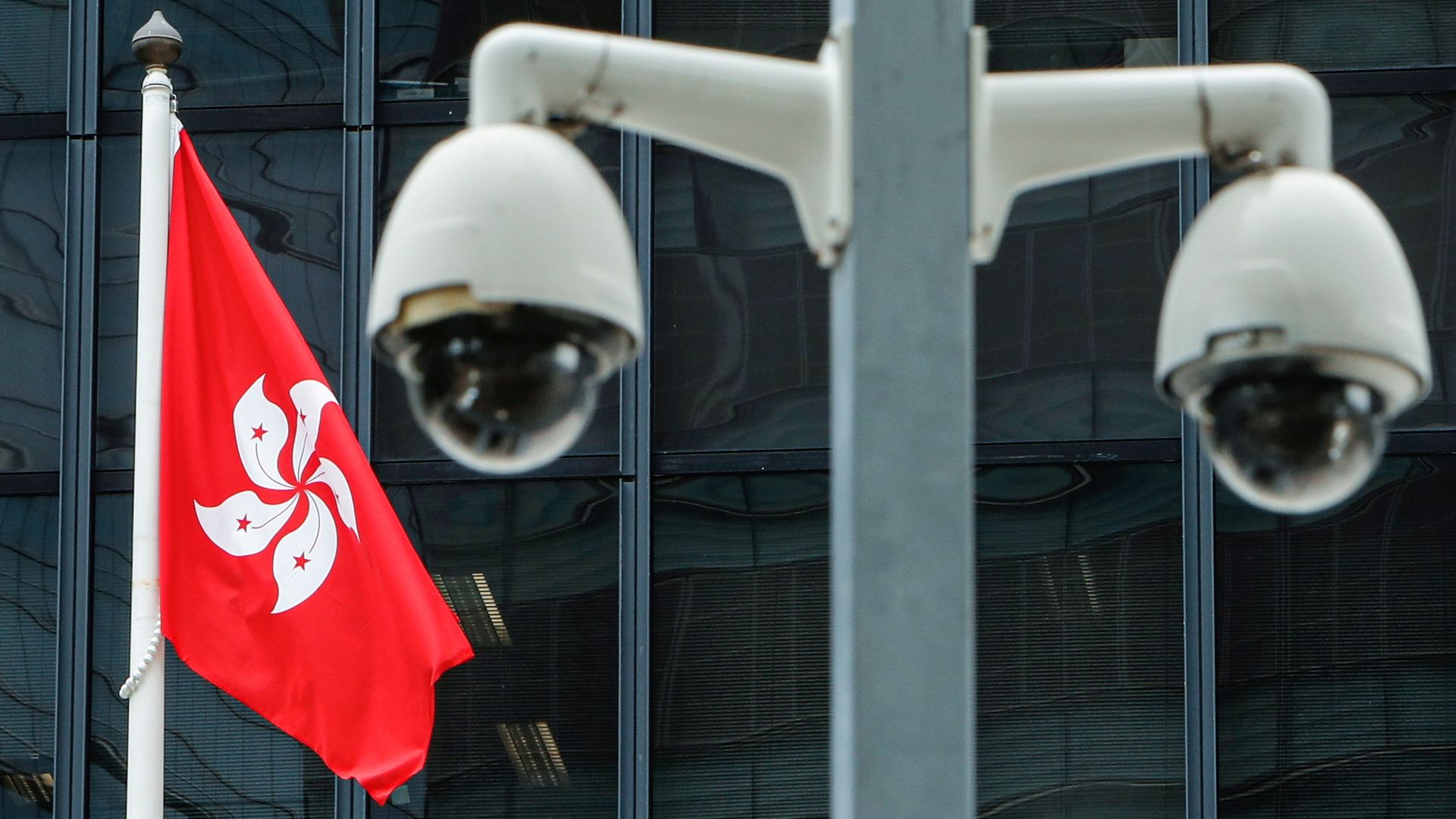
Hong Kong flag behind surveillance cameras outside Central Government Offices. Photo: Tyrone Siu/Reuters
4. A step toward justice — after 129 years
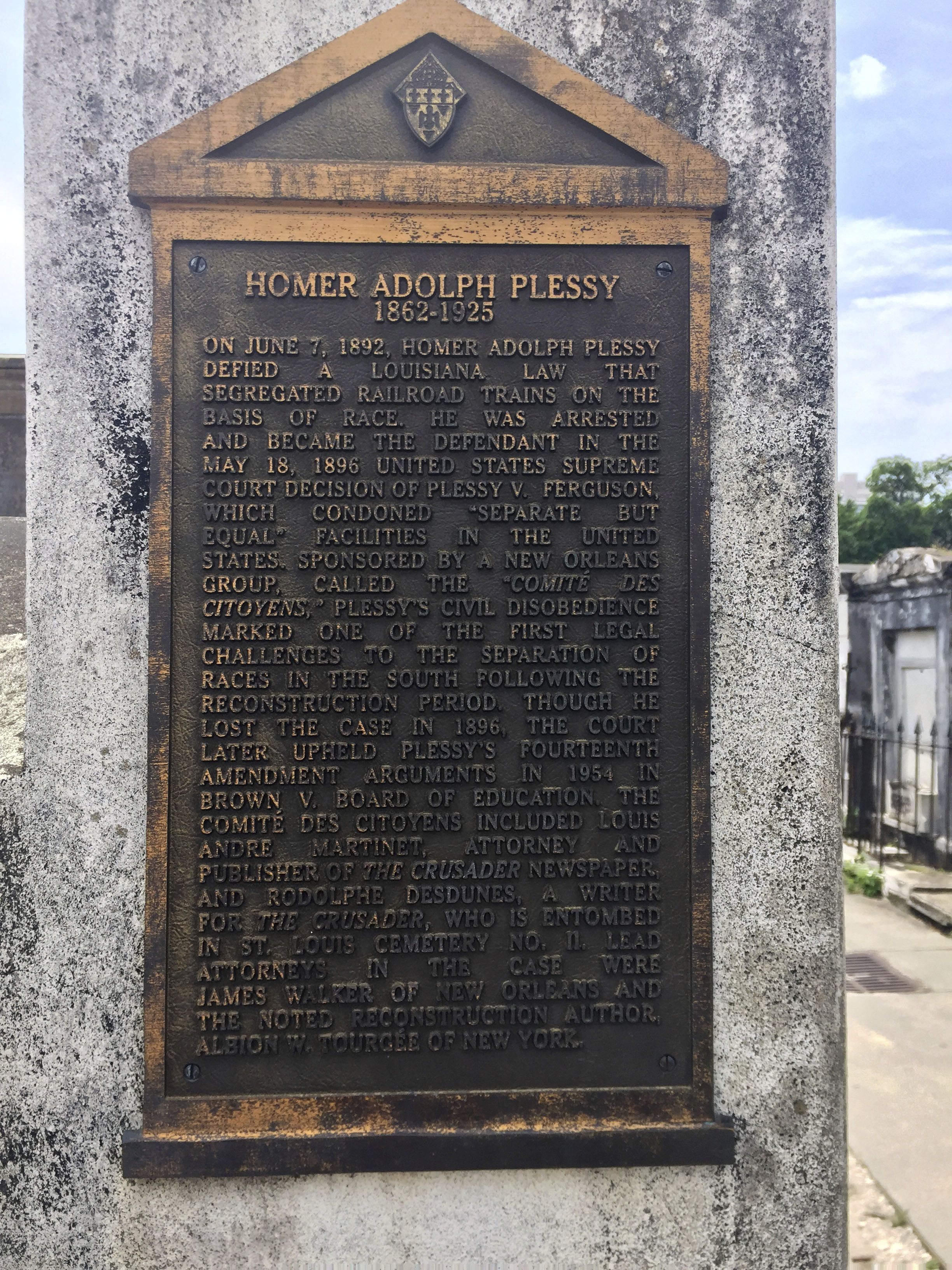
Homer Plessy, a 30-year-old shoemaker who became one of the most famous names in Supreme Court annals, was arrested in New Orleans in 1892 after boarding a train car as part of an effort by civil rights activists to challenge a state law that mandated segregated seating.
- Yesterday, the Louisiana Board of Pardons voted unanimously to pardon Plessy, whose seat in the "whites-only" car led to the 1896 "separate but equal" affirmation 0f state segregation laws, AP reports.
- The decision goes to Gov. John Bel Edwards (D), who has final say. Plessy died in New Orleans in 1925, at age 62.
The backstory: The Plessy v. Ferguson decision cemented racial segregation for a half century, until the Supreme Court unanimously overruled it with Brown v. Board of Education in 1954.
- Plessy pleaded guilty to violating the Separate Car Act, and was fined $25.
- After the Supreme Court ruling, Plessy worked as a laborer, warehouseman and collector for a Black-owned insurance company.
Go deeper: In 2020, The New York Times began printing obituaries of remarkable men and women whose deaths went unreported in The Times, including "Overlooked No More: Homer Plessy, Who Sat on a Train and Stood Up for Civil Rights" (subscription).
5. Hard Truths preview: Ethnic outlets sprout in "news deserts"
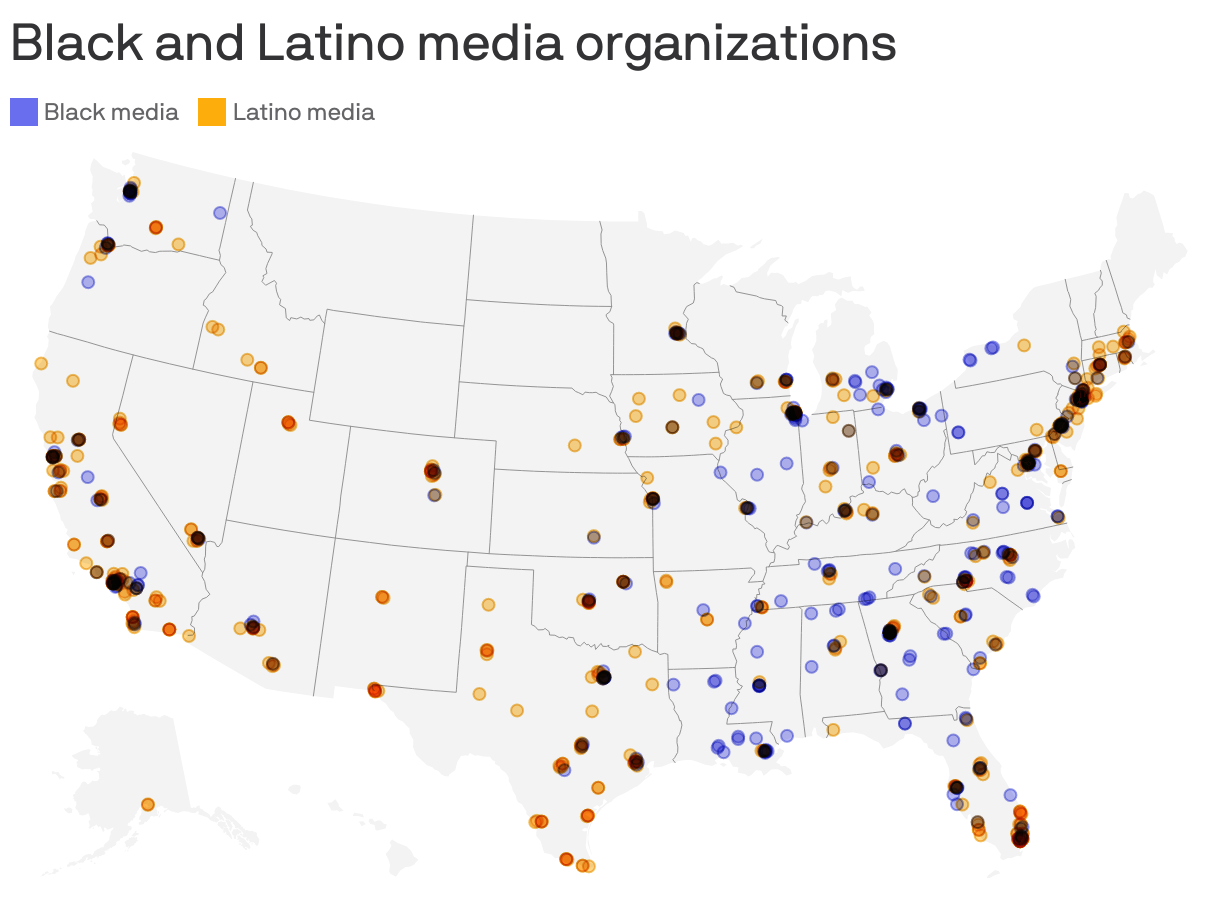
Ethnic news outlets have been filling a void of local news, and serving up coverage that seeks to rectify journalistic bias in story selection and how news is framed, Axios' Eileen O'Reilly and Sara Fischer write.
- 📧 More later today in an Axios Hard Truths special edition on race and the media.
6. Parting shot: Swift revenge
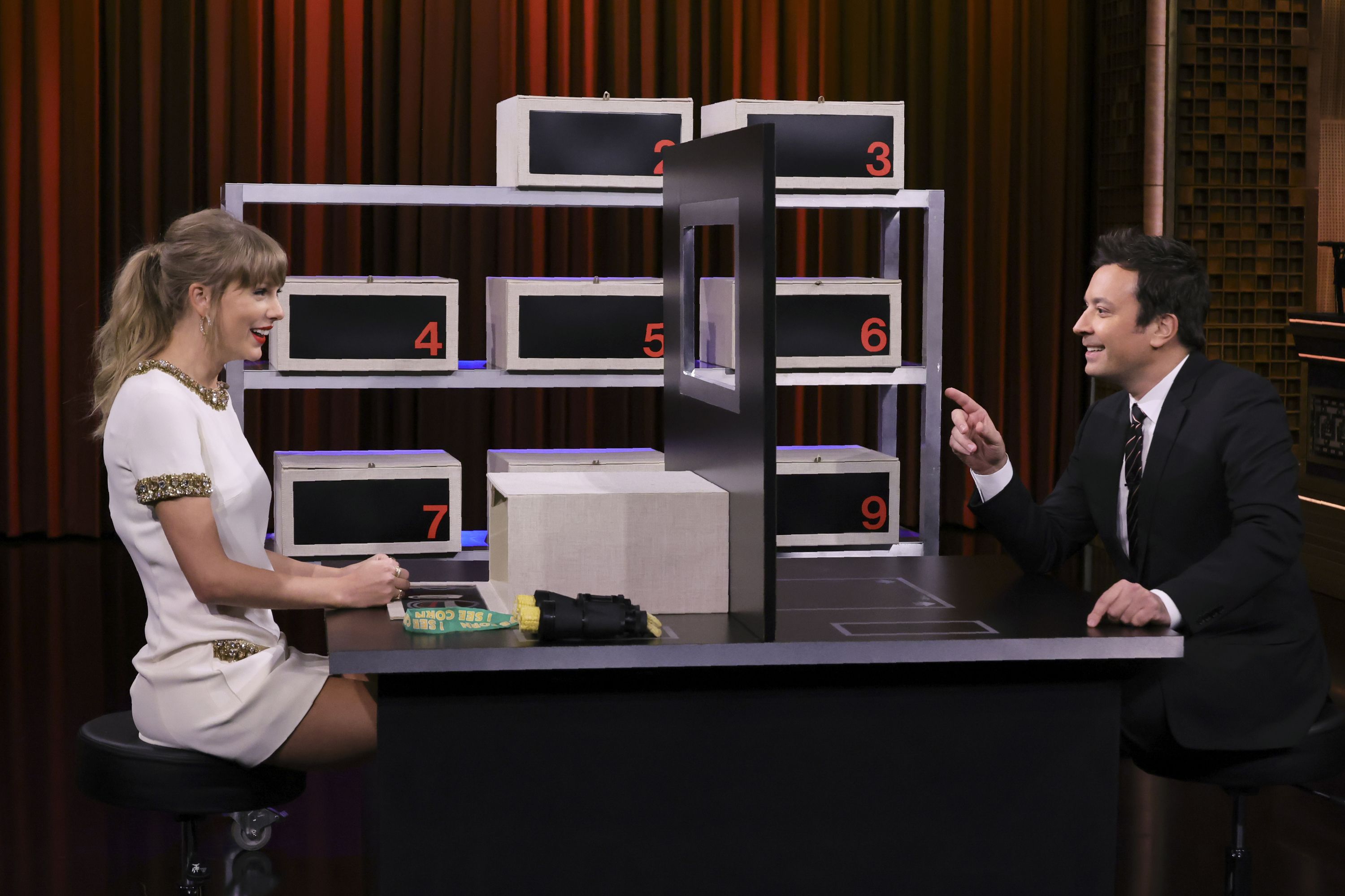
"Taylor's Version" of Taylor Swift songs hold 3 of the top 5 slots on Apple Music's chart of most-played songs in the USA.
- Why it matters: Swift is reclaiming her music. Big Machine, which had released all of Swift's albums, was sold in 2019 to music producer Scooter Braun, who Swift hates. Braun turned around and sold the masters for Swift's first six albums to a private equity firm. She vowed to re-record her back catalog once contractually able. And is she ever.
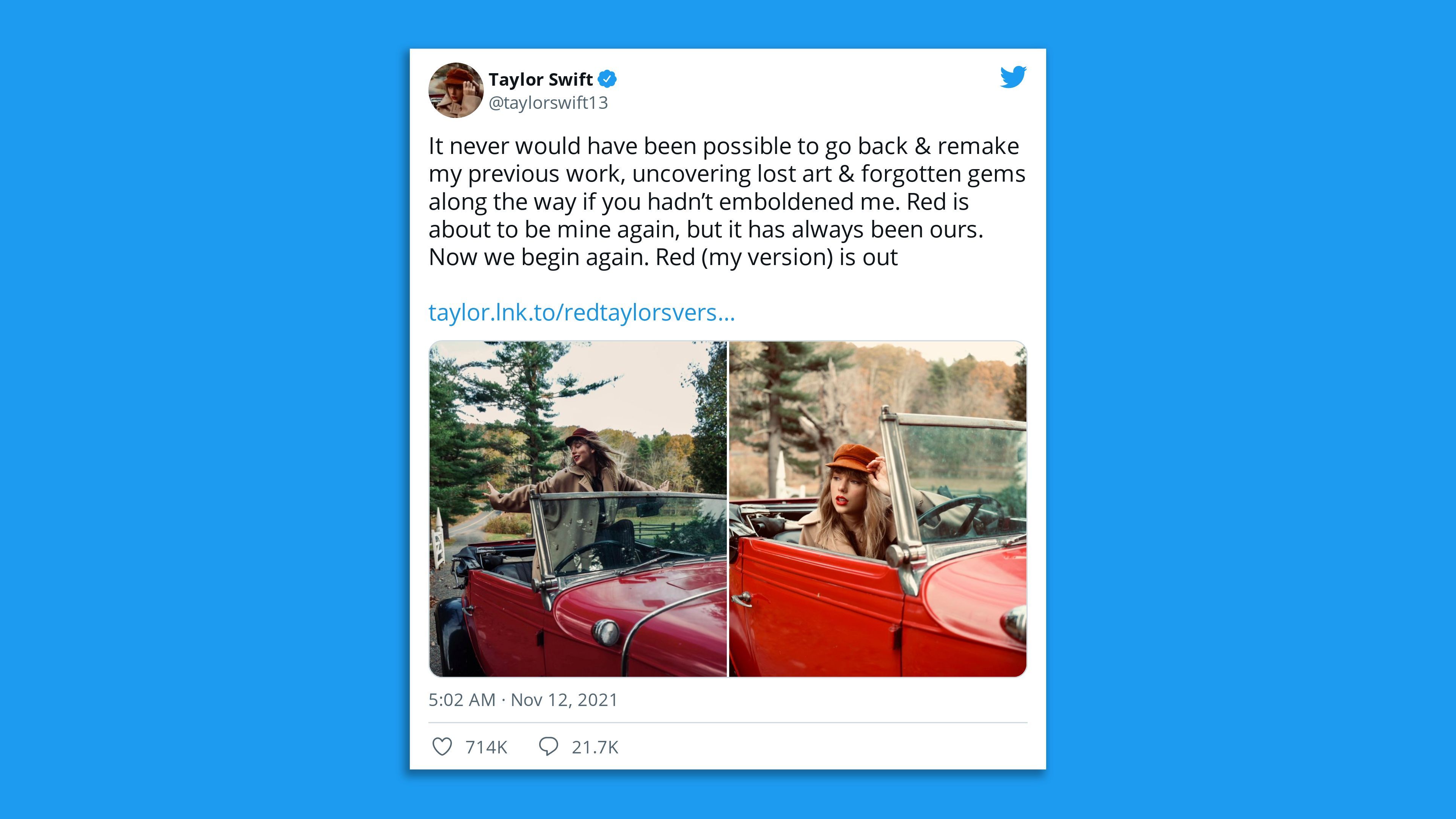
In "Taylor Swift’s battle to shake off the suits," the Financial Times writes (subscription) that it looks like the pop star "will emerge victorious":
Swift's above average level of determination has kicked off one of the most interesting experiments in modern music history. One of the most commercially successful artists of the past decade is painstakingly creating a copy of her first six albums.
There have been examples of famous artists recording new copies of their songs, such as Frank Sinatra and Def Leppard. But those cases were before the streaming era. Swift’s new versions now sit alongside the private equity-owned tracks on people’s phones.
🎞️ Watch "Taylor Swift - All Too Well: The Short Film," out yesterday.
Axios AM
Catch up with the most important news of the day